Are Cans Better Than Bottles for Beer?
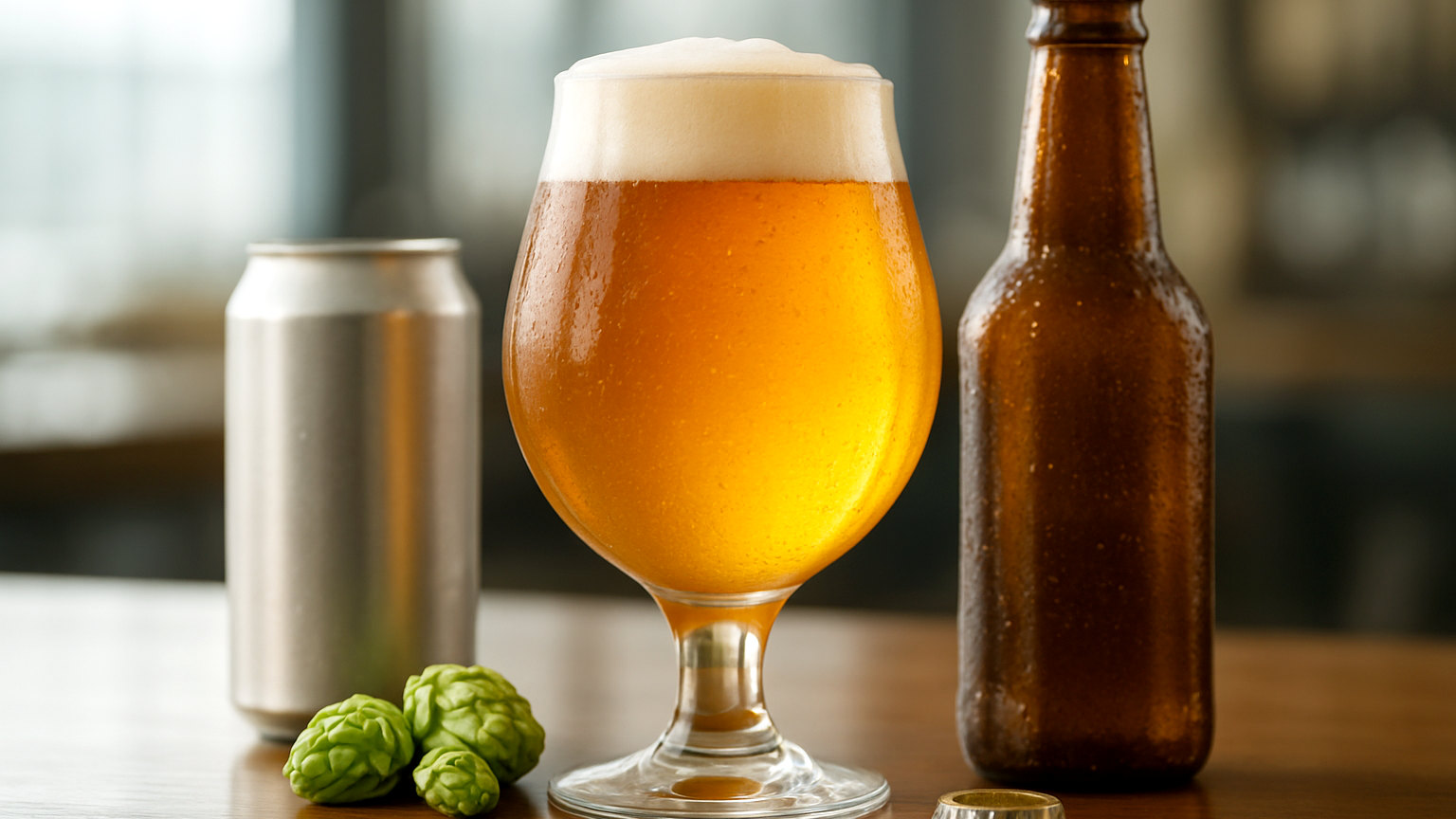
Cans win on almost every technical measure, and the perception that they are the cheaper option is roughly twenty years out of date.
By Simply Alcohol Team
4 May 2026

Beer went from a handful of styles to hundreds in about a decade, and the labels stopped being much help. These guides explain what actually defines each style, what hops and malt are doing, and how to work out what you like without buying forty cans to find out.
Cans win on almost every technical measure, and the perception that they are the cheaper option is roughly twenty years out of date.
Lambic is fermented by whatever falls into it from the air of one Belgian valley, aged in barrels for years, and made using aged hops chosen specifically for having no flavour left.
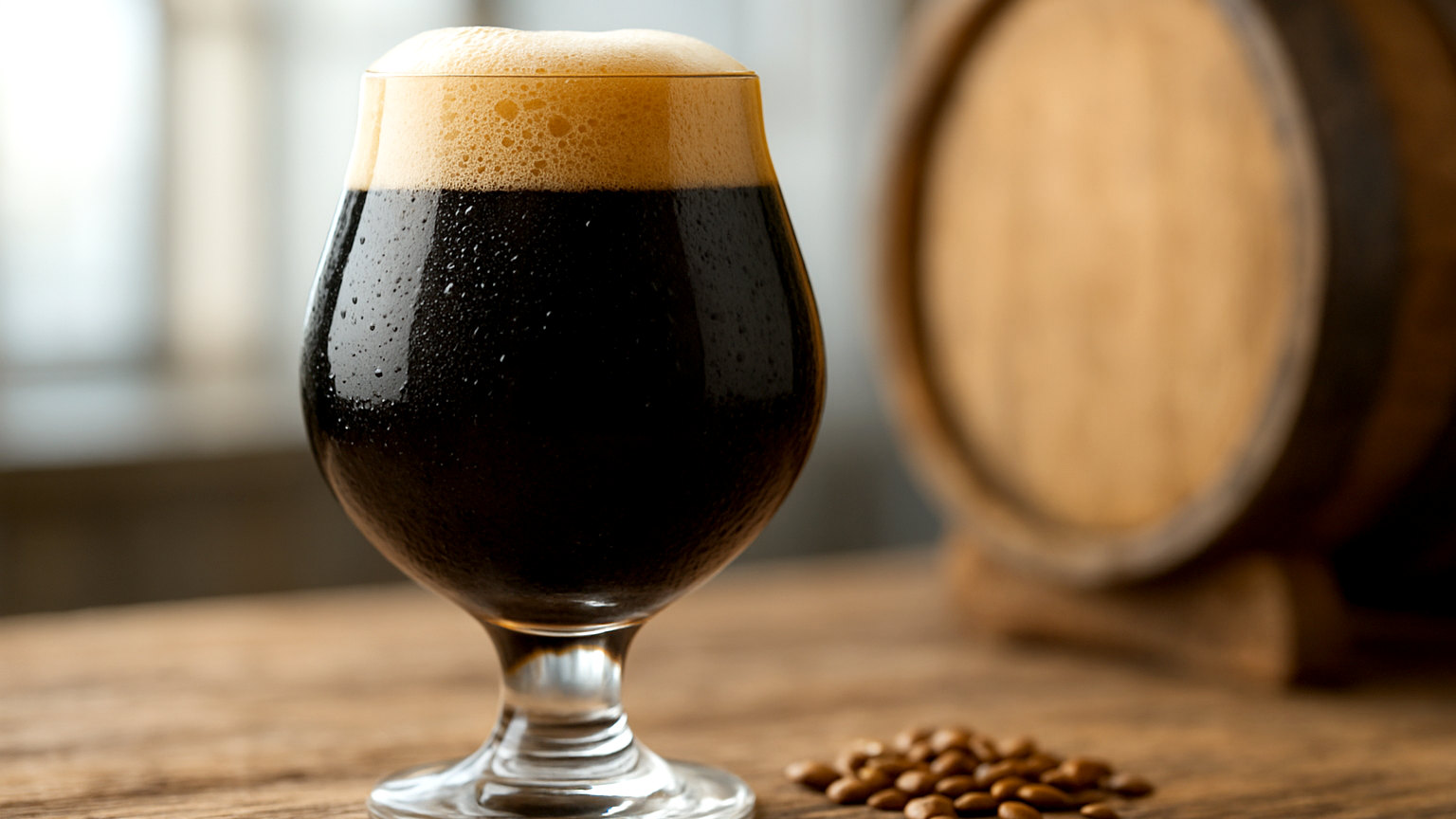
Milk stout contains real milk sugar, which yeast cannot ferment, so it stays in the finished beer as sweetness and body. It also makes the beer unsuitable for some drinkers.
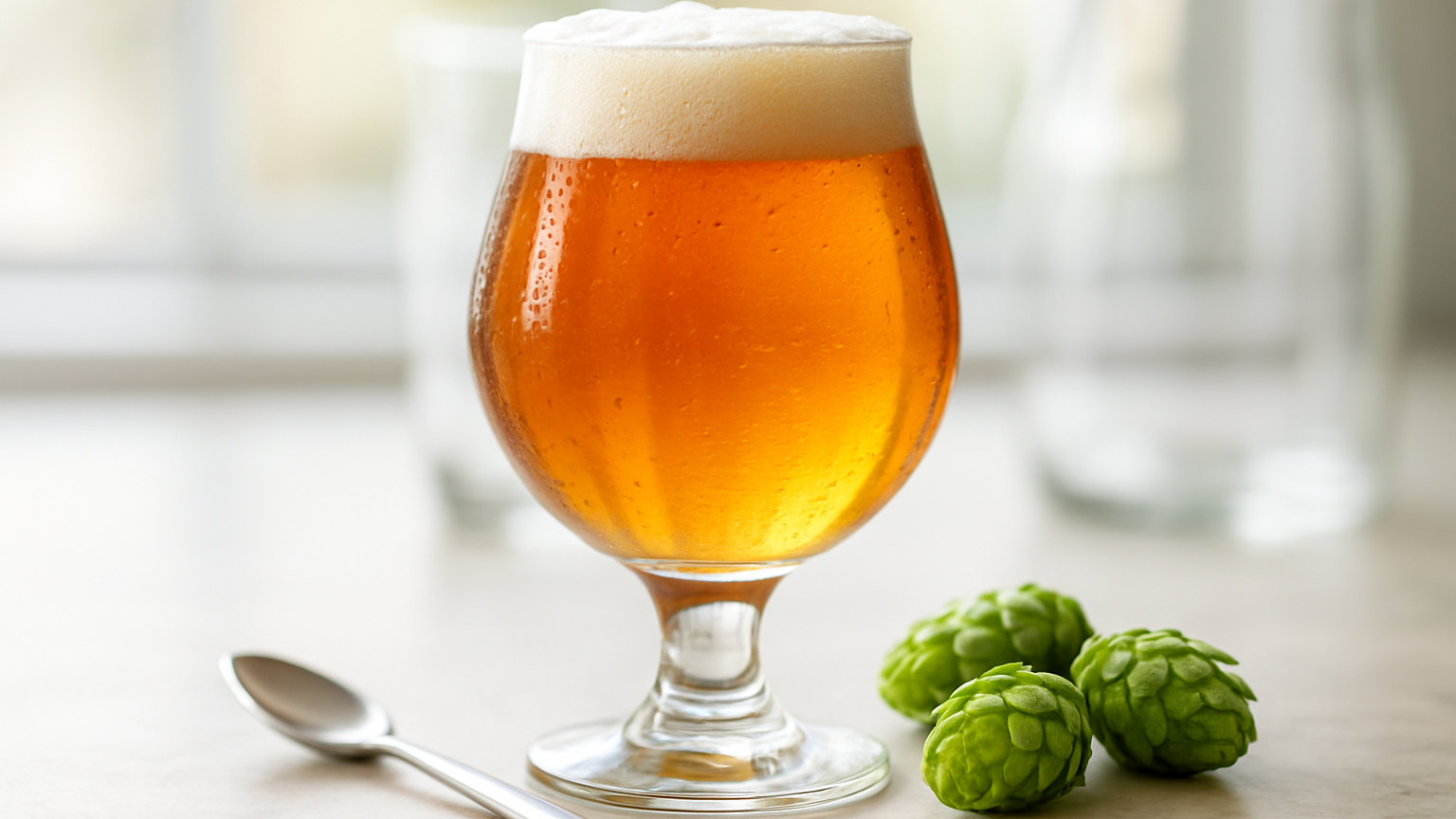
A relatively small group of hop varieties produces most of the aromas modern IPA is known for, and knowing which does what makes label reading considerably more useful.
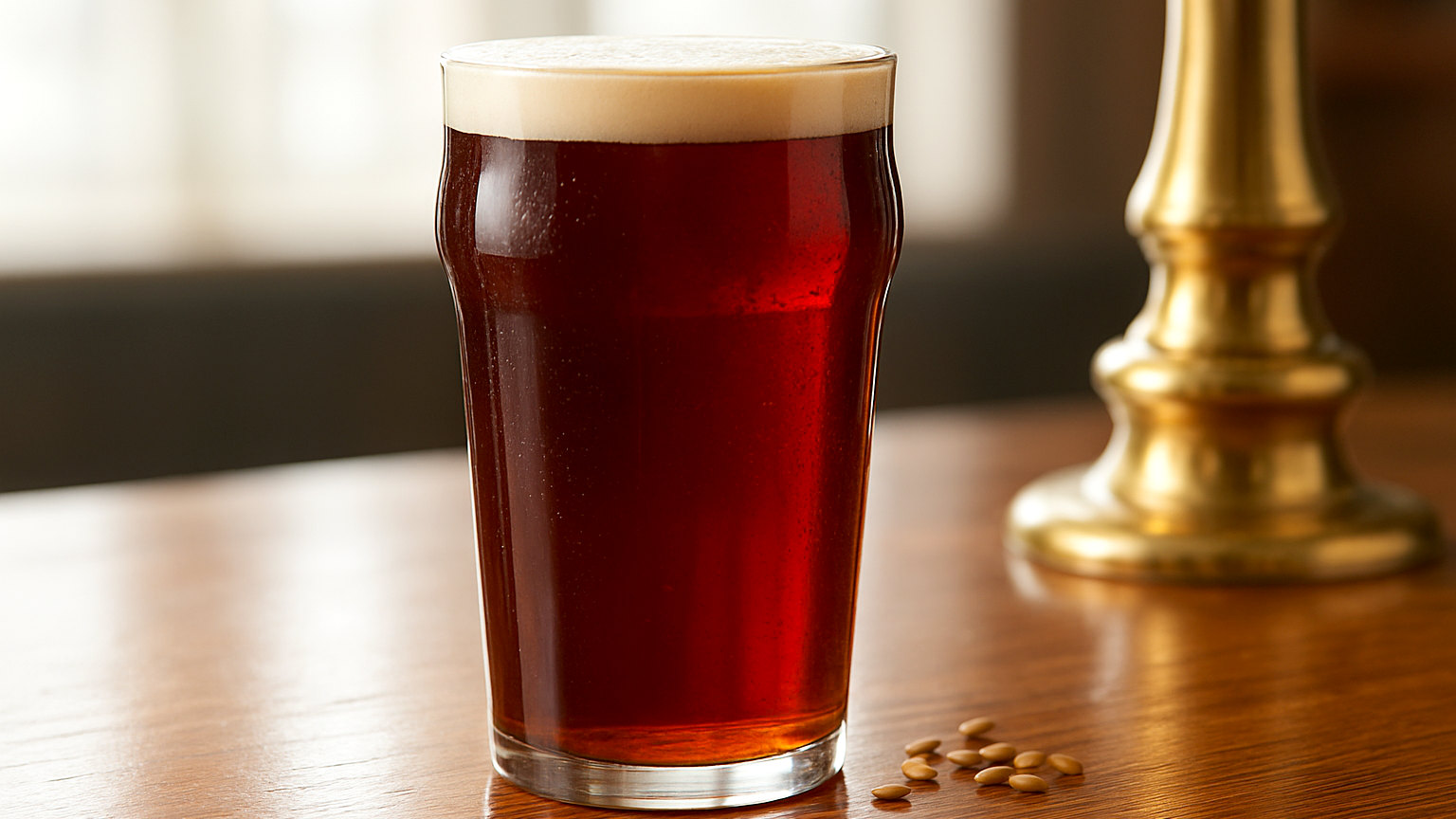
The words ordinary, best and premium on a pump clip describe strength rather than quality, which catches people out. A brewery's ordinary bitter is frequently its finest beer.
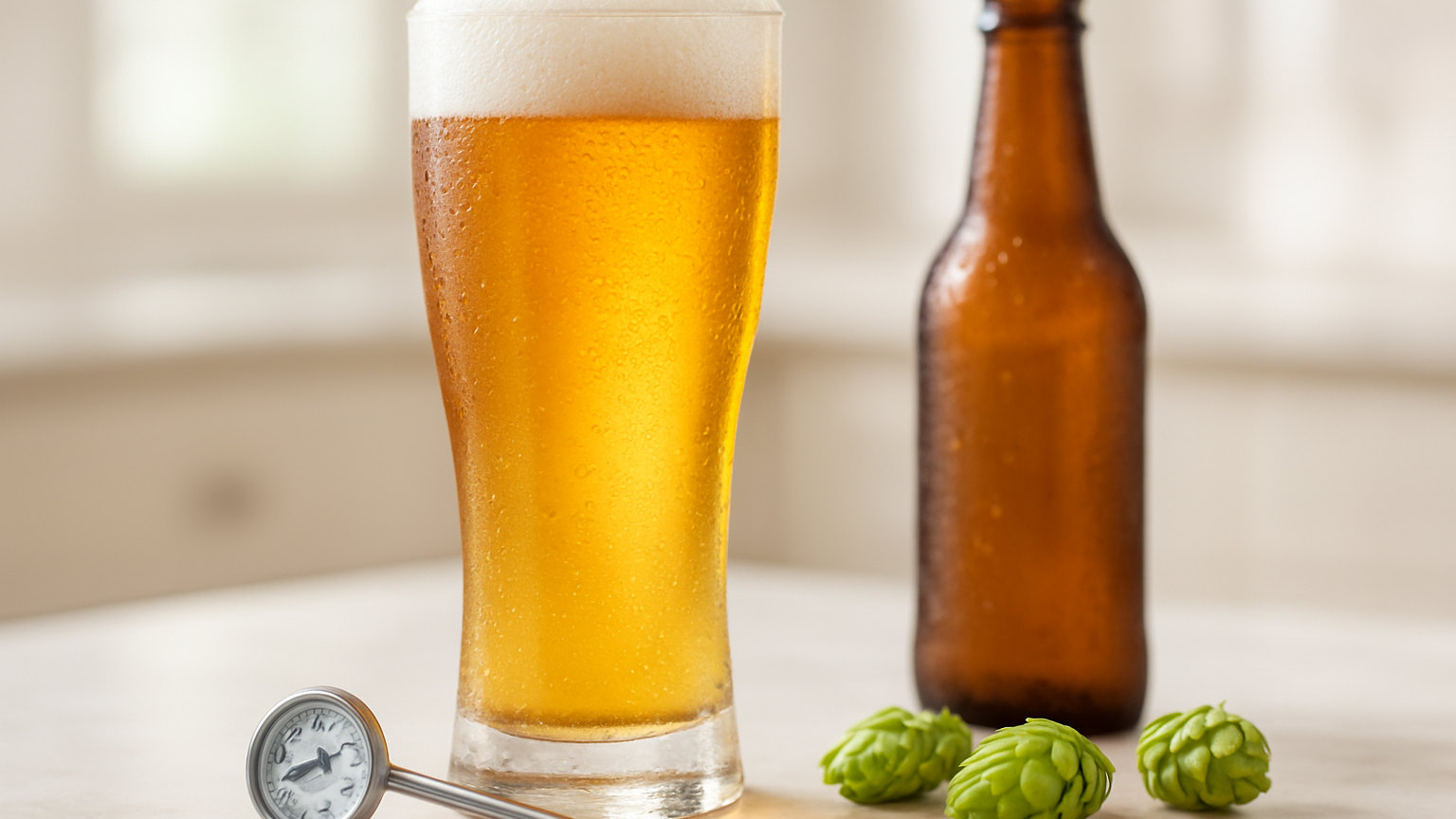
Very cold serving makes a beer refreshing and hides most of what is in it. Whether that is a feature or a problem depends entirely on what you poured.
British drinking has settled on two extremes, near-freezing lager and cellar-temperature cask, with almost nothing in between. Most beer belongs in the gap.
A taproom lets a brewery sell its own beer at retail price with nobody taking a cut in between, which for a small producer is frequently the difference between surviving and not.
Sourness in beer comes from bacteria and wild yeast producing acid, and which organism is responsible determines whether the result tastes of yoghurt, vinegar or a farmyard.
Brewed strong for export to the Russian court and revived by American craft brewers, imperial stout is the heaviest thing in mainstream brewing and among the few beers that improves with age.
The bitterness number printed on beer labels measures one specific group of compounds, and it is a poor predictor of how bitter a beer will actually taste.
Mild was the beer Britain drank for most of the twentieth century, and within thirty years it went from dominant to almost extinct. The reasons say a good deal about how tastes shift.