What Is Baltic Porter, and Why Is It a Lager?
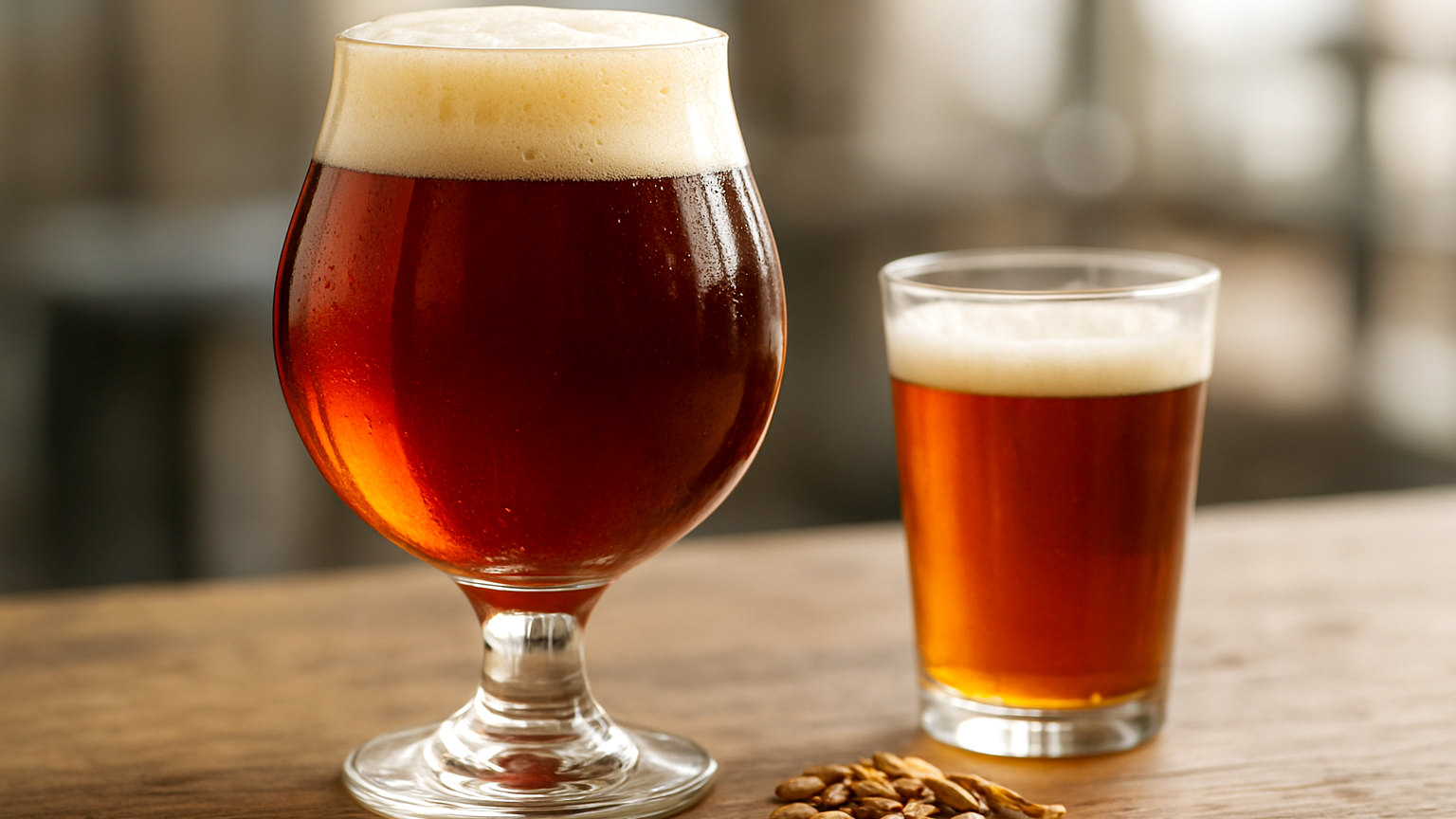
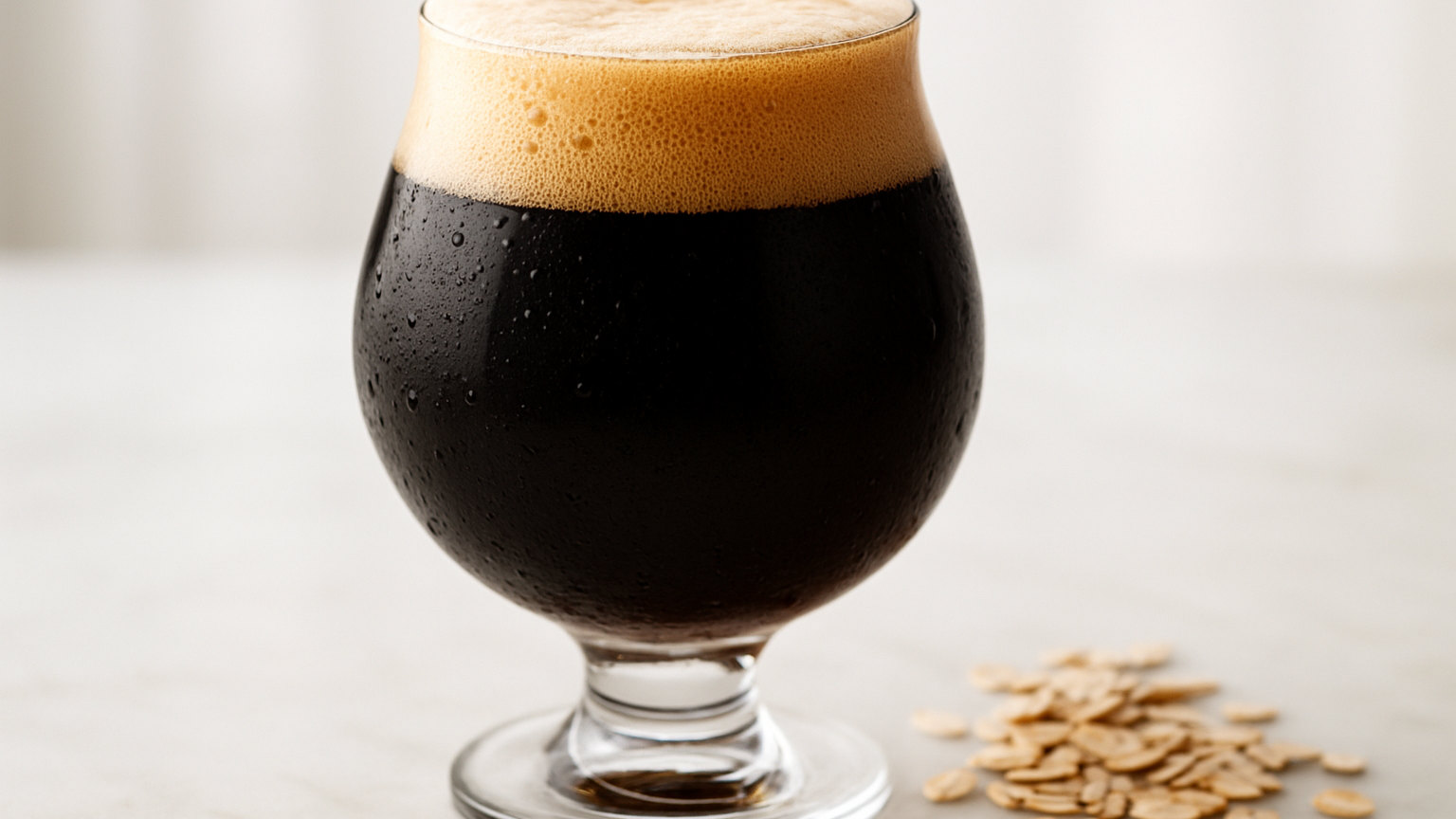
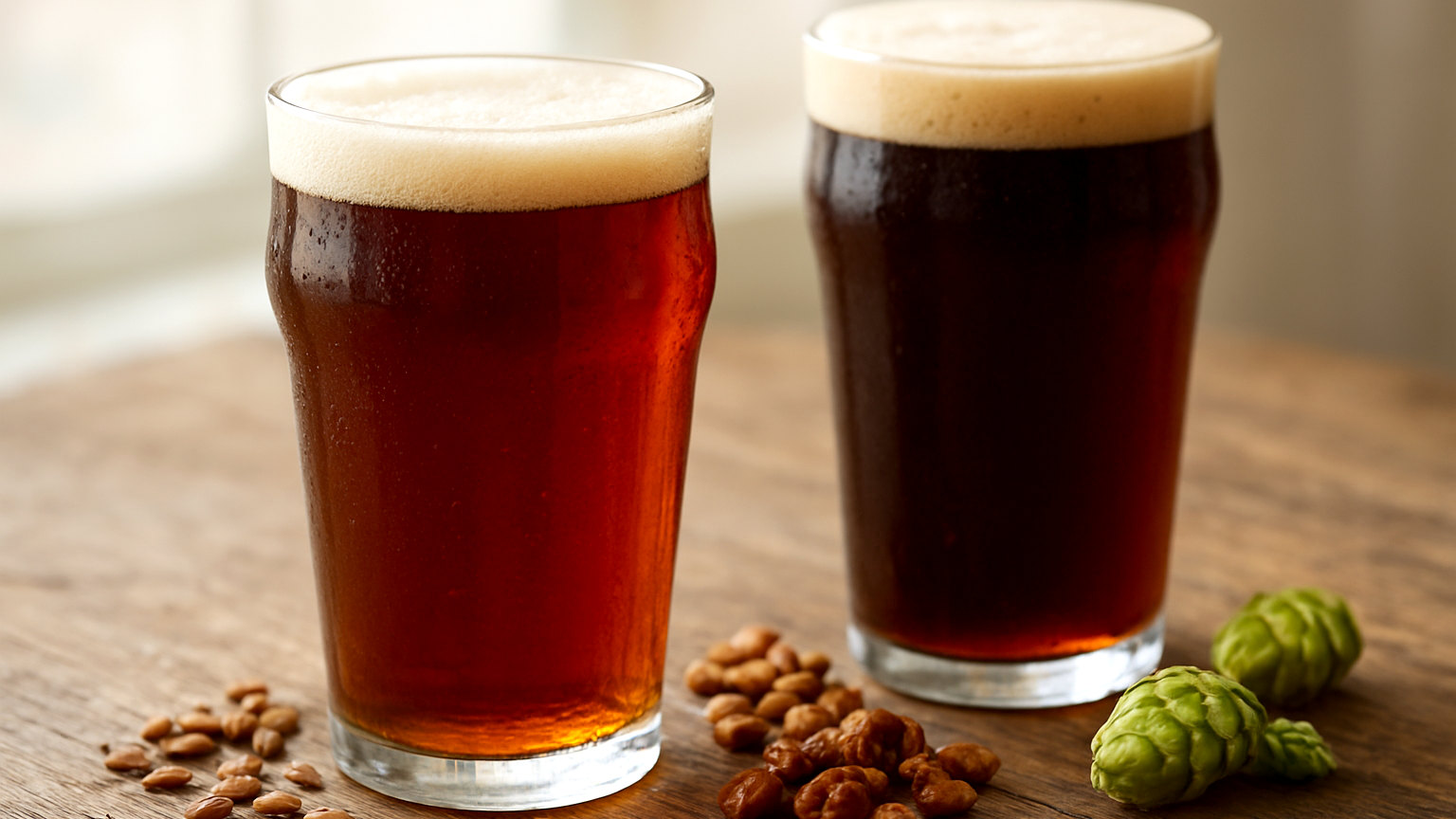
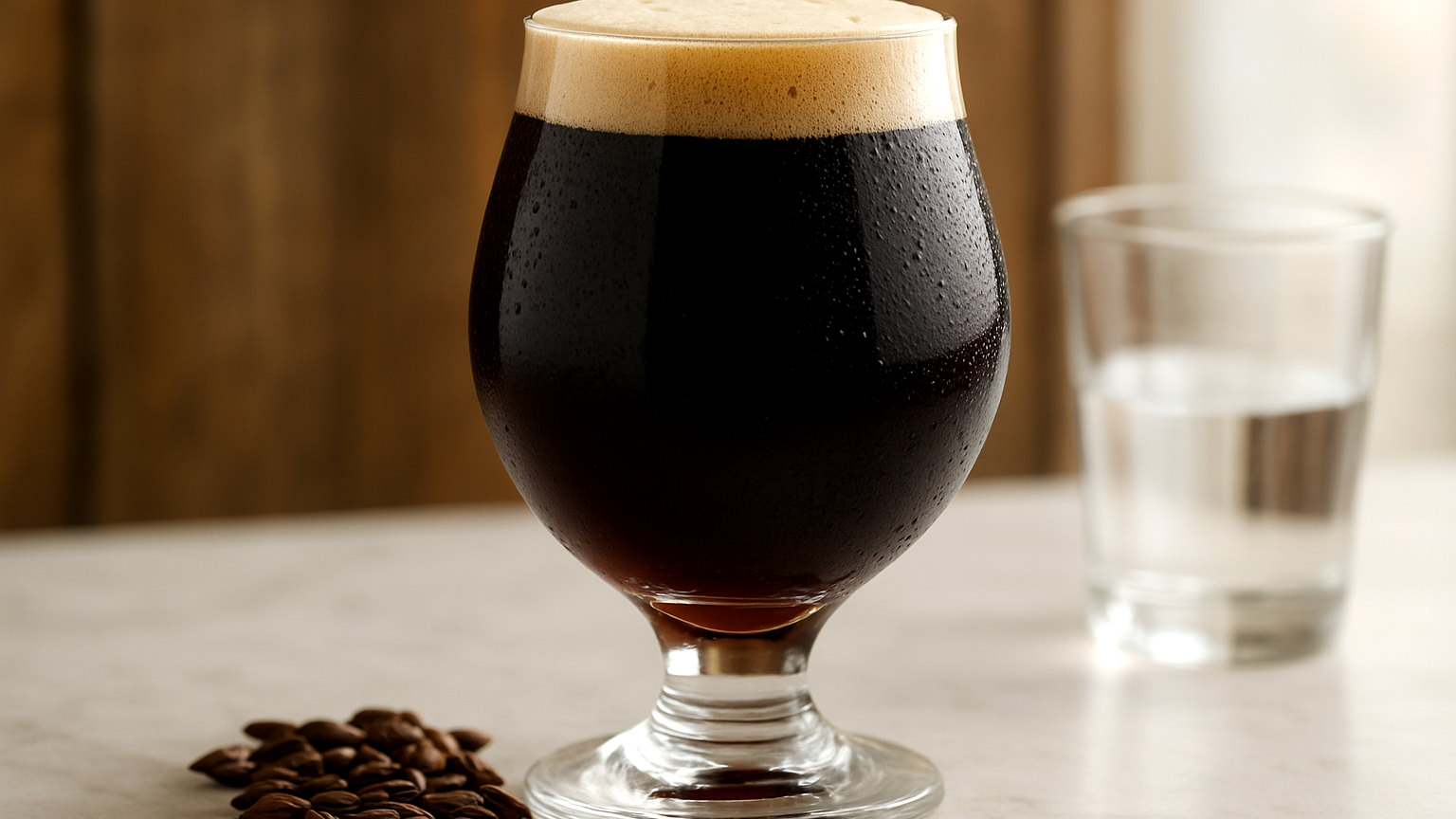
A strong dark beer descended from British exports, fermented with lager yeast in the countries that received them. It is smoother and cleaner than its strength suggests.
Beer went from a handful of styles to hundreds in about a decade, and the labels stopped being much help. These guides explain what actually defines each style, what hops and malt are doing, and how to work out what you like without buying forty cans to find out.
A strong dark beer descended from British exports, fermented with lager yeast in the countries that received them. It is smoother and cleaner than its strength suggests.
Double IPA takes the style past seven and a half per cent, and the challenge is not making it strong but keeping it drinkable once it is.
The strong end of British brewing produces beers meant to be kept for years, and they were once blended into weaker beer to add complexity. A few breweries still make them.
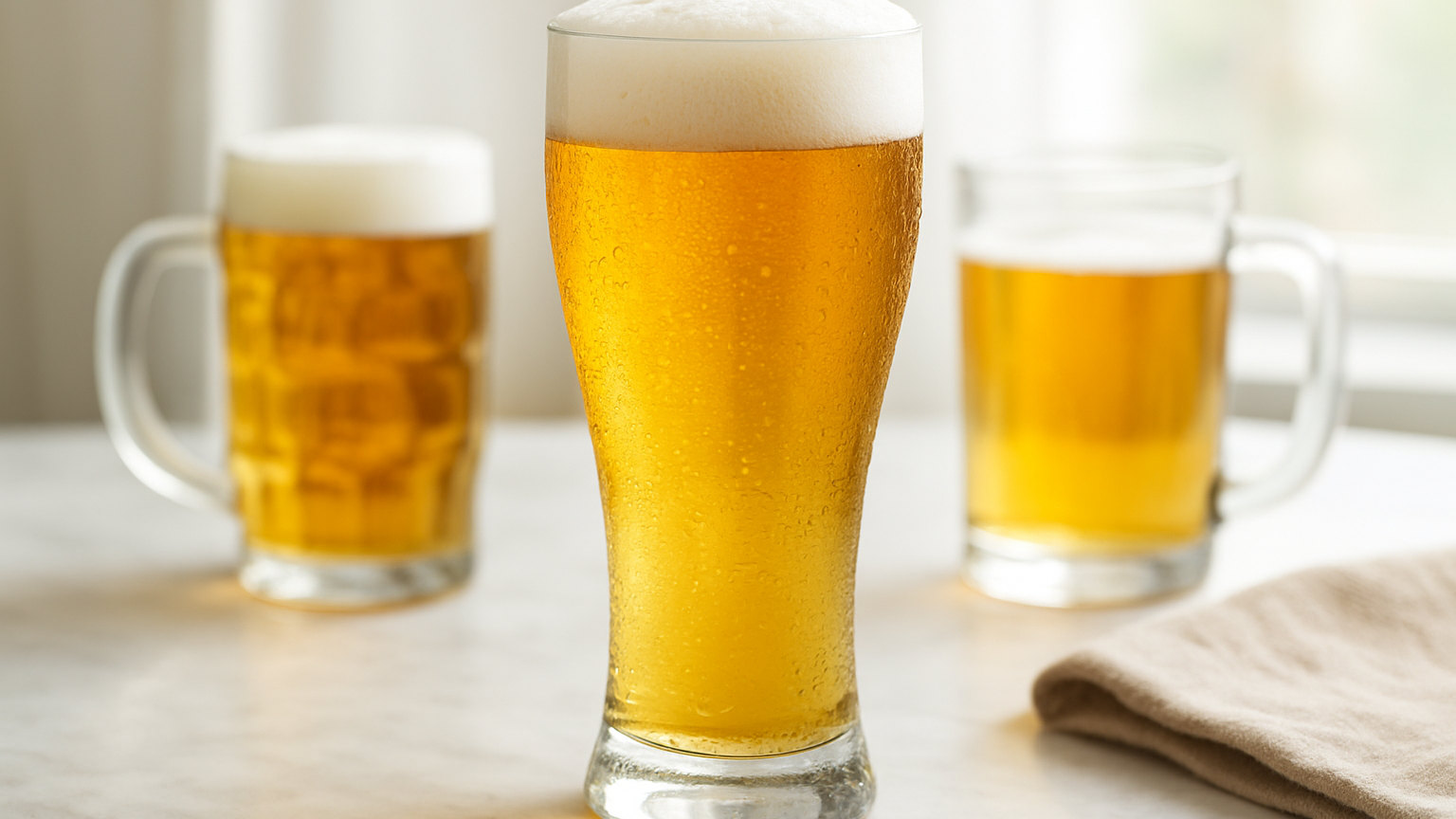
Lager glassware varies more by tradition than by function, and one factor matters more than shape: whether the glass is genuinely clean.
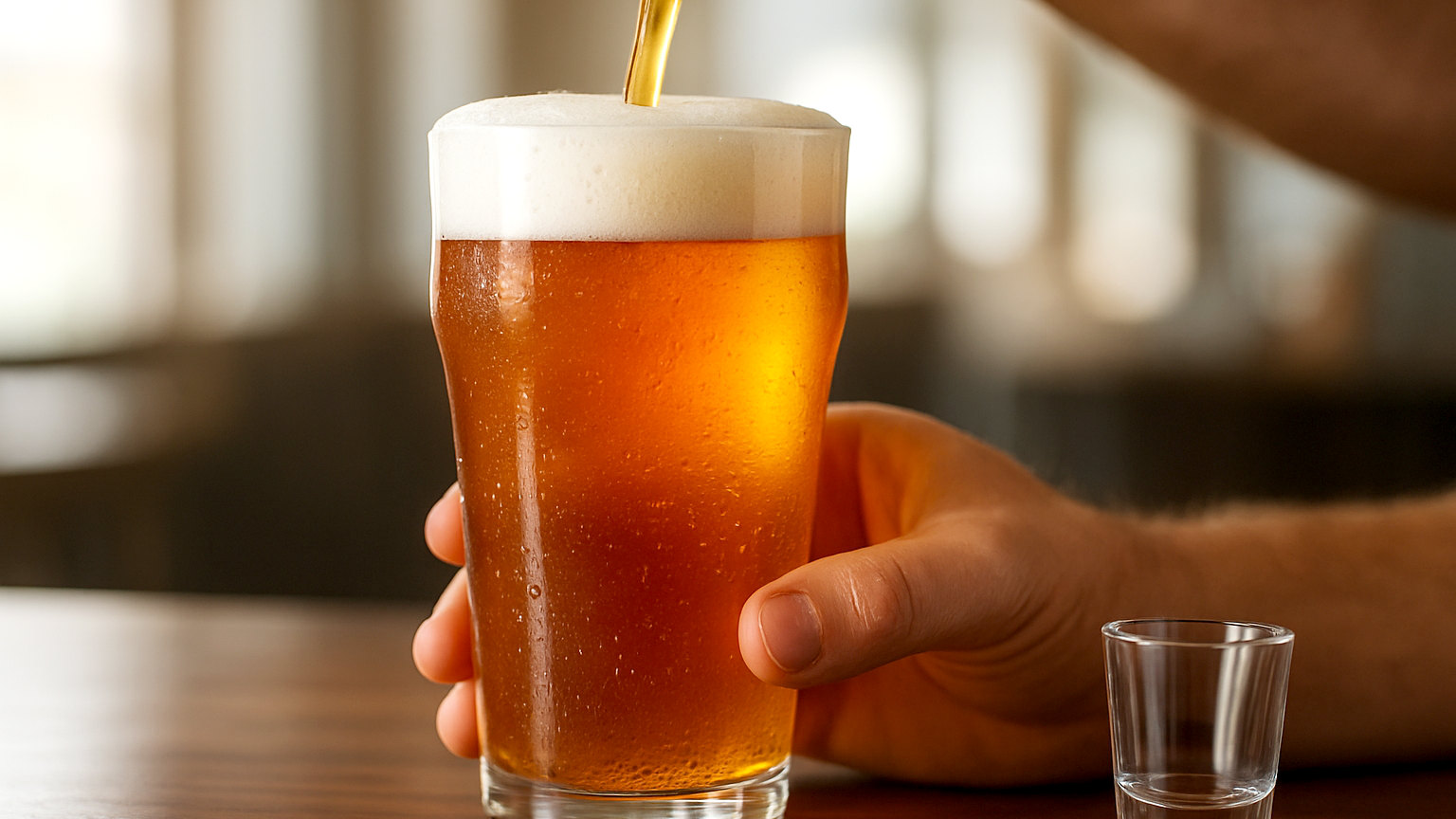
The head takes up space, the glass may or may not be lined, and the rules are more accommodating than most drinkers assume. Asking for a top-up is entirely legitimate.
The most useful information on a can is usually printed in the smallest type, and knowing how to read the date codes will improve your beer more than any other single habit.
Gueuze is made by blending lambics of different ages so that the young beer's remaining sugar refermehnts the old beer in the bottle. The result is the champagne of the beer world, and the comparison is earned.
Oats contribute almost no flavour and transform the texture, which is why they turn up in stouts and hazy IPAs alike. The effect is entirely about mouthfeel.
A session IPA aims to deliver hop character at a strength you can drink several of, which is harder than it sounds and produces both excellent beers and thin disappointments.
Britain had two distinct brown ale traditions, one northern and dry, one southern and sweet. Both faded, and the style was kept alive largely by American brewers.
Light damage produces a specific and unmistakable smell, it happens in minutes rather than months, and it is entirely preventable by choosing the right packaging.
The beer in your glass has travelled through cooled tubing from a cellar, and the quality of that journey affects the pint more than most drinkers realise.