Is All Mass Market Lager the Same?
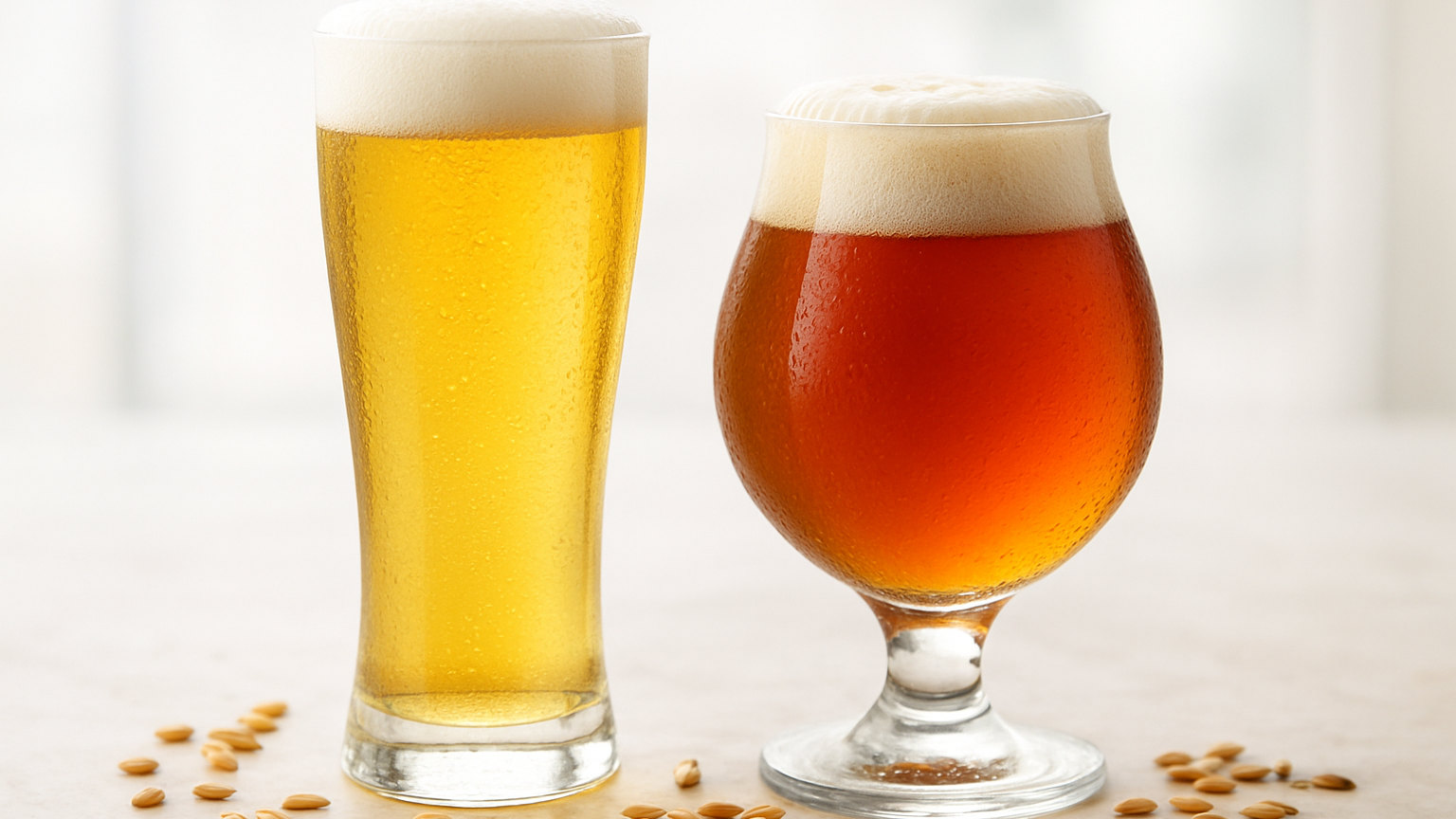
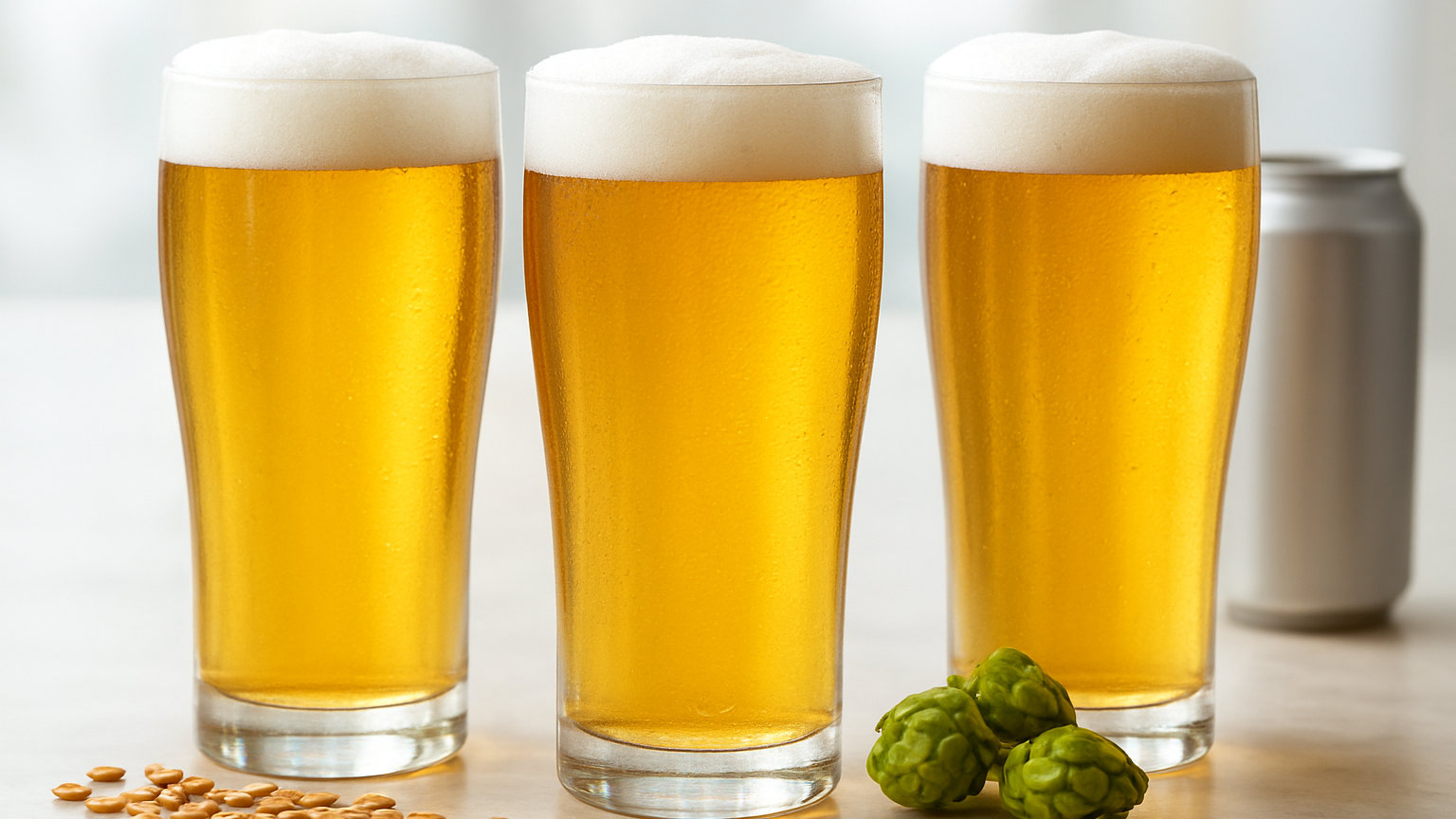
The pale lagers that dominate supermarket shelves are more similar to each other than their marketing suggests, and the reasons are ingredients, process economics and deliberate design.
Beer went from a handful of styles to hundreds in about a decade, and the labels stopped being much help. These guides explain what actually defines each style, what hops and malt are doing, and how to work out what you like without buying forty cans to find out.
The pale lagers that dominate supermarket shelves are more similar to each other than their marketing suggests, and the reasons are ingredients, process economics and deliberate design.
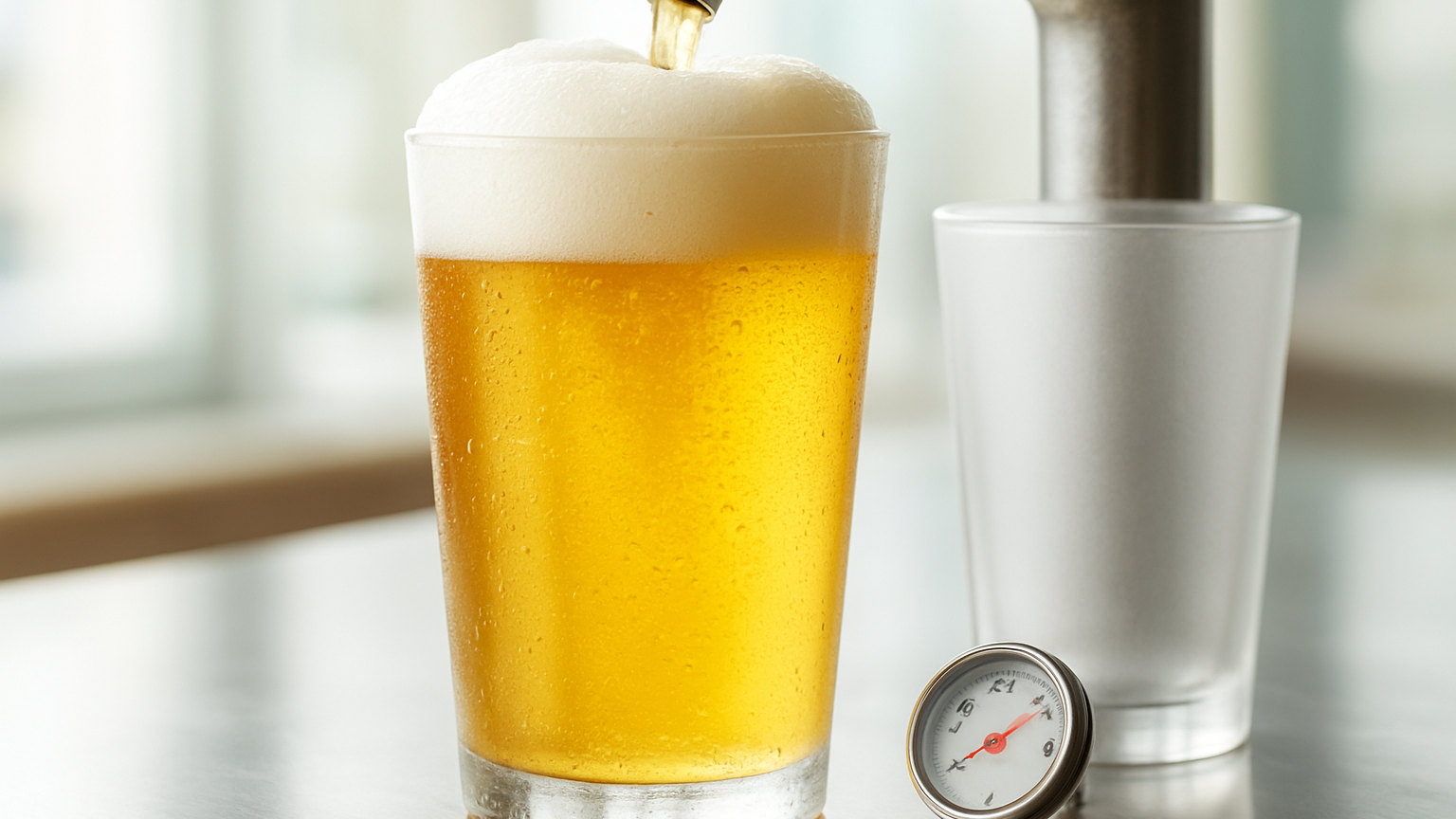
Excessive foam has a small number of causes and almost all of them are about temperature. Diagnosing which one applies takes less time than waiting for the head to settle.
A good many beers are brewed at a different brewery from the one on the label, and the arrangement is common, legal and rarely advertised.
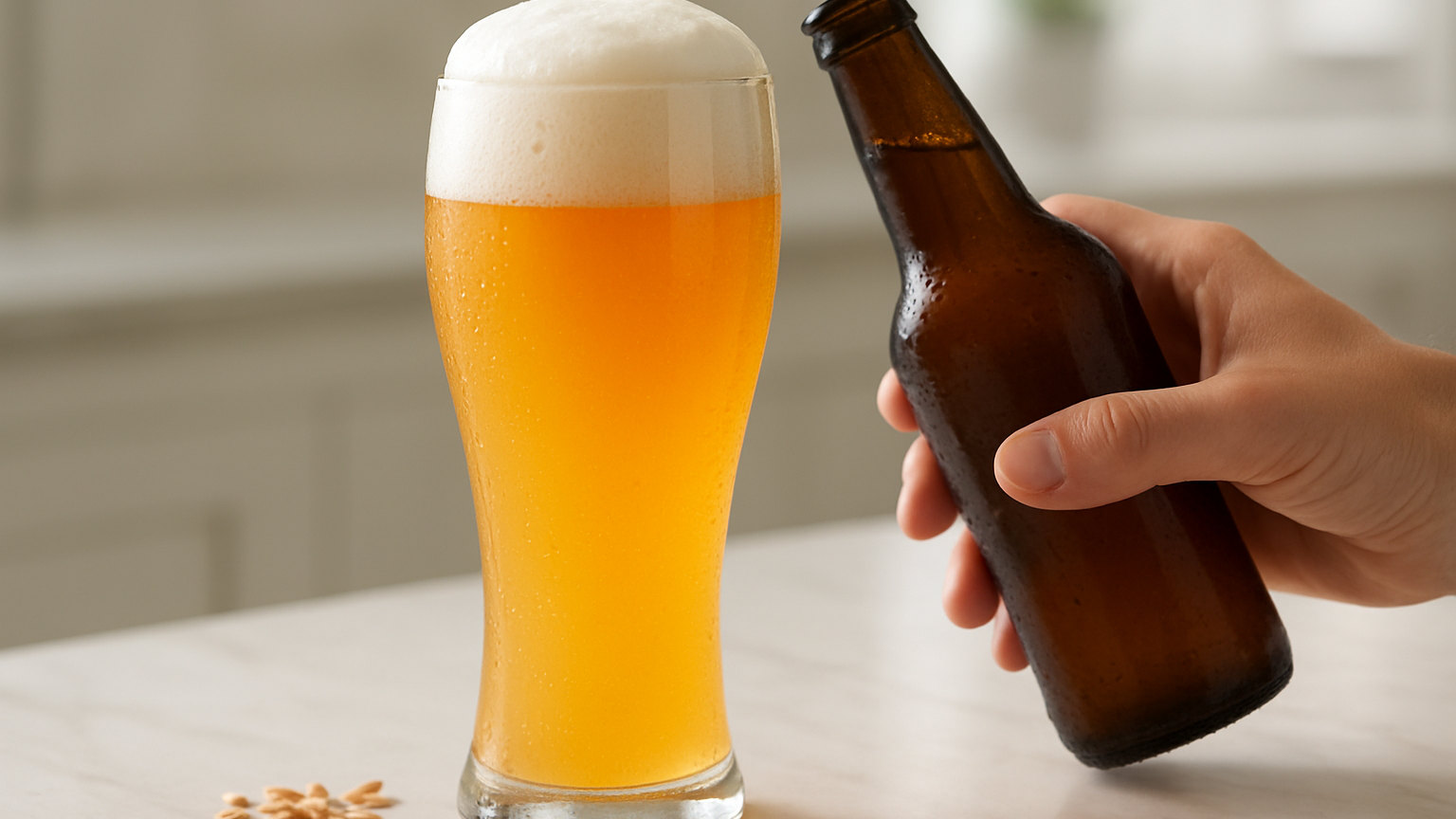
Wheat beer is the one style where the pour genuinely changes what you drink, because a substantial part of the flavour is sitting in the bottom of the bottle.
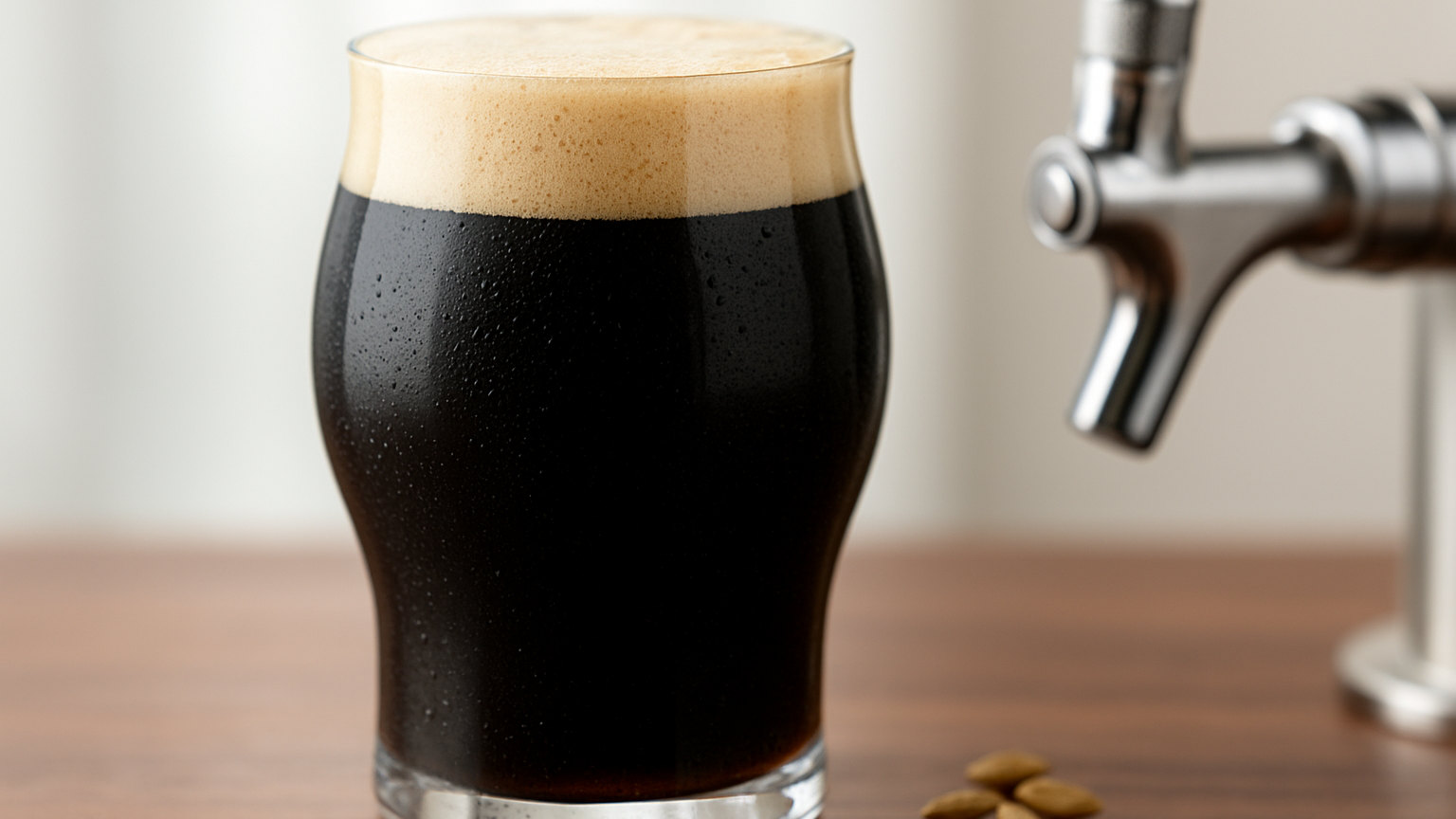
Nitrogen dispense produces the cascading head and creamy texture associated with stout, and it changes the flavour of the beer as well as its appearance.
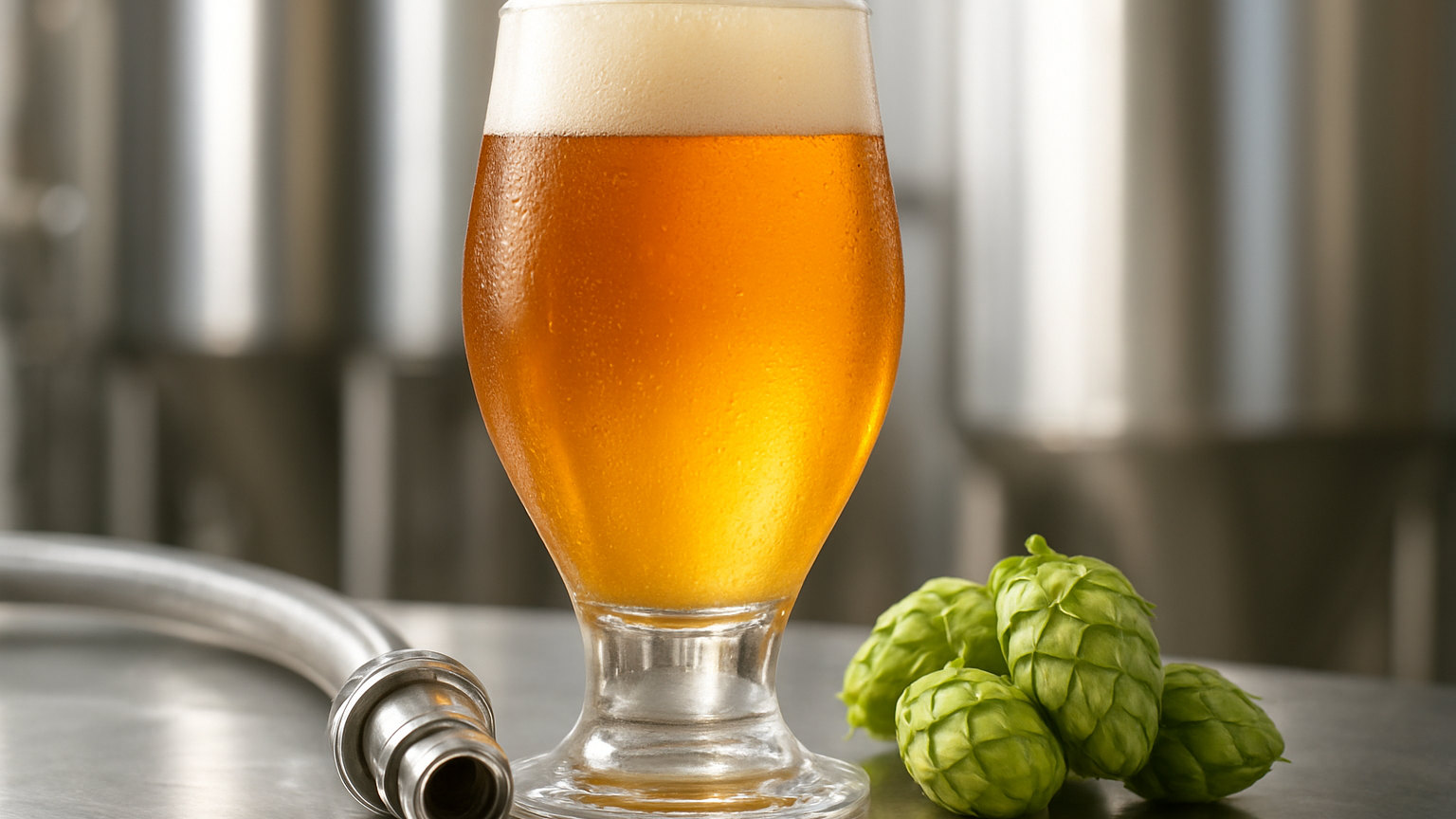
Adding hops after fermentation delivers aroma without bitterness, which is the technique that made modern IPA possible. It also has consequences brewers spent years learning about.
Real ale is a defined term with a specific meaning, coined by a consumer campaign in the 1970s to describe something that was disappearing. The definition still causes arguments.
Bock is the strong end of the lager family, and its sub-styles run from a robust six per cent to beers that were briefly the strongest in the world.
Beer glassware has more shapes than any other drink and most households need two of them. The features that genuinely matter are easy to identify.
Micro, nano and regional describe production volume rather than quality, and the thresholds that matter in Britain are set by duty relief rather than by any style guide.
The lemon wedge on a German wheat beer is a bar convention that many brewers actively dislike, and there are technical reasons beyond mere purism.
Ireland's national beer style is drier and lighter than almost anything else that looks like it, and the smoothness people describe comes from the gas rather than the recipe.