Cocktail books from the nineteenth century contain hundreds of recipes, and perhaps a dozen of them are still ordered. The same is true of every decade since. Understanding what the survivors have in common is more useful than memorising any individual recipe.
The original definition
The word cocktail had a specific meaning before it became a general term for any mixed drink. A definition published in an American newspaper in 1806 described it as a stimulating liquor composed of spirits of any kind, sugar, water and bitters.
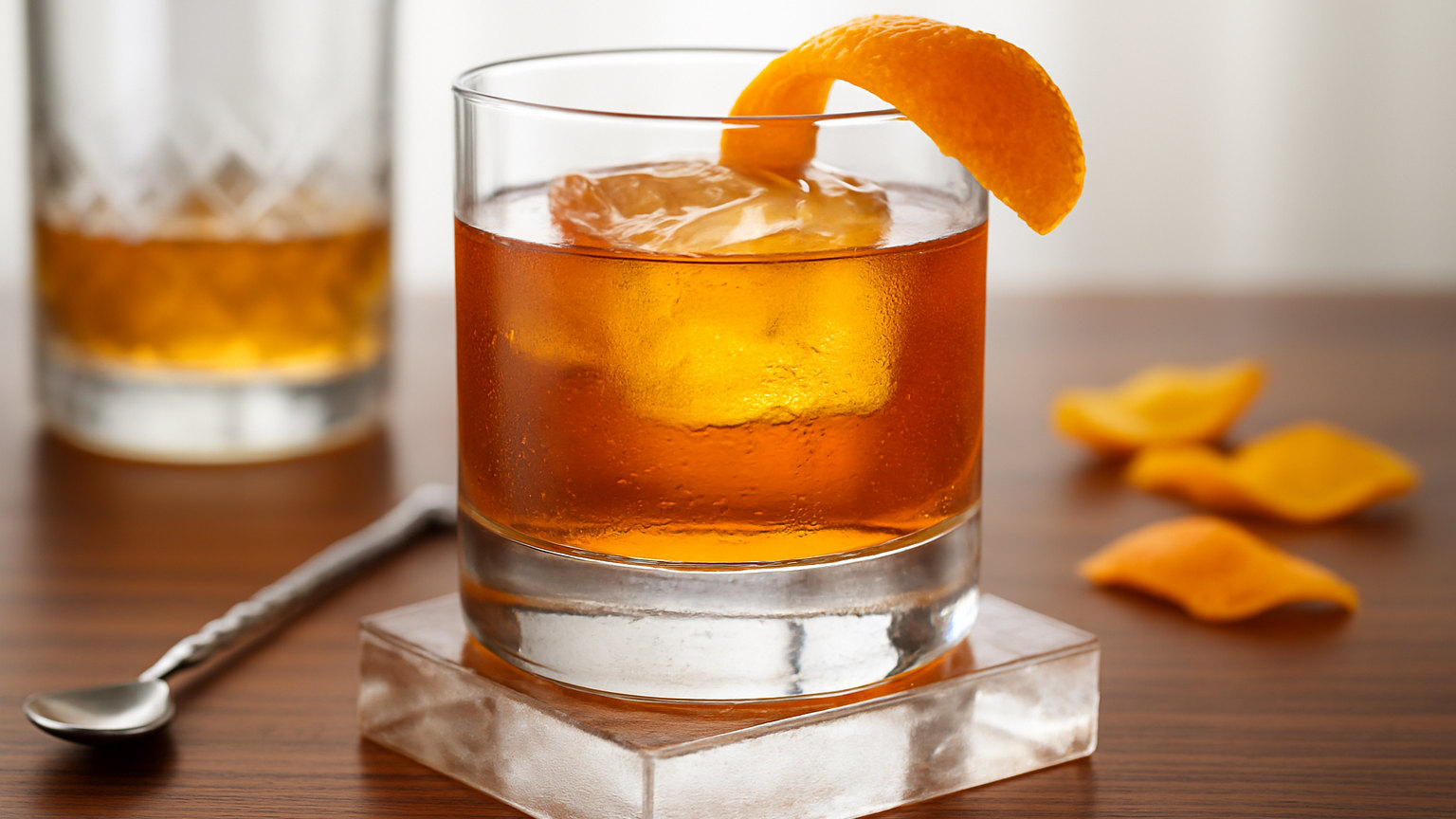
That is the old fashioned, and it is worth noticing that it names a structure rather than a recipe: a spirit, something sweet, something bitter and dilution. Everything else in the category grew out of variations on that idea.
The templates that survived
Almost every enduring cocktail fits one of a small number of shapes.
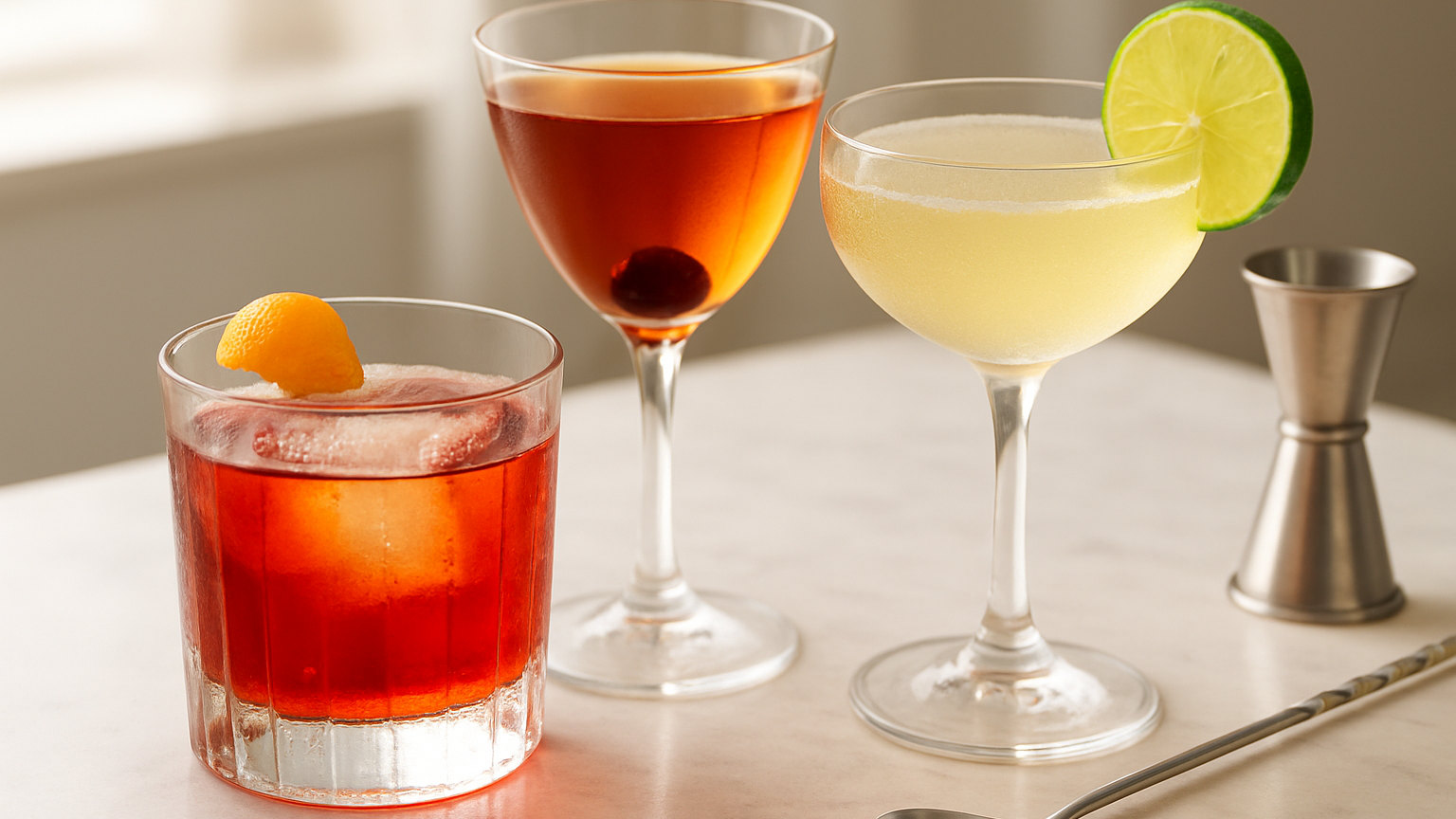
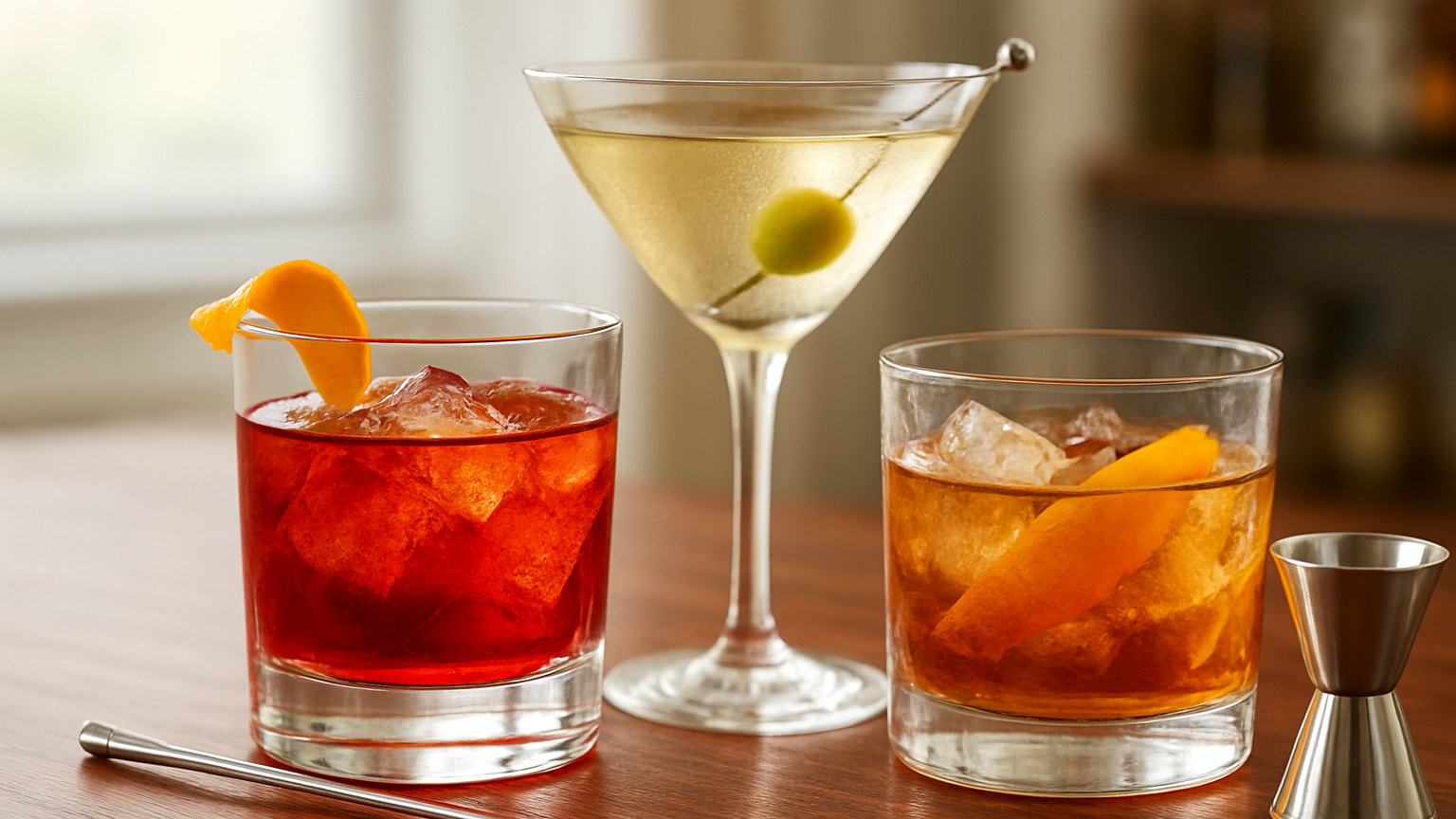
The spirit-forward stirred drink is spirit, a sweeter modifier and bitters, stirred and served without citrus. The old fashioned, the manhattan, the martini and the negroni all belong here.
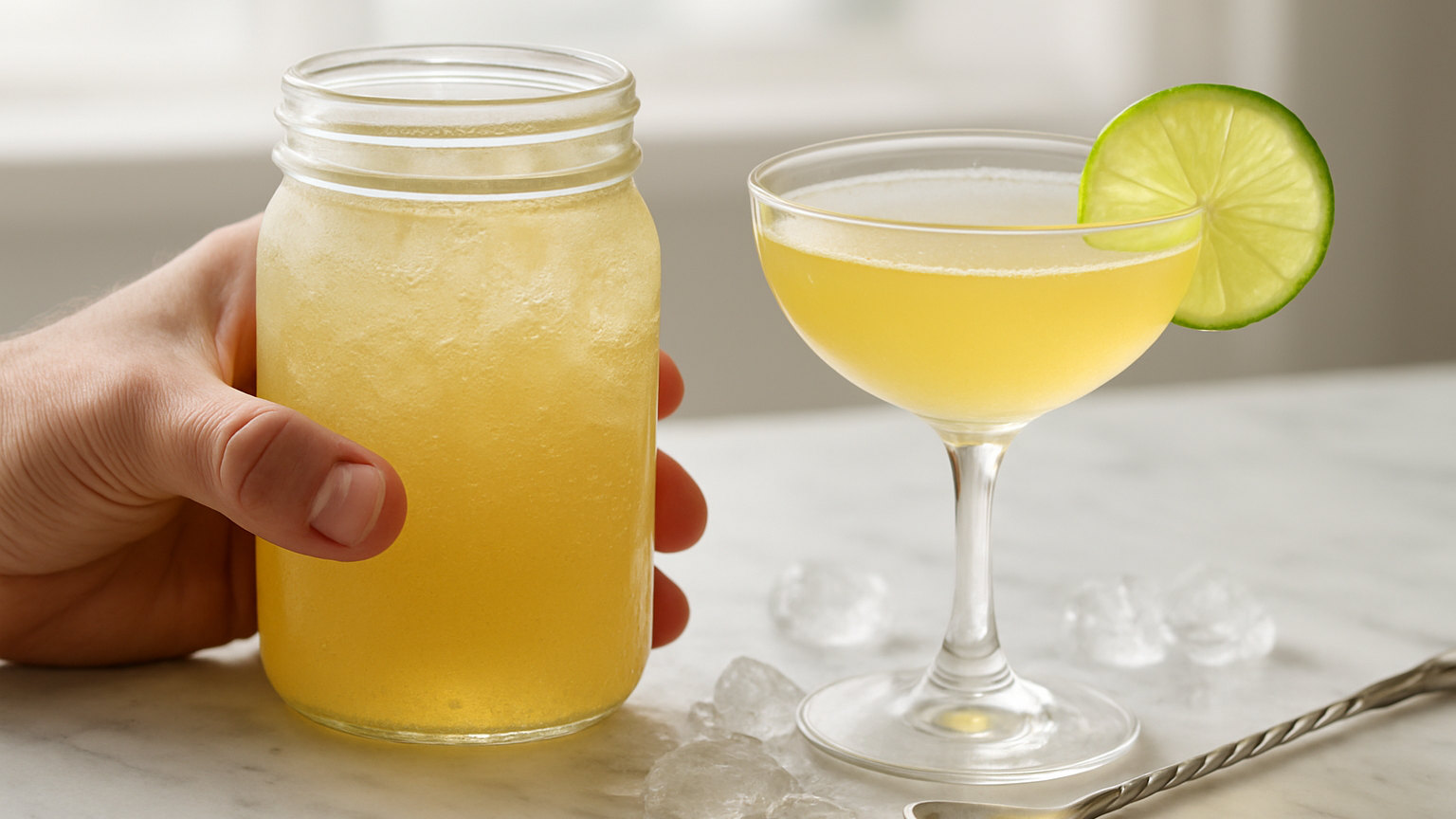
The sour is spirit, citrus and something sweet, shaken. The daiquiri, the whiskey sour, the margarita and the sidecar are the same drink with different components.
The highball is spirit and a longer mixer over ice, which covers everything from a gin and tonic to a whisky and soda.
The equal parts drink is three or four ingredients in the same measure, which works only when every component is assertive enough to hold its ground.
Learning four templates gives you more than learning forty recipes, since once the shape is familiar you can substitute within it and predict the result.
Why the survivors survived
Three qualities recur.
Balance is the first. A classic tastes complete rather than dominated by any one element, and the proportions that achieve that were arrived at by many people making the drink repeatedly over decades.
Simplicity is the second. Almost all of them use three or four ingredients, which makes them memorable, reproducible and forgiving of a missing bottle.
Availability is the third and least romantic. Drinks built on ingredients that stayed in production survived; drinks built on a liqueur that disappeared in 1935 did not, whatever their merits.
What kills a drink
Fashion, mostly, and the sour mix era did more damage than anything else. When bottled sweet and sour replaced fresh citrus in the second half of the twentieth century, a great many classics were reduced to sugary approximations of themselves and their reputations suffered accordingly.
The margarita, the whiskey sour and the daiquiri all spent decades being made badly, which is why people who tried them in the 1980s and again recently frequently describe two completely different drinks.
Complexity kills drinks too. A cocktail with nine ingredients cannot be remembered, cannot be made in a busy bar and cannot survive the loss of any component.
The modern classics
A small number of drinks invented in the past forty years have entered the canon, which shows the process is not closed.
They share the same properties as the older ones: few ingredients, clear structure, and a balance that works. The espresso martini, the penicillin and the paper plane are all recent and all conform to templates that would have been recognisable in 1890.
The lesson for anyone wanting to invent something is that the constraints are the point. A drink that follows a proven structure with well chosen components has a chance of lasting; a drink assembled from whatever was on the shelf generally does not.
How to use the templates
Once the shapes are familiar, a recipe stops being a list to follow and becomes a set of decisions you can predict. A drink described as spirit, citrus and liqueur will behave like a sidecar whatever the components; a drink of spirit, vermouth and bitters will behave like a manhattan.
That makes substitution reliable rather than a gamble. Swapping the base of a known drink for something of similar strength and character produces a recognisable variation, and a good proportion of the modern classics were arrived at exactly that way.