Temperature changes beer more than almost any decision made after it leaves the brewery, and it is the cheapest improvement available to anyone drinking at home. It costs nothing and requires only twenty minutes of foresight.
What temperature does
Aromatic compounds reach the nose by evaporating from the surface of the liquid, and that evaporation slows sharply as temperature falls. A very cold beer smells of less, and since most of what we call flavour is smell, it tastes of less.
Cold also suppresses the perception of sweetness while sharpening bitterness and carbonation, which produces the crisp, clean impression that suits a mass market lager and works against a beer with malt character.
Warmth does the reverse, releasing aroma and softening the carbonic edge, at the cost of making alcohol more prominent and the beer heavier.
The ranges
Around three to five degrees suits mass market pale lager, which was designed to be drunk at that temperature and offers little that cold conceals.
Five to seven suits pilsner, wheat beer, witbier, gose and Berliner weisse, where freshness and acidity are the point.
Seven to ten covers pale ale, IPA and most hoppy beer. This is the range most commonly got wrong, since these beers are bought for aroma and routinely served too cold to release it.
Eight to twelve suits amber ales, bitter, brown ale and Belgian styles. Cask ale in a pub sits around eleven to thirteen.
Ten to thirteen suits stout, porter and dark lagers.
Twelve to fourteen suits imperial stout, barley wine, barrel-aged beer and strong Belgian ales, where cold suppresses complexity and accentuates alcohol.
The general rule
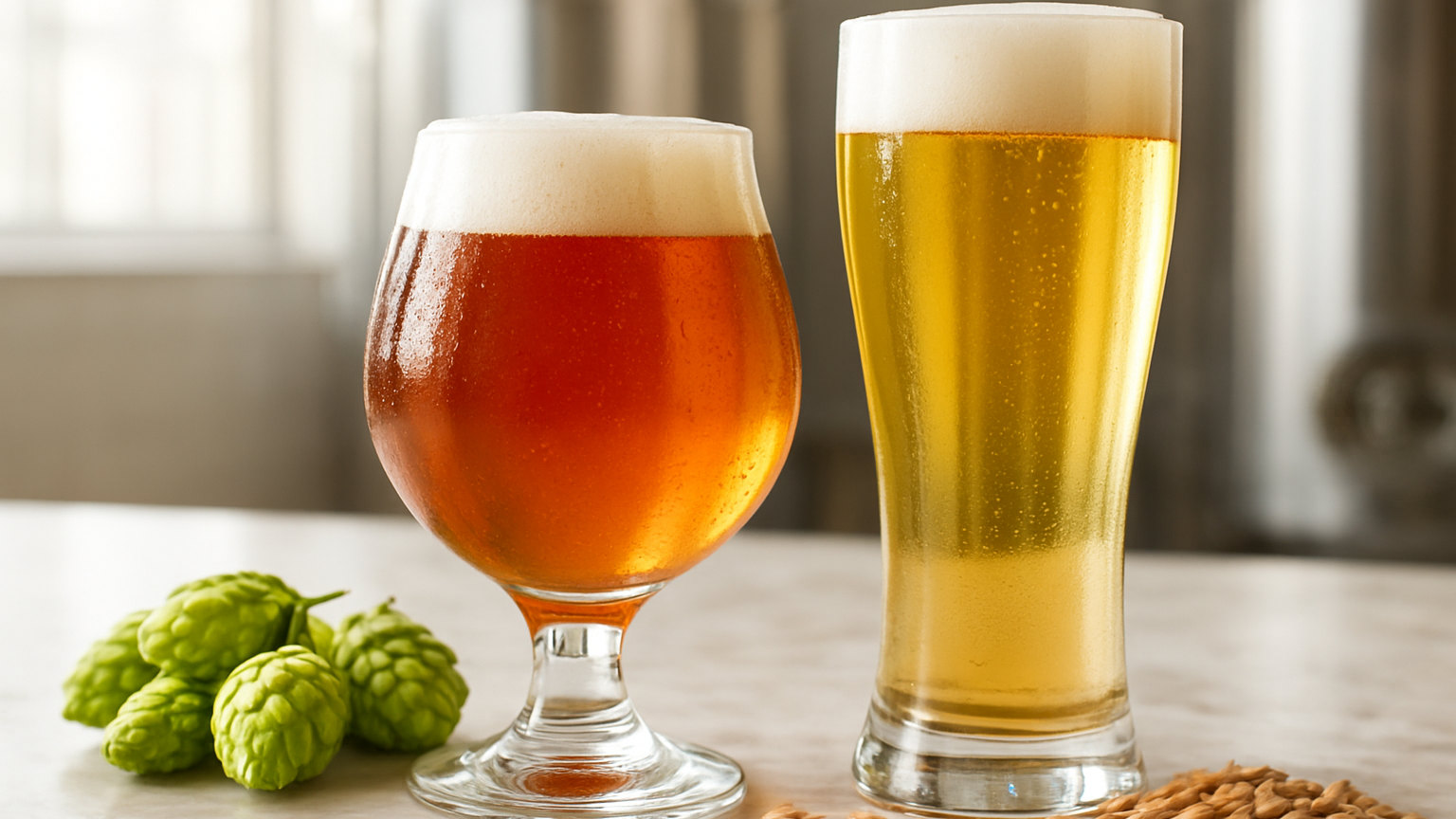
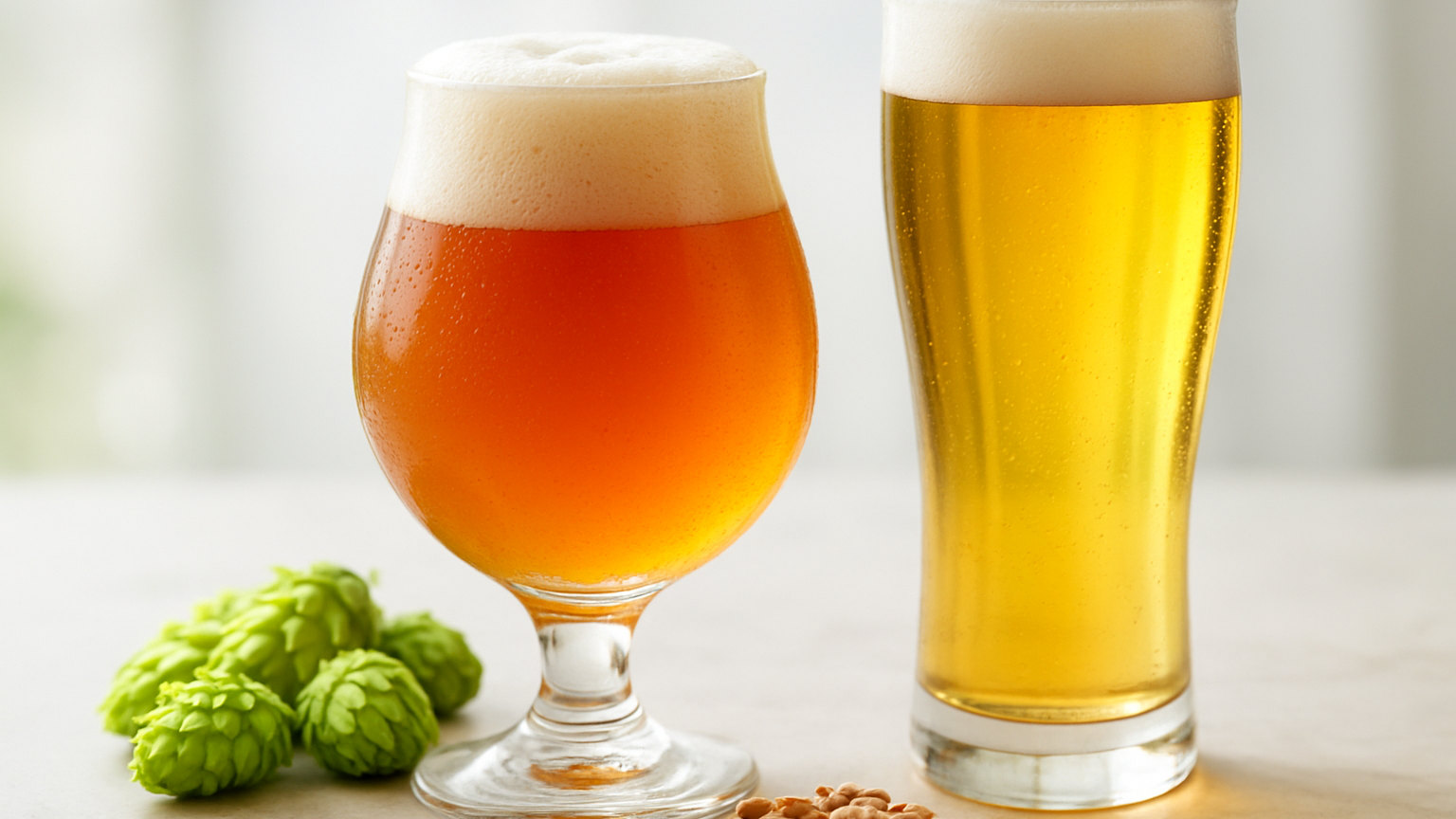
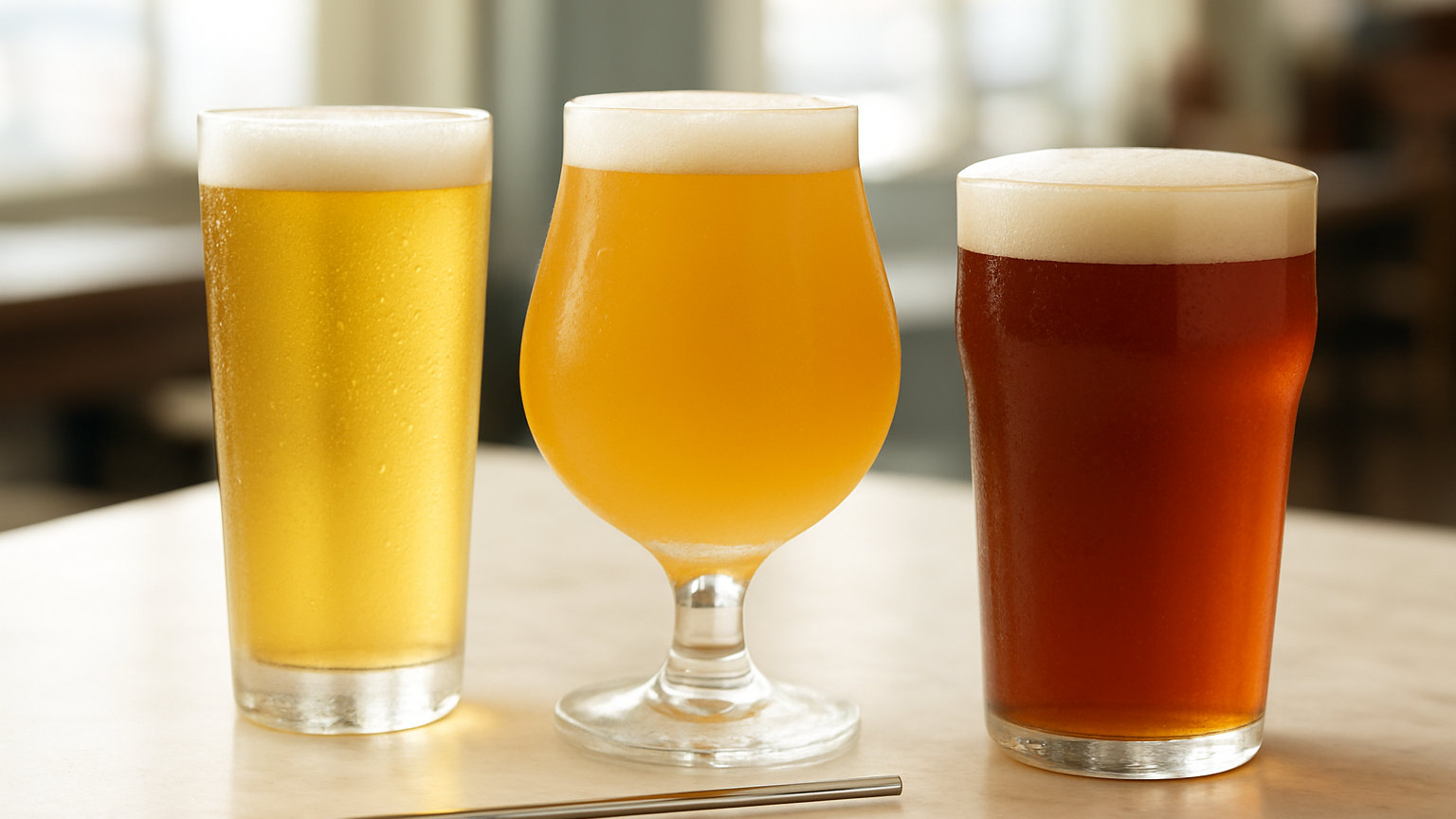
The darker, stronger and maltier the beer, the warmer it should be. The paler, lighter and more carbonated, the colder.
The one exception is nitrogen-dispensed stout, served around six degrees because the appeal is texture rather than aroma, and the style is built for it.
Getting there
A domestic fridge runs at about four degrees, which is right for a mass market lager and too cold for nearly everything else.
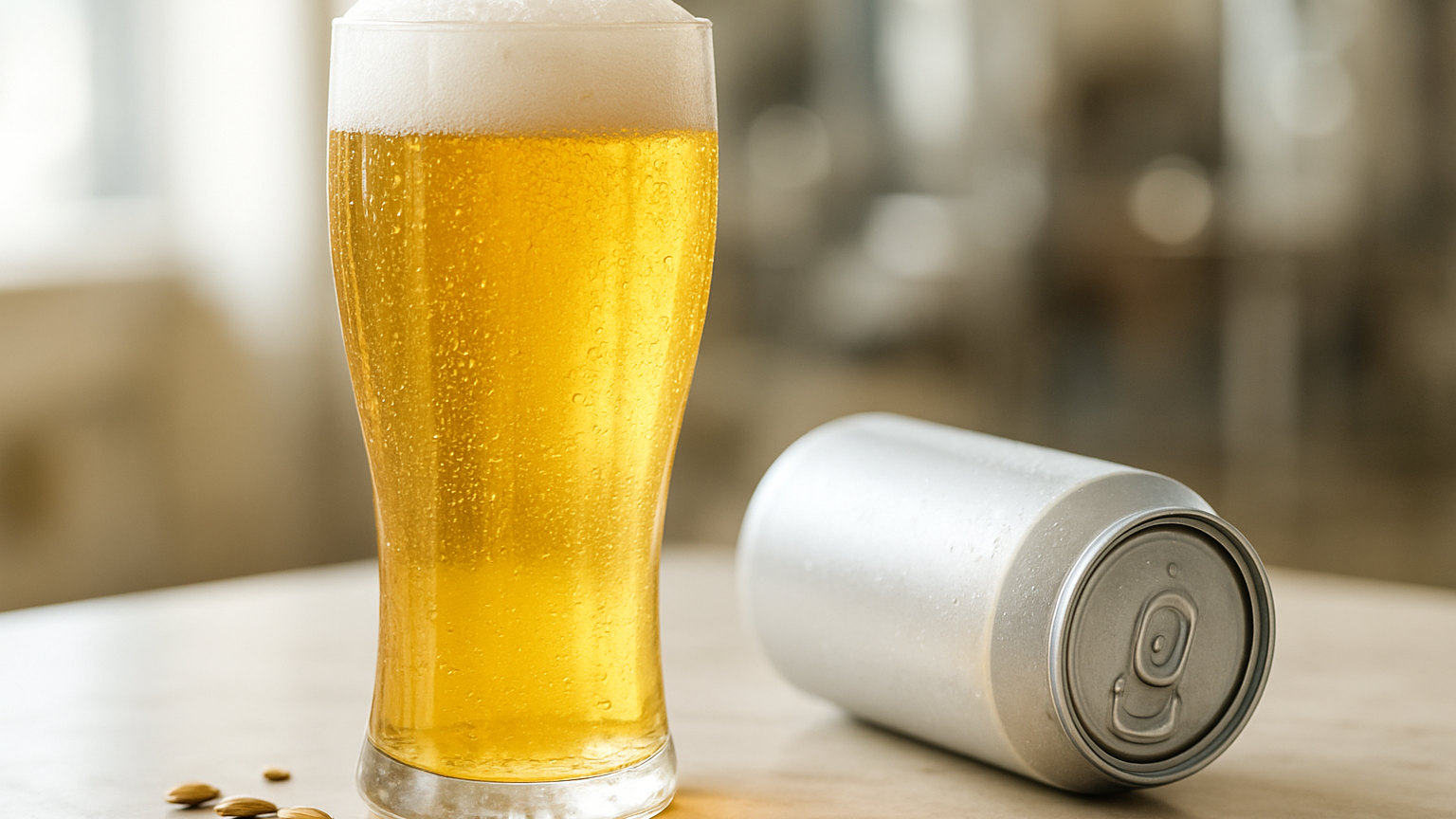
The practical instruction is to take the can or bottle out ten to twenty minutes before opening it. That moves a beer from four degrees into the seven to ten range with no equipment at all.
For dark and strong beer, a cool cupboard is a better home than the fridge, with a short spell of chilling only if the room is warm.
To chill quickly, ice and water in a bucket is far faster than ice alone, since water contacts the whole surface. Twenty minutes will do it. The freezer works in about twenty five minutes and needs a timer, since a forgotten can will freeze and split.
What happens in the glass
Beer warms as you drink it, and a pint poured at eight degrees may be at fourteen by the end in a warm room.
For a beer with something to say, that is worth paying attention to rather than resisting, since it will show different things at different points. For a beer that depends on being cold, it is an argument for smaller measures more often, which is the reasoning behind the small glasses used for kölsch.
Holding a glass by the stem or the base rather than the bowl genuinely slows the process and is not merely etiquette.
The test
Pour half a can straight from the fridge and leave the rest for fifteen minutes before pouring the remainder.
Smell and taste them together. In any beer with hop or malt aroma the difference is substantial, and most people who try it once stop treating the fridge as the default position for everything they own.
Storage versus serving
The two are separate decisions and are frequently confused. Beer intended to be kept for months is best stored cool and dark, somewhere around ten to fifteen degrees, which is a cupboard rather than a fridge.
Hoppy beer is the exception, since refrigeration slows the loss of aroma considerably and those beers should be drunk soon anyway.
Serving temperature is then adjusted from wherever the beer has been stored, by chilling briefly or by letting it stand. Treating the fridge as both the storage and the serving answer is what leads to dark beers being served at four degrees.