Why Does the North Pour Beer Differently?
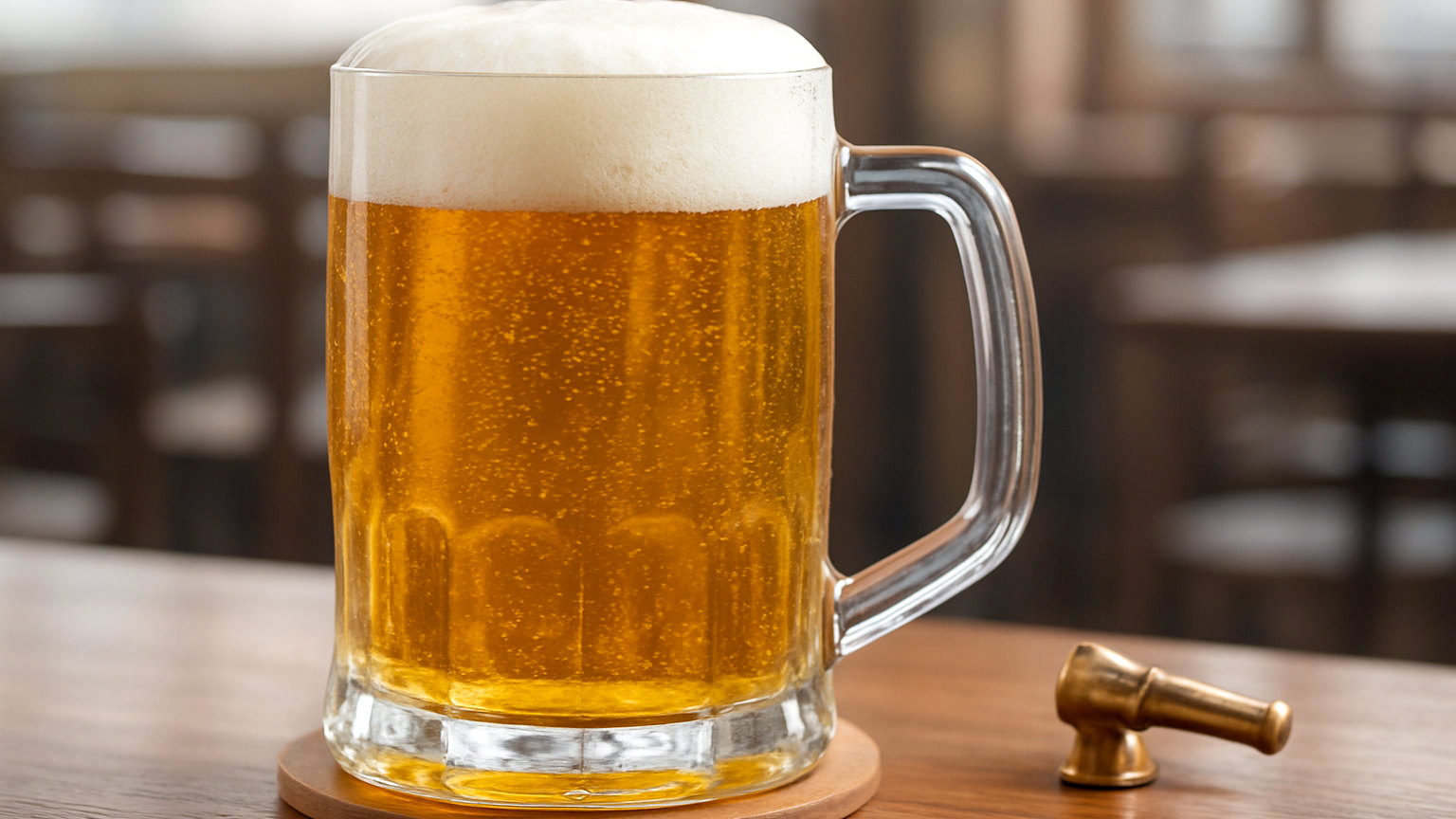
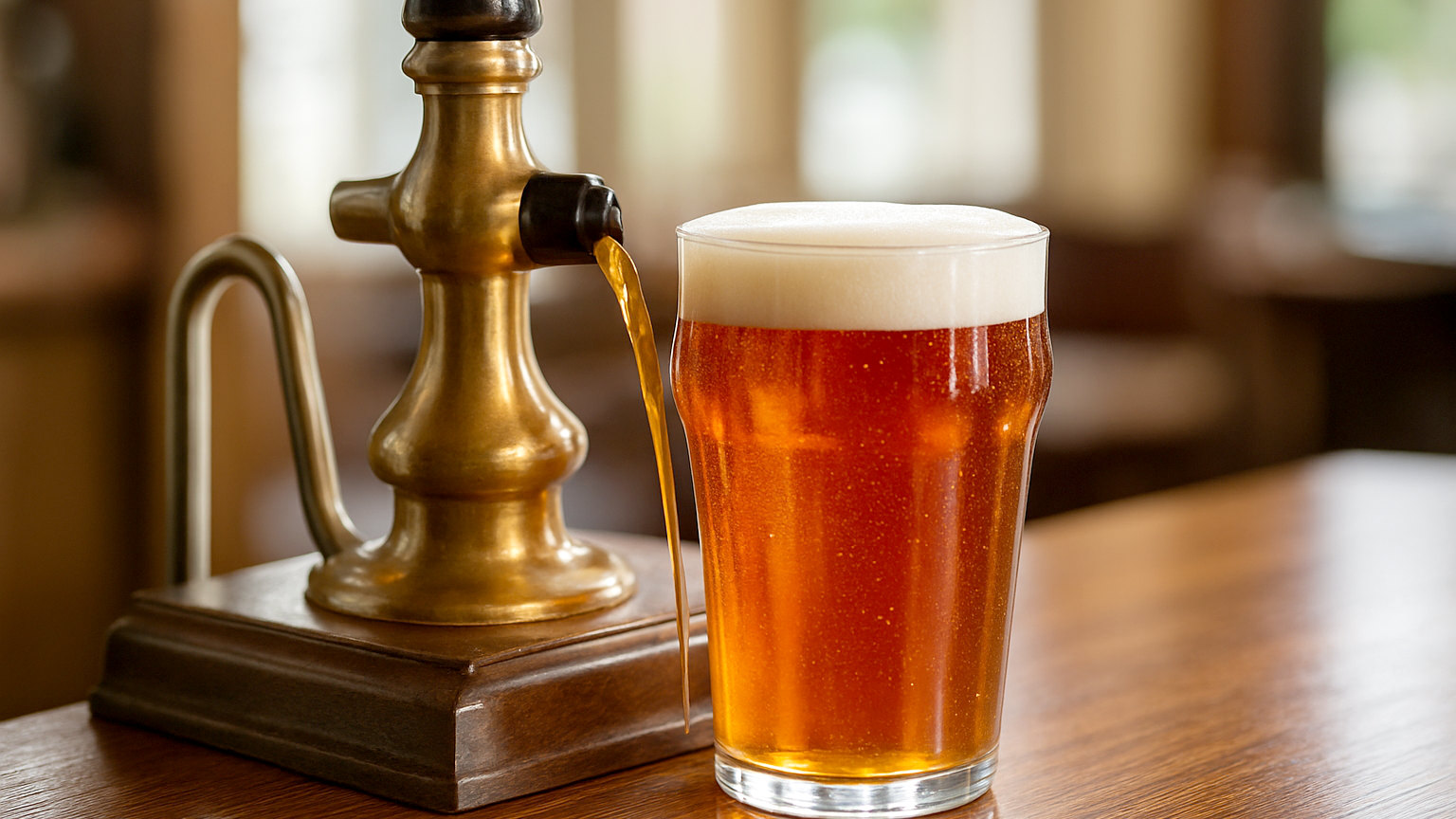
A small plastic nozzle on the end of a handpump divides British beer geographically, and it genuinely changes the beer rather than merely its appearance.
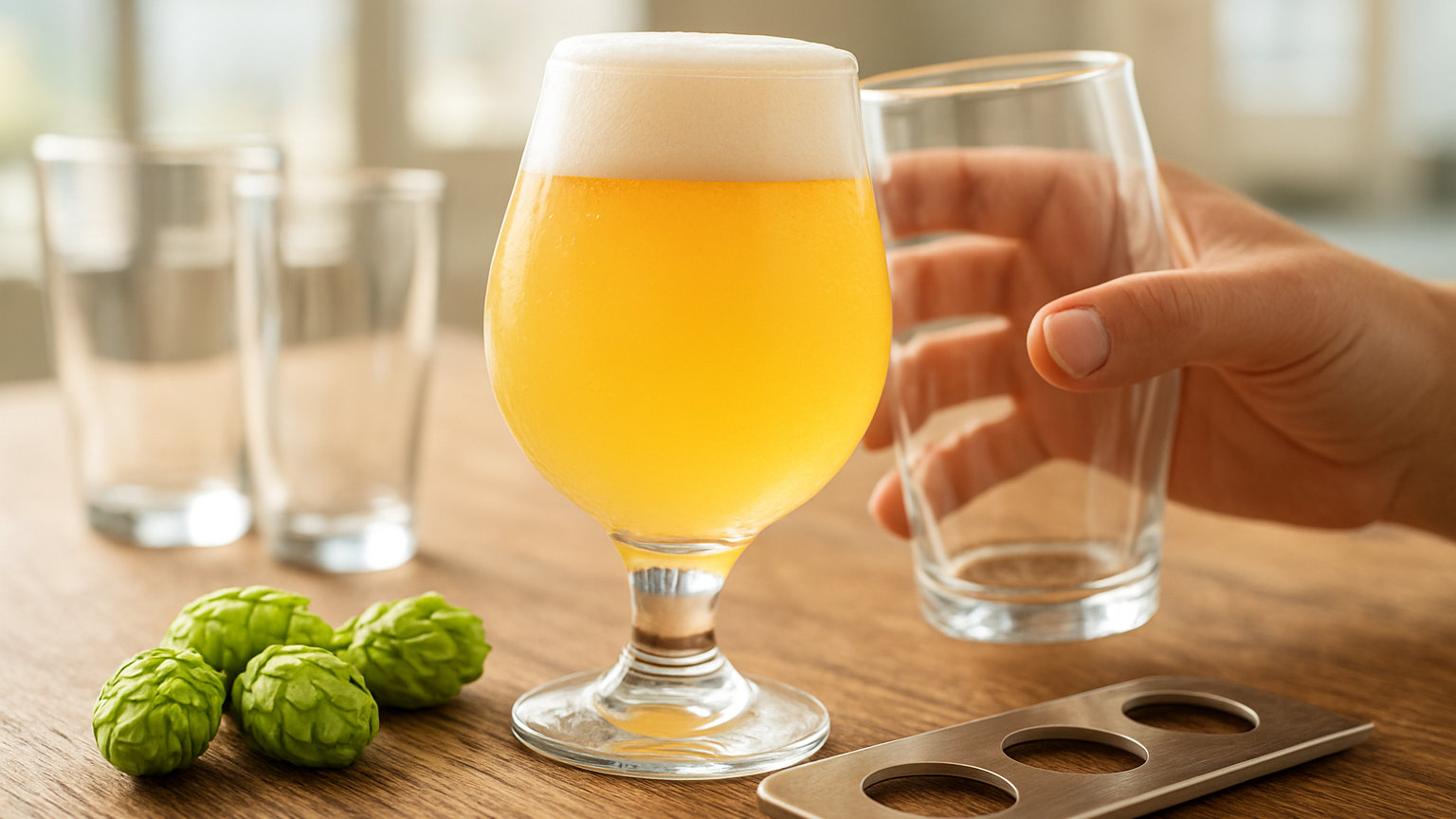
Beer went from a handful of styles to hundreds in about a decade, and the labels stopped being much help. These guides explain what actually defines each style, what hops and malt are doing, and how to work out what you like without buying forty cans to find out.
A small plastic nozzle on the end of a handpump divides British beer geographically, and it genuinely changes the beer rather than merely its appearance.
Czech brewing kept techniques that most of the world abandoned as inefficient, and the beer is fuller and softer as a result. The serving culture is unlike anywhere else.
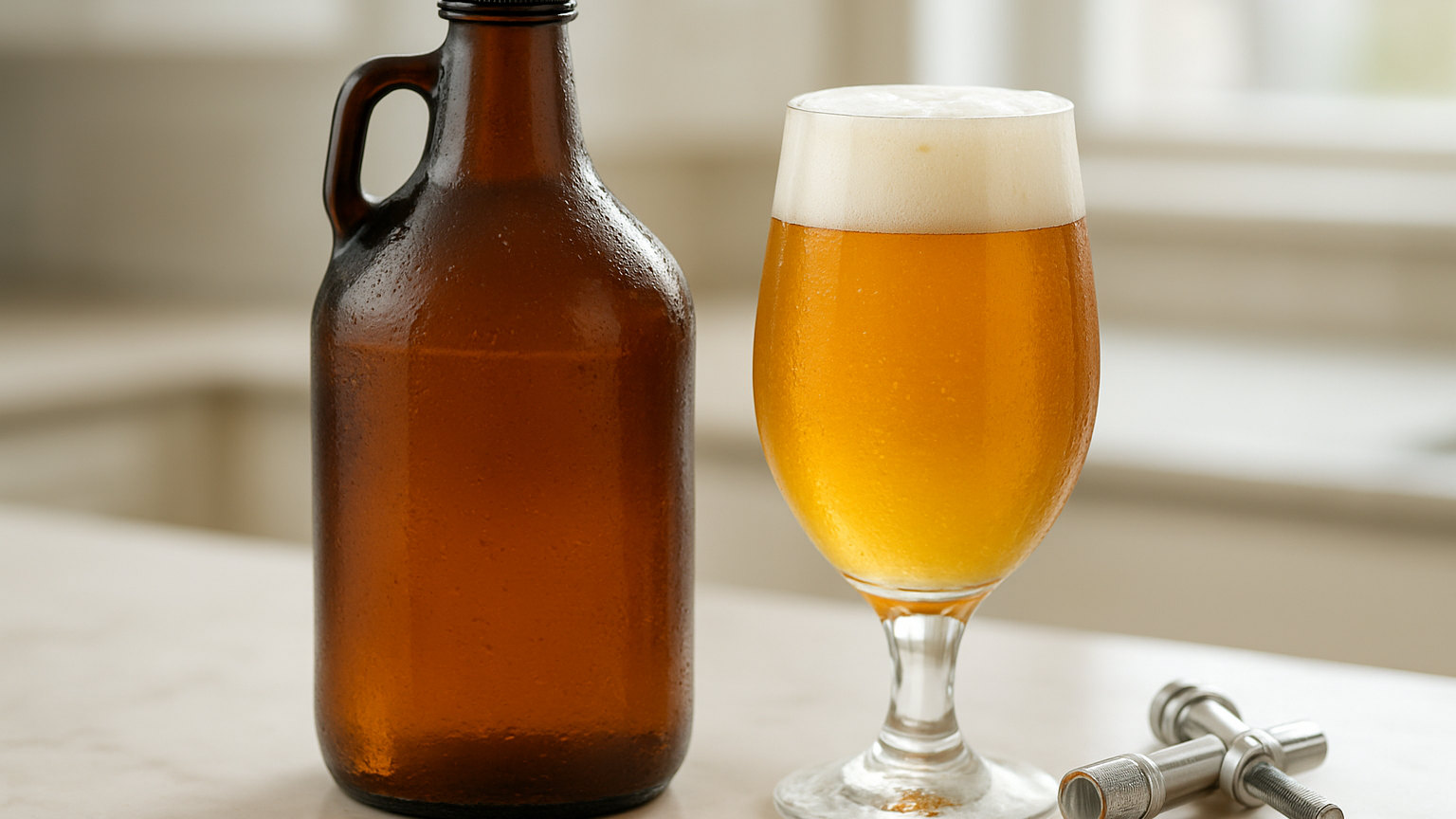
A refillable container of draught beer to take home sounds ideal and comes with a serious constraint: once filled, the clock runs in hours rather than days.
Brewery numbers rose for two decades and have started falling, and the pressures behind that are structural rather than a sign that people stopped wanting good beer.
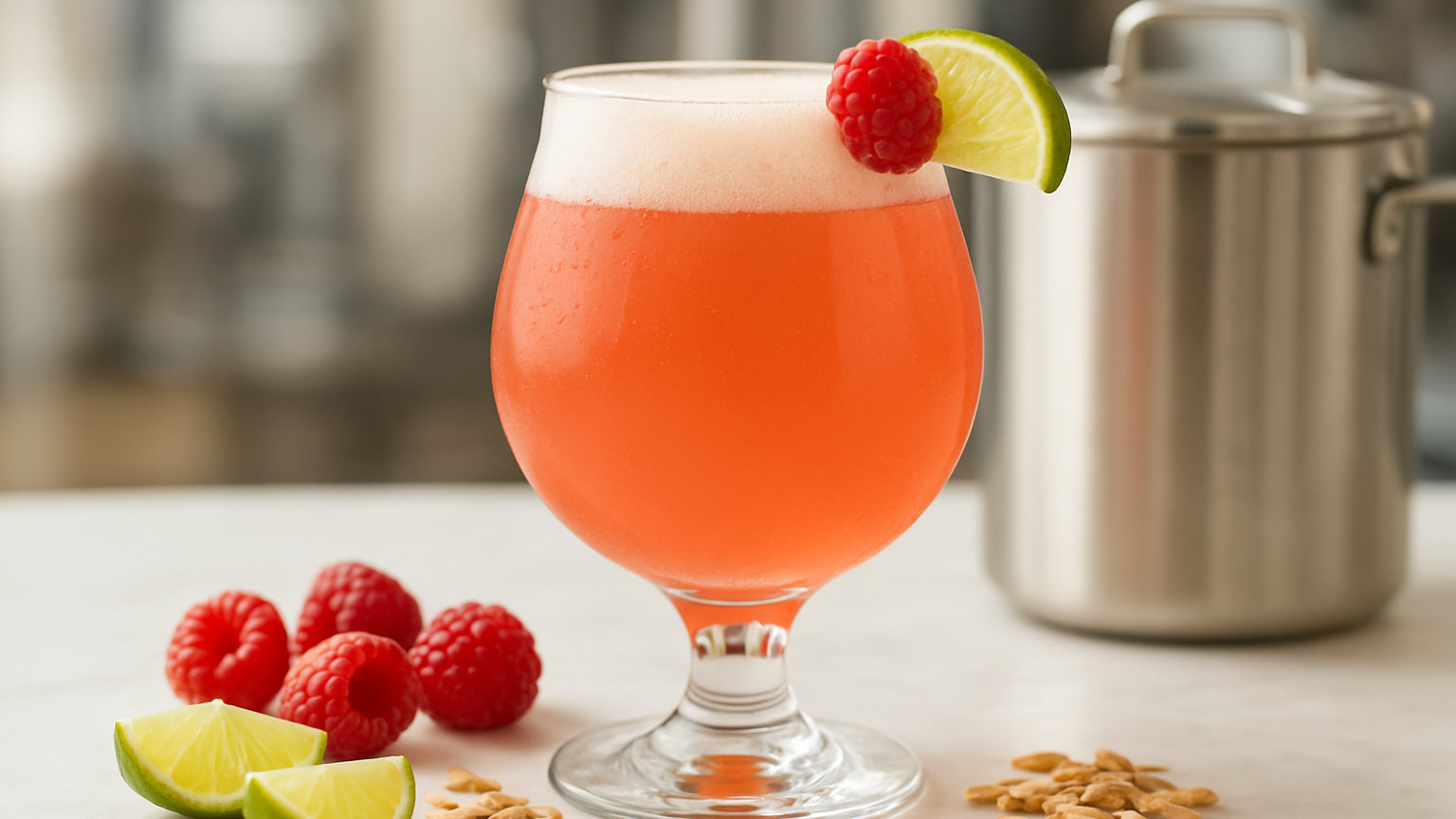
Kettle souring makes a sour beer in days rather than years, and it is responsible for almost every fruited sour on a modern shelf. Whether that is a shortcut depends on what you expected.
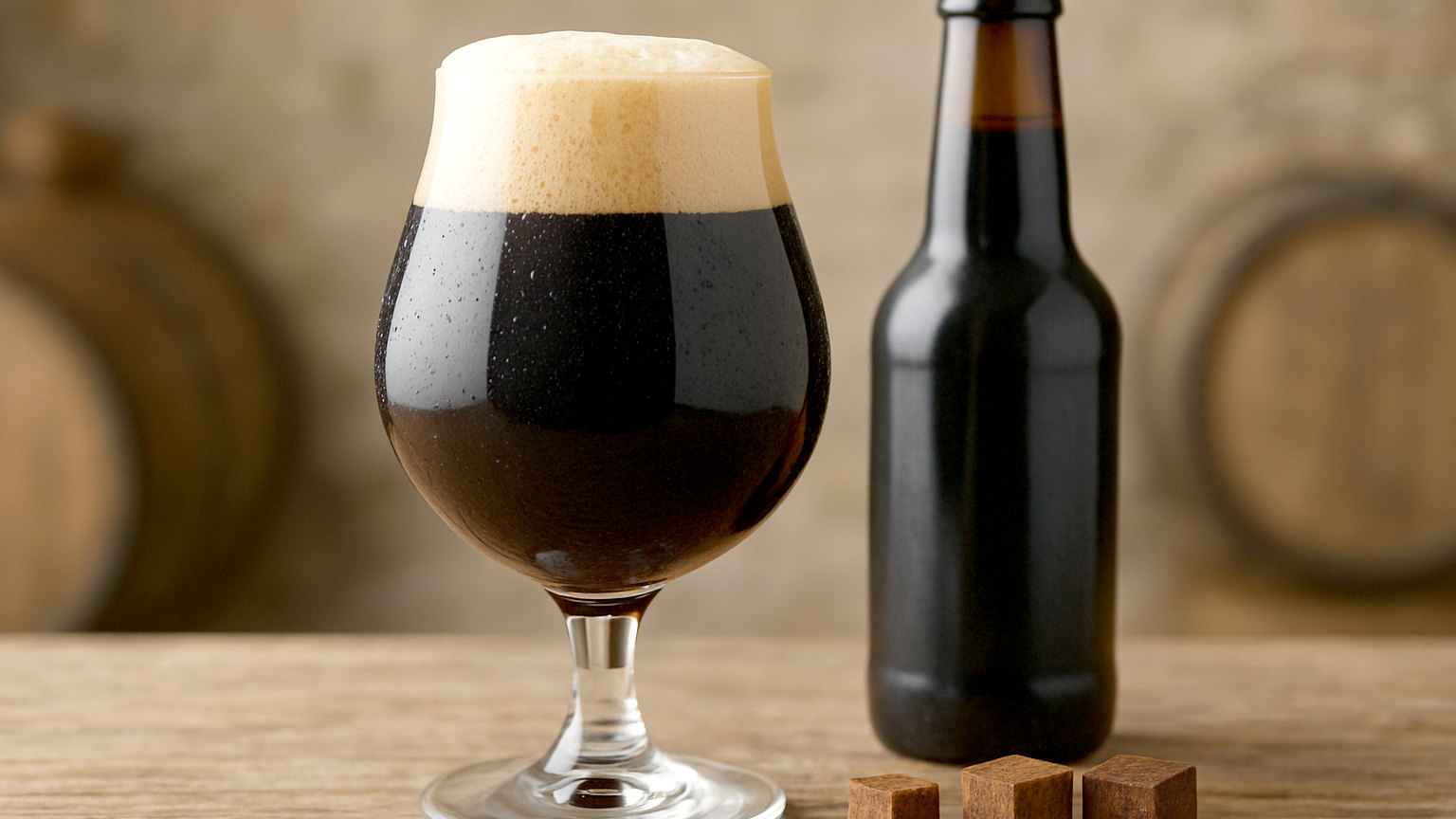
Most beer should be drunk fresh and strong dark beer is the exception. Imperial stout is the closest thing brewing has to a wine you can cellar.
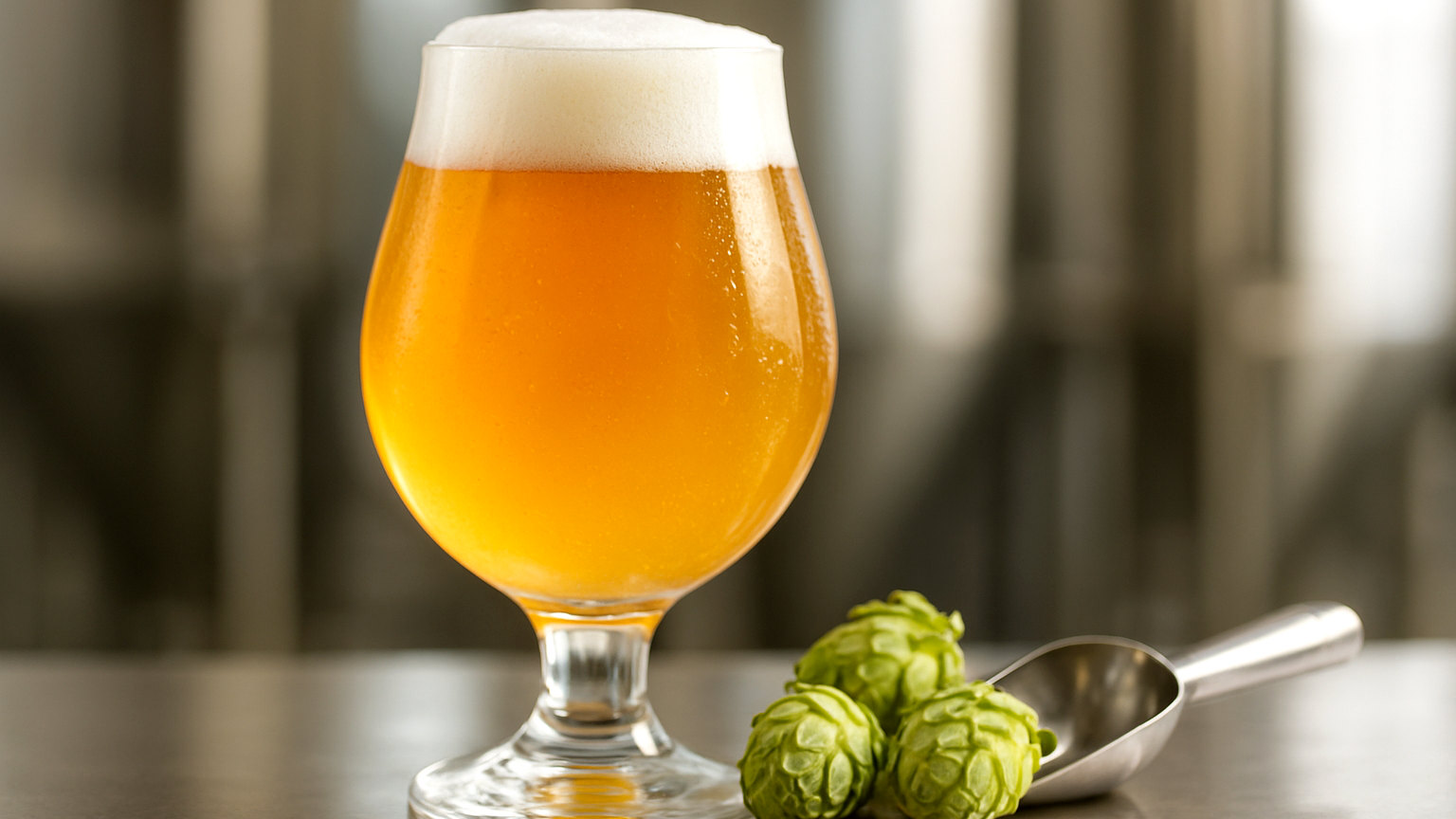
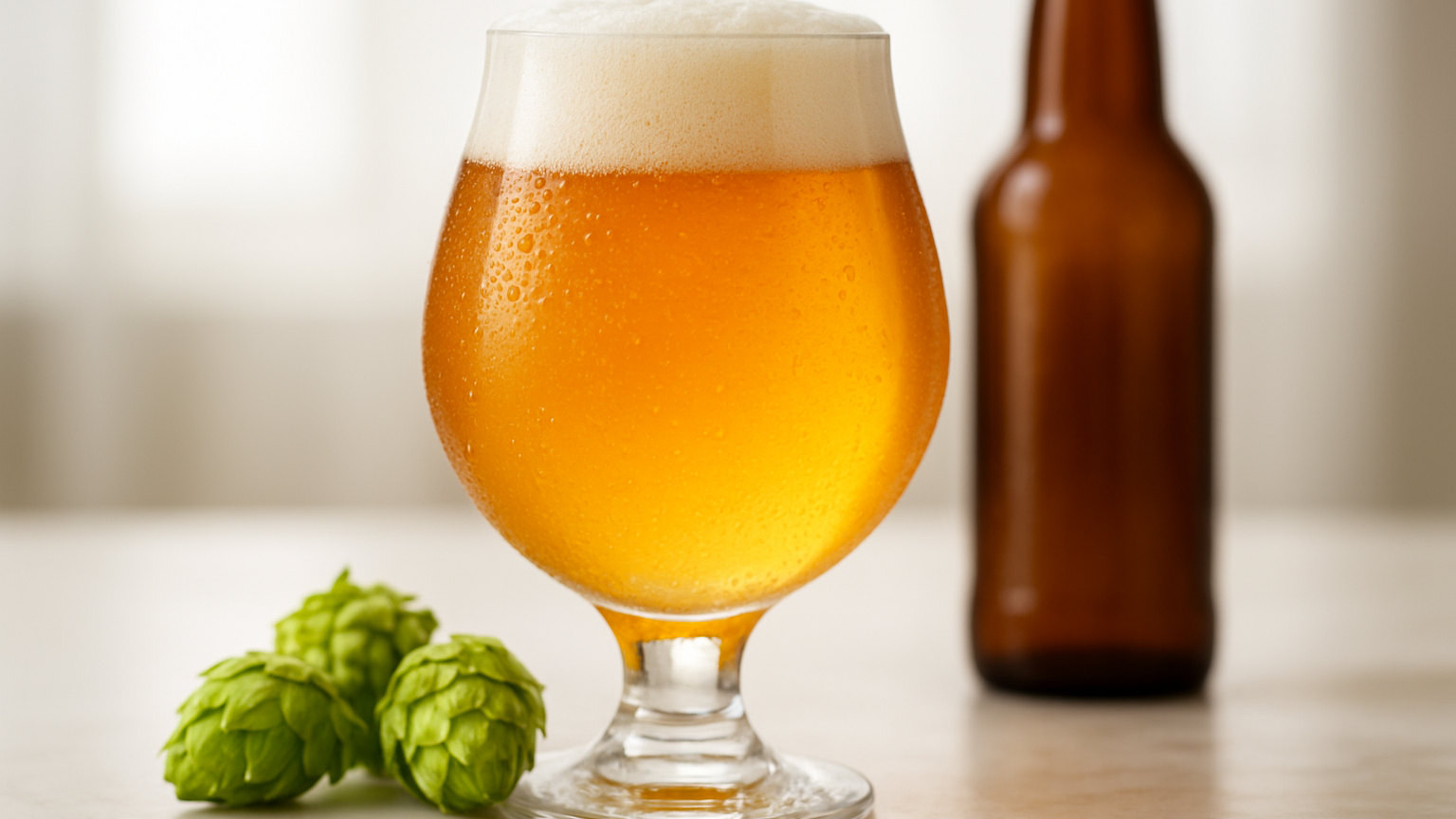
The compounds that make a modern IPA worth drinking are among the least stable in brewing, and a beer three months old has lost most of what the brewery spent its money on.
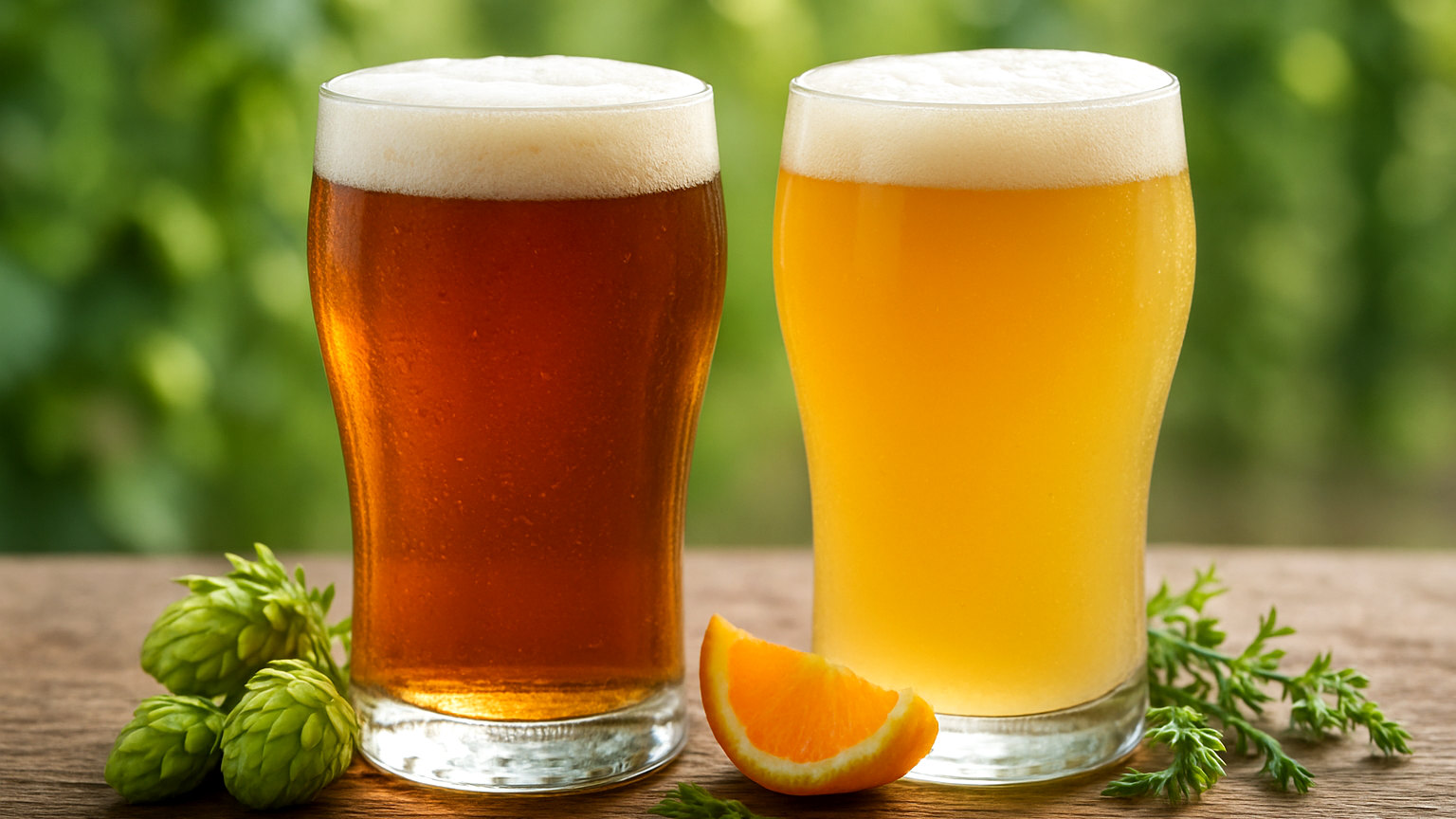
English hop varieties smell of earth, marmalade and hedgerow rather than grapefruit and pine, and the difference is genetic rather than a matter of technique.
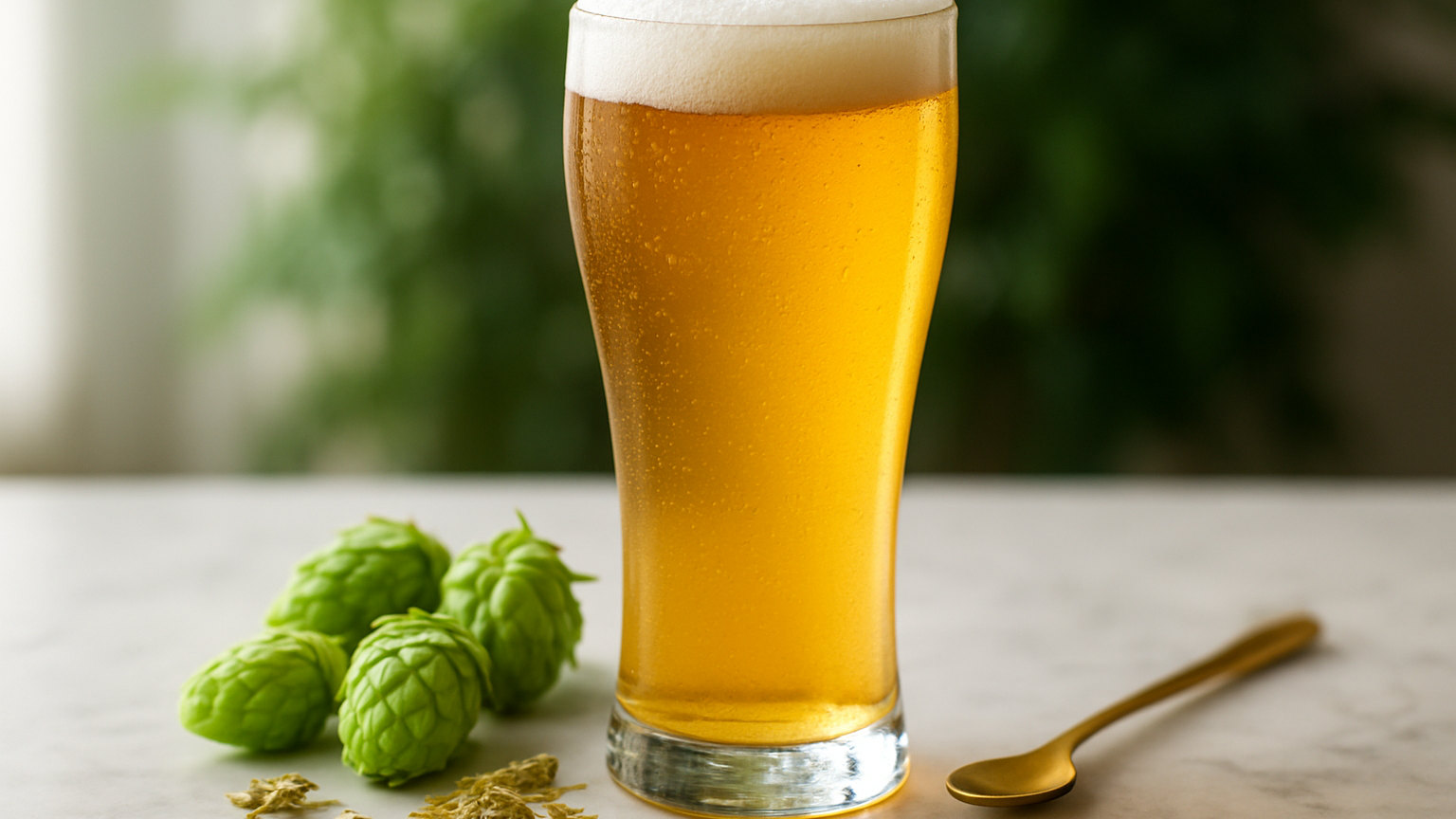
Hops in lager work differently from hops in an IPA, contributing balance and a spicy, herbal aroma rather than dominating. The varieties used are a small and traditional group.
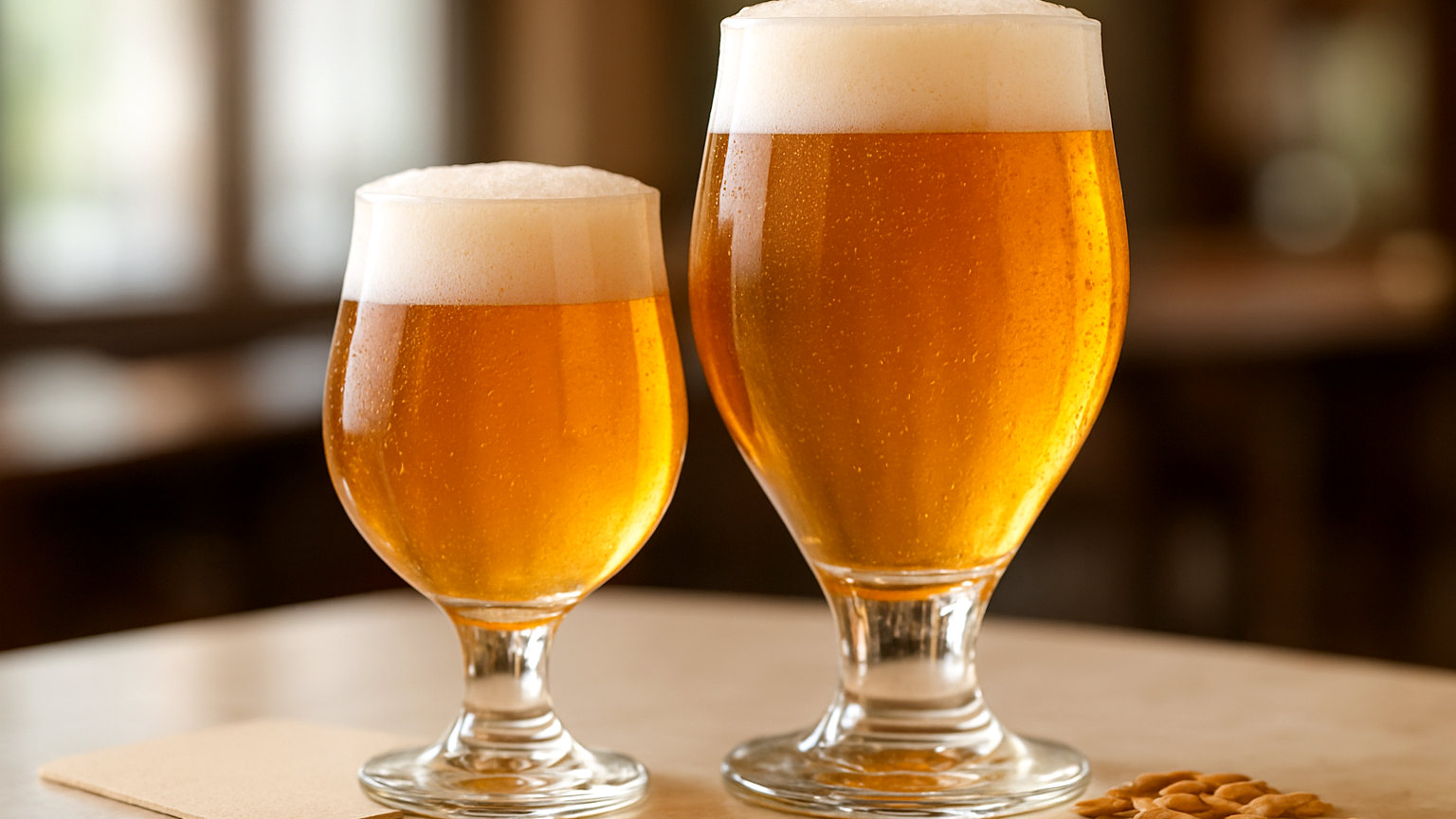
Smaller measures are treated by some drinkers as a retreat from proper beer drinking, and they solve two real problems that the pint does not.
Two breweries brewing together has become standard practice, and the reasons are a mixture of genuine exchange, marketing and access to markets neither could reach alone.
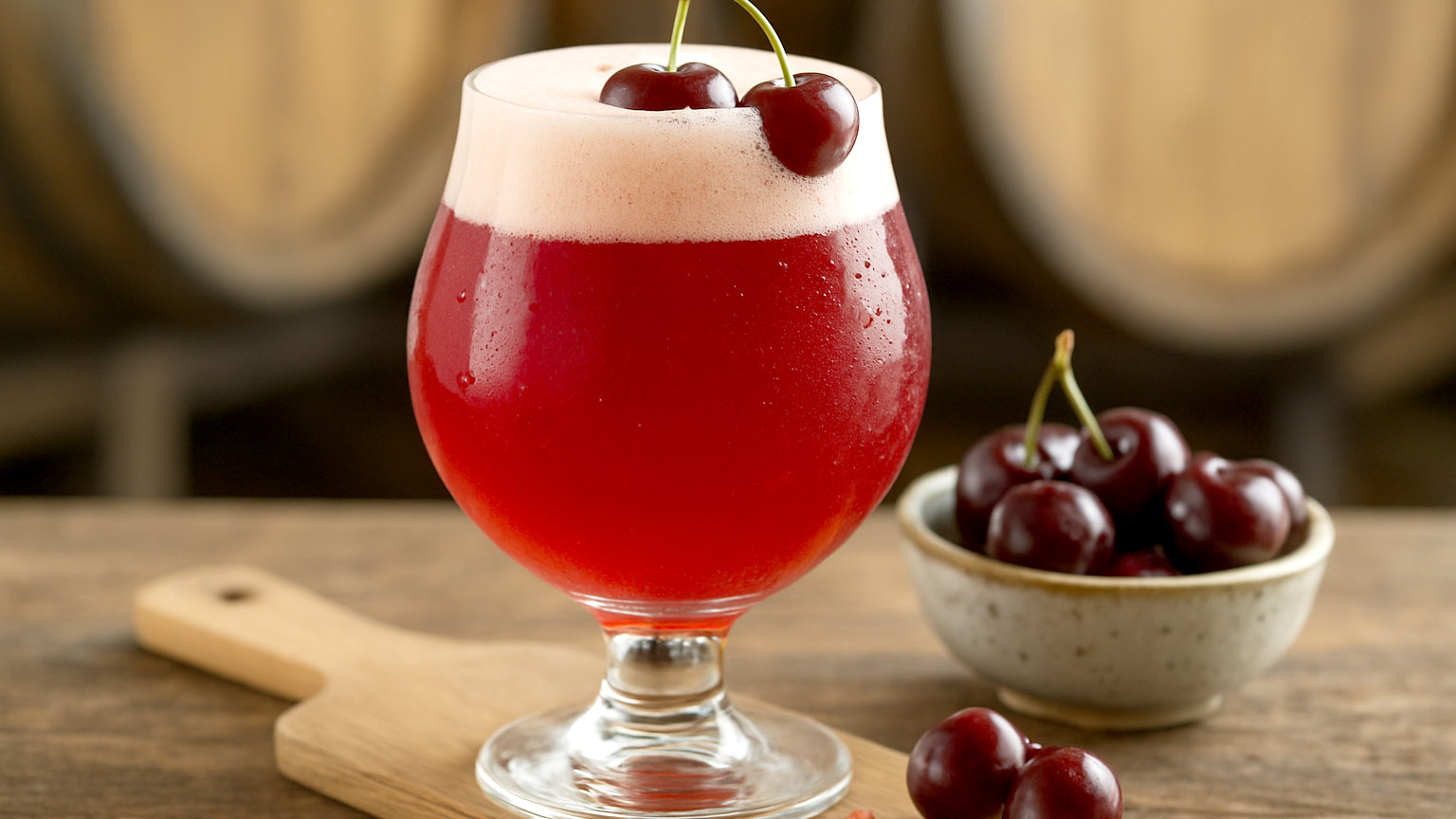
Traditional fruit lambic is made by macerating whole fruit in beer for months until the sugar is entirely fermented. Most fruit beer on a supermarket shelf is made a different way.