Imperial stout sits at the top of the dark beer range, typically between eight and twelve per cent and occasionally well beyond. It is thick, intensely flavoured and slow to drink, and it is one of the very few beers that genuinely improves over years in a bottle.
Where the name comes from
London brewers exported strong stout to the Baltic and to Russia from the late eighteenth century, and the beer found favour at the Russian imperial court. The association gave the style its name, and Russian imperial stout remains a common label.
The strength served a practical purpose, since high alcohol and generous hopping helped the beer survive a long journey and a cold destination. It was also simply an expensive product for a wealthy market.
The trade declined and the style nearly disappeared, surviving in a small number of British bottlings before American craft brewers revived it enthusiastically from the 1980s onwards. Most imperial stout made today descends from that revival rather than from continuous production.
What it tastes like
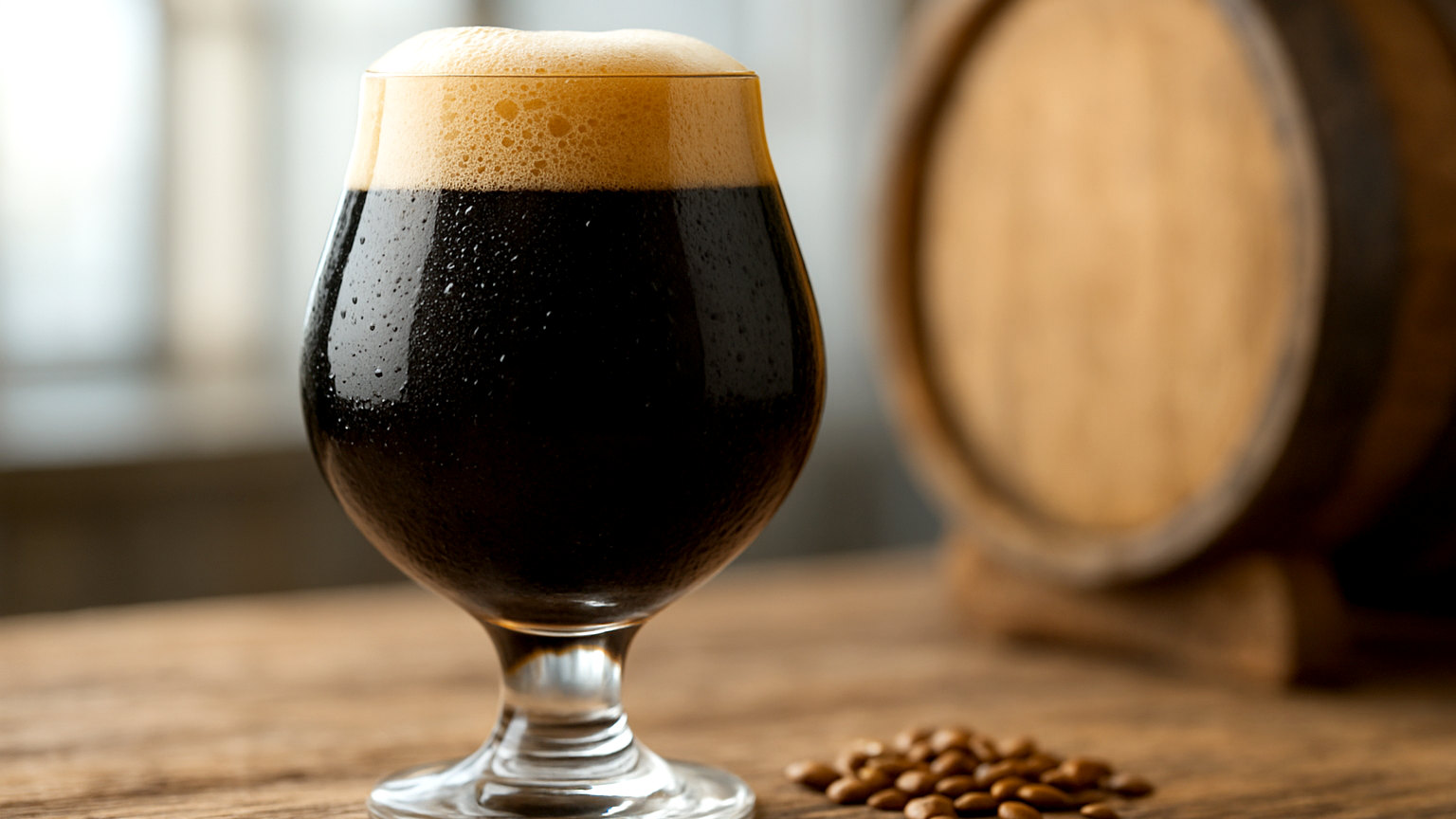
Opaque black, with a dark tan head and a viscous texture. The flavours run to dark chocolate, espresso, molasses, dried fruit, liquorice and burnt sugar, with a warming alcoholic presence that should read as warmth rather than heat.
Bitterness is substantial, from both roasted grain and hops, and it needs to be, since the malt sweetness at that gravity would otherwise be cloying.
Well made examples balance enormous intensity against drinkability, which is the technical challenge. Poor ones are hot, sweet and exhausting after a few mouthfuls.
The modern variations
Imperial stout has become the standard canvas for adjuncts, and a great many are made with additions: coffee, vanilla, cacao nibs, chilli, coconut, maple and more.
Barrel ageing is the most significant. Time in bourbon barrels adds vanilla, coconut, oak and a warming spirit character, and it has produced some of the most sought-after beers in the world. Wine, rum, port and whisky barrels are all used.
At the far end sit pastry stouts, sweetened heavily with lactose and flavoured to resemble desserts, which divide opinion sharply.
Why it ages
Alcohol, malt concentration and residual sugar together give the beer the substance to survive oxidation rather than being destroyed by it.
Over a few years, the harsher roast edges soften, hop bitterness fades, and oxidation develops sherry, dried fruit, leather and port-like notes. A five year old imperial stout is recognisably a different beer from a fresh one, and frequently a better one.
Bottle-conditioned examples with live yeast develop most interestingly, since the yeast slowly consumes oxygen.
The practical approach is to buy two, drink one now and keep the other somewhere cool and dark for two to five years. Vertical tastings, comparing several years of the same beer, are one of the more rewarding things a beer drinker can arrange.
How to serve it
Warmer than most beer, around twelve to fourteen degrees, since cold suppresses the complexity and accentuates the alcohol. A beer taken straight from the fridge will show a fraction of what it has.
Pour a small measure into a glass with a bowl, ideally a third of a pint or less. A full pint at eleven per cent contains roughly six units, and these beers are not designed for volume drinking.
Share a large bottle rather than working through it alone, which is how the format was intended to be used.
What to eat with it
Chocolate desserts are the obvious match and work extremely well, since the roast character echoes the cocoa. Blue cheese is excellent, as is anything involving coffee.
Rich meat dishes, particularly beef, venison and oxtail, also suit it, though the strength means a small glass alongside rather than a pint with the meal.
It is also one of the very few beers that stands up to a strong cheeseboard as effectively as a fortified wine does, which is a reasonable argument for having a bottle in the house at Christmas.