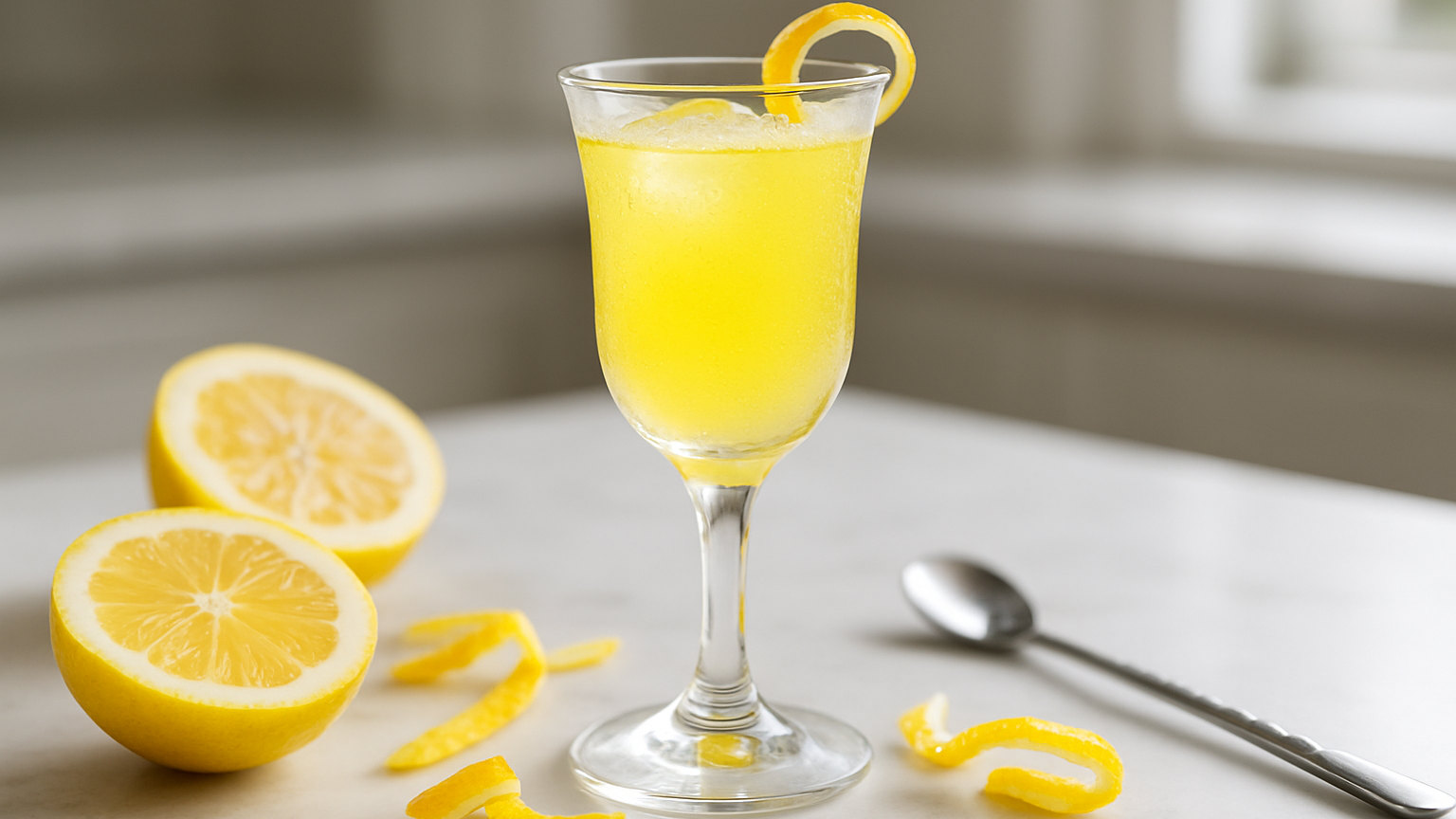
What Is Limoncello, and How Is It Served?
Lemon peel, spirit and sugar, with no juice involved at all. It is one of the simplest liqueurs to make and one of the easiest to serve badly.
By Simply Alcohol Team
6 Aug 2026

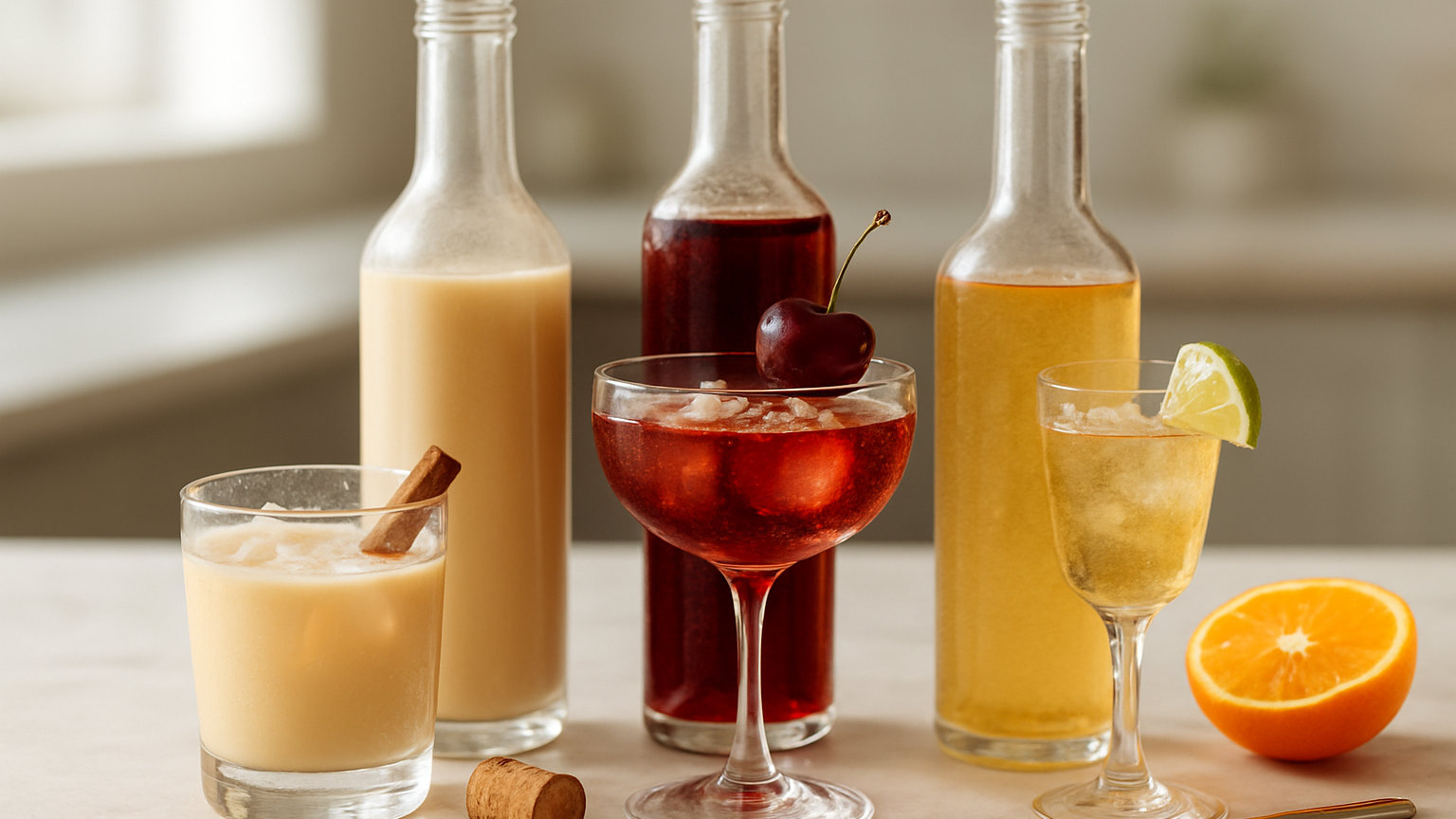
Vermouth, amaro, triple sec, cream liqueurs - the bottles that make cocktails work, and how long they keep.
Lemon peel, spirit and sugar, with no juice involved at all. It is one of the simplest liqueurs to make and one of the easiest to serve badly.
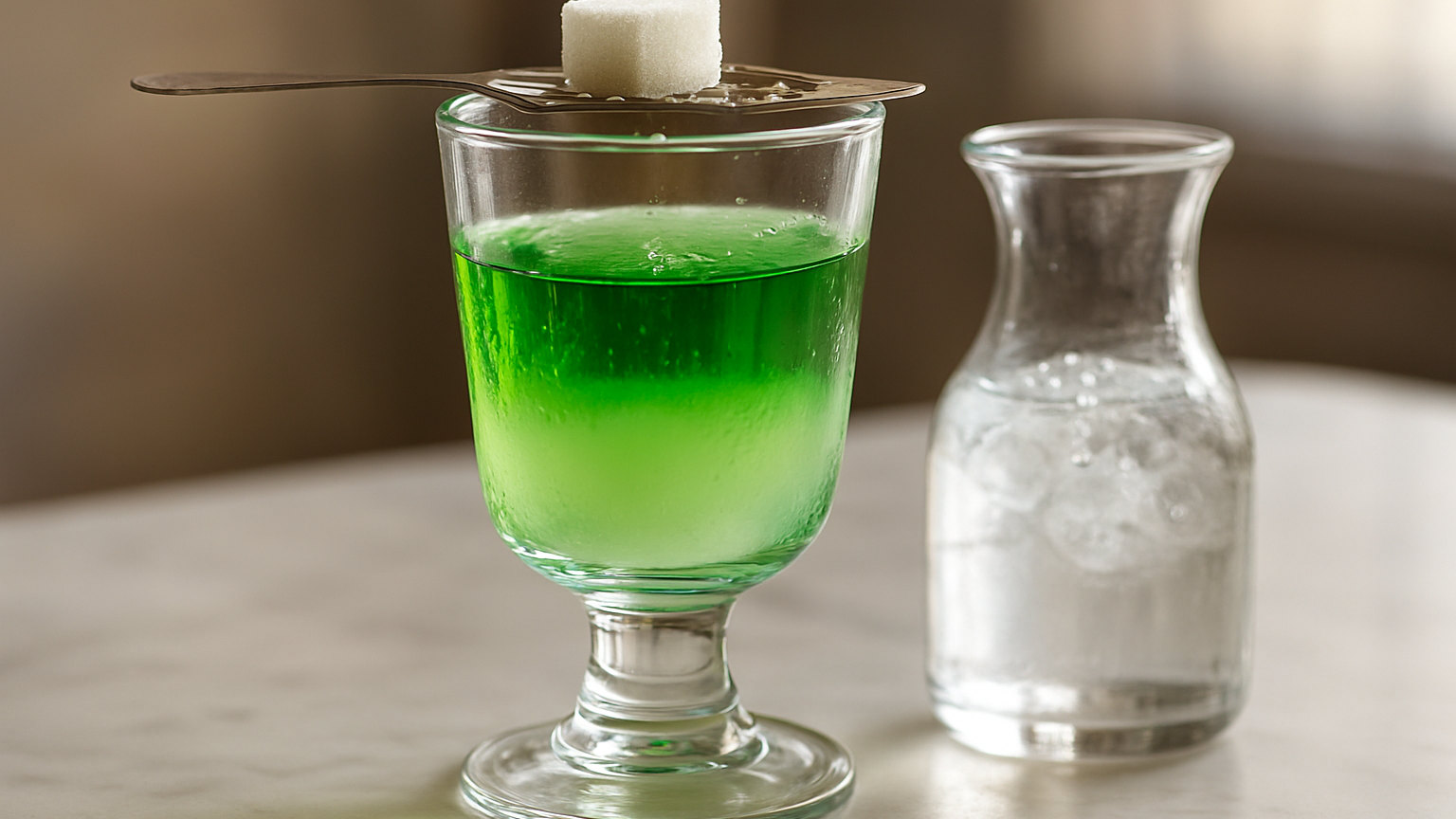
Absinthe was banned across much of the world for most of the twentieth century, on the basis of claims that have not survived scrutiny. It is a strong anise spirit, and nothing more exotic.
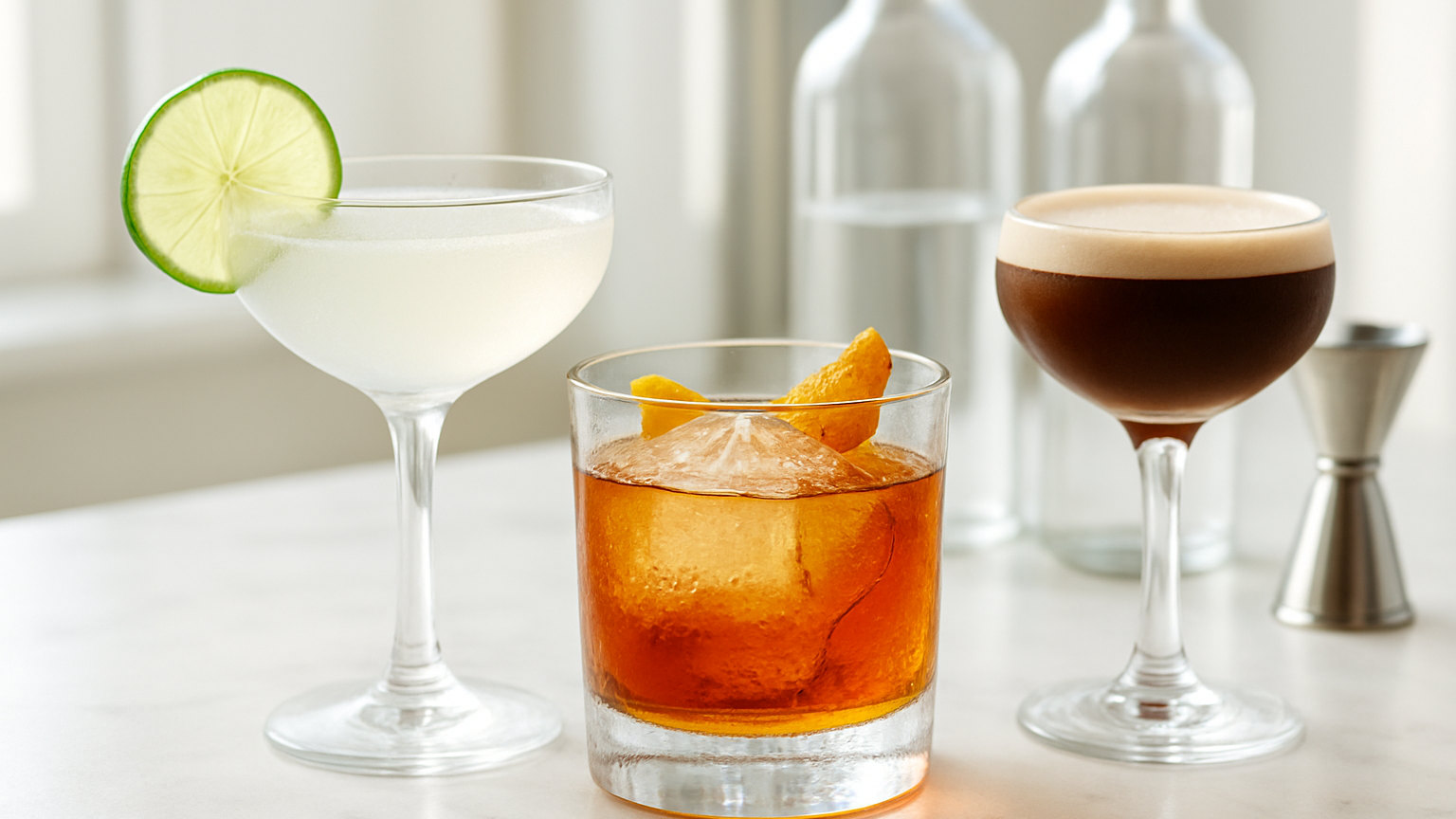
A small number of modifiers unlock a disproportionate number of classic drinks. Buying in the right order avoids a cupboard full of bottles used once.
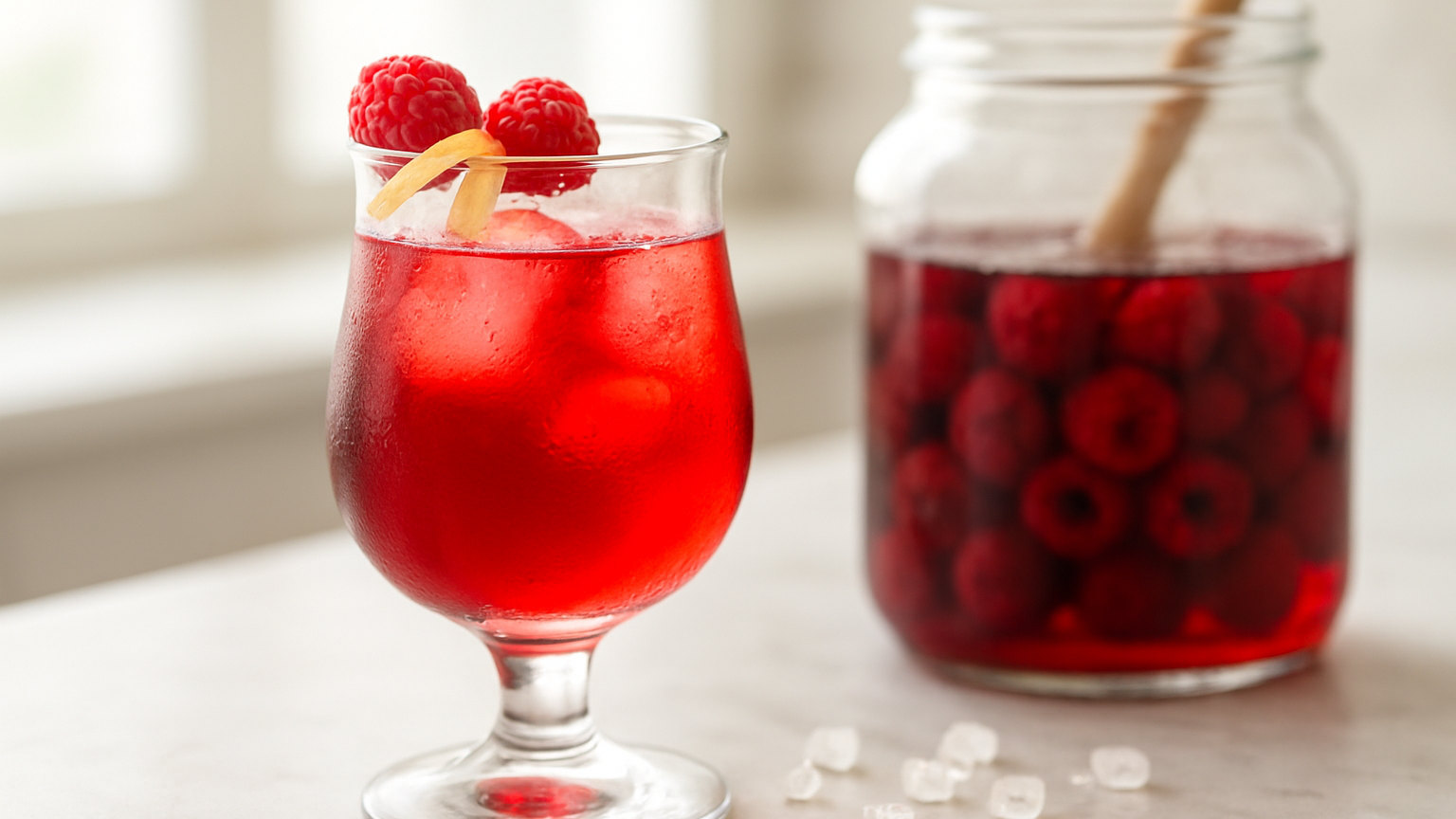
Infusing a spirit and adding sugar is straightforward, needs no equipment and produces results that beat many commercial bottles. The pitfalls are few and easy to avoid.
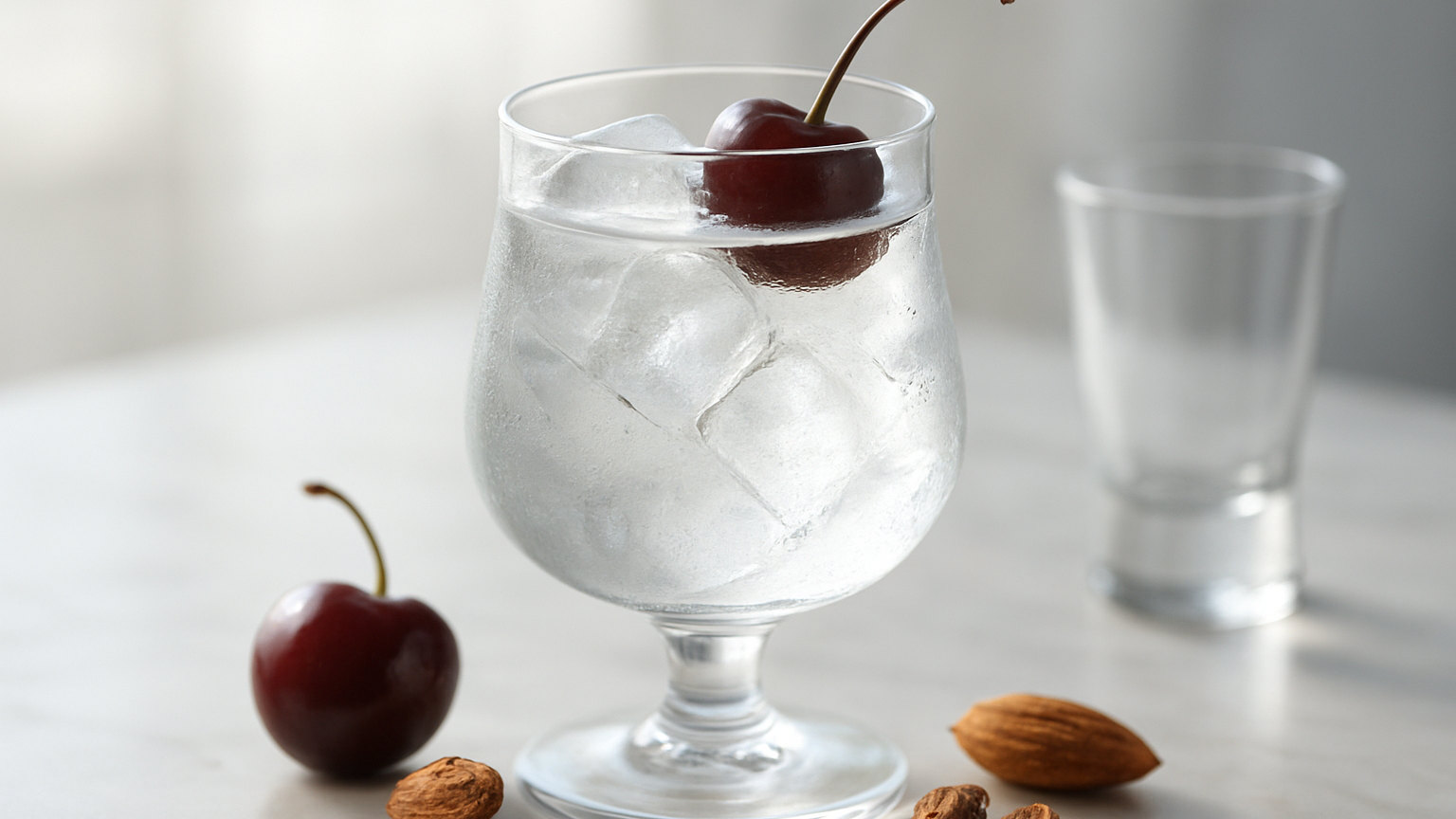
A clear cherry liqueur that tastes more of almond and funk than of cherry, and has almost nothing to do with the bright red cocktail cherries sharing its name.
Mixing dairy and alcohol should curdle, and the fact that it does not is down to homogenisation and emulsifiers. That also explains the shorter shelf life.
Creme on a liqueur bottle means high sugar, not dairy. The distinction matters because these are among the sweetest things you can put in a drink.
Concentrated aromatic extracts used in drops rather than measures. They are the seasoning of the bar, and the cheapest way to improve almost any drink.
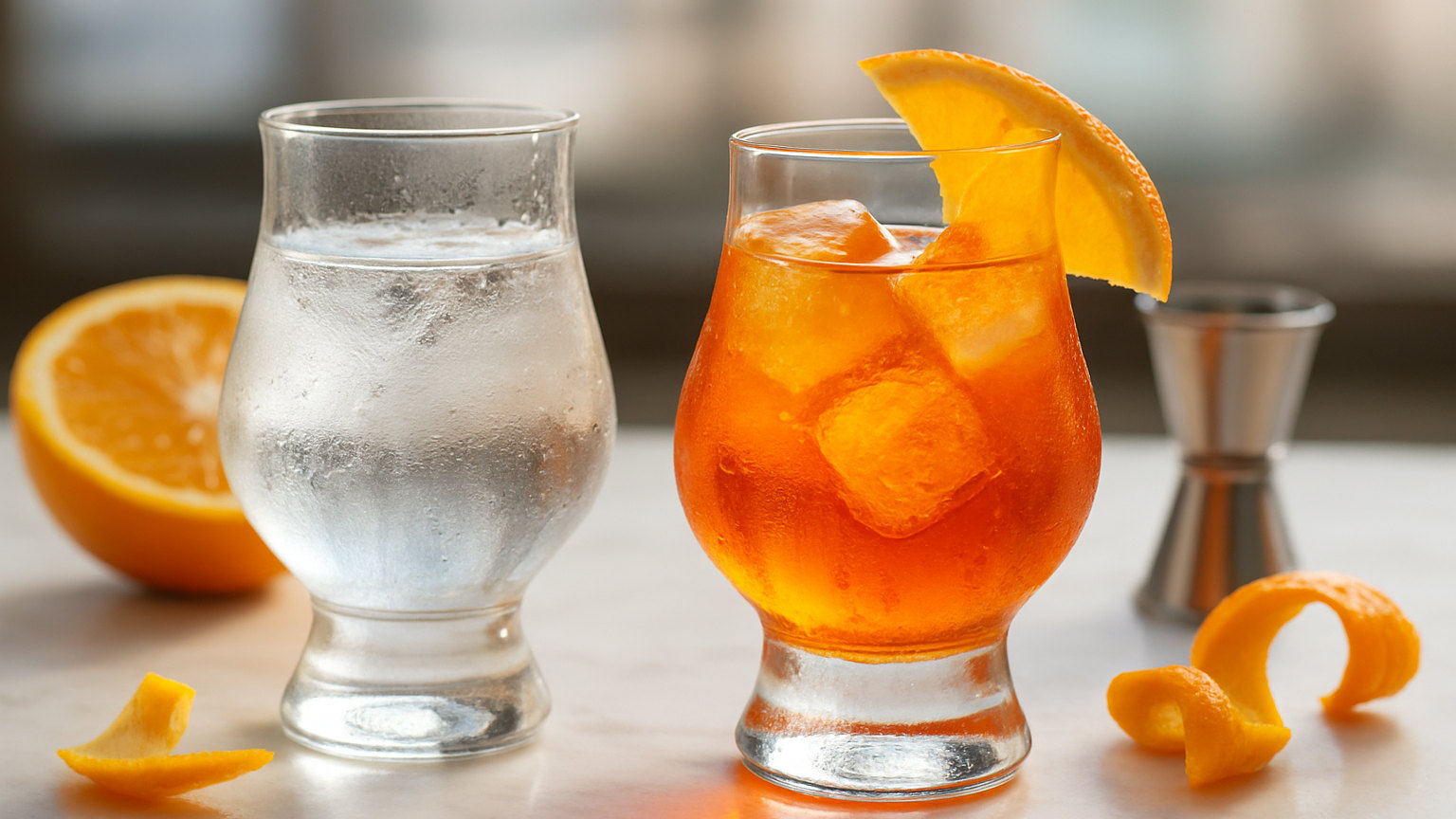
An aperitivo is a drink before a meal, a category of bottle, and an Italian social ritual all at once. The drinks are low in strength and built around bitterness.
Sugar and alcohol both preserve, so most liqueurs last for years. The exceptions are the ones that matter: cream, wine based bottles and anything low in alcohol.
Orange liqueur appears in more classic cocktails than any other modifier, and the names on the bottles overlap confusingly. The differences are real and affect your drinks.
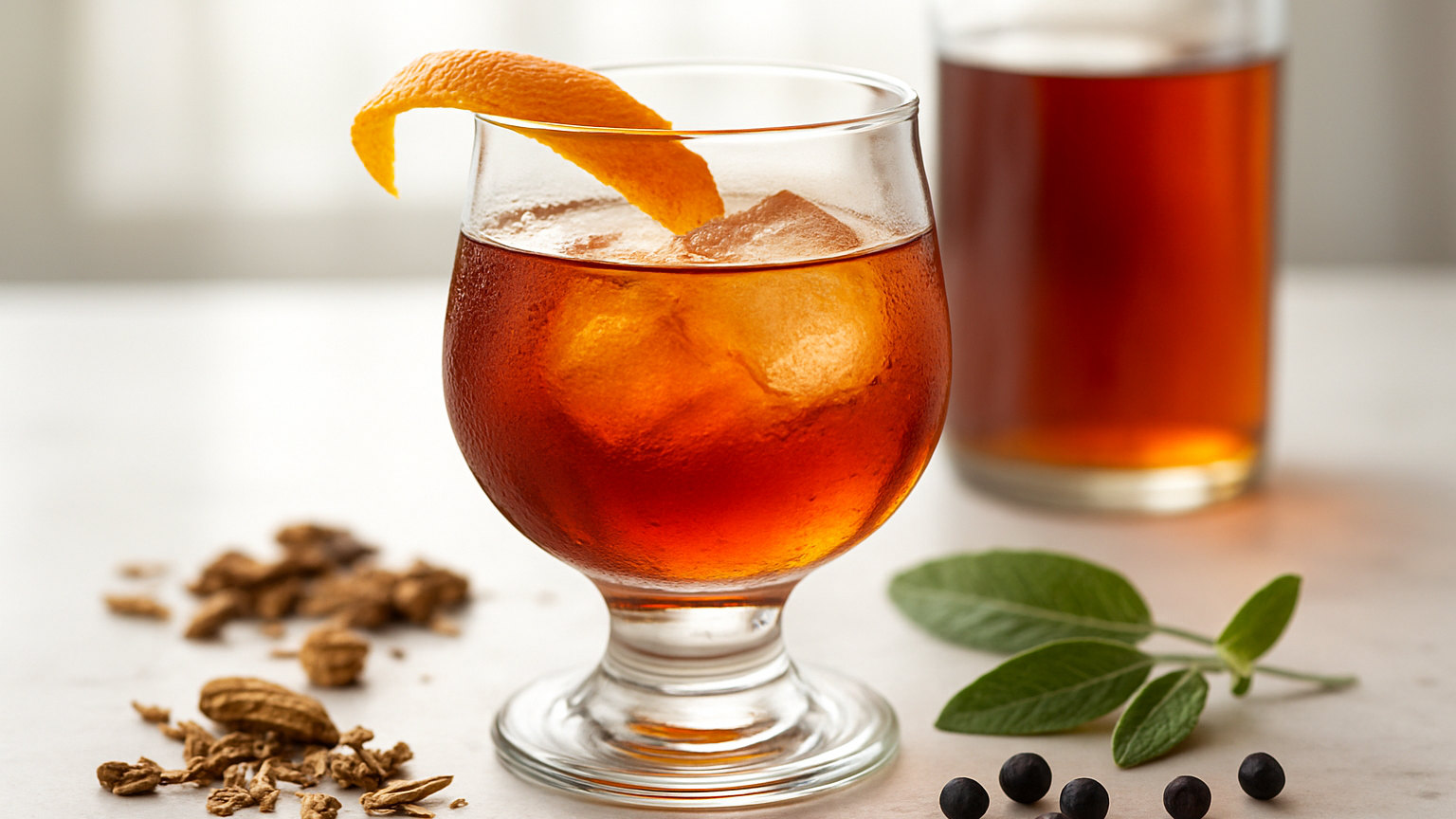
Italian bitter liqueurs made from herbs, roots and bark. The bitterness is the point, it comes from specific plants, and the category is far wider than its reputation.