Twenty years ago a brewery was a place that made beer and sent it elsewhere. Today a great many of them have a bar attached, open at weekends and often through the week, and for a substantial number of small producers that bar is what keeps the business viable.
The economics
Consider what happens to a can sold through the normal chain. The brewery sells to a wholesaler at a discount, the wholesaler sells to a retailer at a markup, and the retailer sells to you at a further markup. The brewery receives a fraction of what you pay.
Sell the same can at the brewery door and the brewery receives the whole retail price. The margin difference is not marginal; it can be several times.
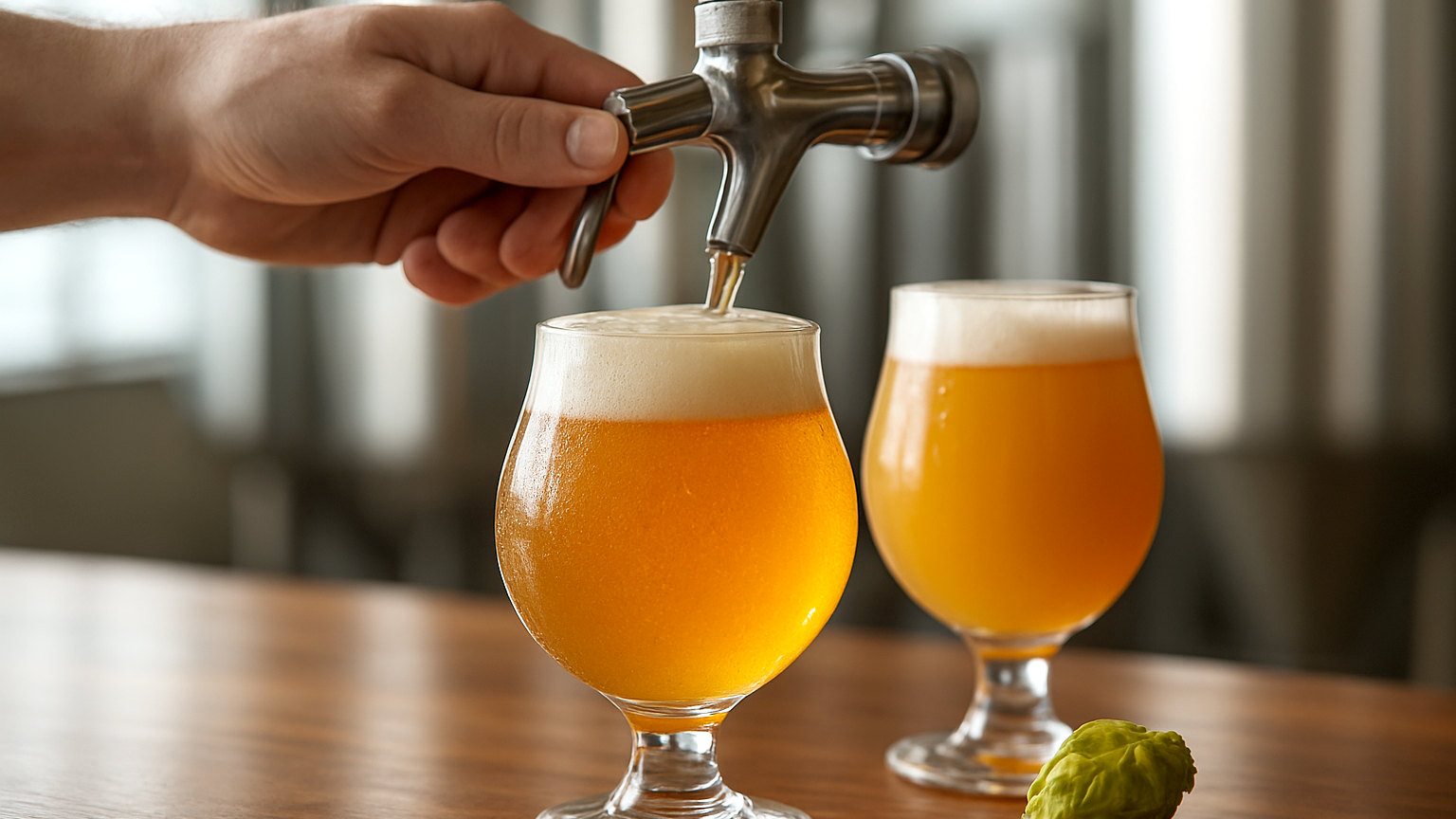
Draught sales in a taproom are better still, since a keg sold by the glass at bar prices produces considerably more revenue than the same keg sold to a pub.
Cash flow matters as well. Trade customers pay on terms, sometimes slowly. Taproom customers pay immediately, which for a small business is worth a great deal.
What else they provide
Beyond money, a taproom gives a brewery direct contact with drinkers. Feedback that would otherwise arrive months later through a distributor arrives across the bar the same evening, and brewers can test experimental batches without committing to packaging them.
It also builds the brand locally in a way advertising cannot afford to. A brewery with a busy taproom acquires regulars who then look for its beer elsewhere.
Small-batch and taproom-only releases are increasingly part of the model, giving people a reason to visit rather than simply buying the beer in a shop.
Why they look the way they do
Industrial units, railway arches and light industrial estates are where breweries can afford space with the right access, drainage and ceiling height. The aesthetic follows from the premises rather than being a style choice.
Long tables, concrete floors and visible tanks are practical rather than designed, and the informality is partly a consequence of licensing and layout: many taprooms operate with limited seating and no kitchen.
Food is frequently provided by a rotating van, which avoids the cost of running a kitchen.
What to expect as a visitor
Beer at its freshest, since it has travelled a few metres. That alone is a reason to go, particularly for hoppy styles where freshness is everything.
A narrower range than a good beer bar, since a taproom mostly pours its own beer. Some carry guest taps and some do not.
Staff who usually know the beer well, frequently including people who made it, and who are generally happy to be asked.
Cans to take away at prices below retail, which is one of the better ways to buy fresh beer.
Opening hours are often limited to Thursday through Sunday, and it is worth checking before travelling.
How they differ from pubs
A taproom is a brewery selling its own beer; a pub is a business selling other people's. That produces different atmospheres and different expectations.
Taprooms tend to be busier and noisier, with less seating and a younger crowd, and they are frequently family and dog friendly in a way that reflects daytime weekend trading rather than evening drinking.
They also compete with the pubs that stock the same brewery's beer, which is a tension the trade has discussed at length. A brewery that sells directly at lower prices than its customers can is undercutting them, and most manage the relationship carefully.
Whether the model lasts
Taprooms became central during a period of rapid growth, and their reliance on discretionary weekend spending makes them vulnerable when that spending falls.
Several breweries that expanded on taproom revenue have found it insufficient when conditions tightened. The model works well and it is not the guarantee it appeared to be a few years ago, which is worth knowing when a favourite one closes.
Getting the most from a visit
Ask what is freshest rather than what is strongest. Taprooms usually have something packaged or tapped within the last few days, and that is the beer worth drinking there rather than at home.
Ask about taproom-only releases, since small batches frequently never leave the building and are the reason to be there rather than in a bottle shop.
And buy cans on the way out. They are fresher than a shop can manage, usually cheaper, and the brewery keeps the full price.