Most disappointing home cocktails come from the same handful of errors. Here they are in rough order of how often they occur and how much difference fixing them makes.
1. Not enough ice
The most frequent error, and the one people get backwards.
More ice dilutes less. A packed shaker or glass chills the drink quickly and then melts slowly; a few cubes in a larger volume of warmer liquid melt fast and produce something watery.
Fill the shaker at least three quarters full and fill the serving glass completely. Our ice guides cover why.
2. Not shaking or stirring for long enough
The most commonly misdiagnosed fault.
A drink that tastes harsh, hot and closed is usually under-diluted rather than under-sweetened. The instinct is to add sugar, which produces something sweet and still harsh.
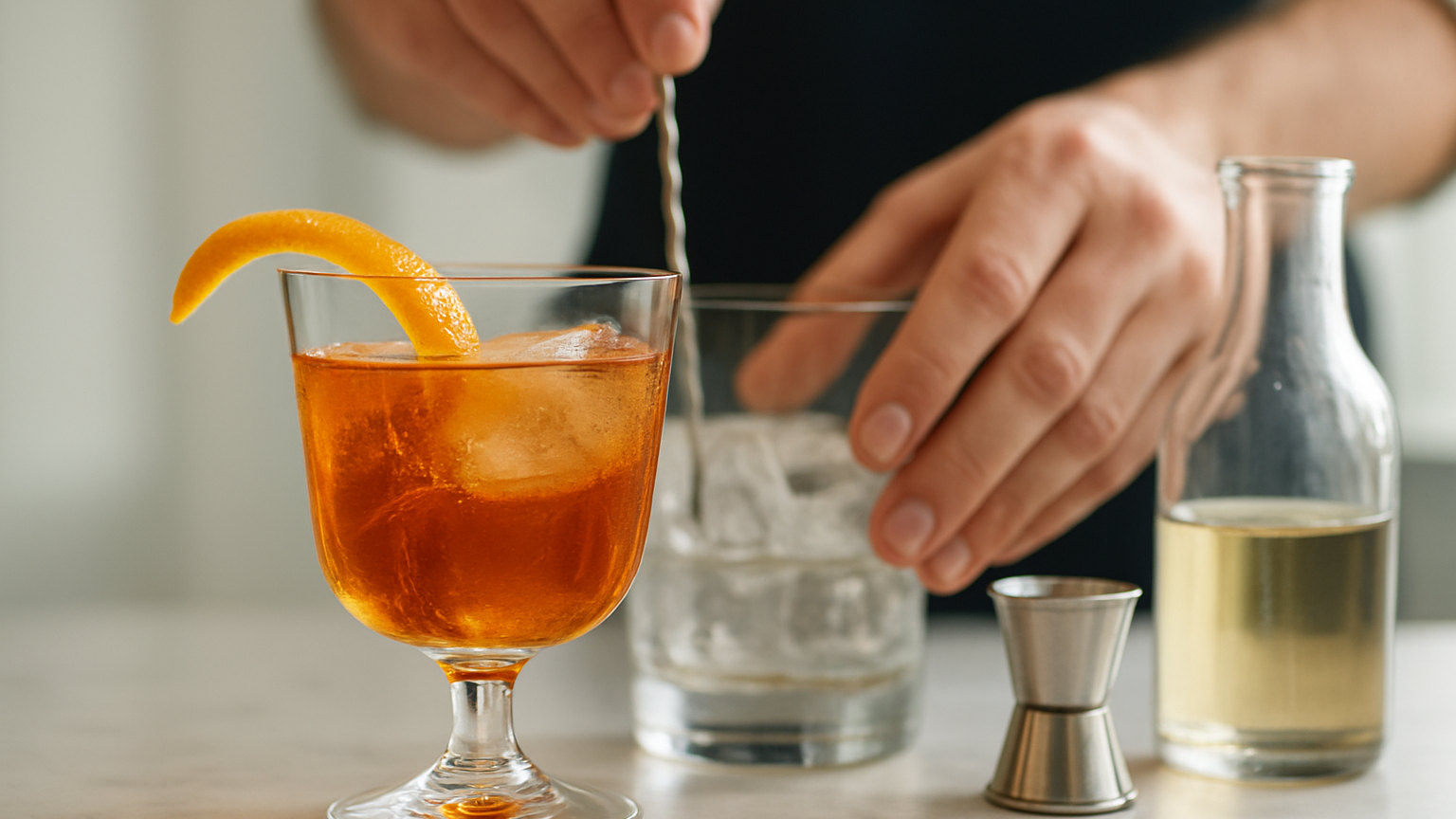
Shake hard for ten to fifteen seconds. Stir for around thirty. In both cases the reliable signal is frost forming on the outside of the vessel, not a count.
Most people who measure their own dilution once discover they were doing perhaps half of what the recipe assumed. Our shaking and stirring guides cover how to check.
3. Stale vermouth
Vermouth is wine. It belongs in the fridge and it is noticeably stale within about a month of opening.
A martini or a manhattan is a quarter to a third vermouth, so an oxidised bottle cannot be rescued by any technique.
Buy small bottles, refrigerate them and replace them monthly.
4. Bottled citrus juice
The gap between fresh and bottled is larger than the gap between any two spirits at the same price point.
Squeeze to order, or within a few hours. Nothing compensates for this.
5. Free pouring
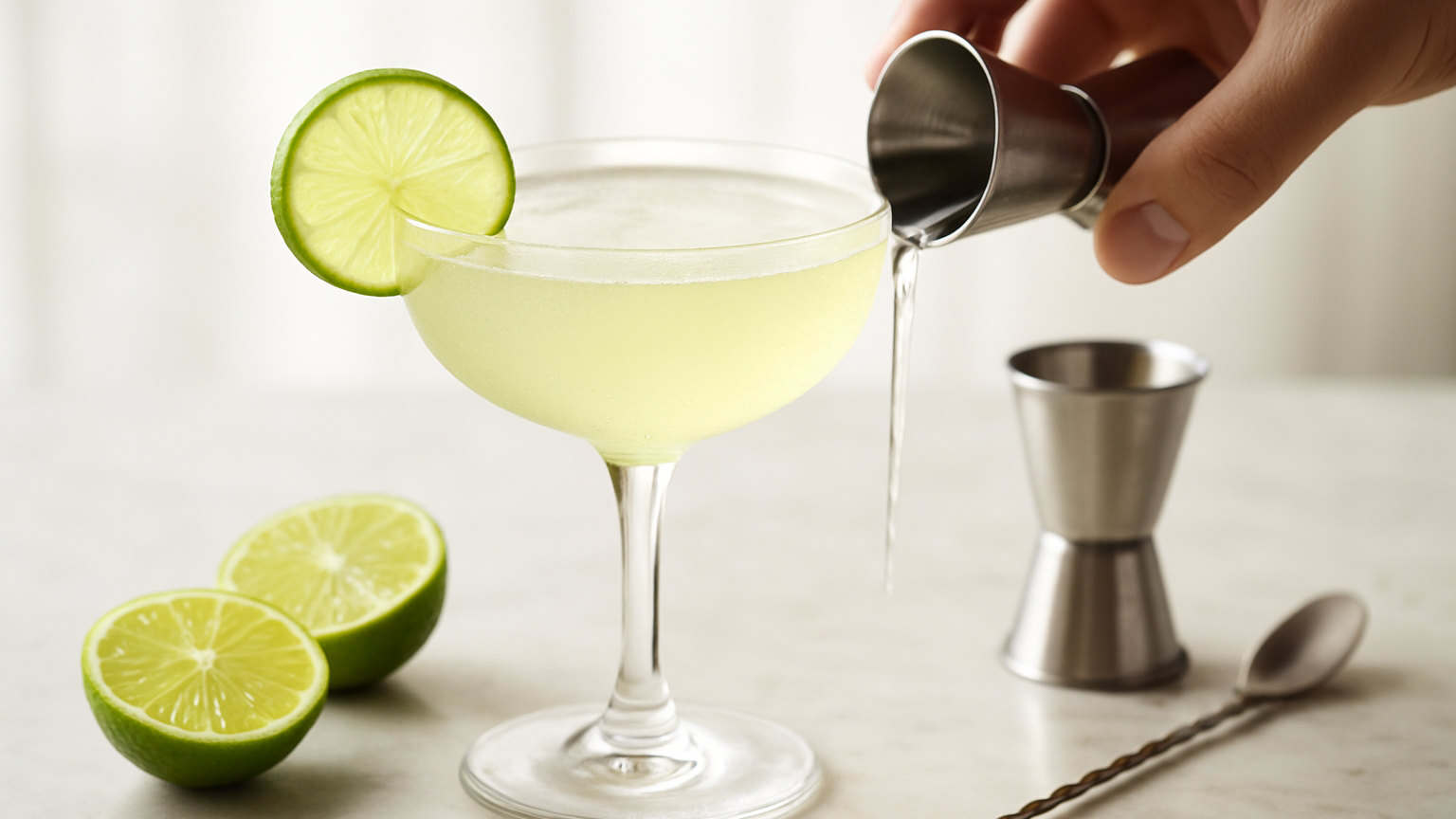
A cocktail is a ratio, and an eyeballed measure is almost always larger than intended, which makes the drink both unbalanced and stronger than planned.
Use a jigger. It costs a few pounds and improves every drink. Our bar equipment guides cover which to buy.
6. A warm glass
For anything served without ice, the glass is the only thing keeping the drink cold.
Ten minutes in the freezer, or filled with ice and water while you work. Skipping it undoes a well made drink within two minutes.
7. An oversized glass
A stirred cocktail is around 115ml after dilution. In a 250ml glass that looks lost, which invites a larger pour, which produces a drink that is warm before it is finished.
A glass of around 150ml is the right size. Our glassware guides cover shapes and capacities.
8. Grinding the mint
Mint holds its aromatic oil on the surface of the leaf. Inside is chlorophyll and bitter compounds.
Grinding it releases exactly what you do not want, which is why a badly made mojito tastes of lawn clippings.
Press gently two or three times, or better, slap the sprig between your palms to release the oil without any damage at all.
9. Dropping a citrus twist in without expressing it
The oil in the peel is the ingredient; the peel itself is incidental.
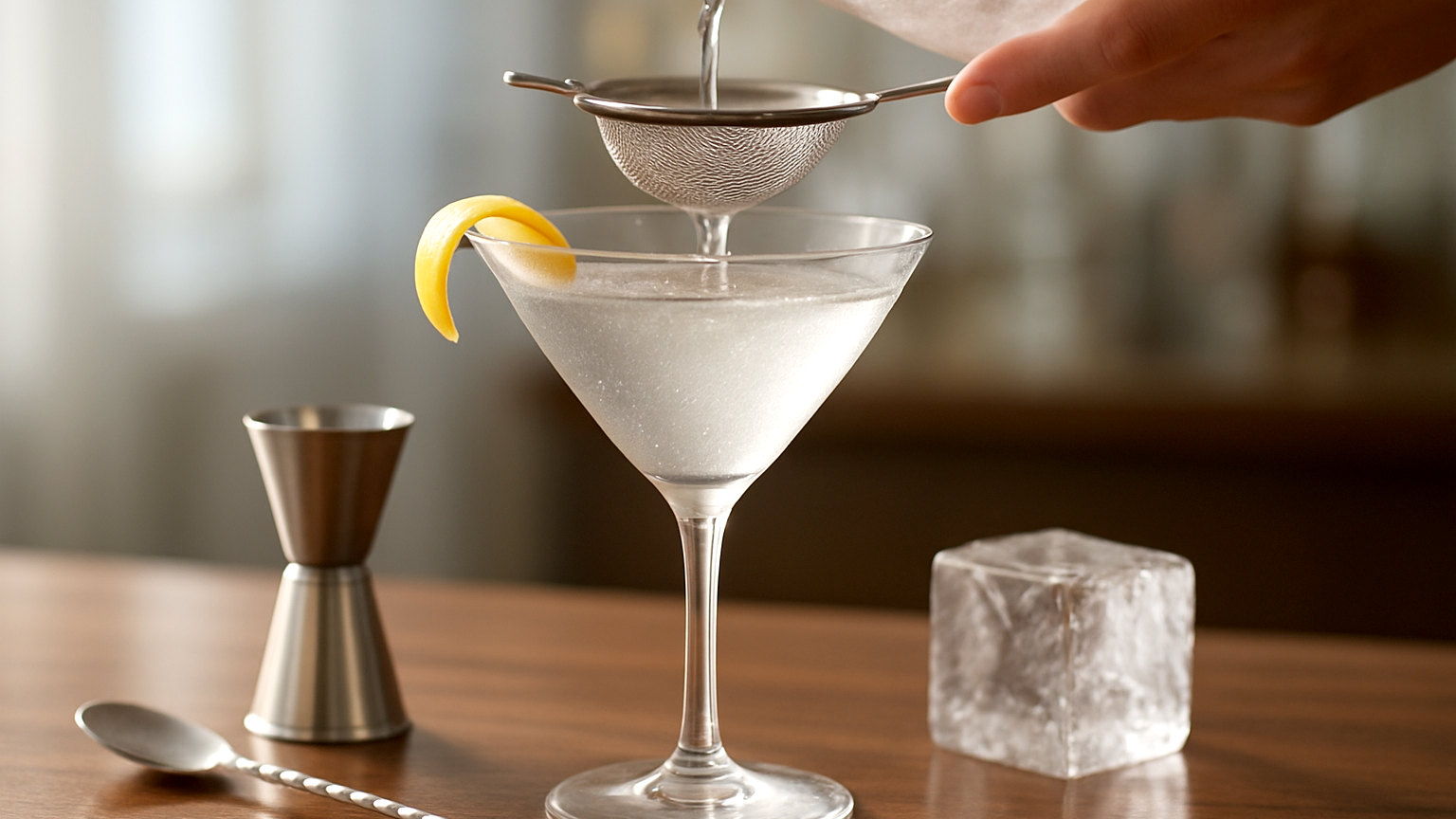
Hold the strip coloured side down about five centimetres above the drink and squeeze it, so a fine mist of oil lands on the surface. Then rub it round the rim.
A twist dropped in unsqueezed contributes almost nothing, which is why so many garnished drinks smell no different from ungarnished ones. Our garnish guides cover the technique.
10. Shaking something that should be stirred
Shake anything containing citrus, dairy, egg or fruit, because those need forcing into suspension.
Stir anything made entirely of spirits, fortified wines and liqueurs, because shaking aerates it and makes it cloudy and thin when it should be clear and silky.
The practical test: if the finished drink should be cloudy, shake it. If it should be clear, stir it.
Two more worth knowing
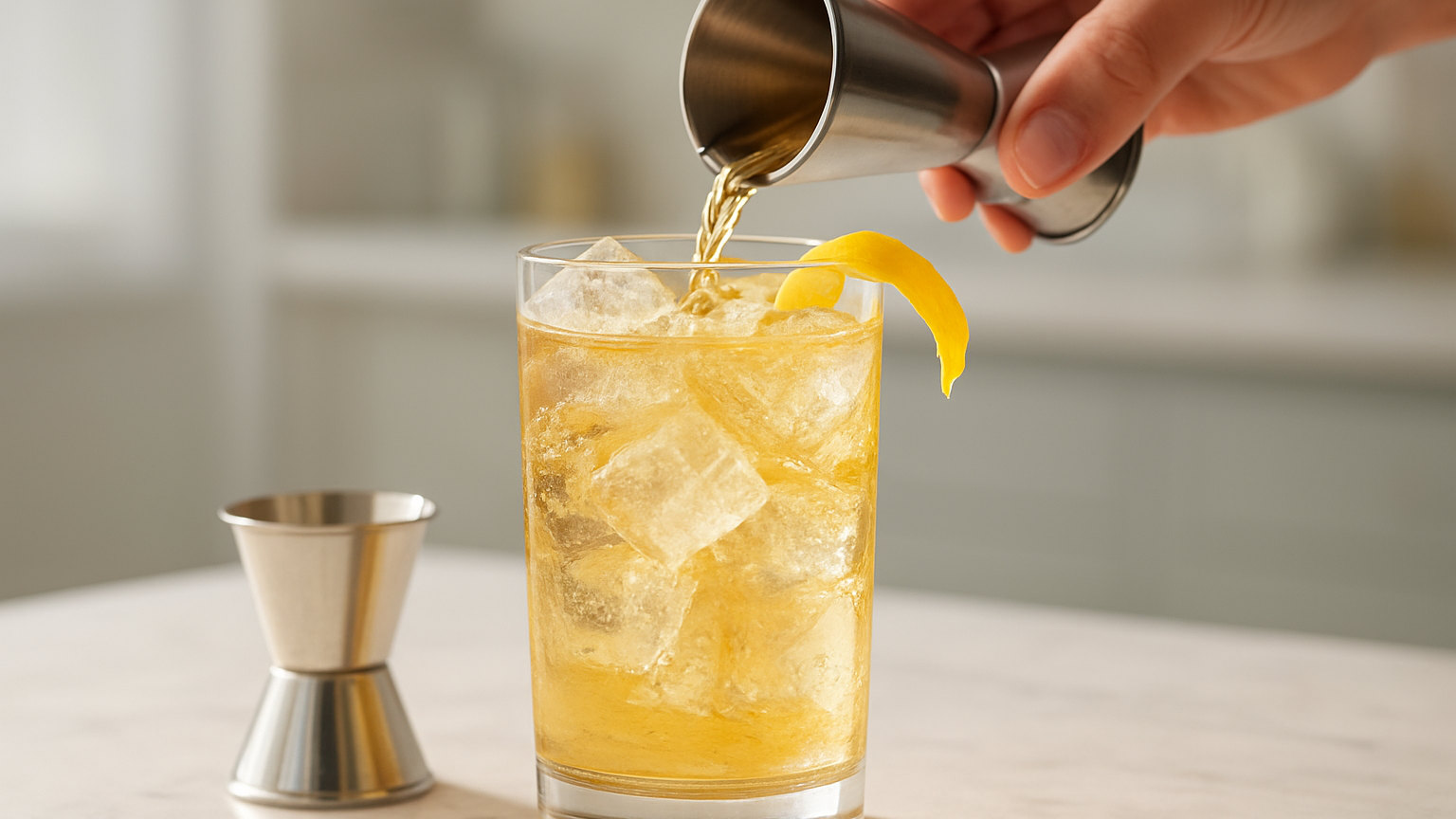
Stirring a highball thoroughly. Agitation drives off the carbonation. Pour the mixer gently down the side and lift once with a spoon.
Rinse aid on glassware. It leaves a film designed to prevent water spots, and that film destroys foam on anything with egg white or a head. Hand wash with minimal detergent, rinse thoroughly and air dry.
How to diagnose a drink that tastes wrong
Taste it in the shaker before you strain, which every competent bartender does and which takes three seconds.
- Harsh and hot: needs more dilution.
- Thin and watery: over-diluted, fix it next time.
- Too sweet: add citrus rather than reducing the syrup.
- Too sharp: add syrup in three to five millilitre increments.
- Flat and dull: add a dash of bitters, an expressed peel, or a pinch of salt.
Fixing two or three of these will change more about your drinks than any bottle you could buy.
The mistakes that are not mistakes
A few things get corrected in public and do not deserve it.
Asking for a martini shaken. It produces a colder, cloudier, more diluted drink with a lighter texture. Some people prefer that, and the claim that shaking bruises the gin is not chemistry.
Ice in whisky. A little water genuinely opens a spirit up by releasing compounds bound in the ethanol. Ice also chills, which suppresses aroma, so it is a trade rather than an error.
Ice in wine on a hot afternoon. Standard practice across southern Europe, and better than warm wine.
Knowing what each choice does lets you decide deliberately, which is the useful outcome.