Do Spirits Go Off Once Opened?
Unopened spirits last indefinitely and opened ones last years, but a few bottles on the same shelf are perishable and are the usual reason a drink tastes wrong.
Spirits are sold on story and priced on packaging, and most of what separates a good bottle from an expensive one is not on the label. These guides explain how each spirit is actually made, what the words on the front mean, which differences you will taste and which you will not, and what is worth having on a shelf at home.
Unopened spirits last indefinitely and opened ones last years, but a few bottles on the same shelf are perishable and are the usual reason a drink tastes wrong.
Every spirit follows the same four stages, and almost all of the difference between one bottle and another is decided at two of them.
There are six base spirit categories and one broad group of sweetened ones, and the differences between them come down to what was fermented before distillation.
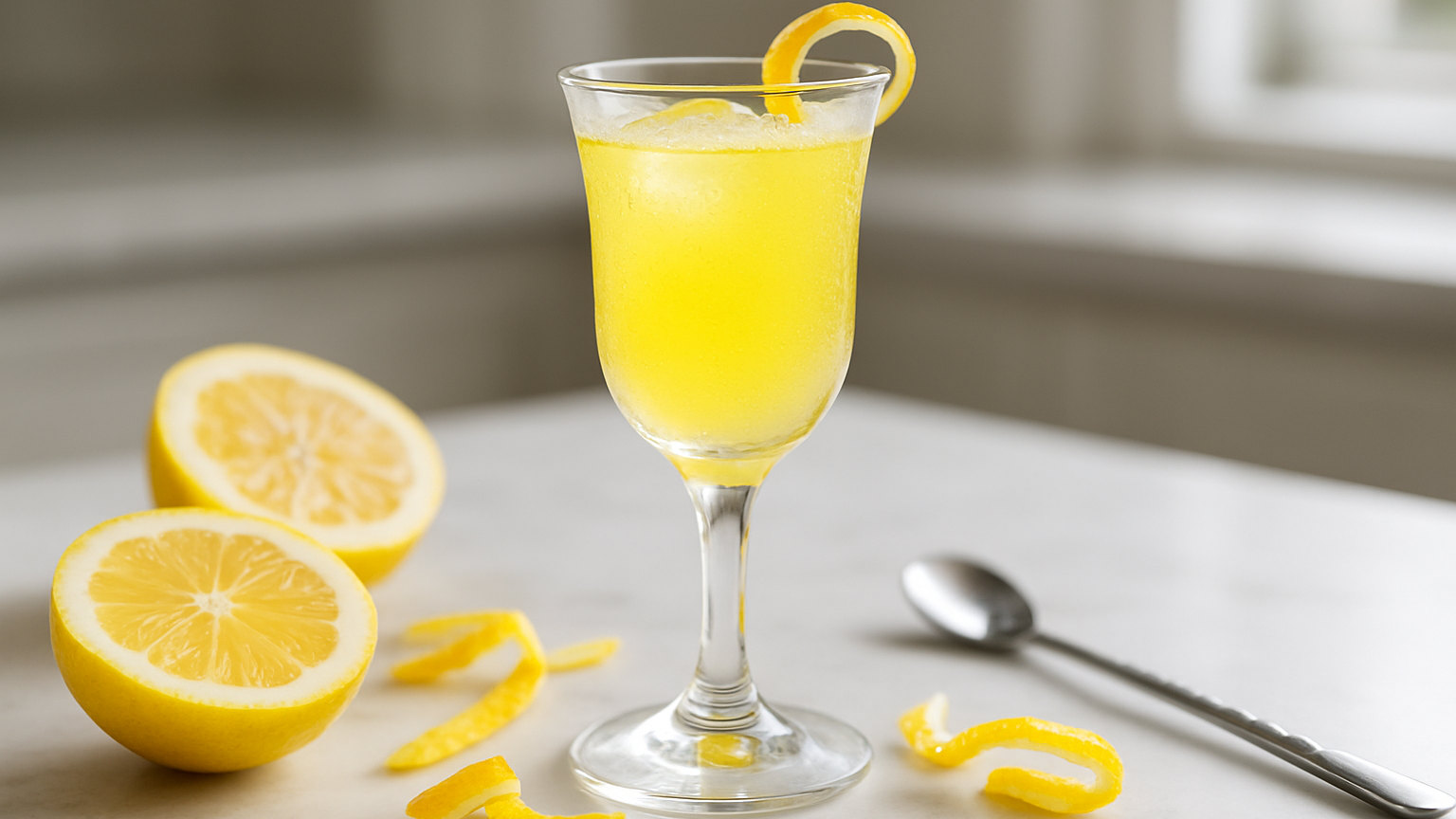
Lemon peel, spirit and sugar, with no juice involved at all. It is one of the simplest liqueurs to make and one of the easiest to serve badly.
Brandy covers half a dozen unrelated styles, so the first bottle depends on which one you want to meet. A VSOP cognac is the safe answer, and not always the best one.
Most people who dislike tequila have only ever tried mixto in a shot glass. The first bottle worth buying is a good blanco, and it costs less than people expect.
Rum covers more ground than any other spirit, so the first bottle depends entirely on what you intend to do with it. Here is how to narrow it down.
Vodka became the default cocktail base within a few decades of arriving in the West, and the reasons are as much commercial as they are about flavour.
The price of a bottle of gin is mostly tax, and the part that is not tax buys a small number of things. Knowing which ones tells you when to spend and when not to.
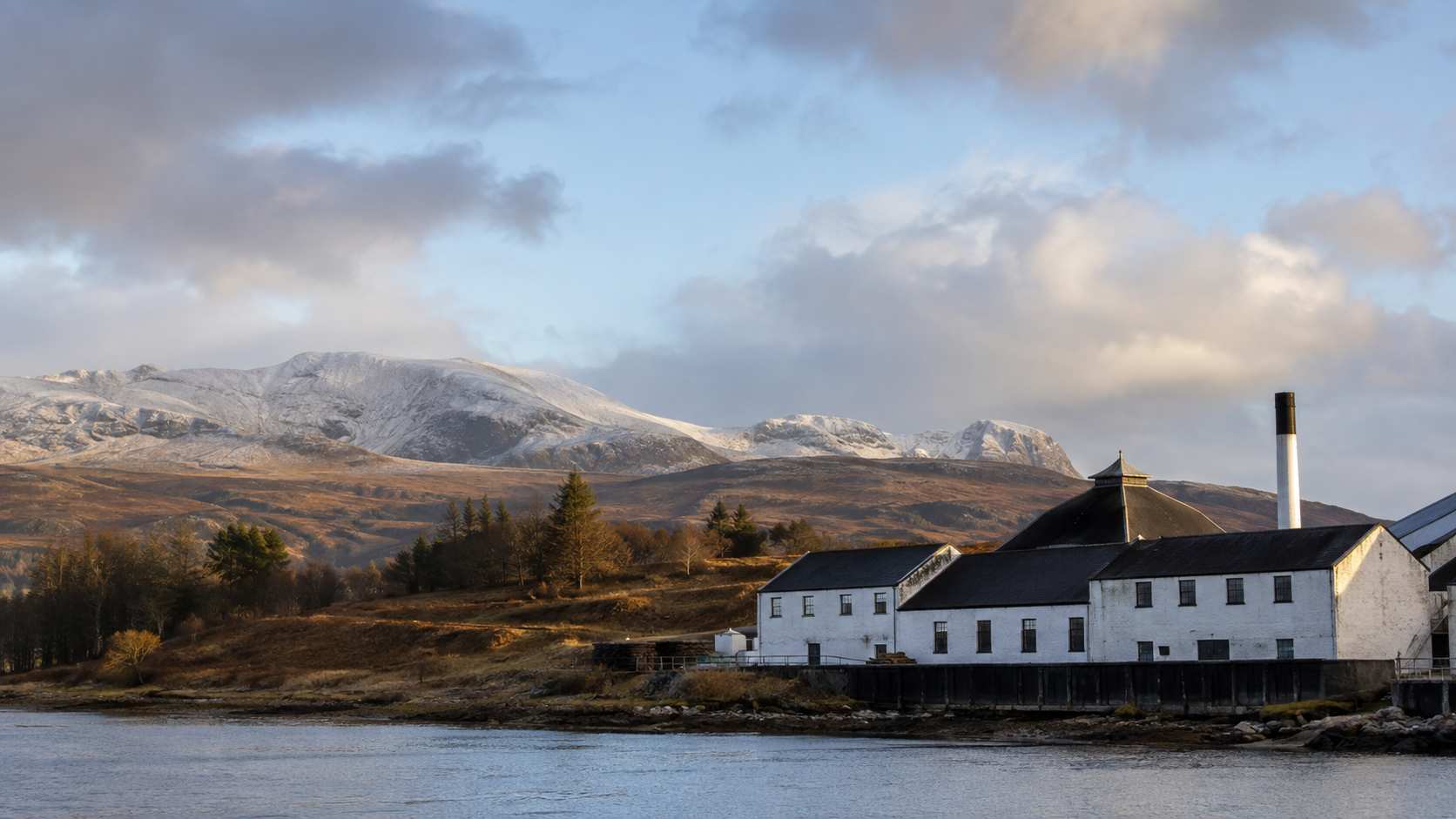
The five regions are legally recognised and widely used to describe flavour, but the flavour part has been out of date for a while. Here is what they still tell you.
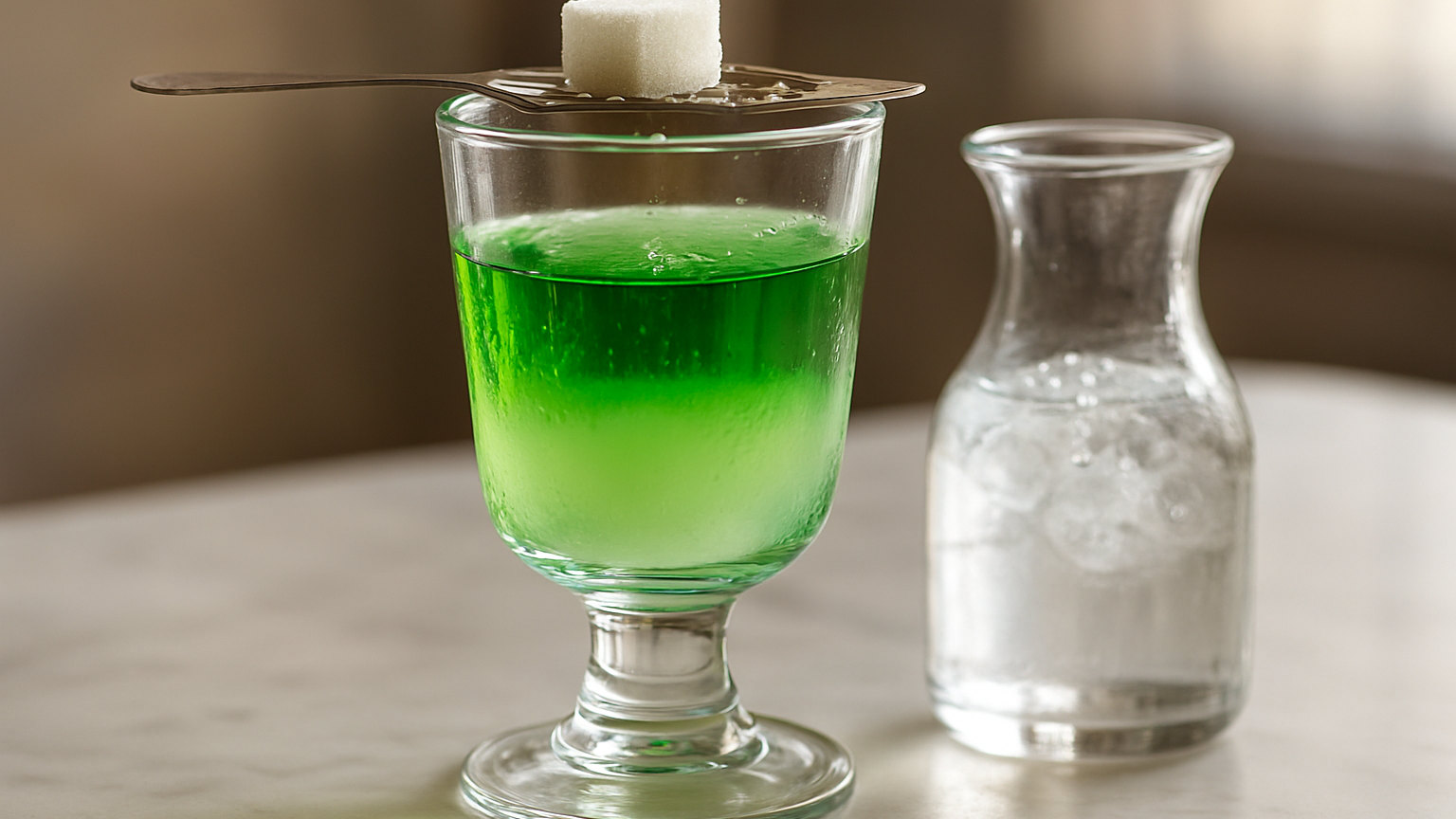
Absinthe was banned across much of the world for most of the twentieth century, on the basis of claims that have not survived scrutiny. It is a strong anise spirit, and nothing more exotic.
Cognac is built for consistency, so the blender rather than the harvest defines the house style. Vintage cognac exists but is rare, and armagnac took the opposite path.