Which Tequila Should a Beginner Buy First?
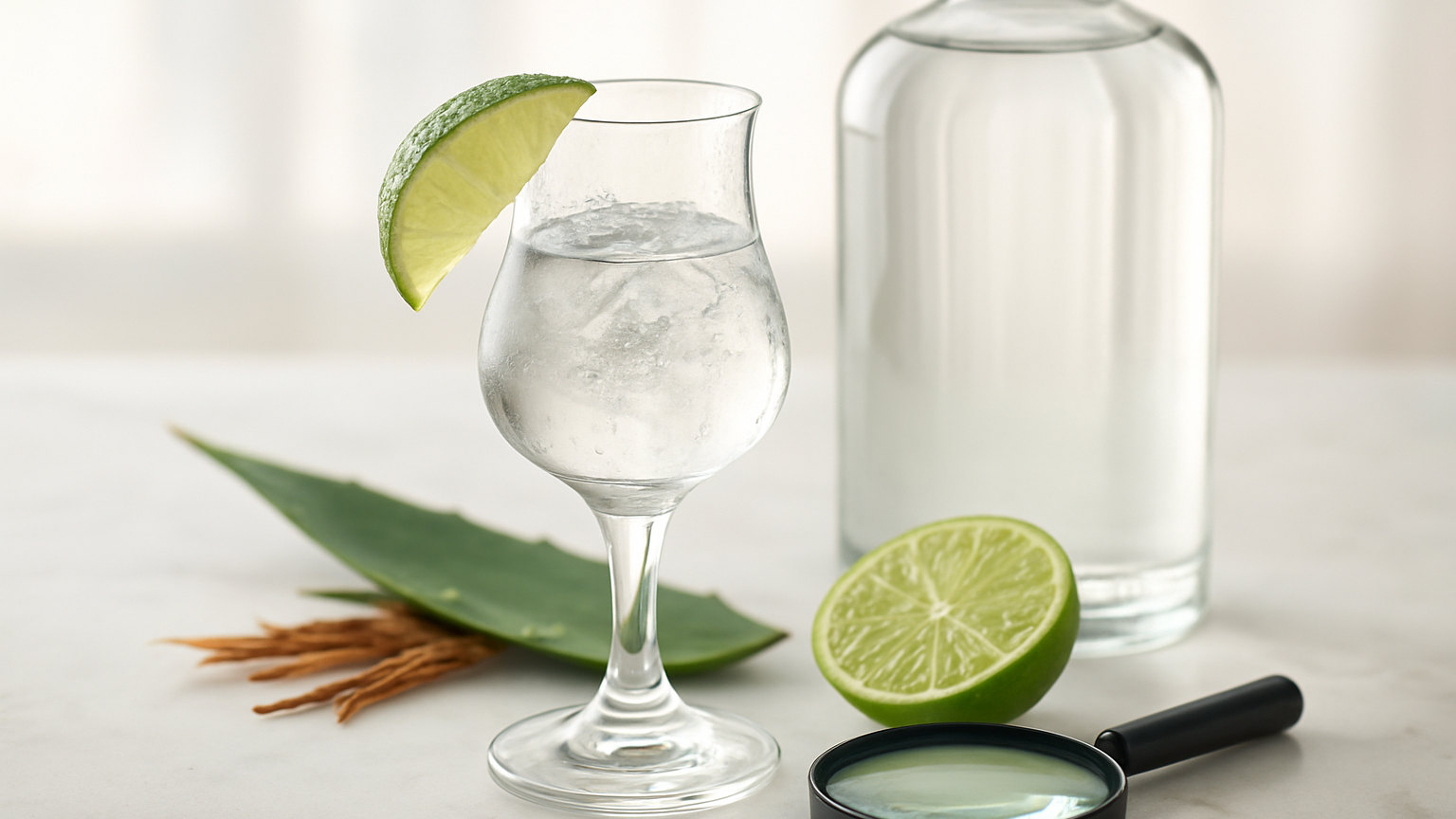
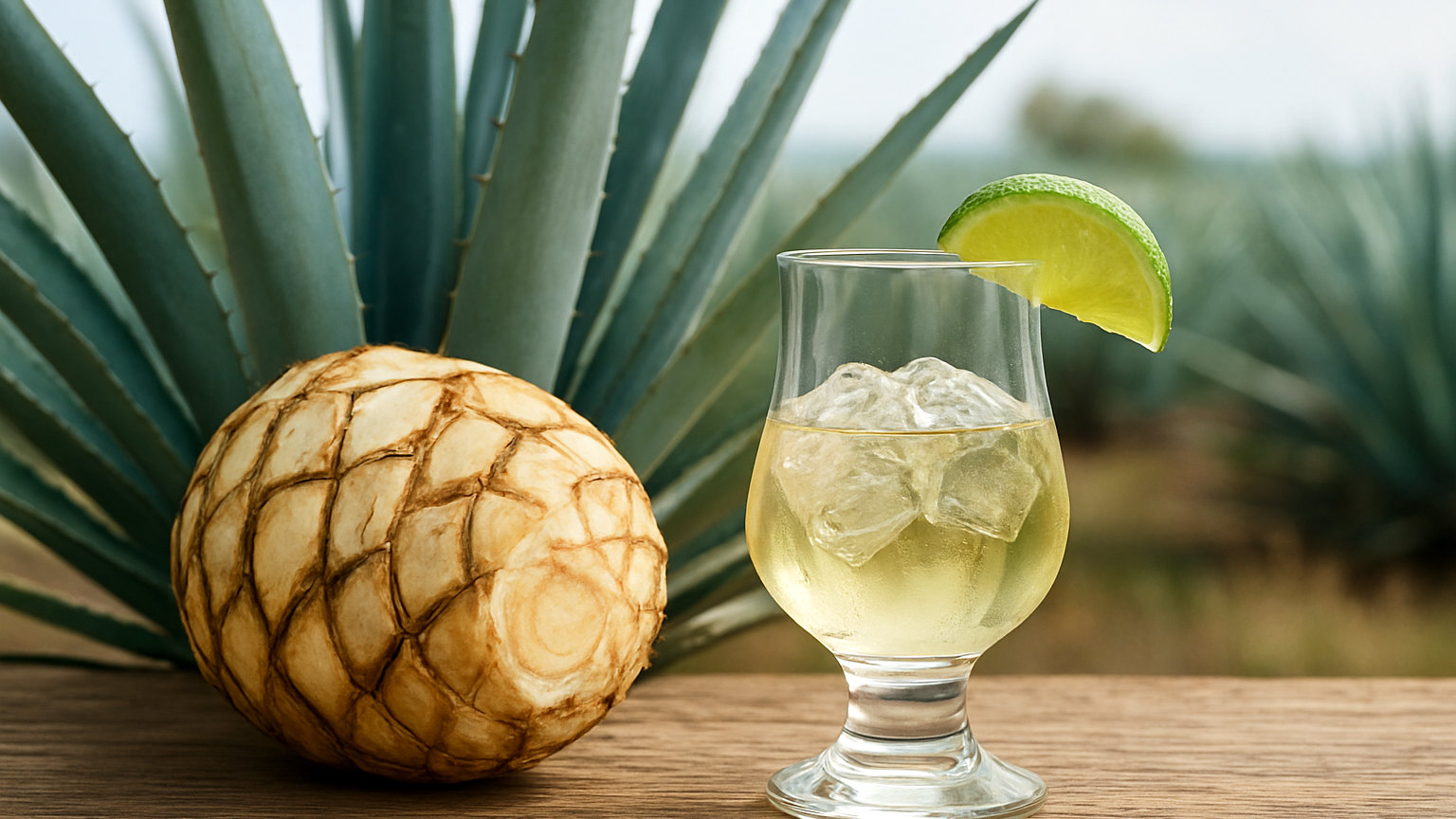
Most people who dislike tequila have only ever tried mixto in a shot glass. The first bottle worth buying is a good blanco, and it costs less than people expect.
Blanco, reposado and anejo, mezcal, and what "100 per cent agave" actually guarantees.
Most people who dislike tequila have only ever tried mixto in a shot glass. The first bottle worth buying is a good blanco, and it costs less than people expect.
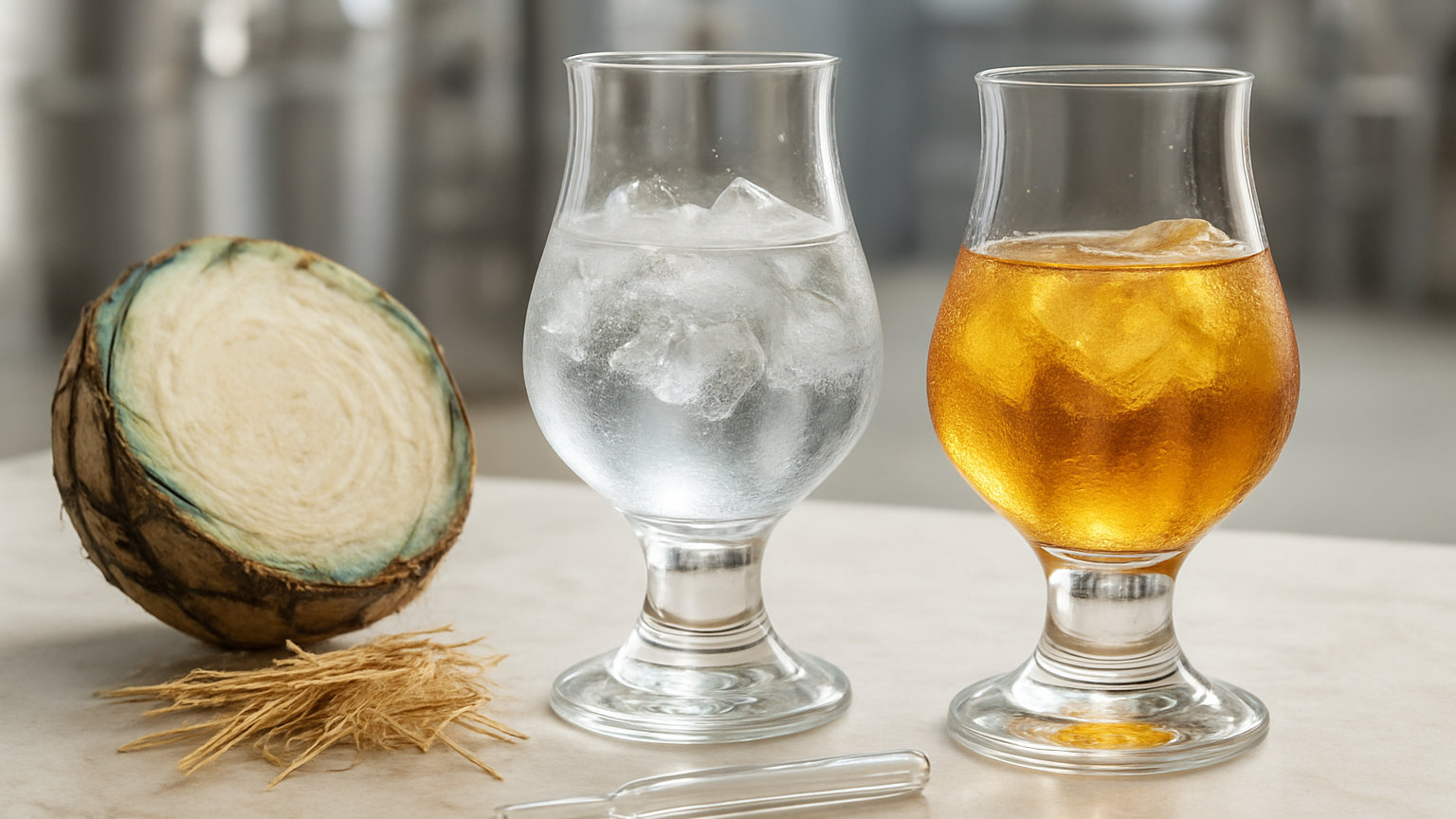
Cristalino is aged tequila with the colour filtered back out. It is a genuine product and a commercially successful one, and it divides opinion sharply for good reasons.
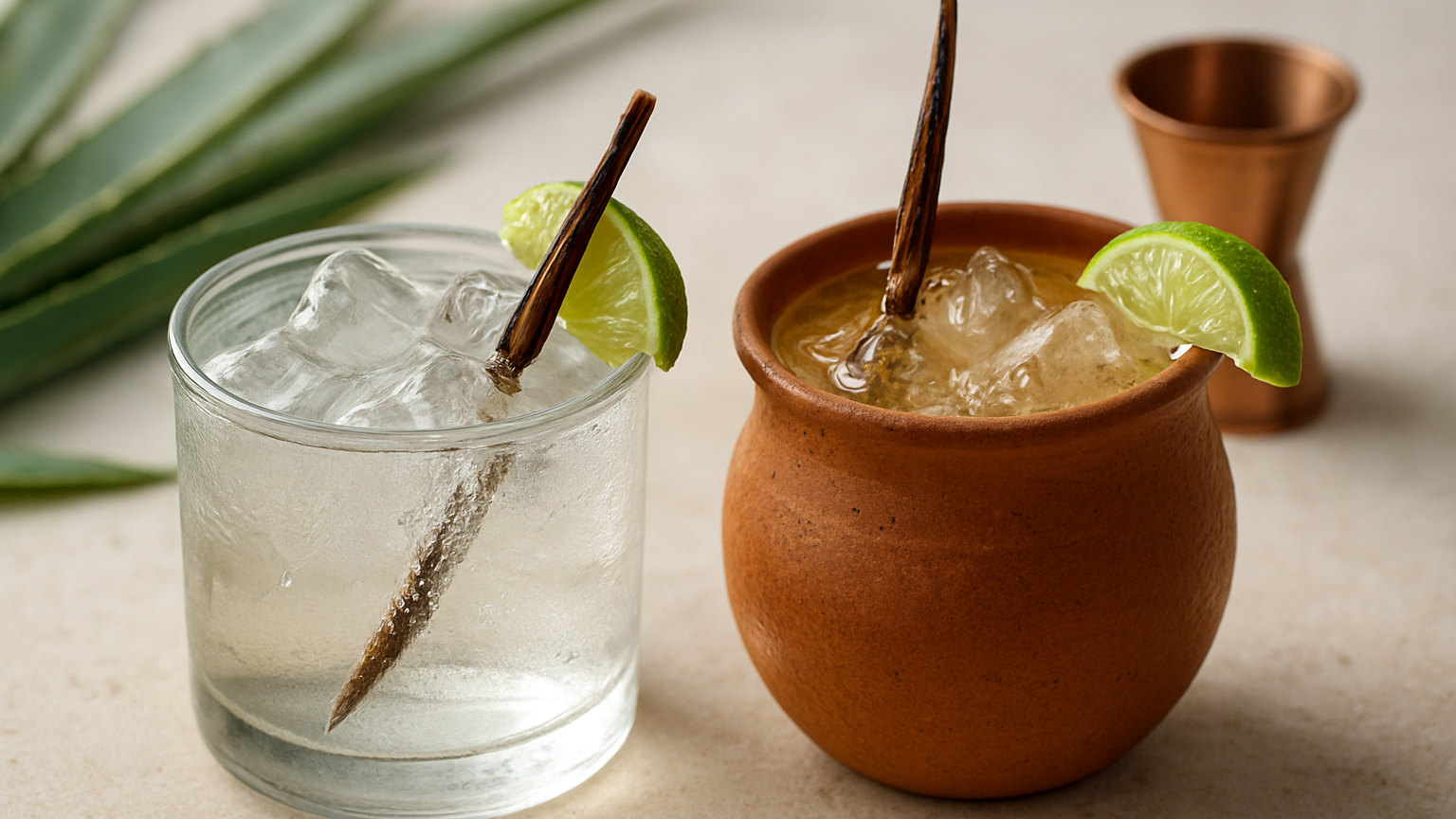
Salt, shot, lime is a ritual built around tequila that needed disguising. Good tequila is a sipping spirit, and the traditional Mexican serve looks nothing like the export version.
The margarita is the tequila drink the world knows. The paloma is the one Mexico actually drinks, and it is easier to make and harder to get wrong.
Raicilla, bacanora, sotol and destilado de agave sit outside the two famous categories, and several of them are among the most interesting spirits Mexico produces.
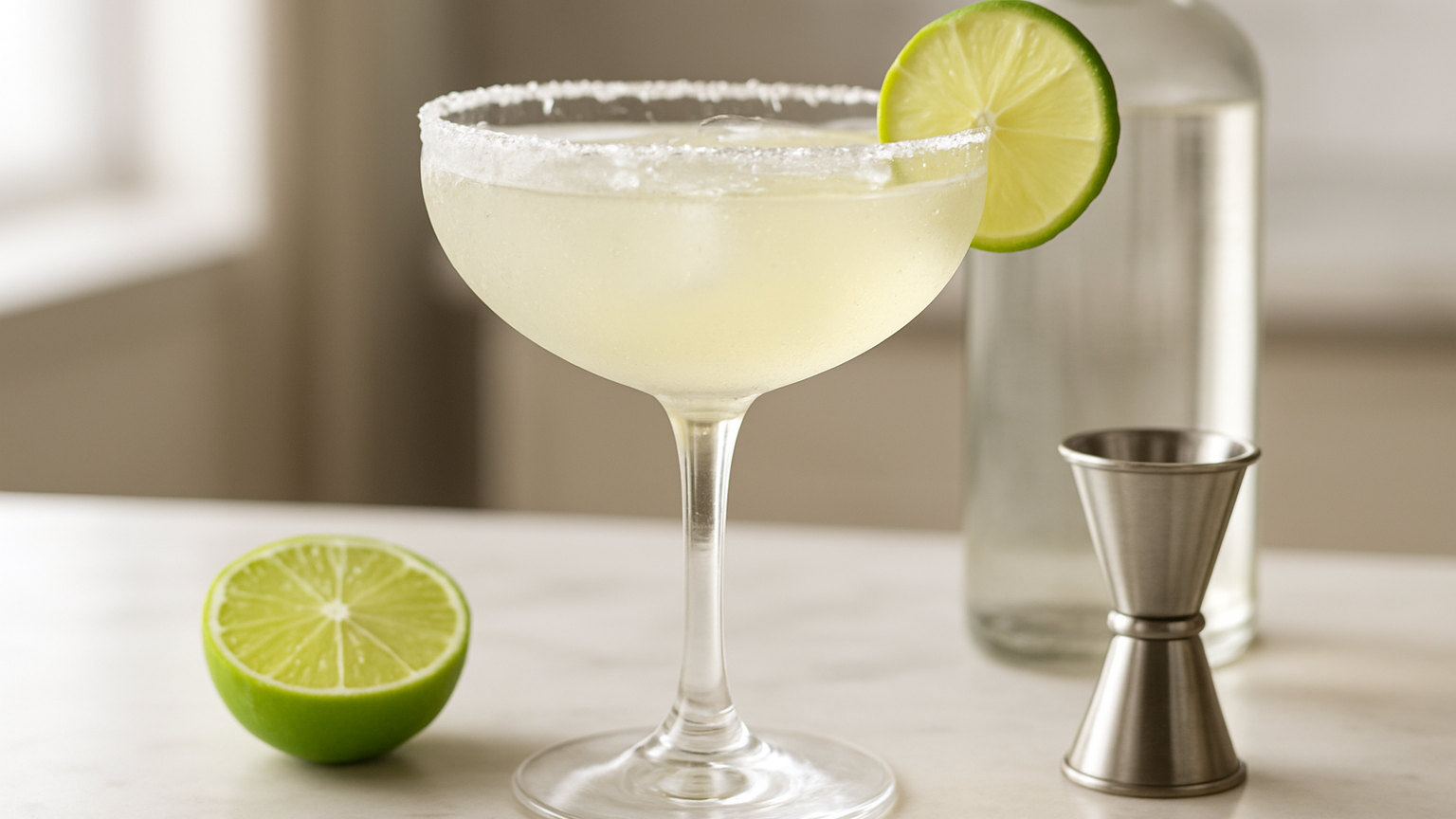
Three ingredients, one of which you can buy badly. The margarita is unforgiving of thin tequila, sweet mixes and bottled lime juice, and forgiving of almost nothing else.
A four digit code in small print identifies the distillery that actually made the tequila. It is the most informative thing on the bottle and the easiest to overlook.
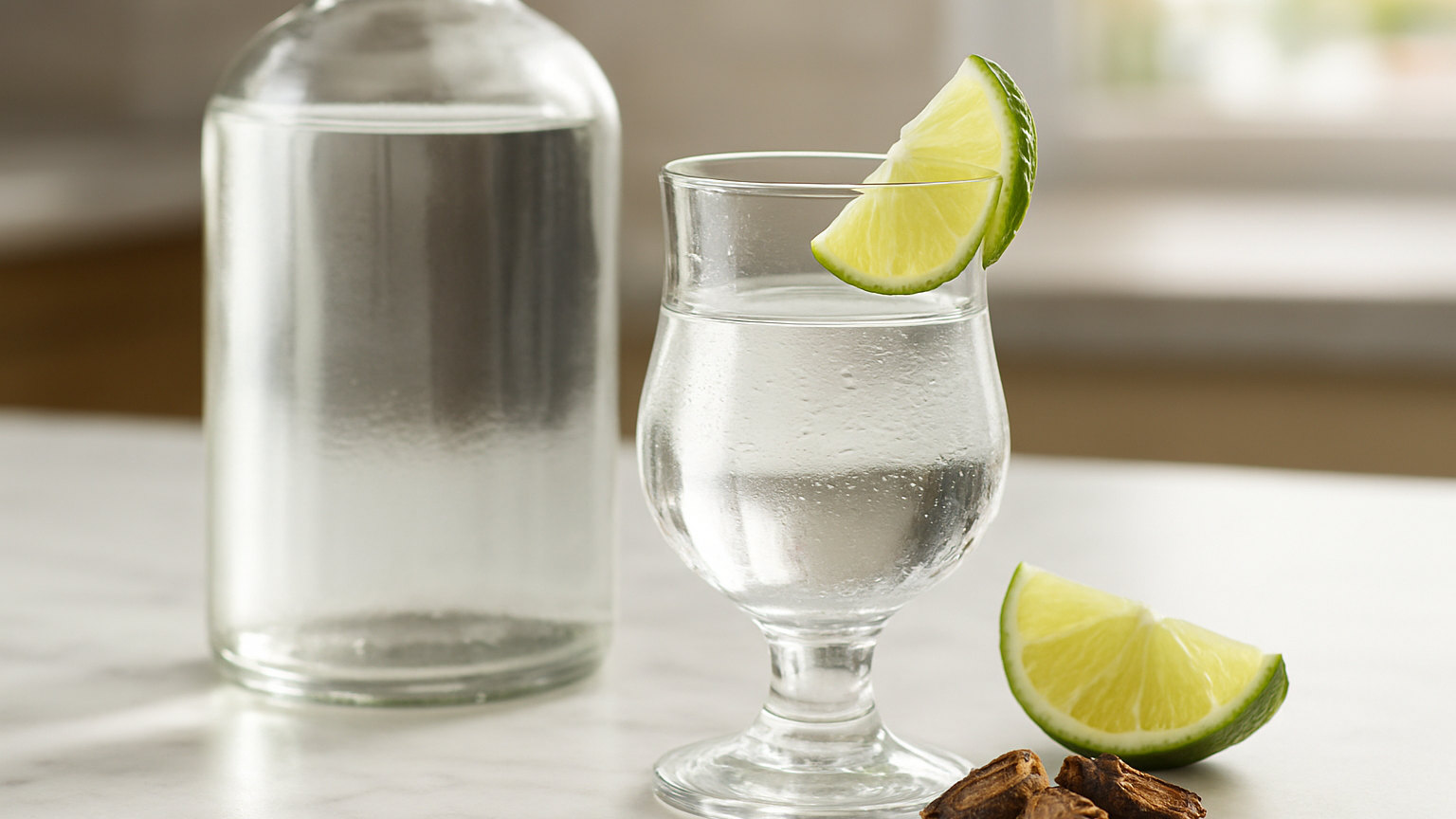
Regulations permit four additives in tequila without disclosure, in quantities small enough to sound trivial and large enough to change the spirit completely.
How the agave is cooked is one of the biggest quality variables in tequila, and the fastest methods take the most out. The label almost never mentions it.
Six to eight years for blue agave, and up to twenty five for some wild species. That timescale drives the price of every bottle and creates cycles of shortage and glut.
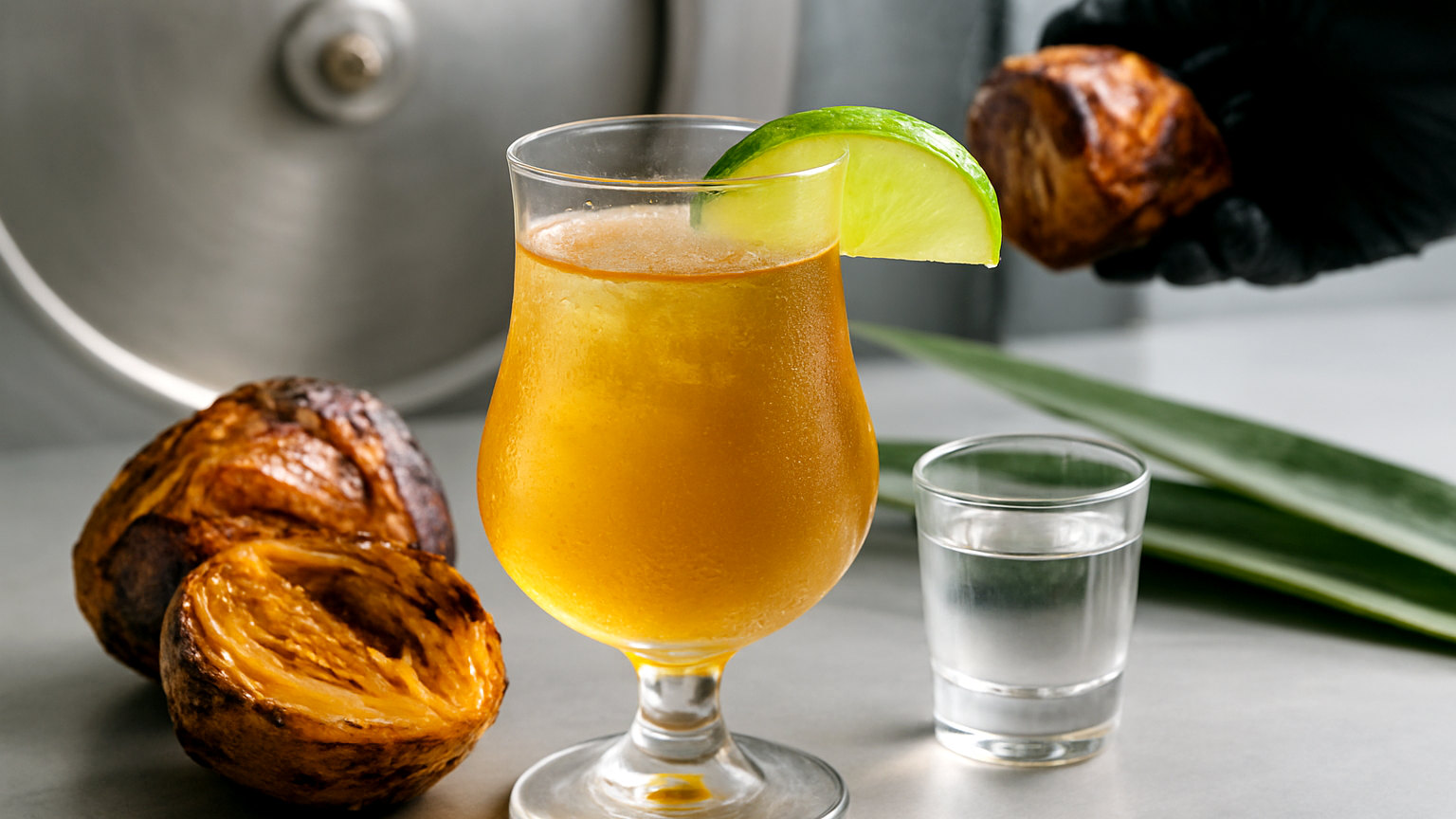
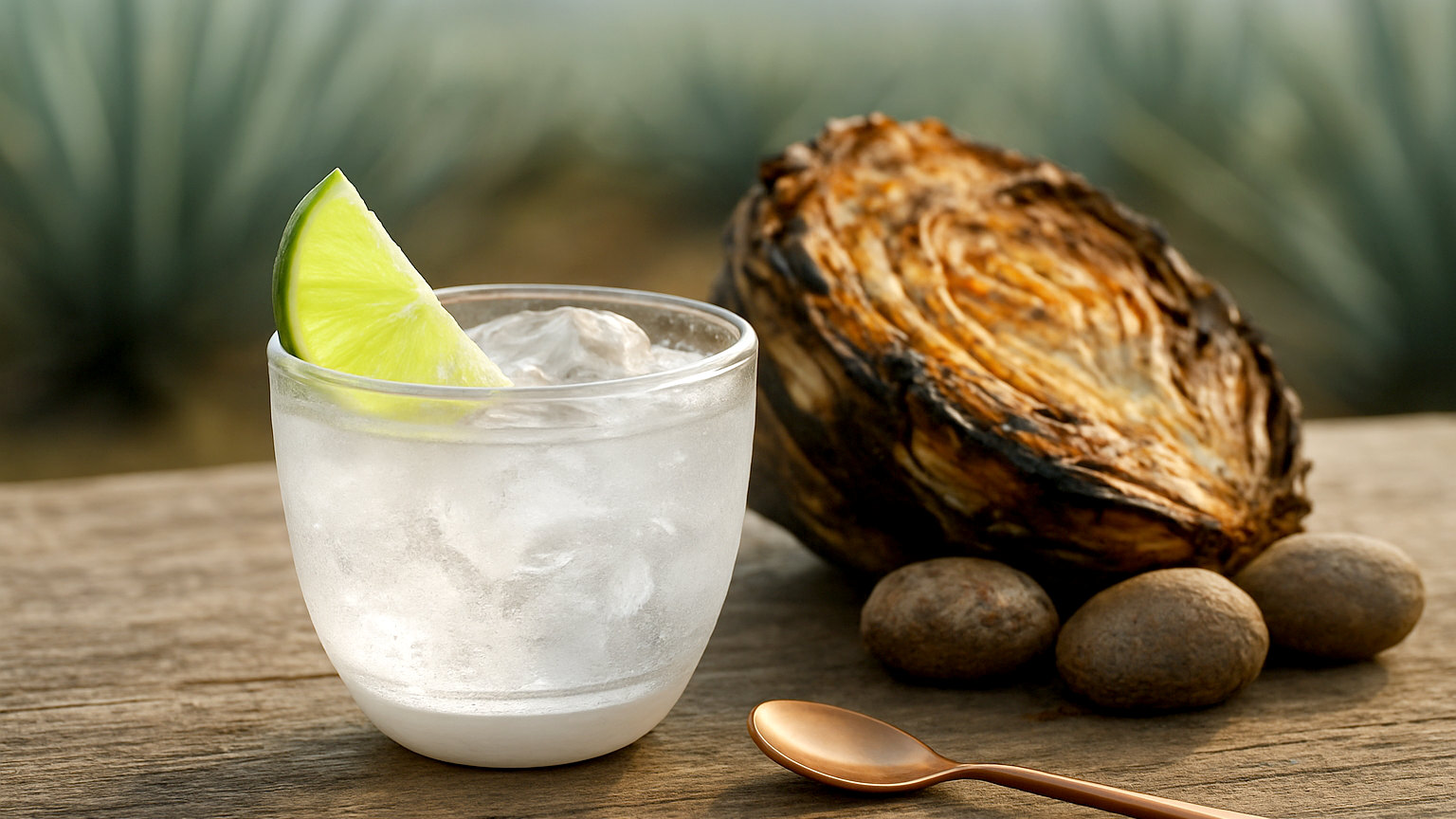
The smoke arrives during a single stage of production and comes from roasting agave in an earth pit. How smoky the result is depends on choices the producer makes there.
All tequila is technically a type of mezcal, but the reverse is not true. Mezcal uses dozens of agave species, a different region and largely traditional production.