Which Classic Cocktails Should You Learn First?
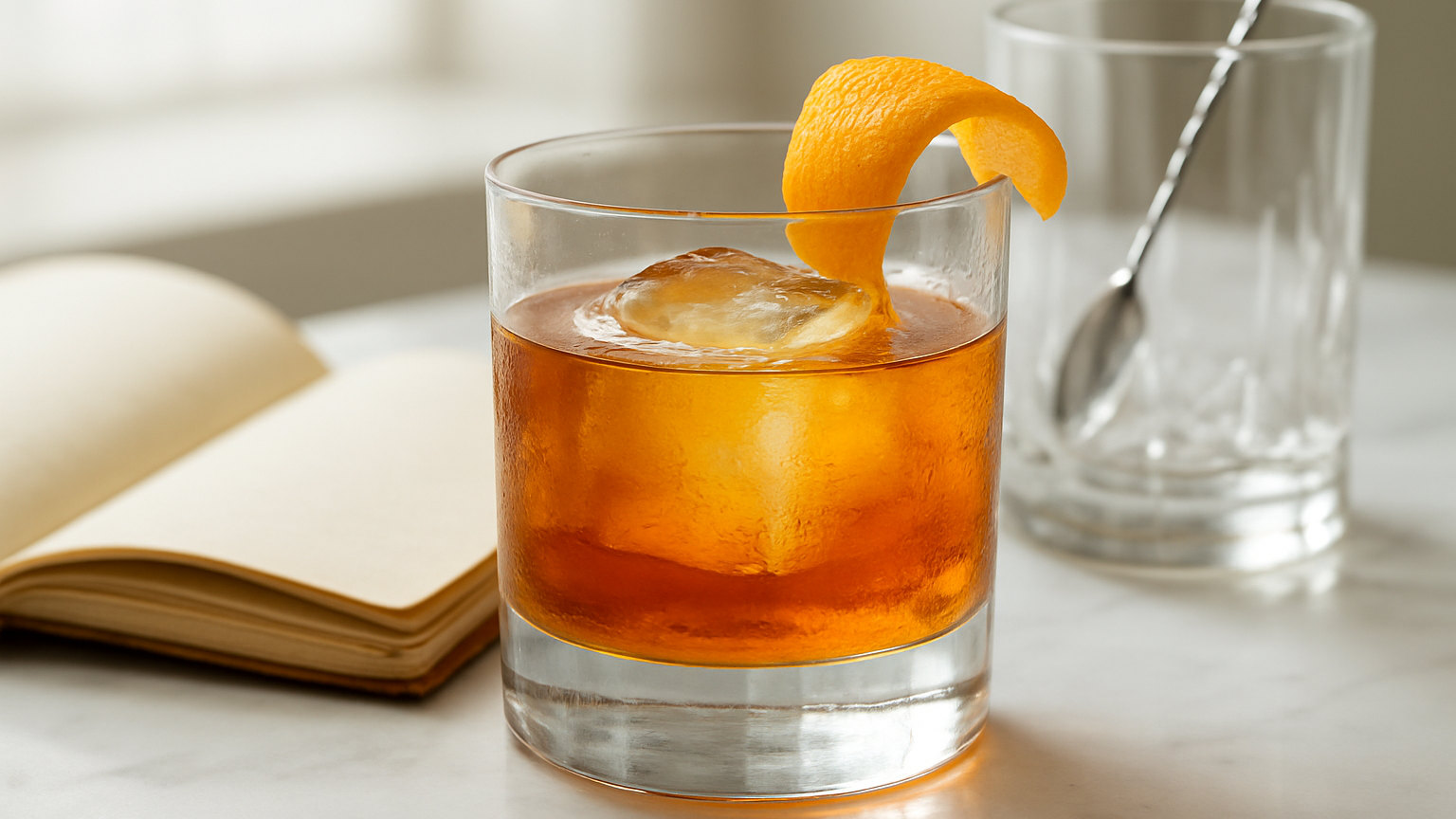
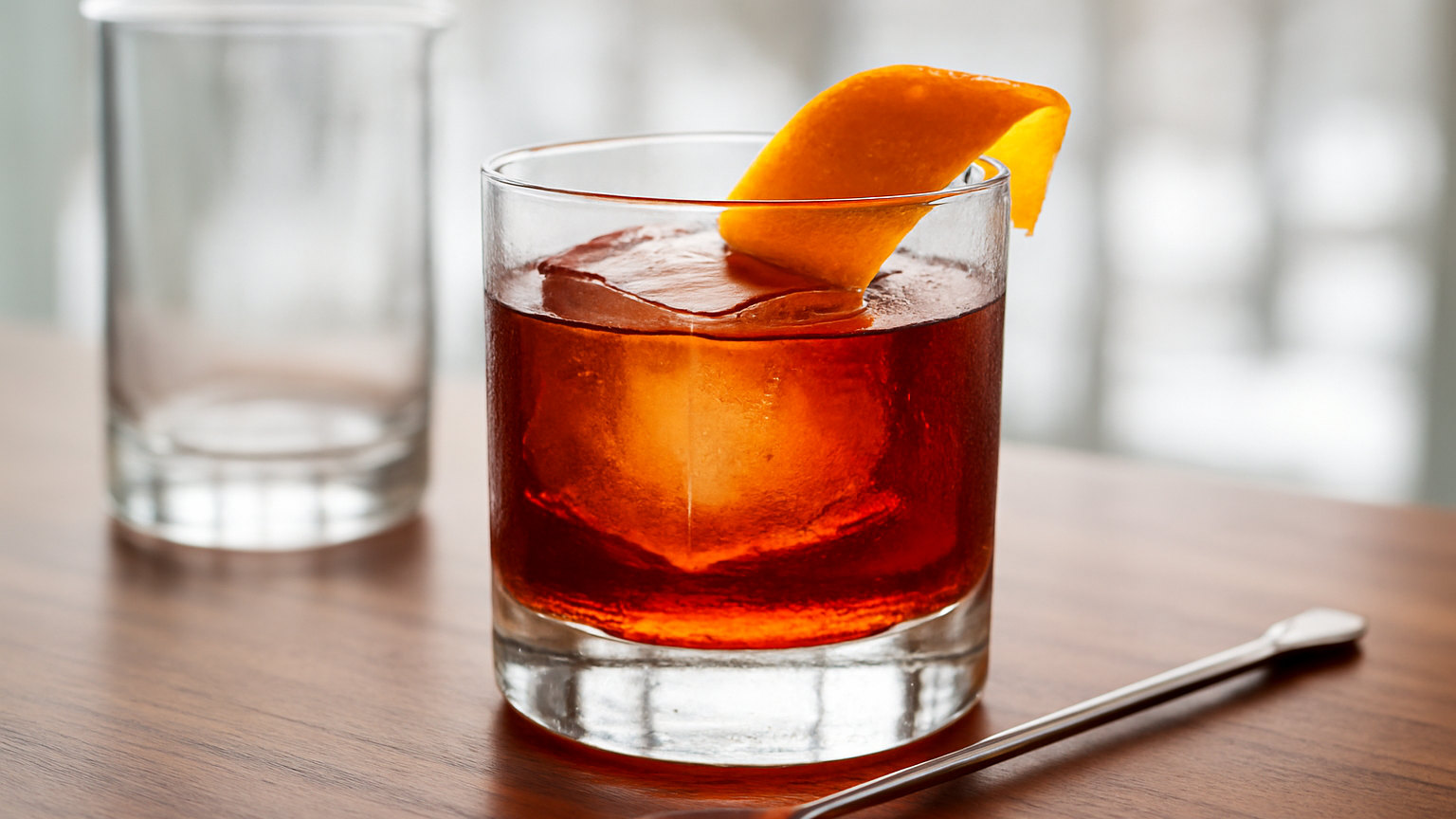
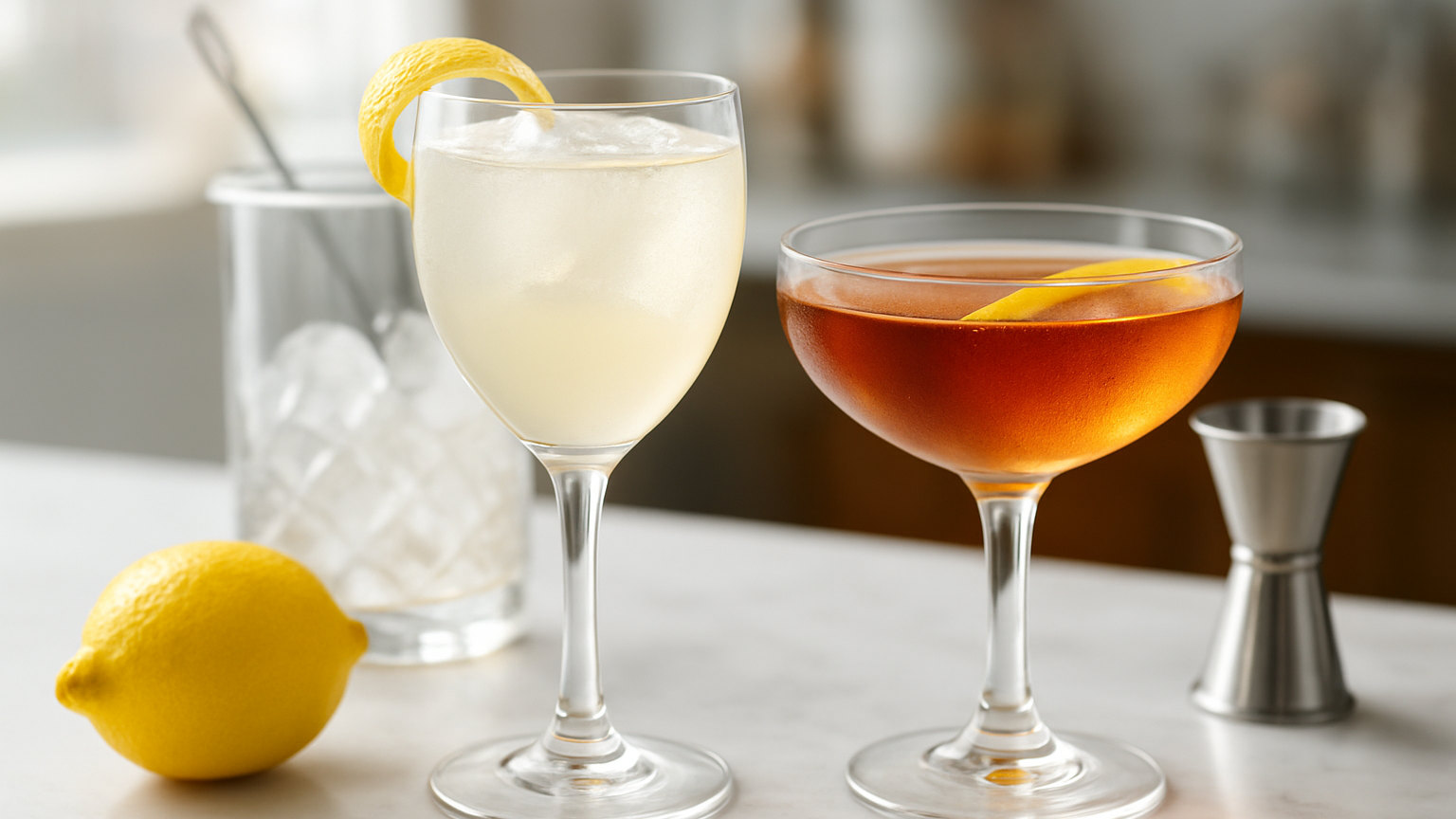
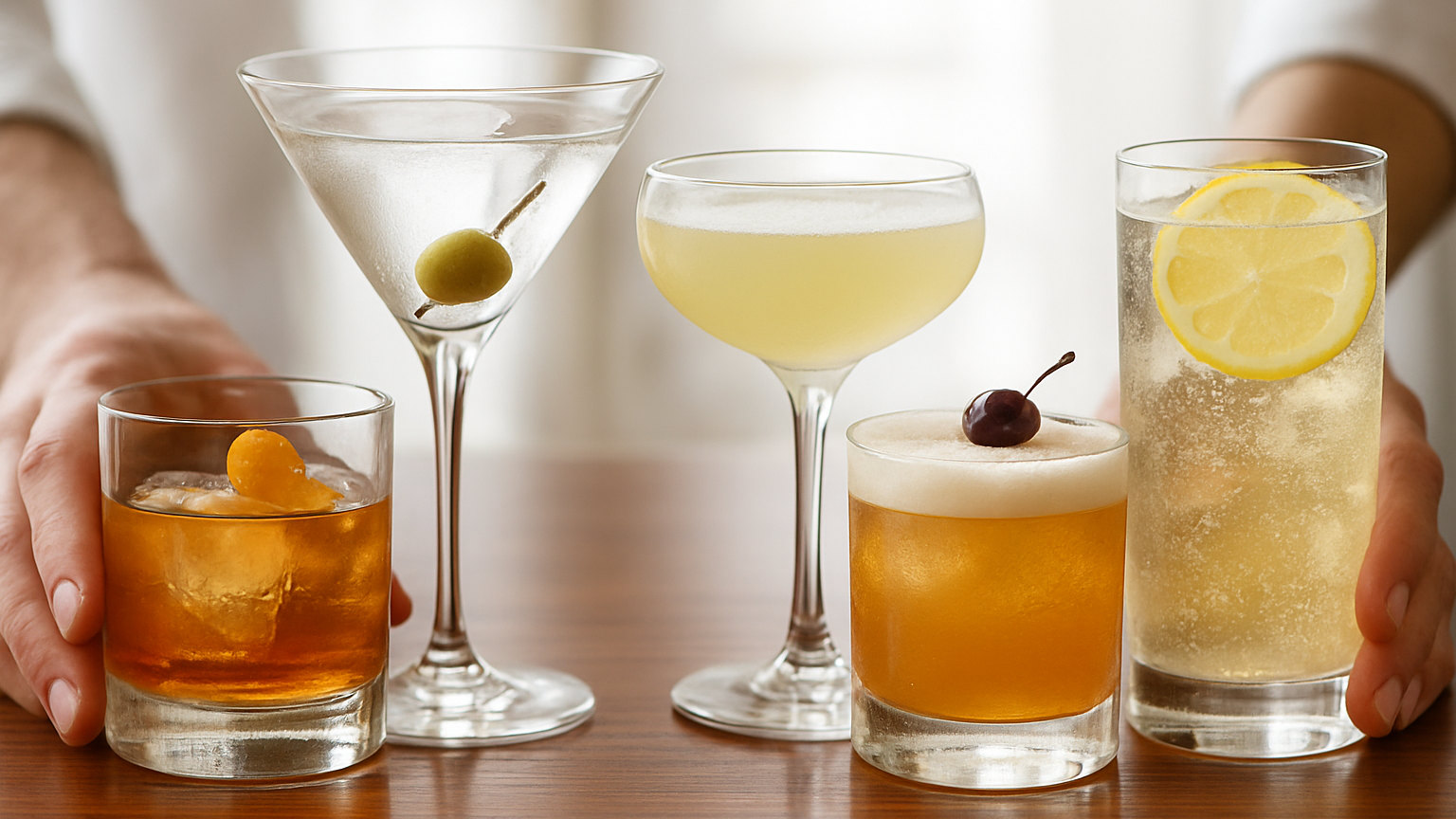
Five drinks cover the main structures, and learning them in order teaches the templates that every other cocktail is built on.
By Simply Alcohol Team
28 Jul 2026

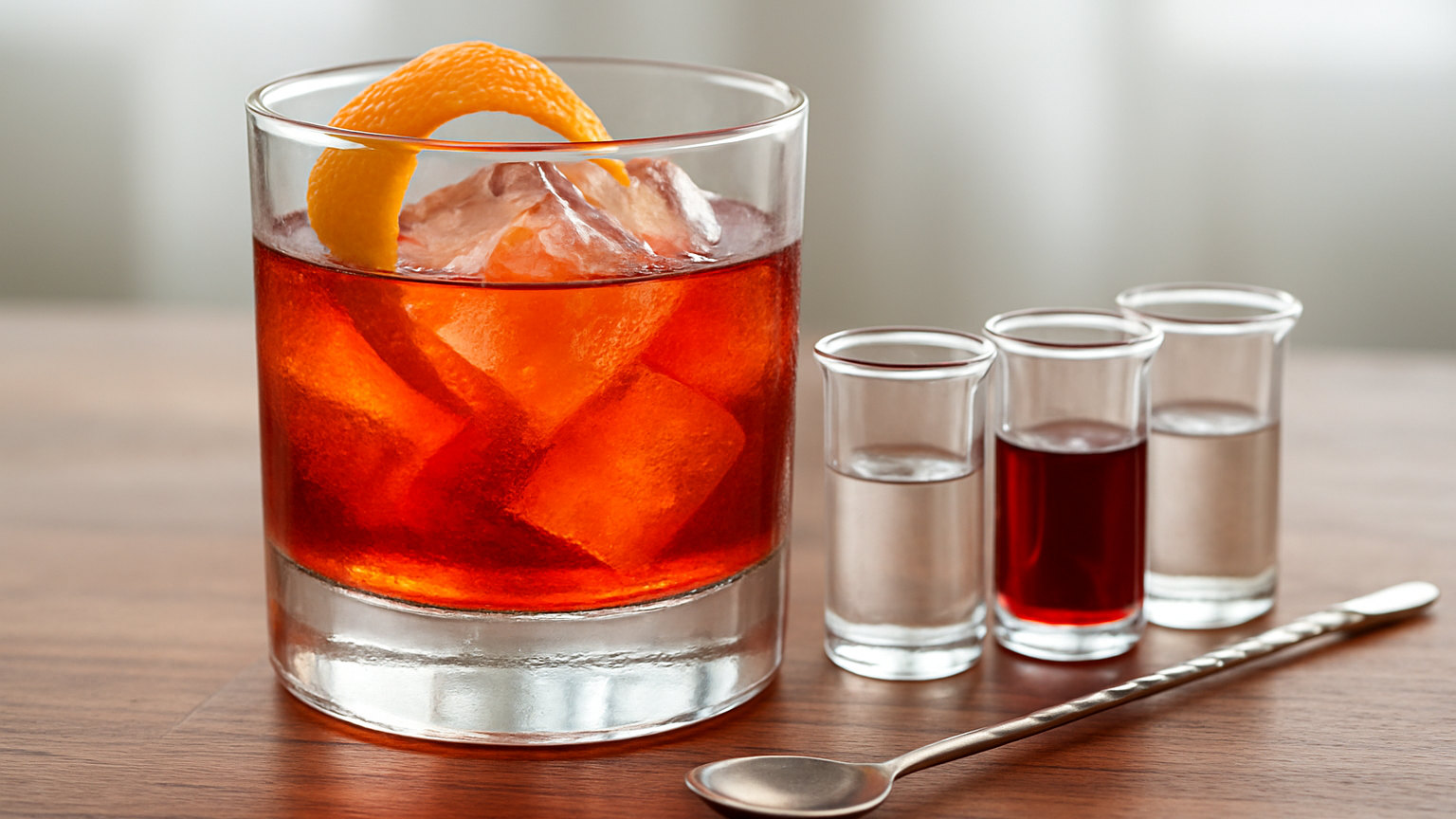
The drinks worth learning first - negroni, old fashioned, daiquiri, margarita - in both measures.
Five drinks cover the main structures, and learning them in order teaches the templates that every other cocktail is built on.
The recipes we treat as fixed were recorded by a handful of bartenders in a handful of books, and a great many of the origin stories attached to them are not reliable.
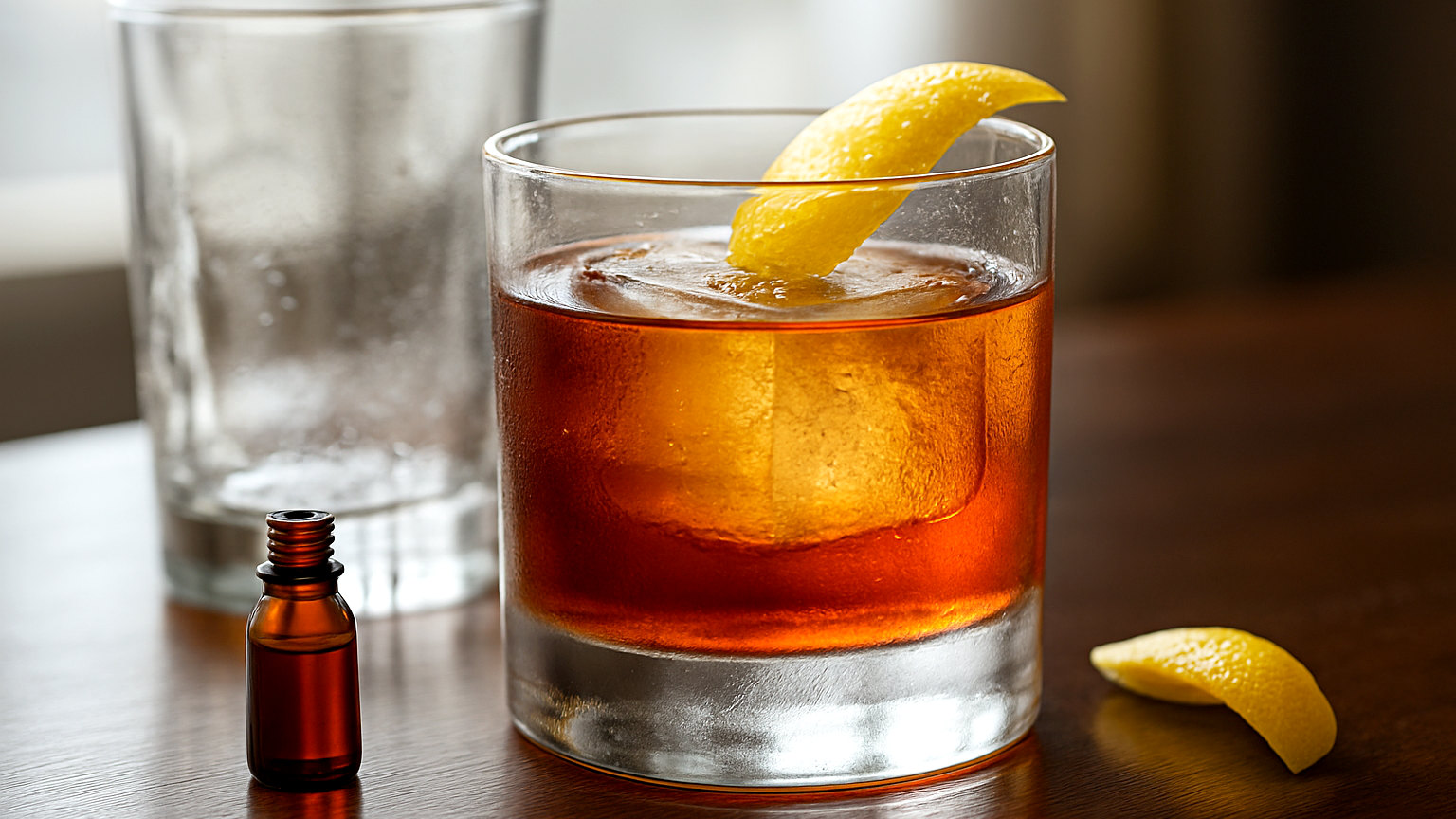
Swap the gin in a negroni for bourbon and the drink changes more than the single substitution suggests. It is richer, sweeter and better suited to cold weather.
A surprising number of great cocktails use identical measures of three or four ingredients, and the reason is practical as well as structural.
Two drinks share a name, one is far better known than the other, and the book that recorded them included a warning about drinking four in succession.
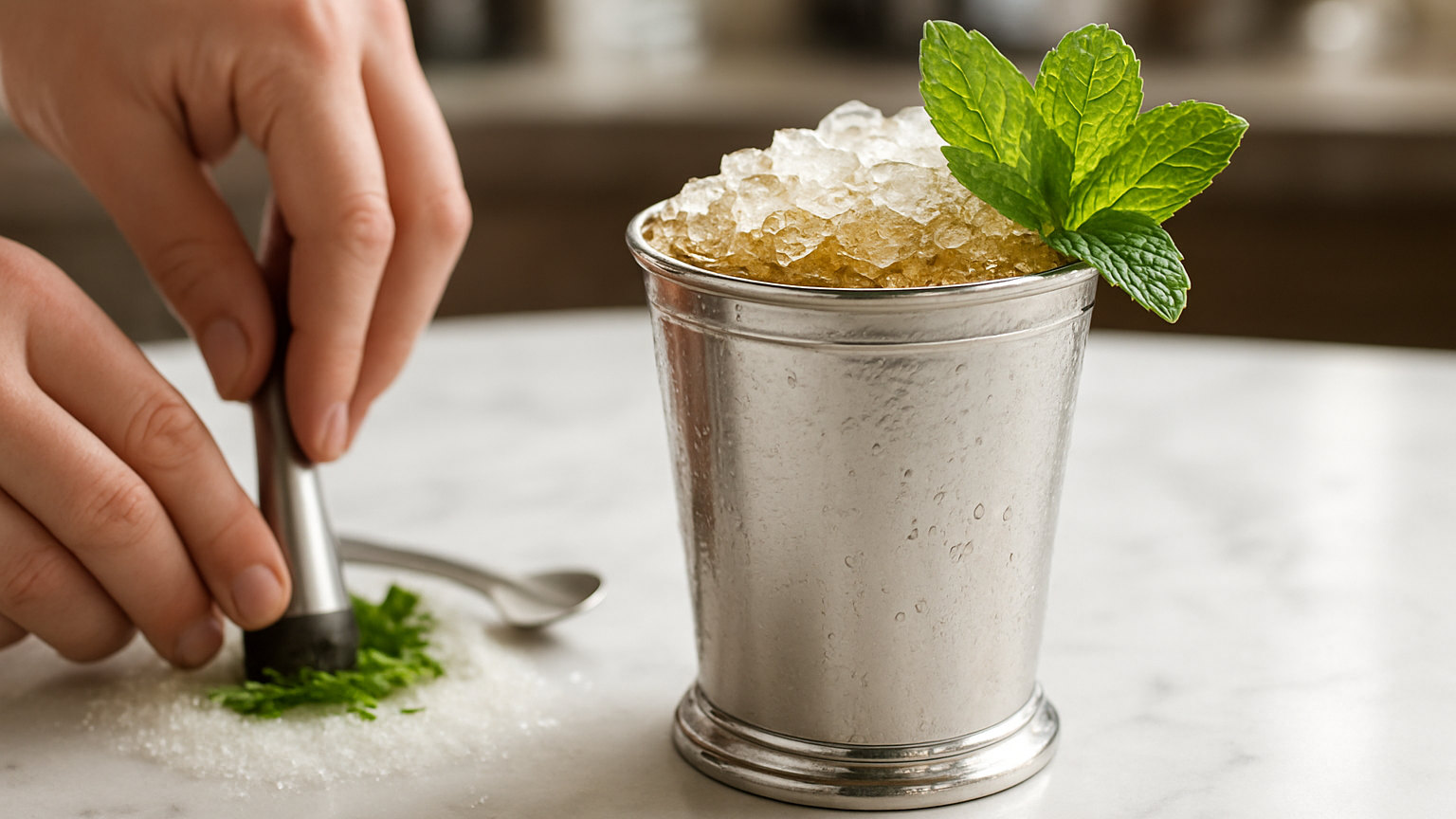
Bourbon, sugar, mint and a great deal of crushed ice. The technique matters more than the recipe, and bruising the mint is the mistake almost everyone makes.
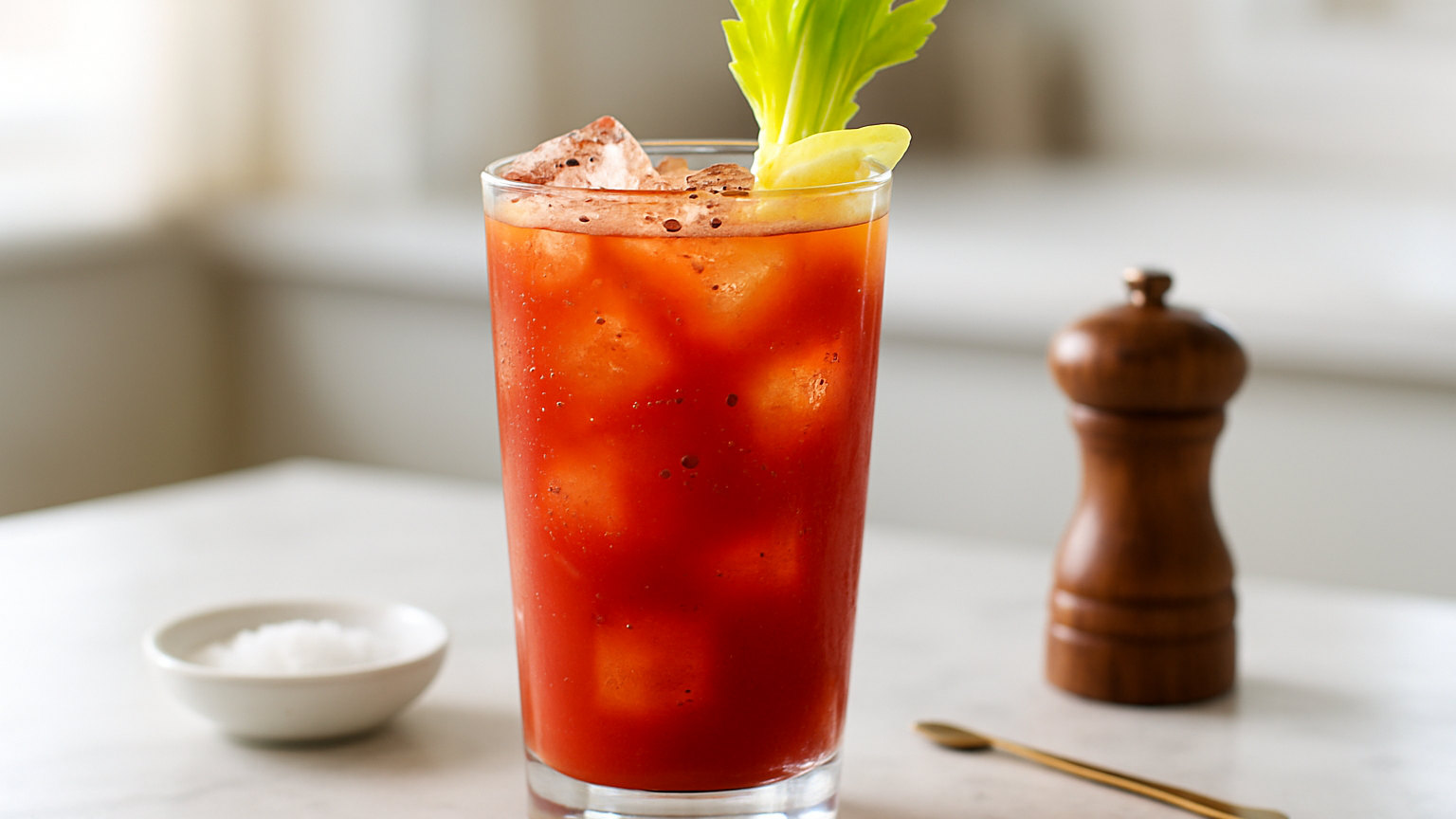
The only savoury drink in the classic canon, and the one where the recipe is least fixed. Getting it right is a matter of seasoning rather than of following a formula.
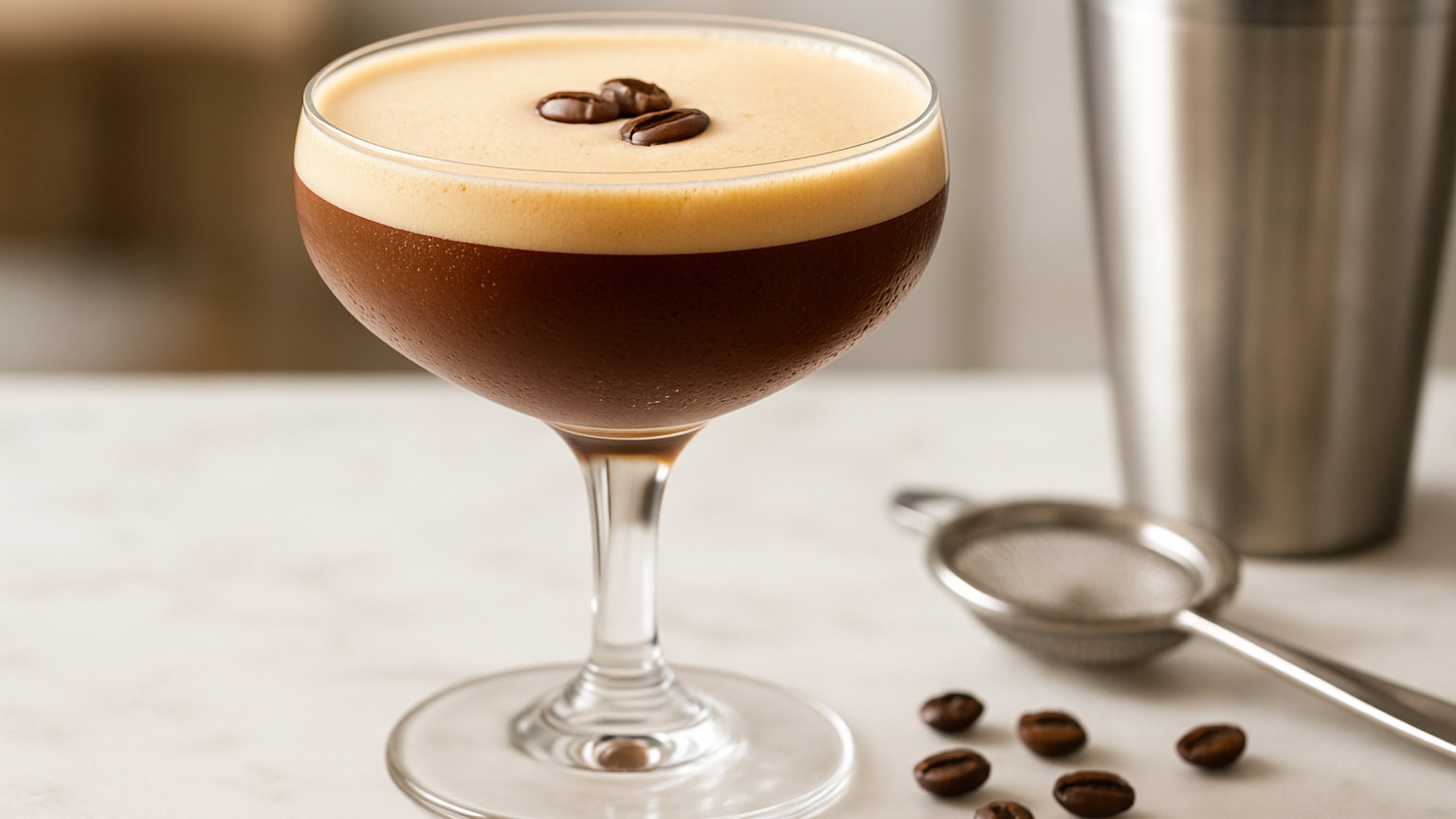
A drink invented in a London bar in the 1980s has become one of the most ordered cocktails in Britain, and the reason it works is a piece of physics rather than fashion.
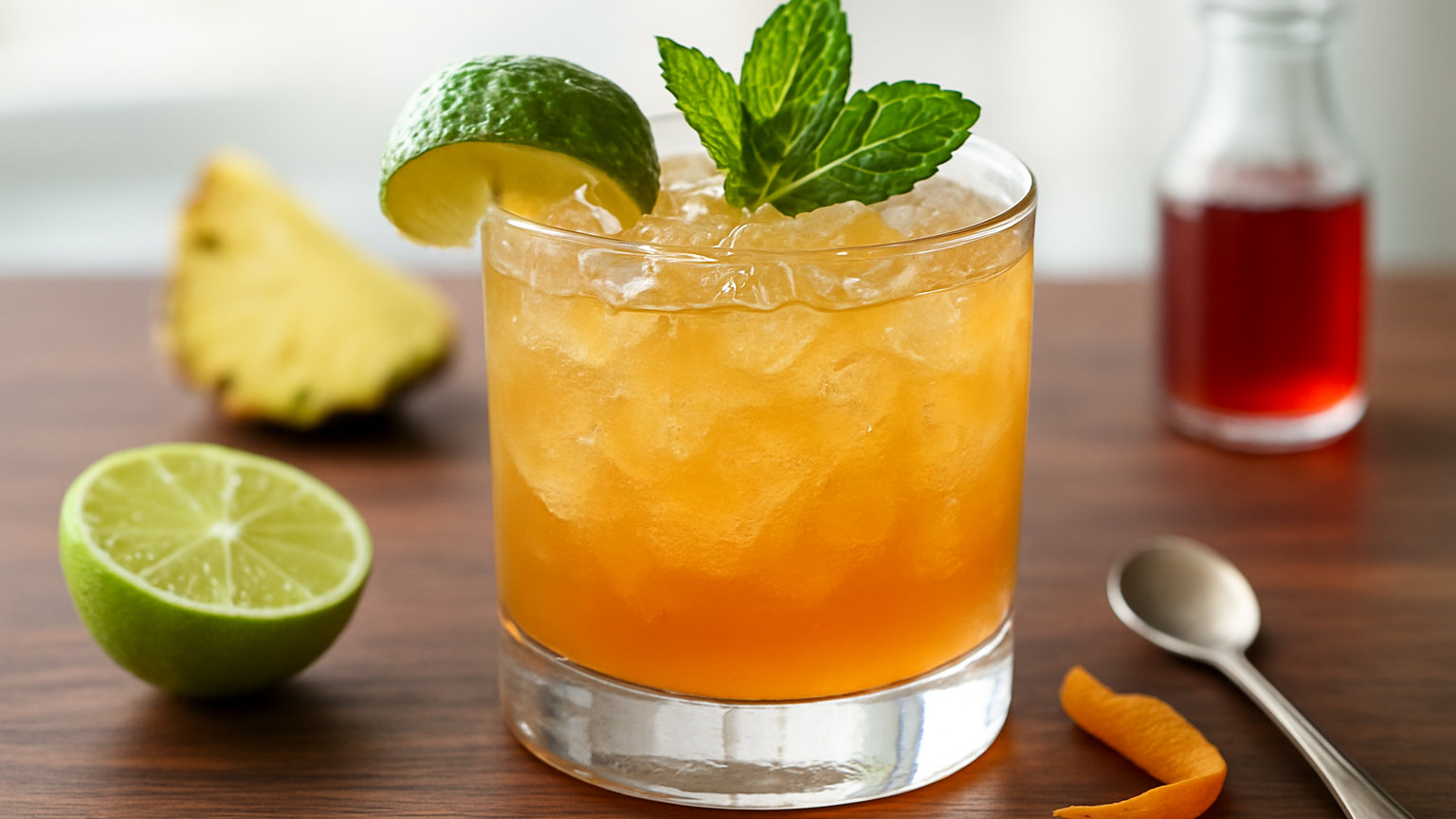
The original contains no pineapple juice, no grenadine and nothing red. What most bars serve under the name is a different drink entirely, and considerably worse.
New Orleans produced a drink with an absinthe-rinsed glass, its own bitters and a discarded lemon peel, and every part of the ritual does something.
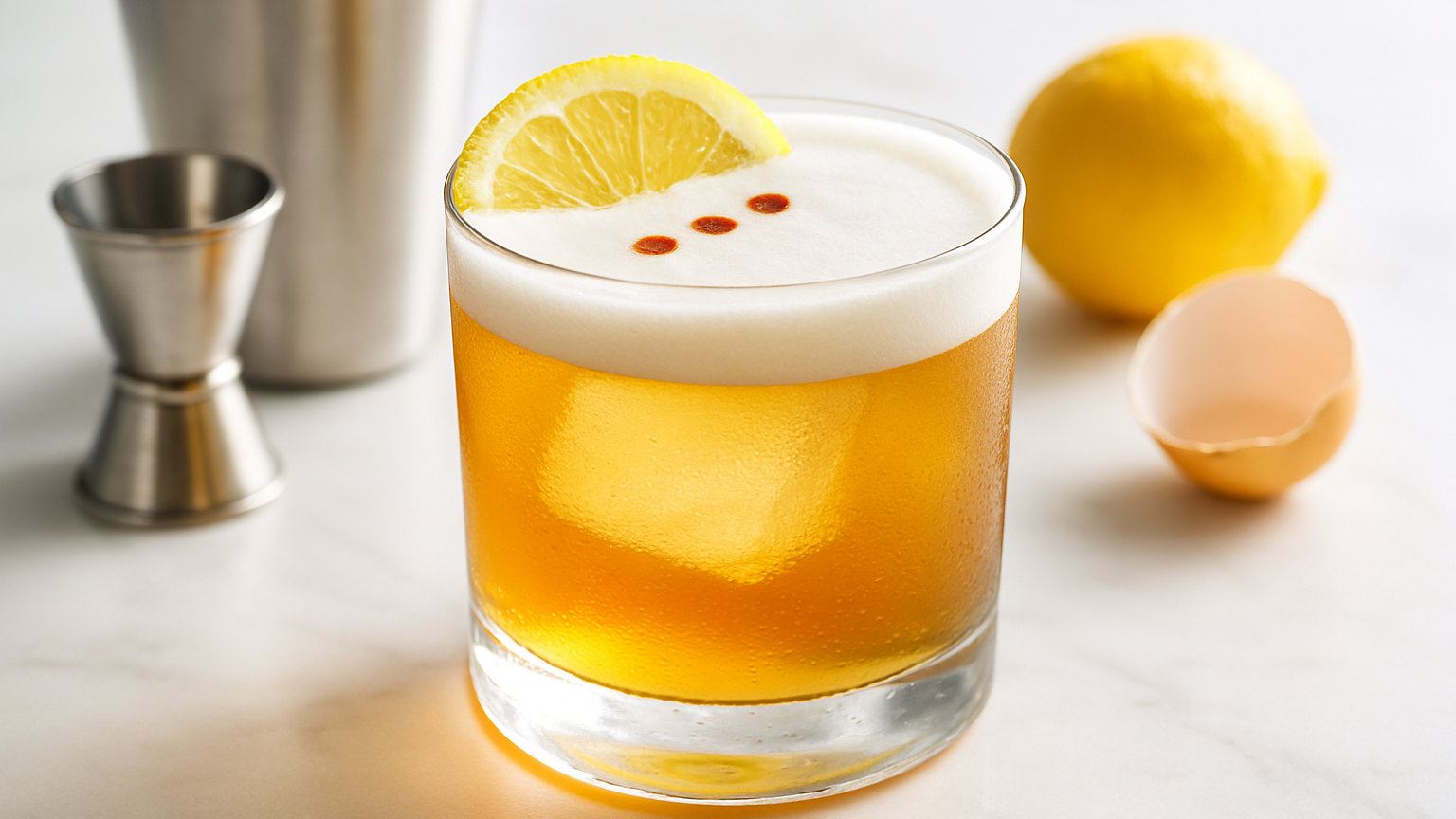
The sour template underlies half the cocktail canon, and the whiskey version is the clearest place to learn it. The egg white is optional and changes the drink considerably.
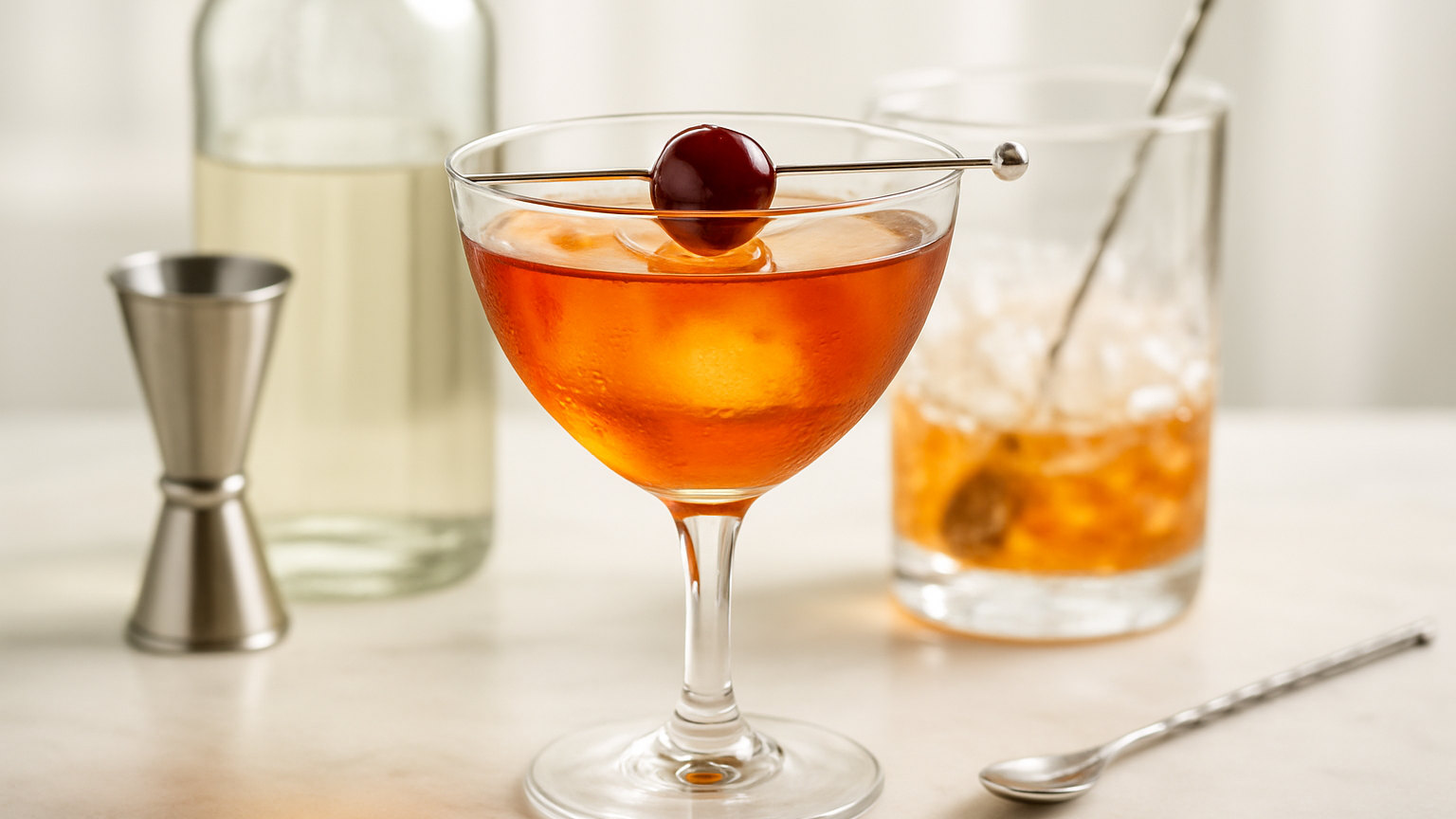
Whiskey, sweet vermouth and bitters, stirred and served up. The difficulty is not the recipe but the state of the vermouth, which is where most Manhattans fail.