How Do You Build a Bar Kit Over Time?
Buying everything at once produces a cupboard of unused equipment. Buying in stages, driven by drinks you actually make, produces a kit that earns its place.
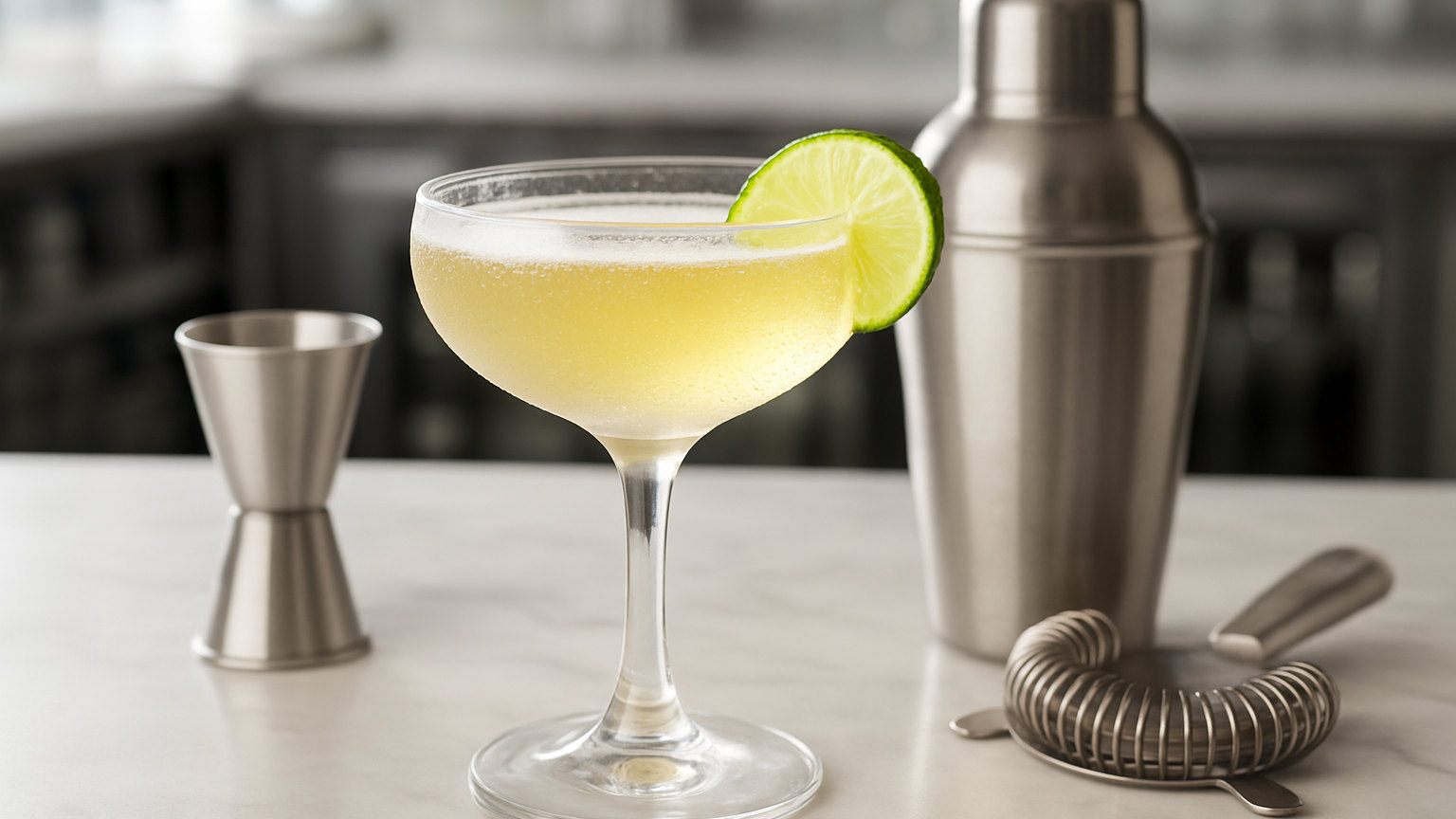
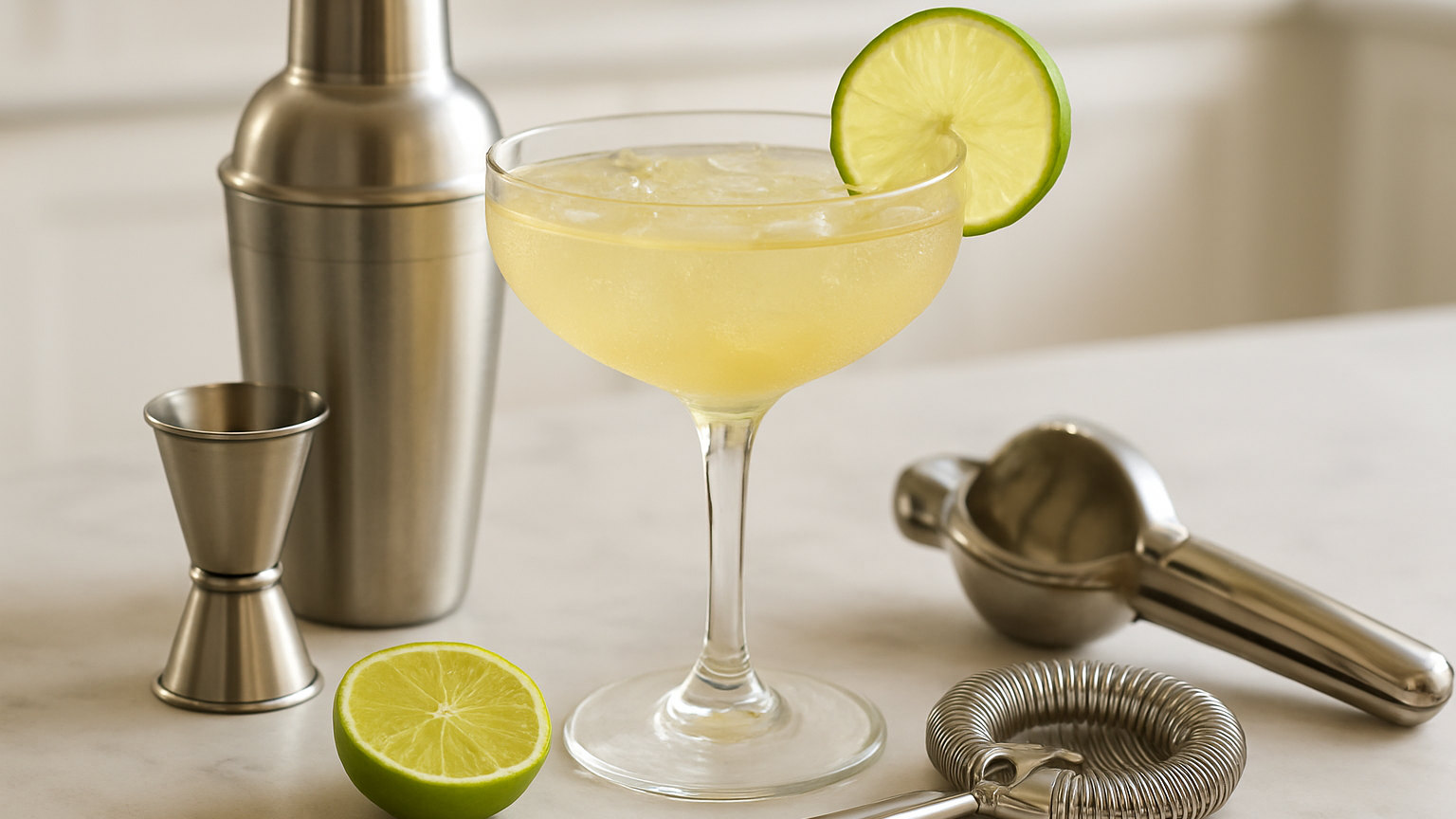
Shakers, jiggers, strainers and spoons - what is worth buying, and what a kitchen already does.
Buying everything at once produces a cupboard of unused equipment. Buying in stages, driven by drinks you actually make, produces a kit that earns its place.
Professional bars are built around speed and volume, and most of their equipment solves problems a home kitchen does not have.
A home bar is an arrangement rather than a piece of furniture, and the constraint that matters is whether making a drink is easy enough to be worth doing.
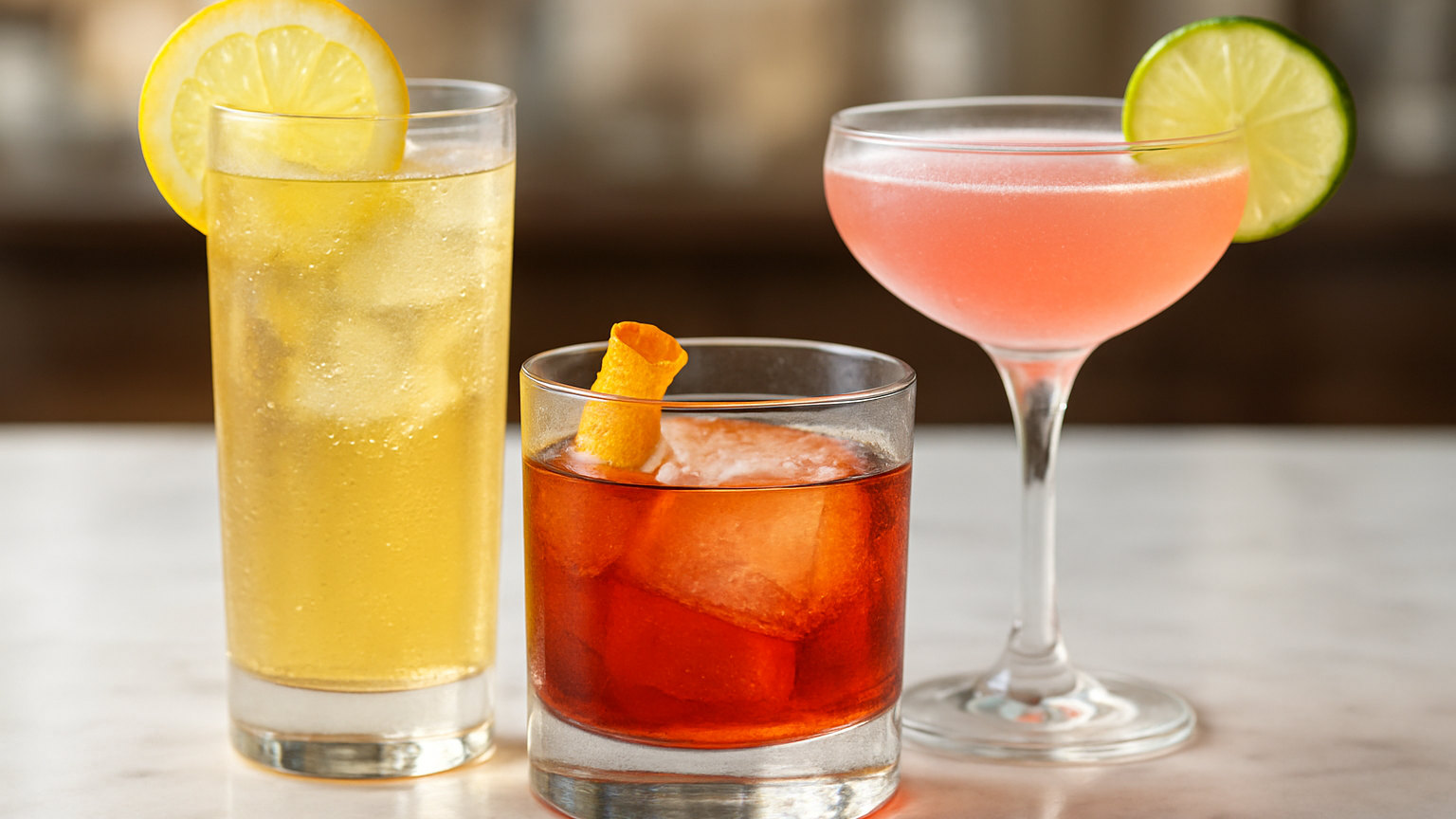
Shape does affect the drink, and considerably less than the number of available glasses implies. Three shapes cover everything.
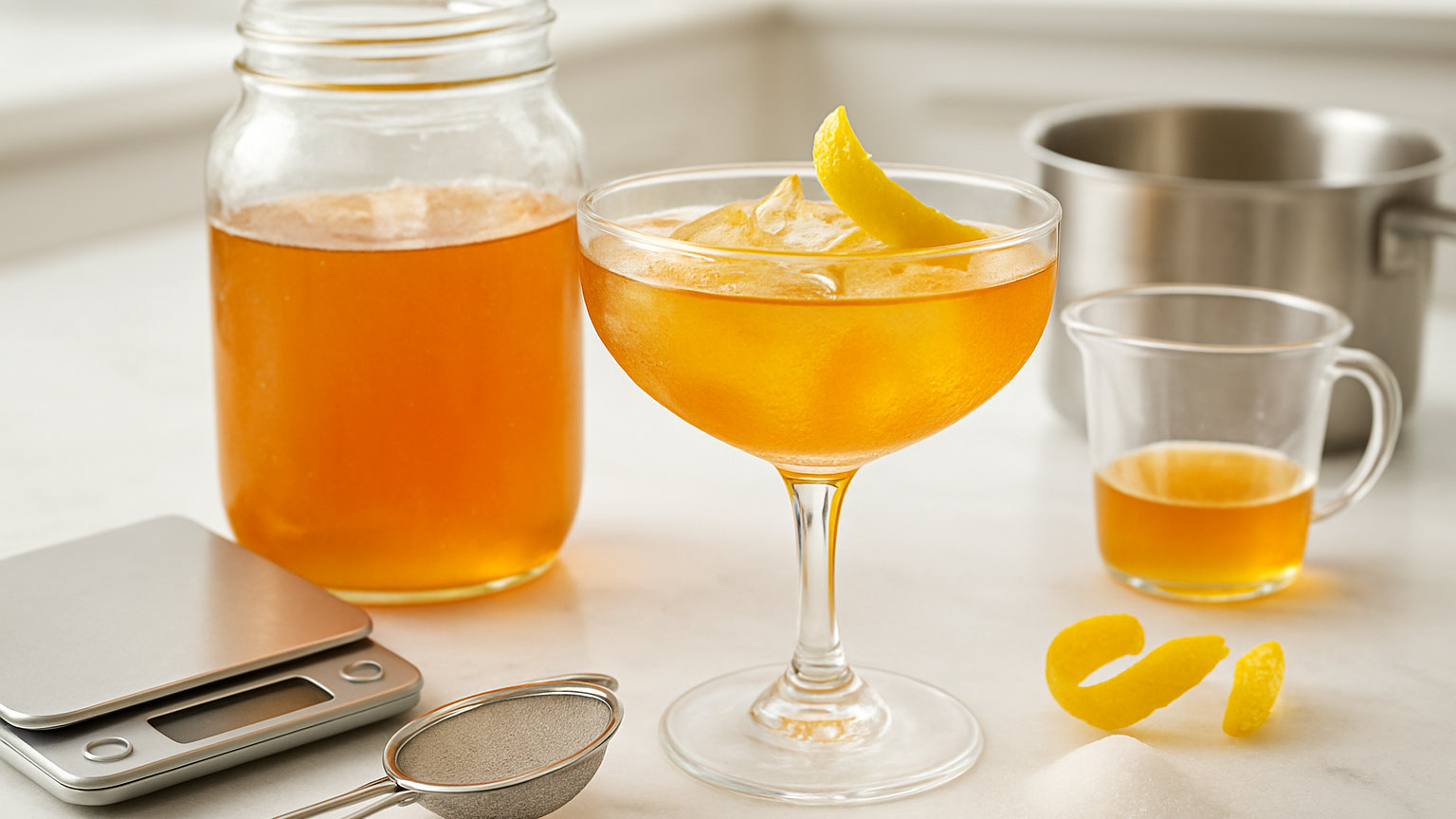
Almost all of it is already in a kitchen, and the two items worth buying specifically are a scale and something to strain through.
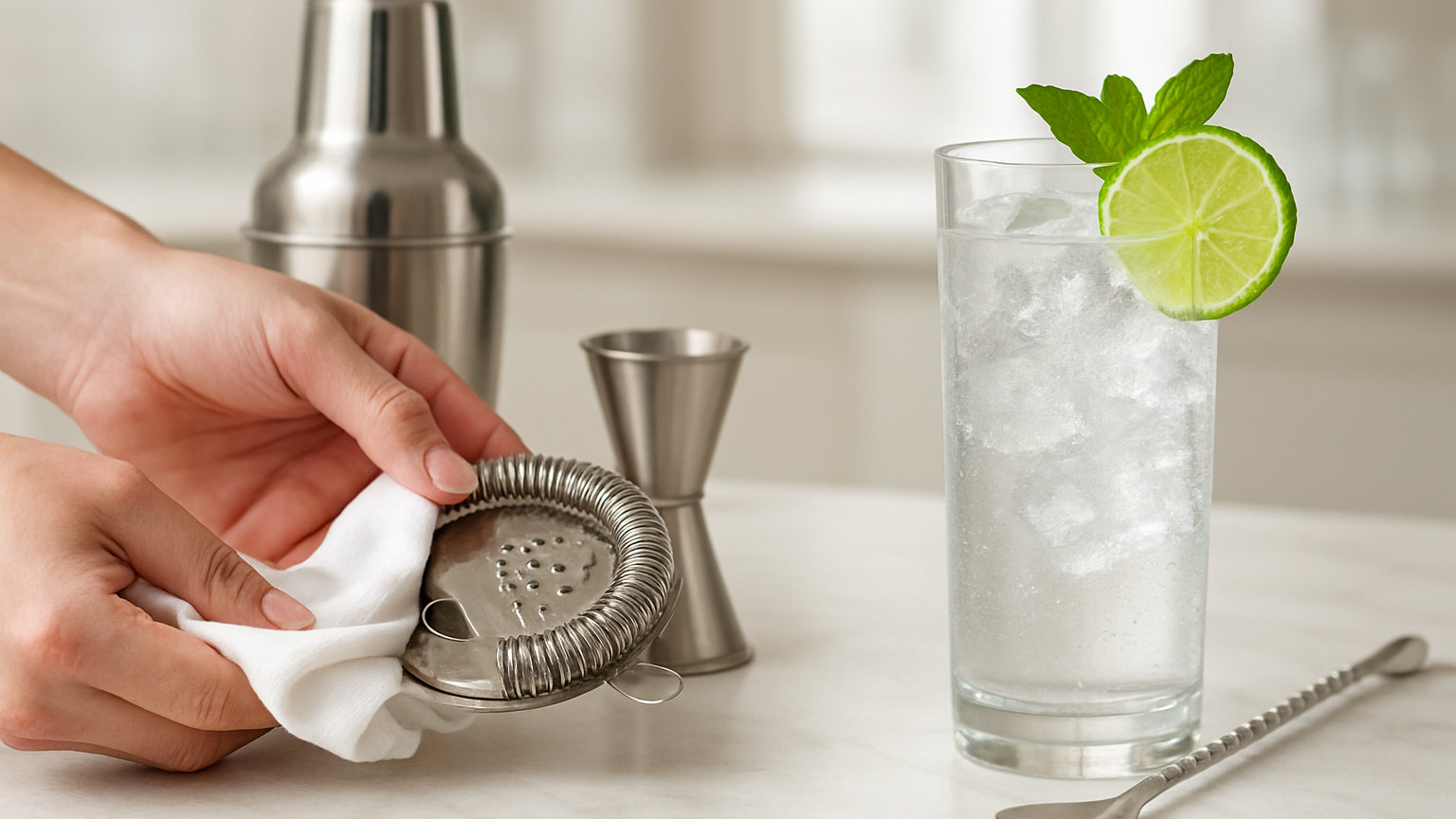
Most bar tools fail for the same few reasons, and all of them are preventable with a minute of attention after use.
A great deal of what is sold as essential is bought once and used never. Recognising which is which saves money and cupboard space.
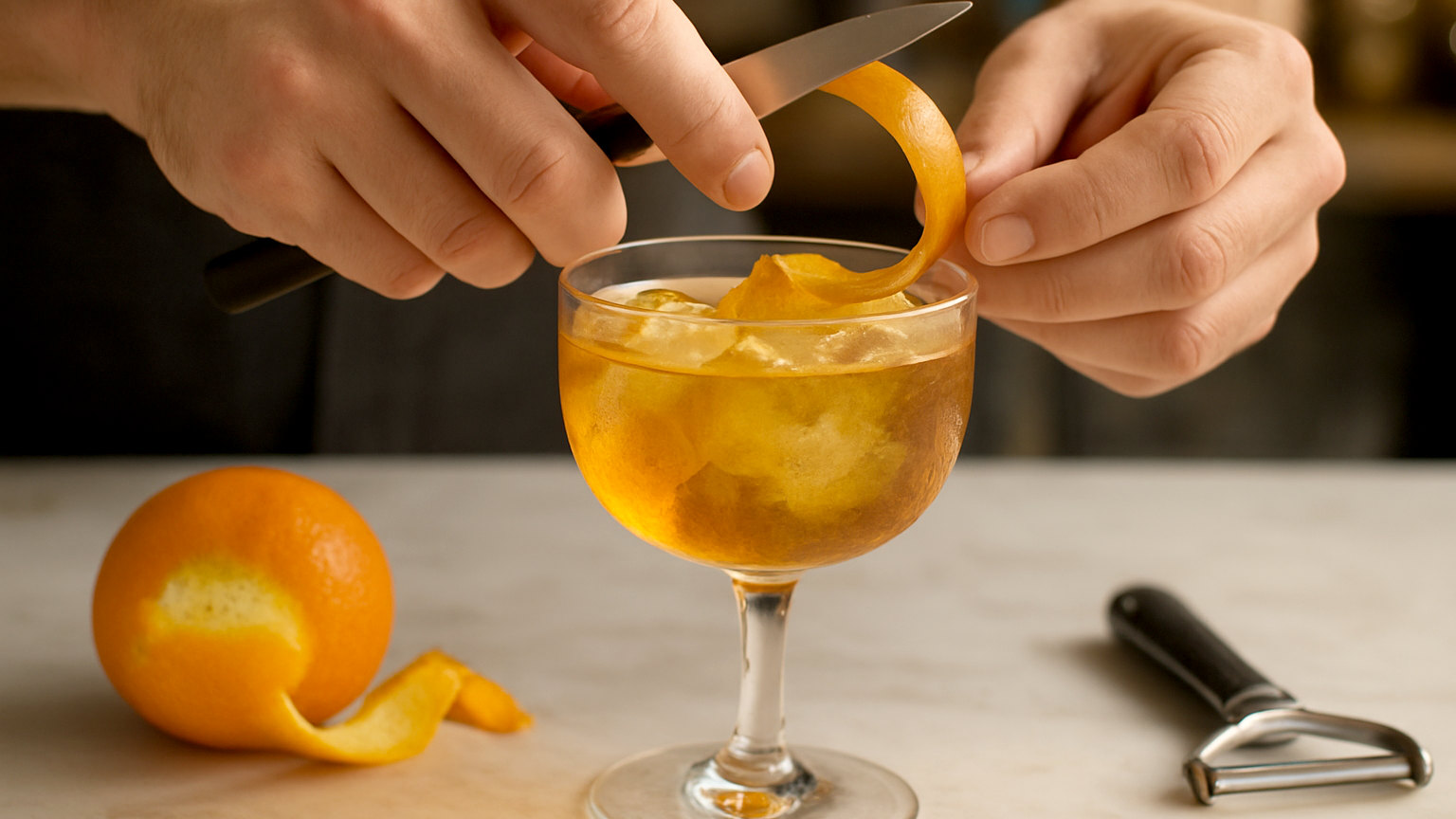
A citrus twist is not decoration. The oil expressed from the peel is a genuine ingredient, and the technique for getting it into the drink takes ten seconds to learn.
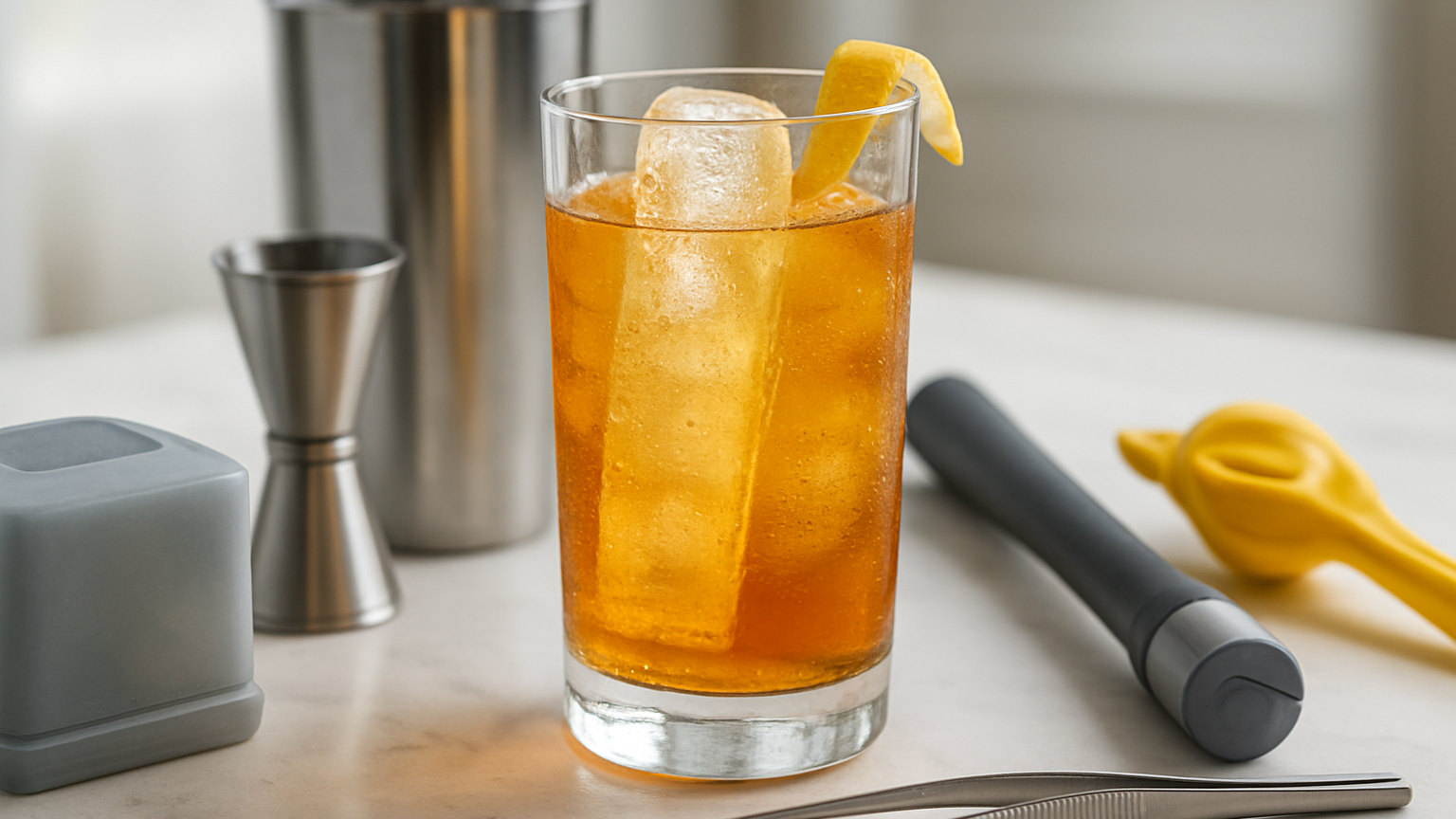
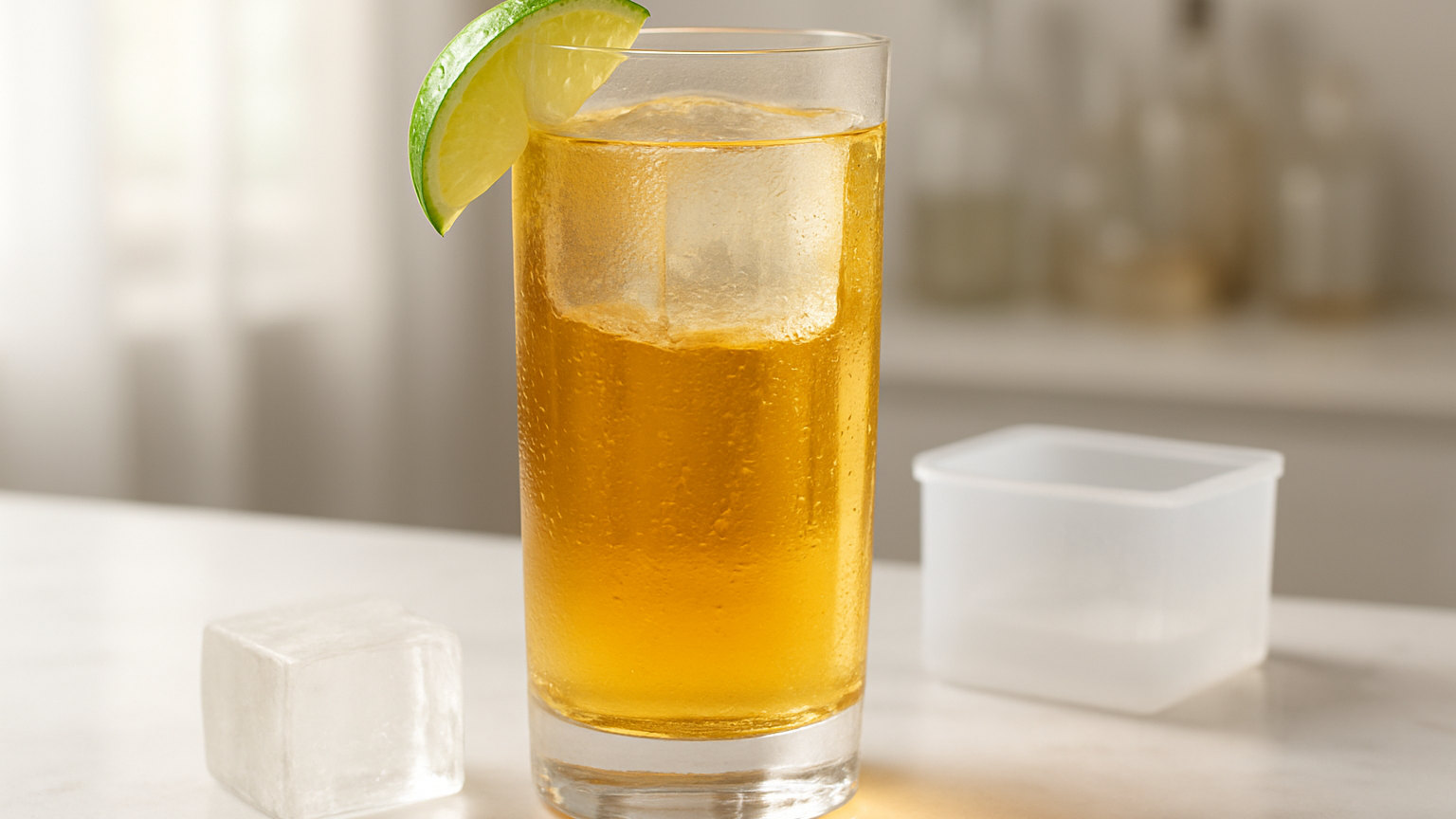
Ice affects a drink more than most ingredients and costs almost nothing to improve. One silicone mould does most of the work.
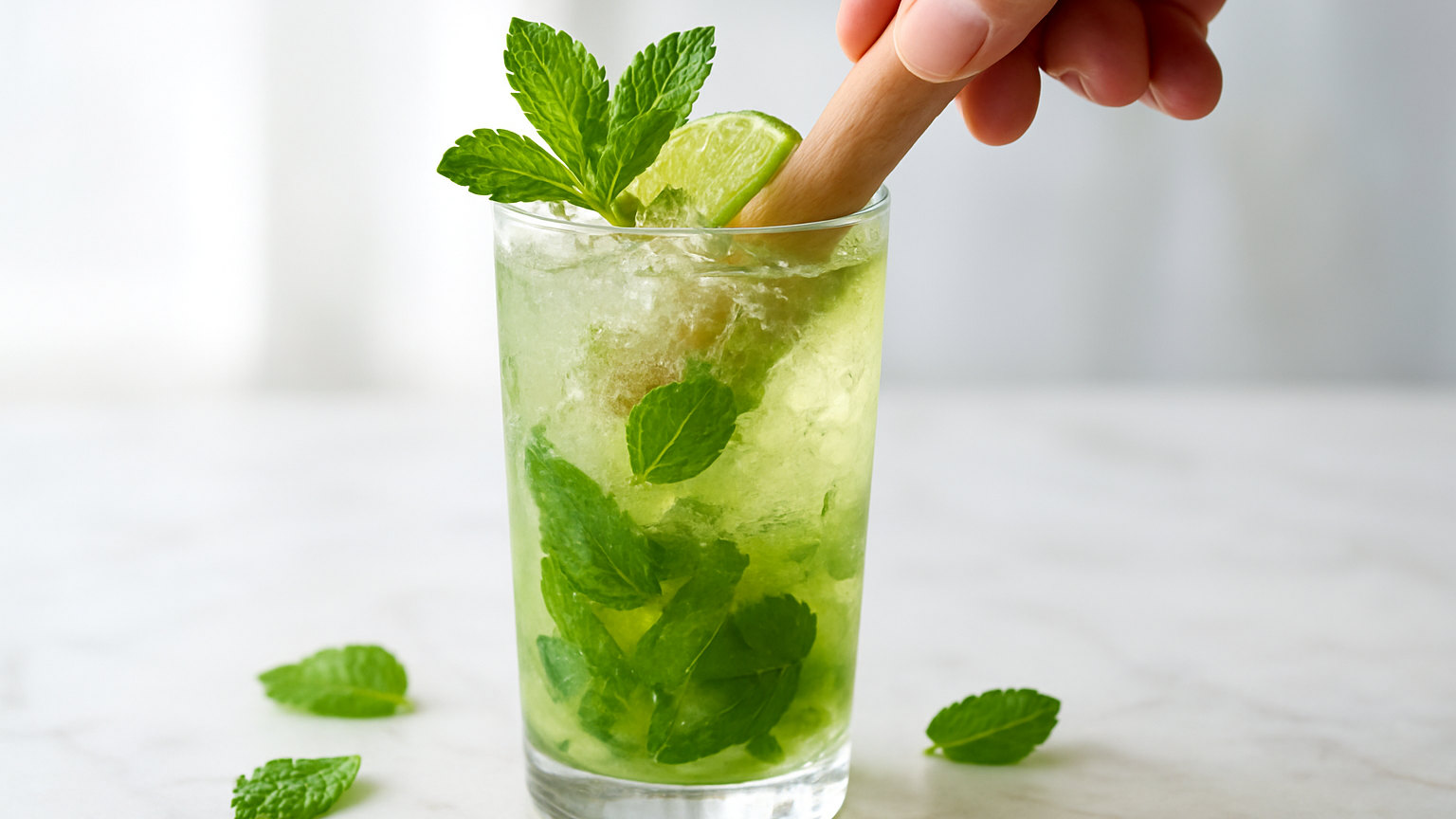
Muddling is the technique most commonly done wrong, and the usual error is doing it too hard. A great many drinks are ruined by enthusiasm at this stage.
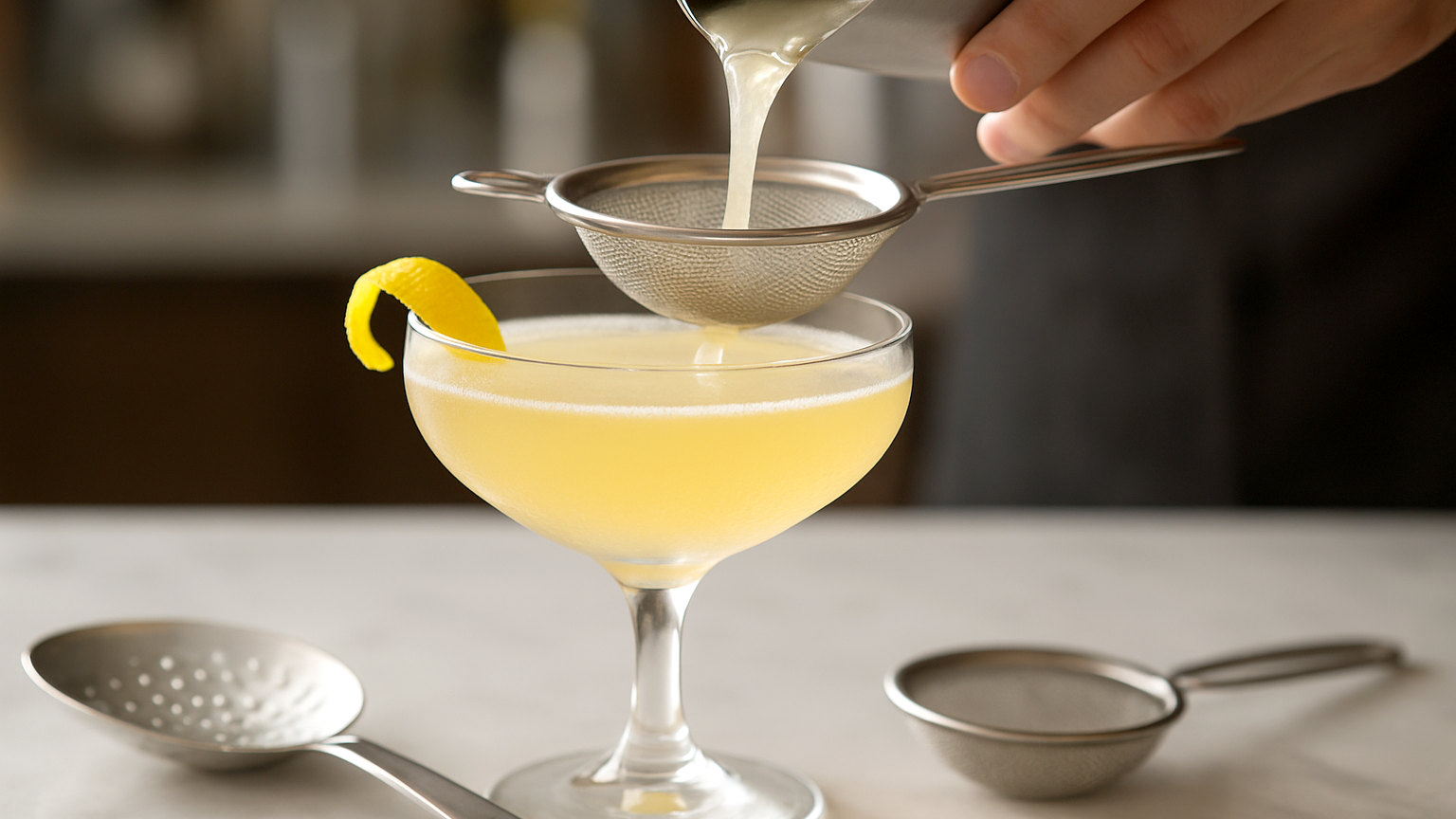
Three types exist and most homes need two. The difference between straining once and twice is visible in the glass and takes an extra second.
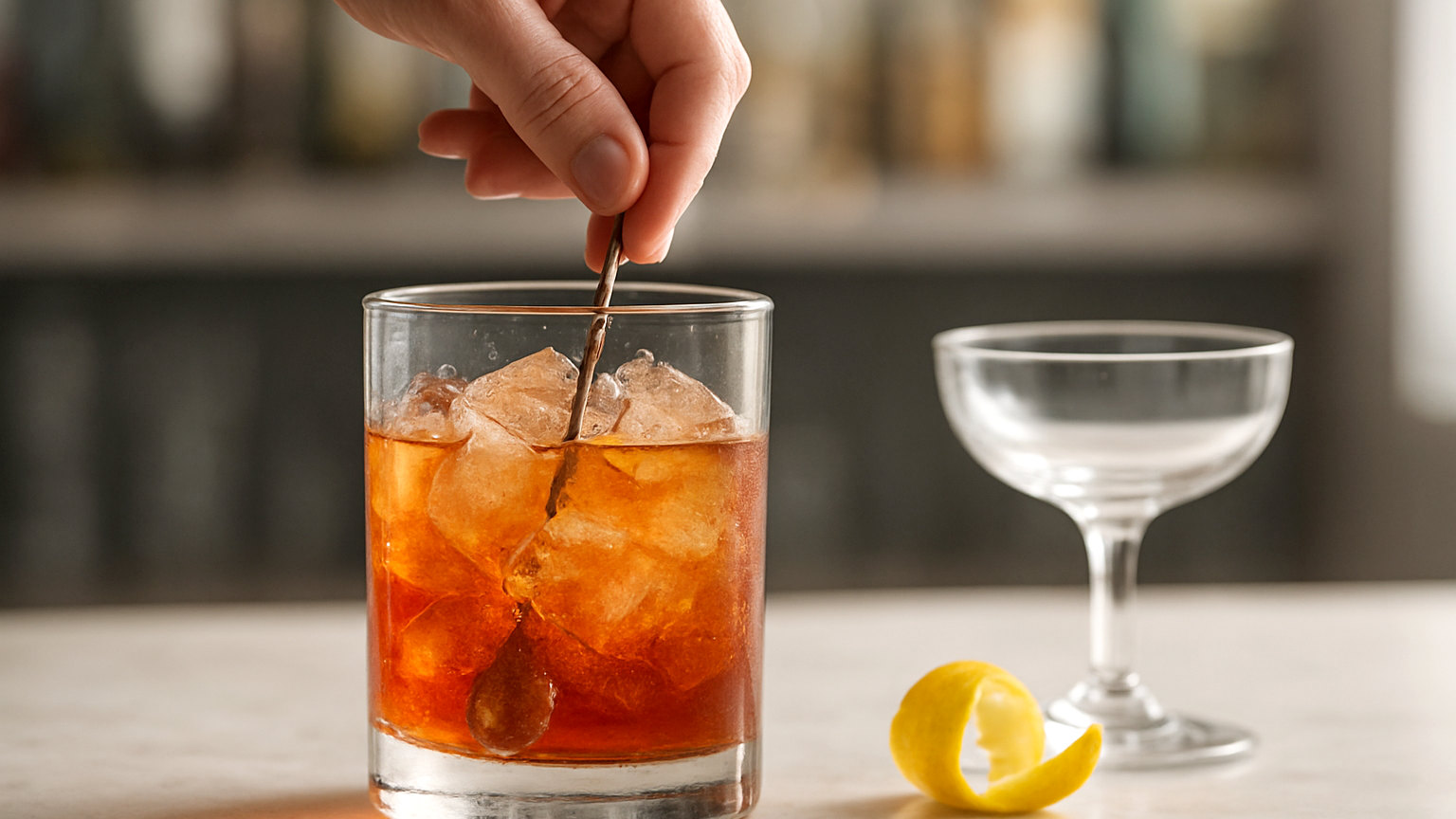
The long spiral shaft is not decoration. It is what allows a stirred drink to be chilled without chipping the ice, and no kitchen utensil replaces it.