What Is Hefeweizen, and Where Does the Banana Come From?
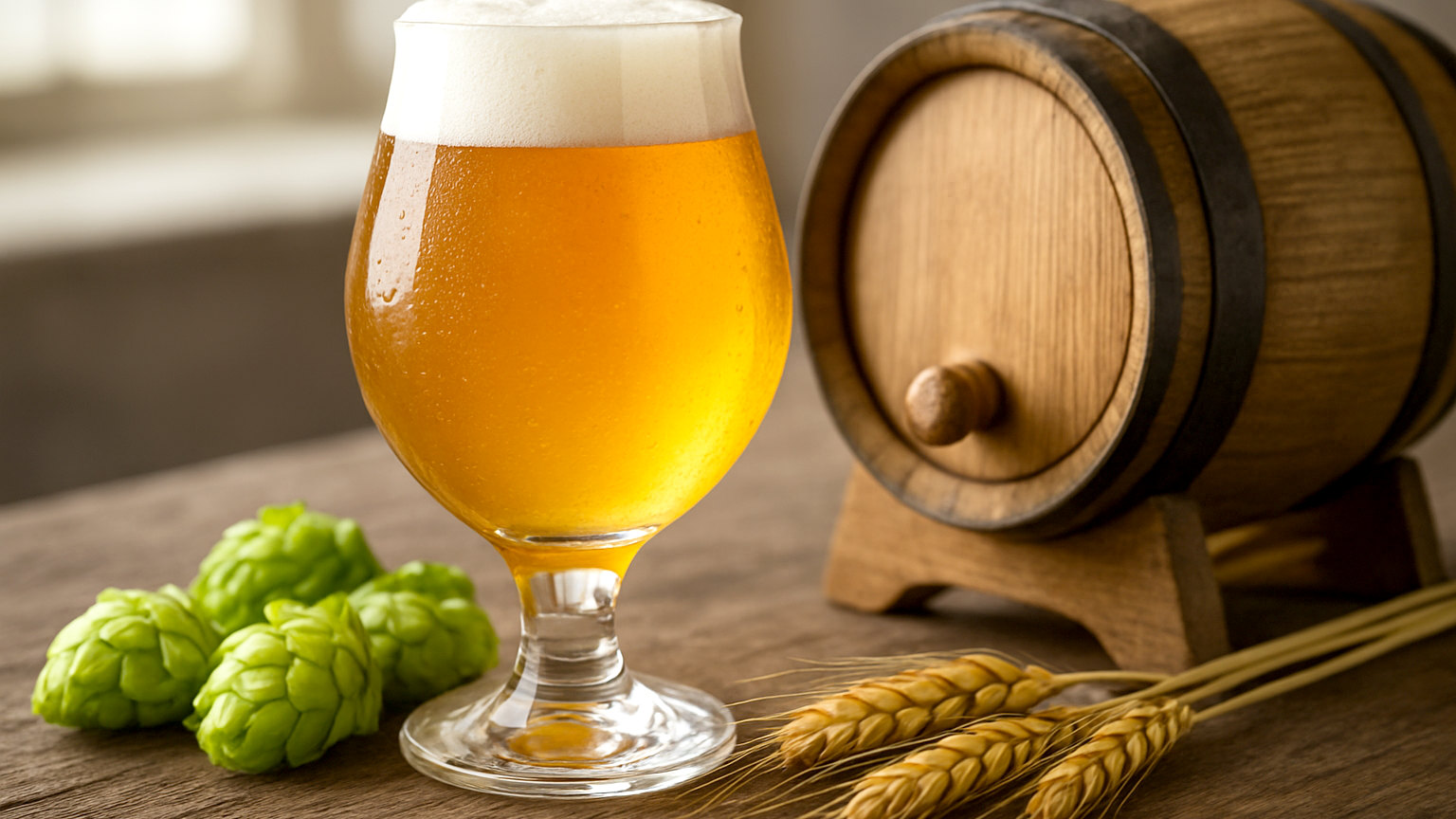
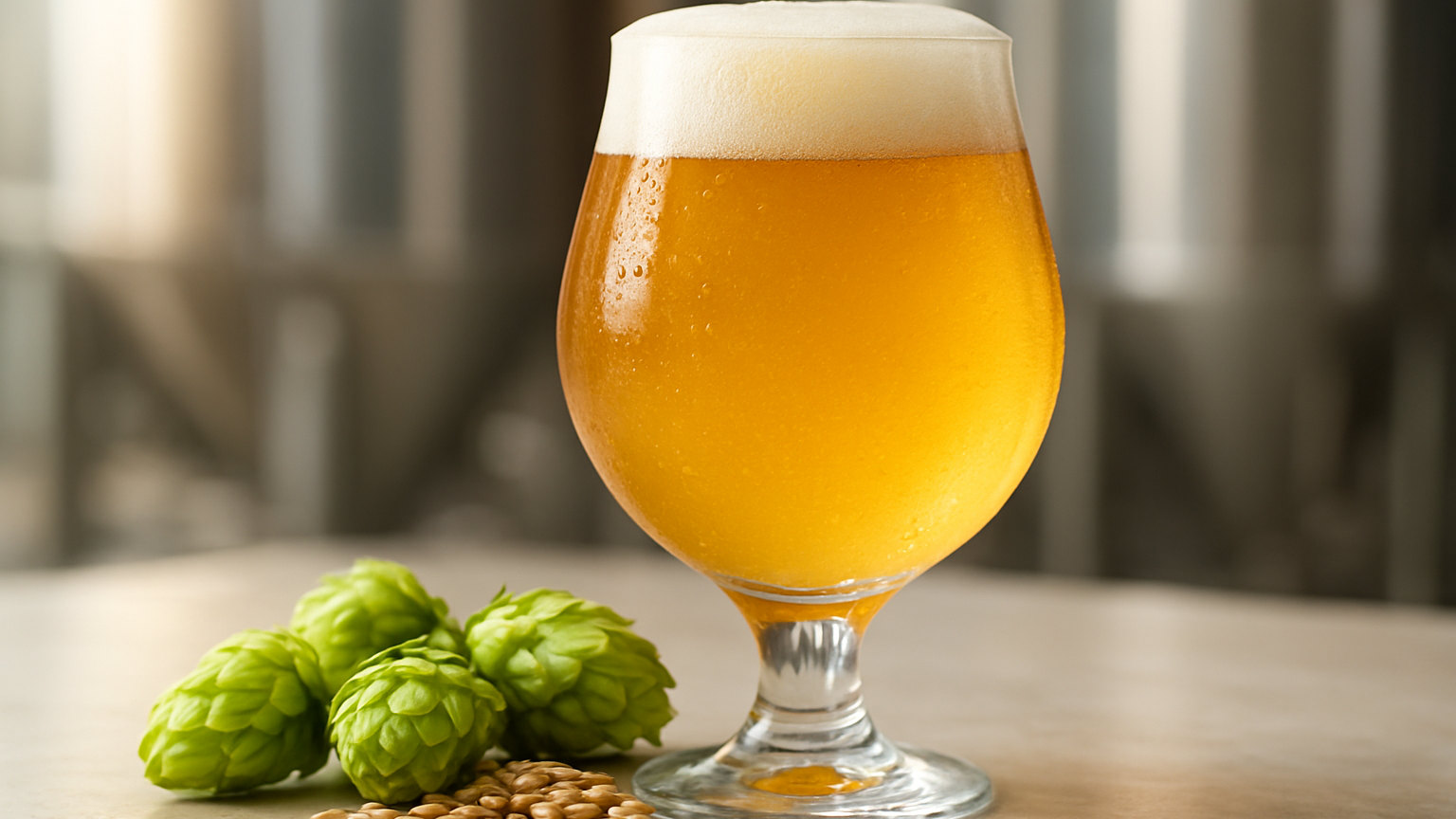
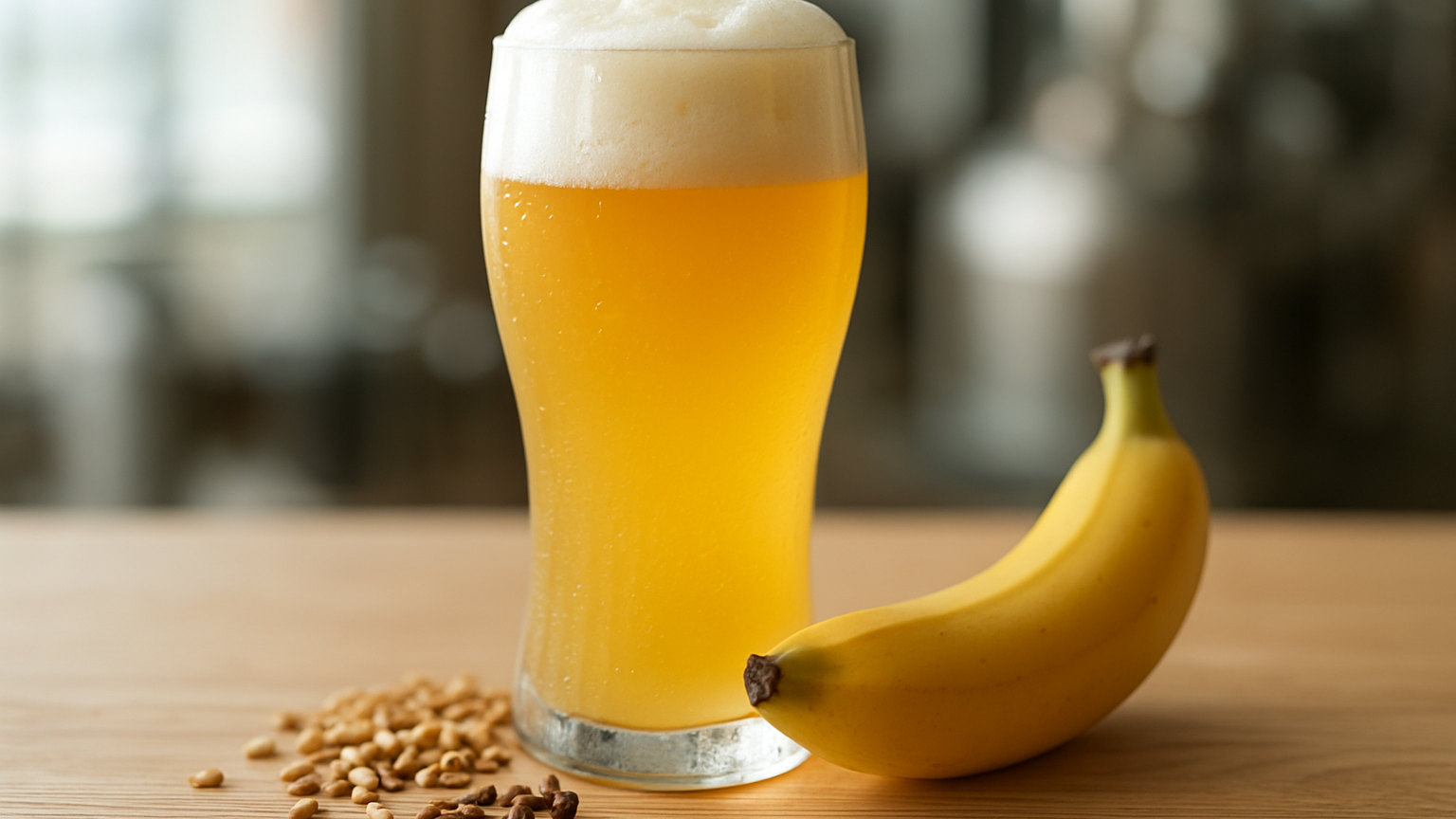
Nobody adds banana or clove to a German wheat beer. Both come from the yeast, and the brewer controls how much of each appears through temperature and mash decisions.
Beer went from a handful of styles to hundreds in about a decade, and the labels stopped being much help. These guides explain what actually defines each style, what hops and malt are doing, and how to work out what you like without buying forty cans to find out.
Nobody adds banana or clove to a German wheat beer. Both come from the yeast, and the brewer controls how much of each appears through temperature and mash decisions.
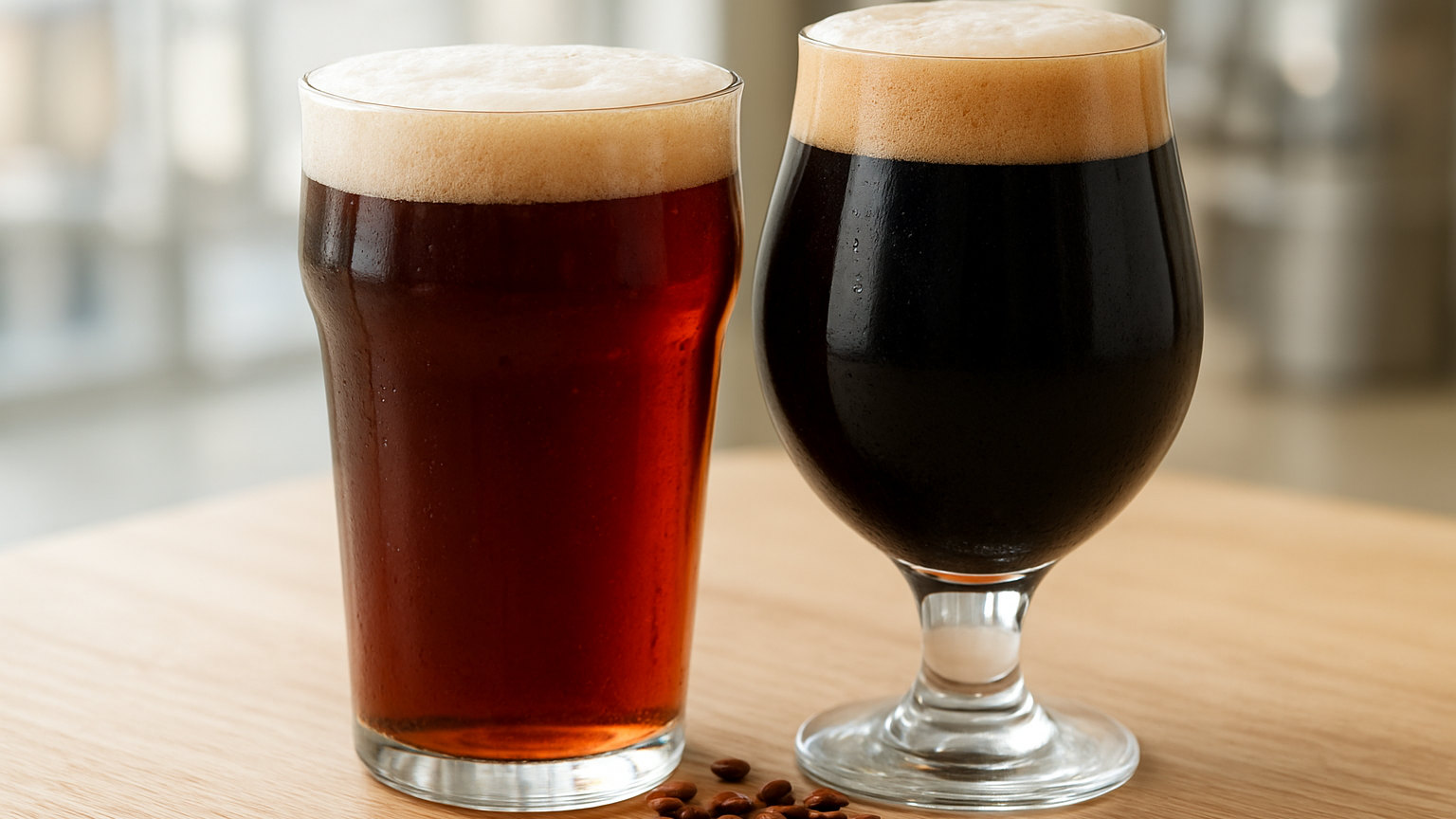
Porter was the first beer produced industrially, and it made the fortunes that built modern brewing. The famous story about how it was invented is almost certainly untrue.
The story about extra hops and extra strength being added so beer would survive the voyage is repeated everywhere and is largely wrong. The real history is less tidy and more interesting.
Bitter is Britain's defining beer style and takes its name from a comparison rather than from any great bitterness. Most of it is considerably less bitter than a modern pale ale.
The German beer purity law of 1516 is invoked constantly on labels and is not quite what people assume. It was partly a food safety measure and partly a piece of economic protectionism.
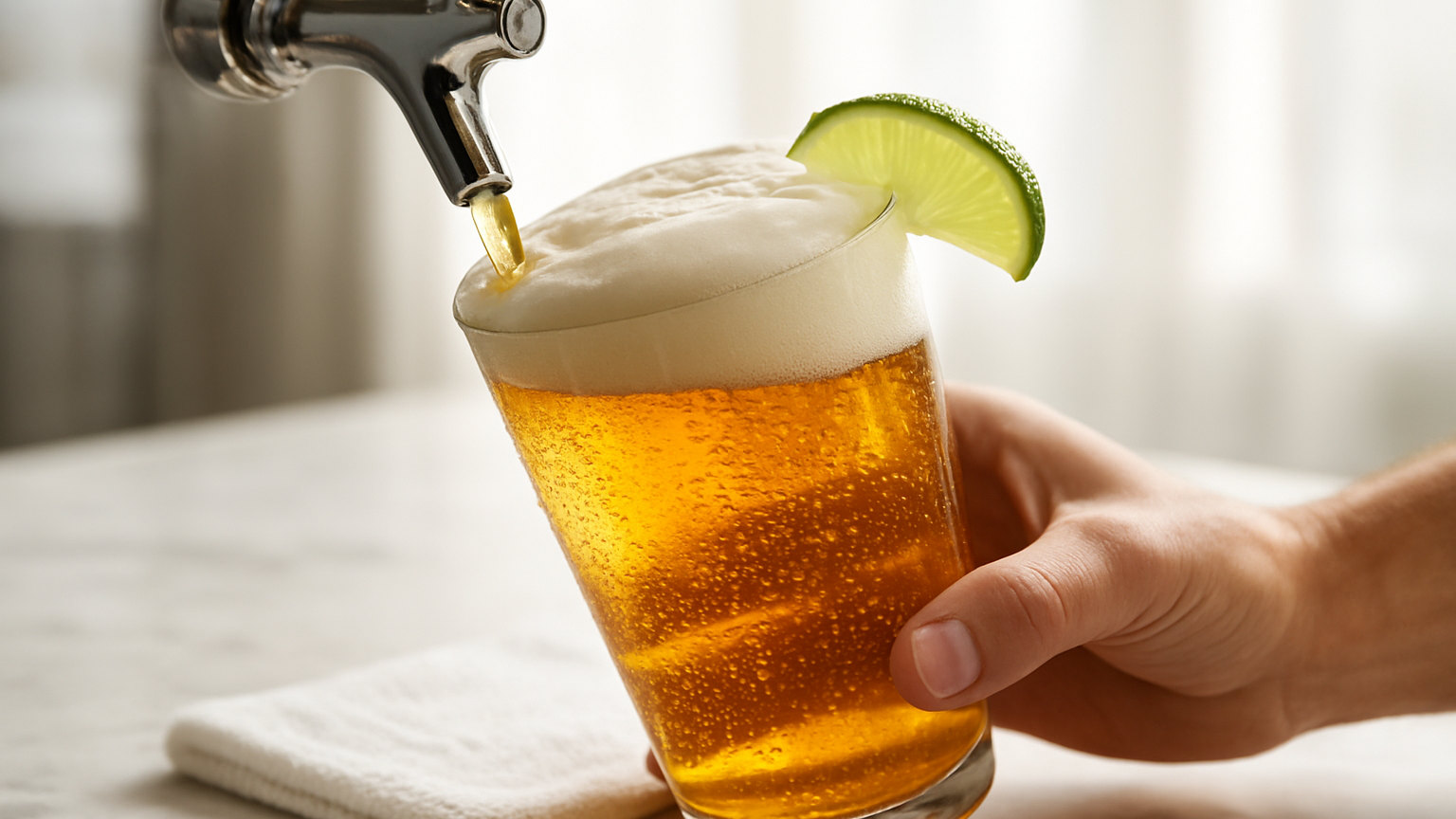
Pouring gently down the side of a glass to avoid foam produces a gassier, less aromatic beer. The correct technique deliberately creates a head, and it takes about ten seconds to learn.
Craft has no legal definition in Britain, which means anyone can use it. The American attempt to define it is more specific and produces some awkward results.
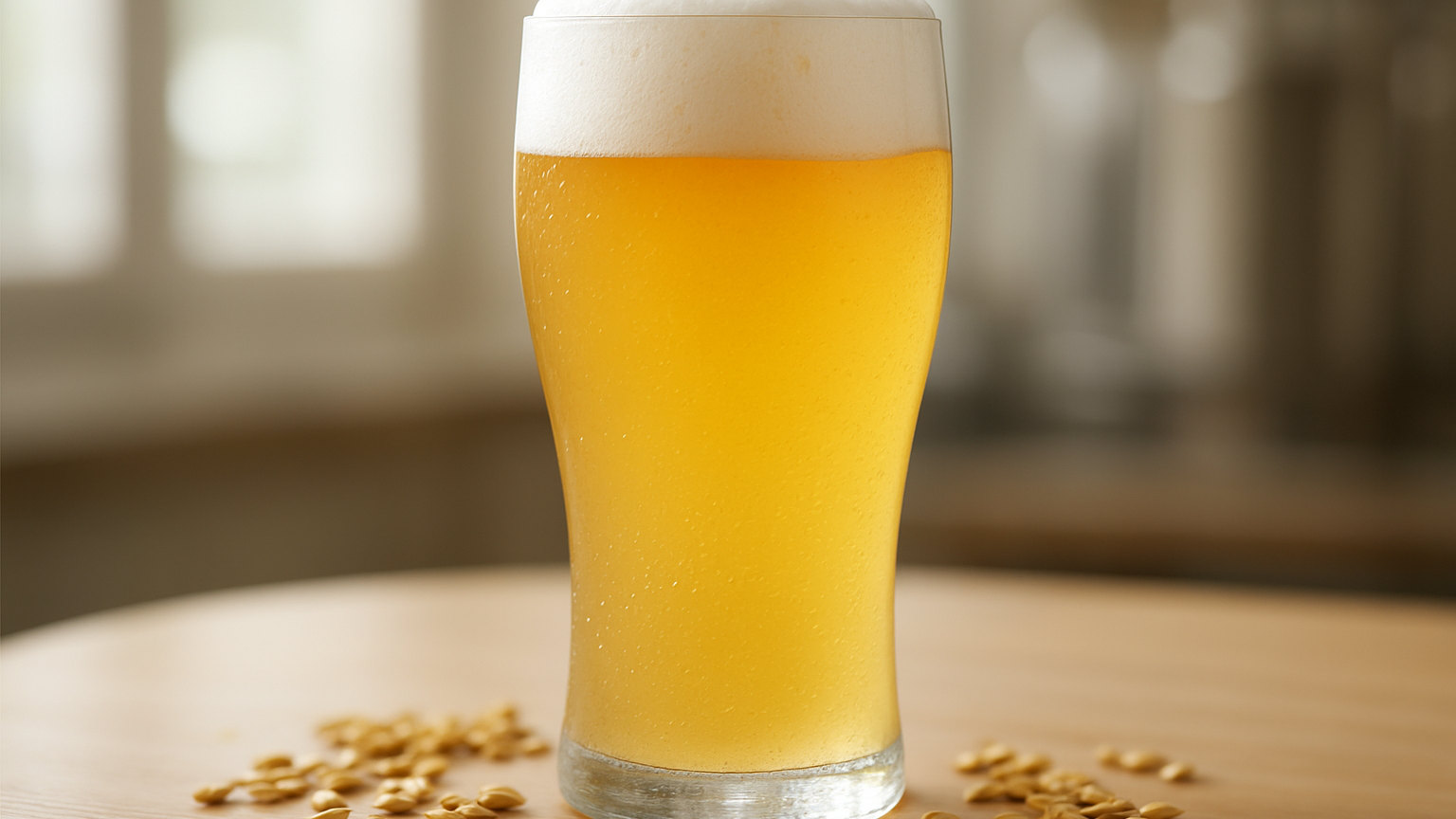
Wheat beer contains a large proportion of wheat alongside the barley, and the protein that comes with it produces both the haze and the thick head the style is known for.
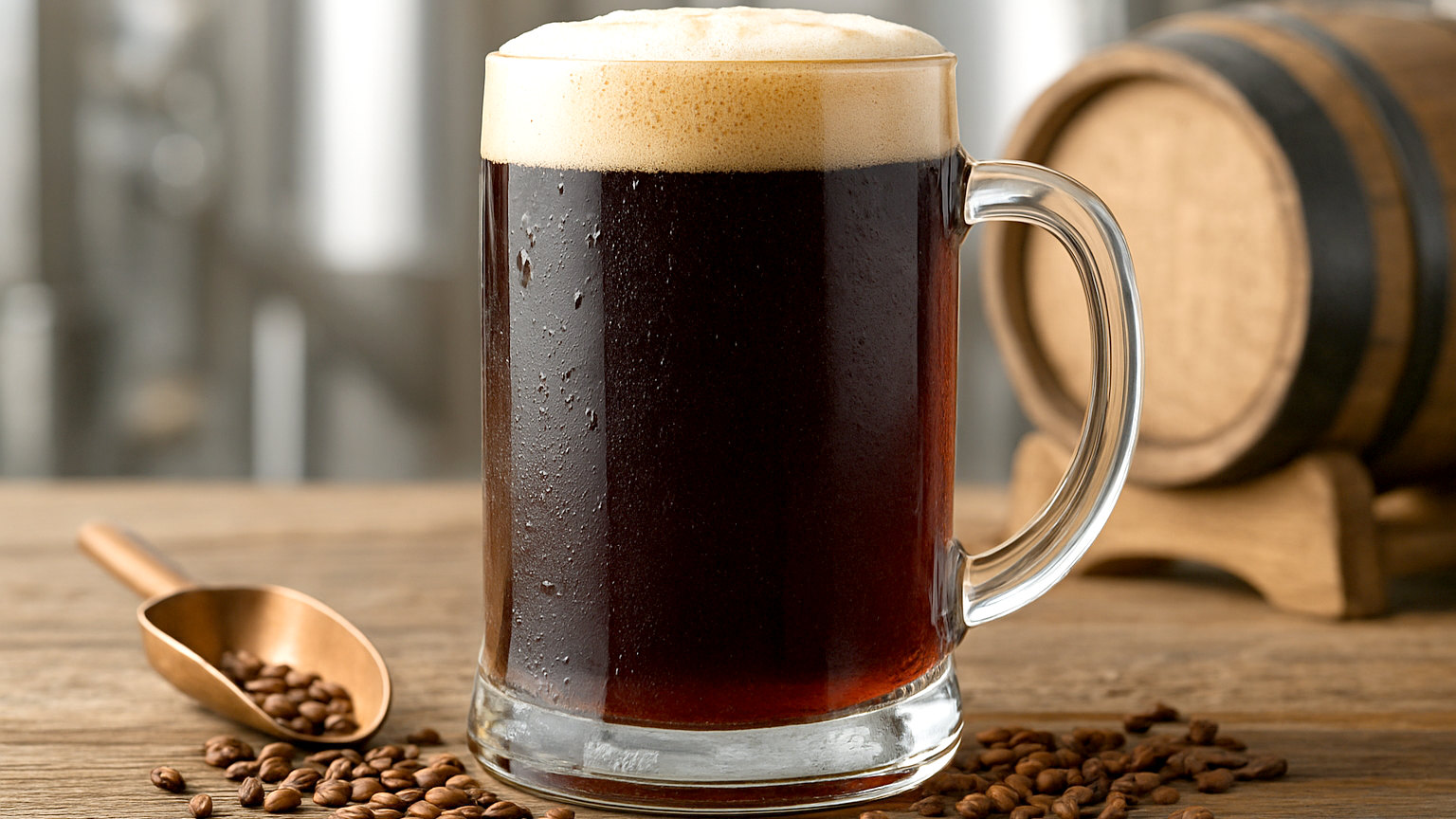
Stout began as a stronger porter and the two have been drifting apart ever since. There is no legal boundary, and the working distinction comes down to one ingredient.
India Pale Ale is one of the most recognised abbreviations in drinking and describes a style that has moved a very long way from the beer that carried the name.
Ale is defined by the yeast and the temperature it works at, which is why the family includes pale, brown, black, weak and extremely strong beers with little else in common.
Lager is defined by yeast and temperature rather than by colour or strength, which is why a dark German dunkel and a pale supermarket pilsner belong to the same family.