What Do Sulphites in Red Wine Actually Do?
Sulphites are the most blamed and least understood ingredient in wine. They are a preservative, they occur naturally in every bottle, and red wine contains less of them than white.
The main grapes, what tannin and body actually mean, and matching a bottle to what you are eating.
Sulphites are the most blamed and least understood ingredient in wine. They are a preservative, they occur naturally in every bottle, and red wine contains less of them than white.
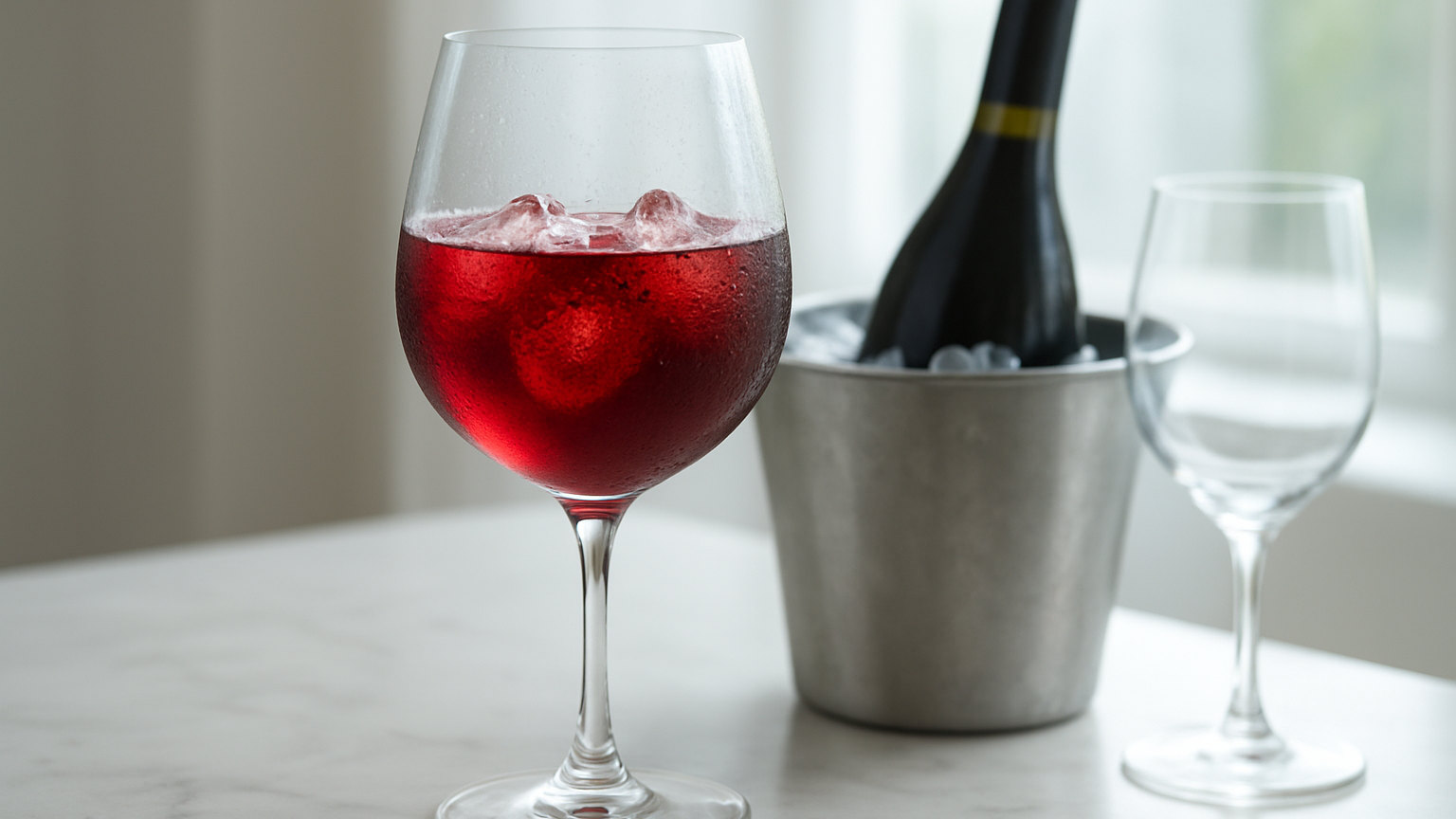
Chilled red wine sounds like a mistake and is a long-standing habit across southern Europe. The wines that suit it share a specific structure that makes cold an improvement.
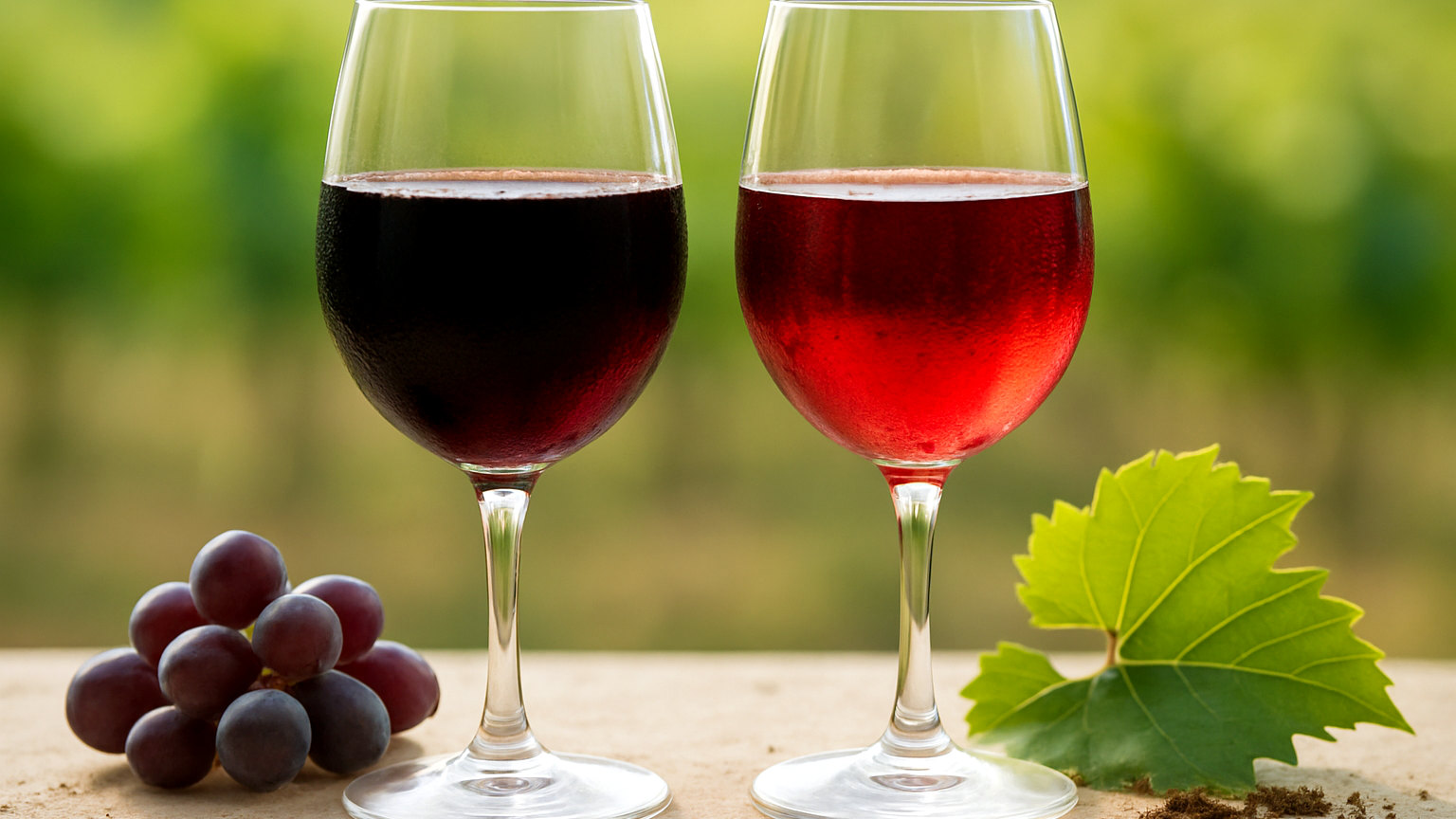
The same grape, two names, and two genuinely different traditions. Which word appears on the label usually tells you what style of wine is inside.
Duty and tax take a fixed sum from every bottle, which means the money actually spent on wine rises far faster than the shelf price does. That arithmetic decides where value lives.
Oak contributes flavour, texture and a slow supply of oxygen. It is also the easiest way to make a cheap wine taste expensive, which is why it is used so heavily.
The overwhelming majority of red wine is made to be drunk within a couple of years. Working out which bottles are the exception is a matter of structure rather than price.
Pinot noir is thin-skinned, disease-prone, fussy about where it grows and unforgiving in the winery. The prices follow directly from those facts.
The most planted red grape on earth, and the one that made Bordeaux famous. Its dominance comes from a specific combination of physical characteristics rather than fashion.
Decanting does two entirely separate jobs, and confusing them is why the practice has a reputation for pretension. One of them genuinely helps young wine.
The instruction to serve red wine at room temperature was written for houses without central heating. Following it literally today makes most red wine taste worse.
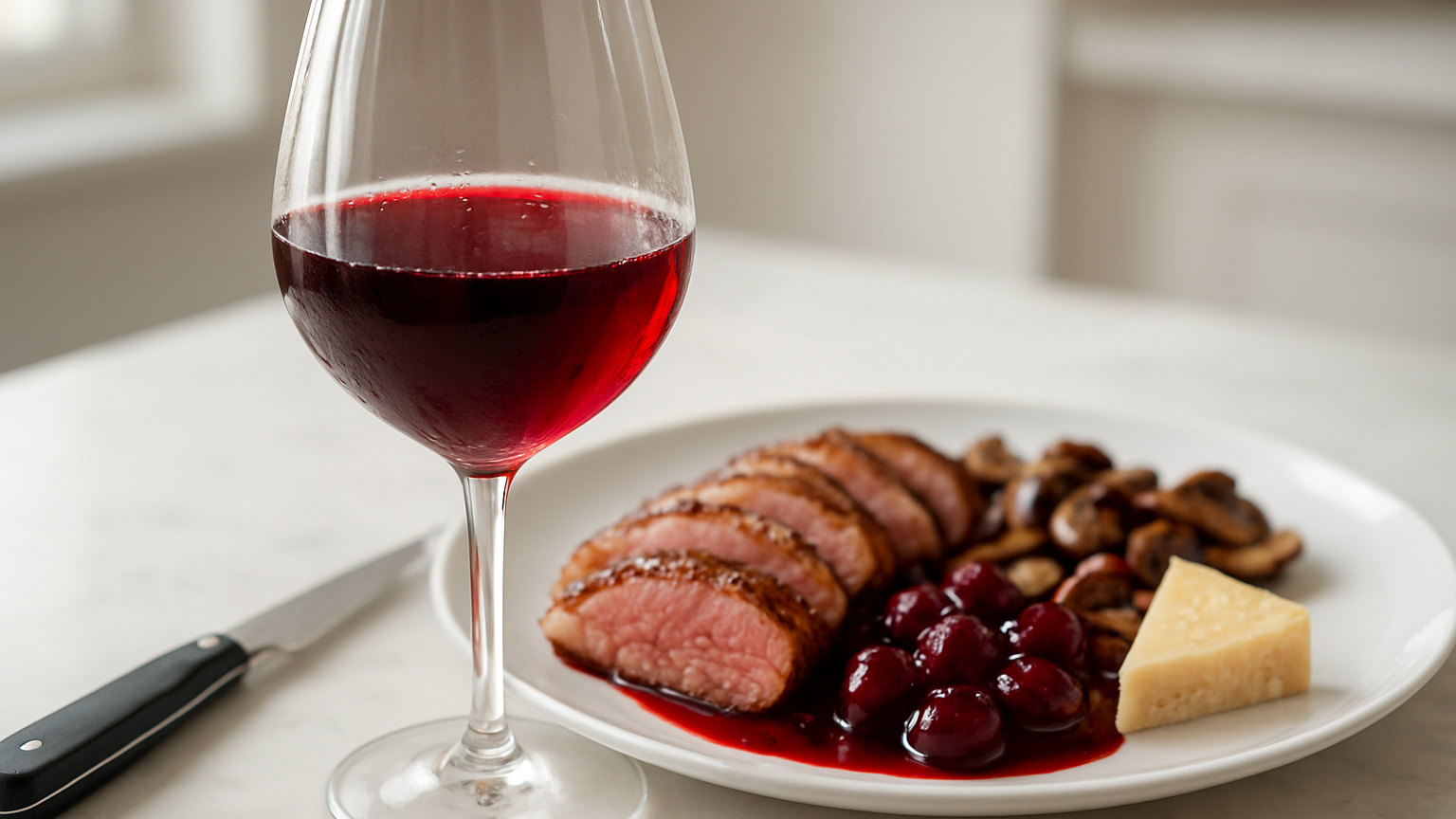
Most food and wine advice is a list of pairings to memorise. Three underlying principles explain nearly all of them, and knowing the principles means you never need the list.
Chilean merlot and Bordeaux merlot are the same plant, and they taste almost nothing alike. The reasons are mostly climate, and they are the key to buying wine intelligently.