Cocktail equipment is sold in sets containing a dozen items, most of which will be used once. The genuinely useful list is short, and the most important item on it is the one people are most likely to skip.
The jigger
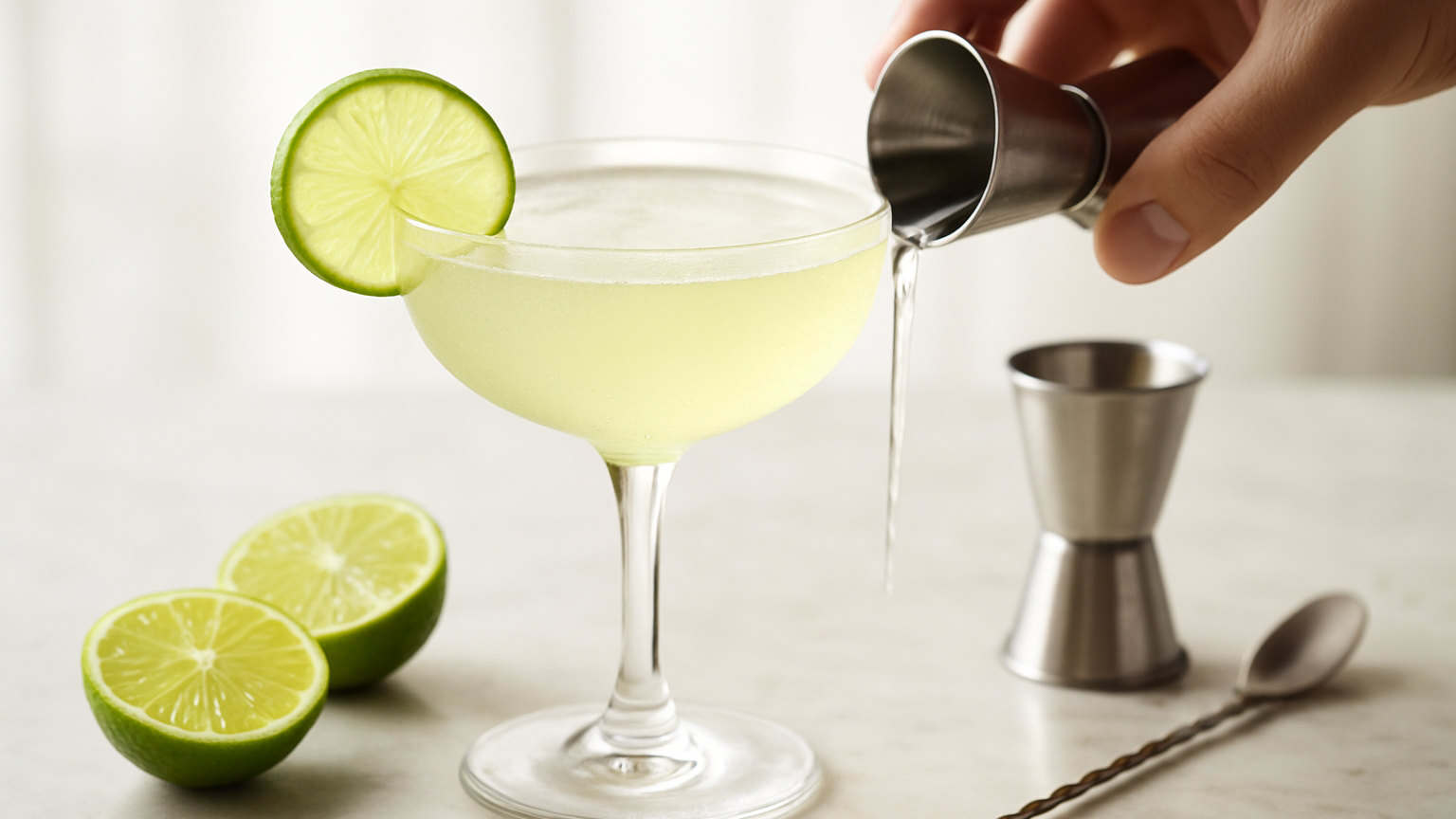
The single most important piece of equipment and the one that separates consistent drinks from erratic ones.
Free pouring is where home cocktails go wrong. An eyeballed measure is almost always larger than intended, which throws the balance out and makes the drink stronger than planned.
A double-ended jigger with 25 and 50 millilitre cups is the British standard. Versions with internal graduations marking smaller measures are considerably more useful, since a great many recipes call for 15 or 20 millilitres.
A jigger costs a few pounds and improves every drink you make. Buy one before anything else.
The shaker
Two types are in common use.
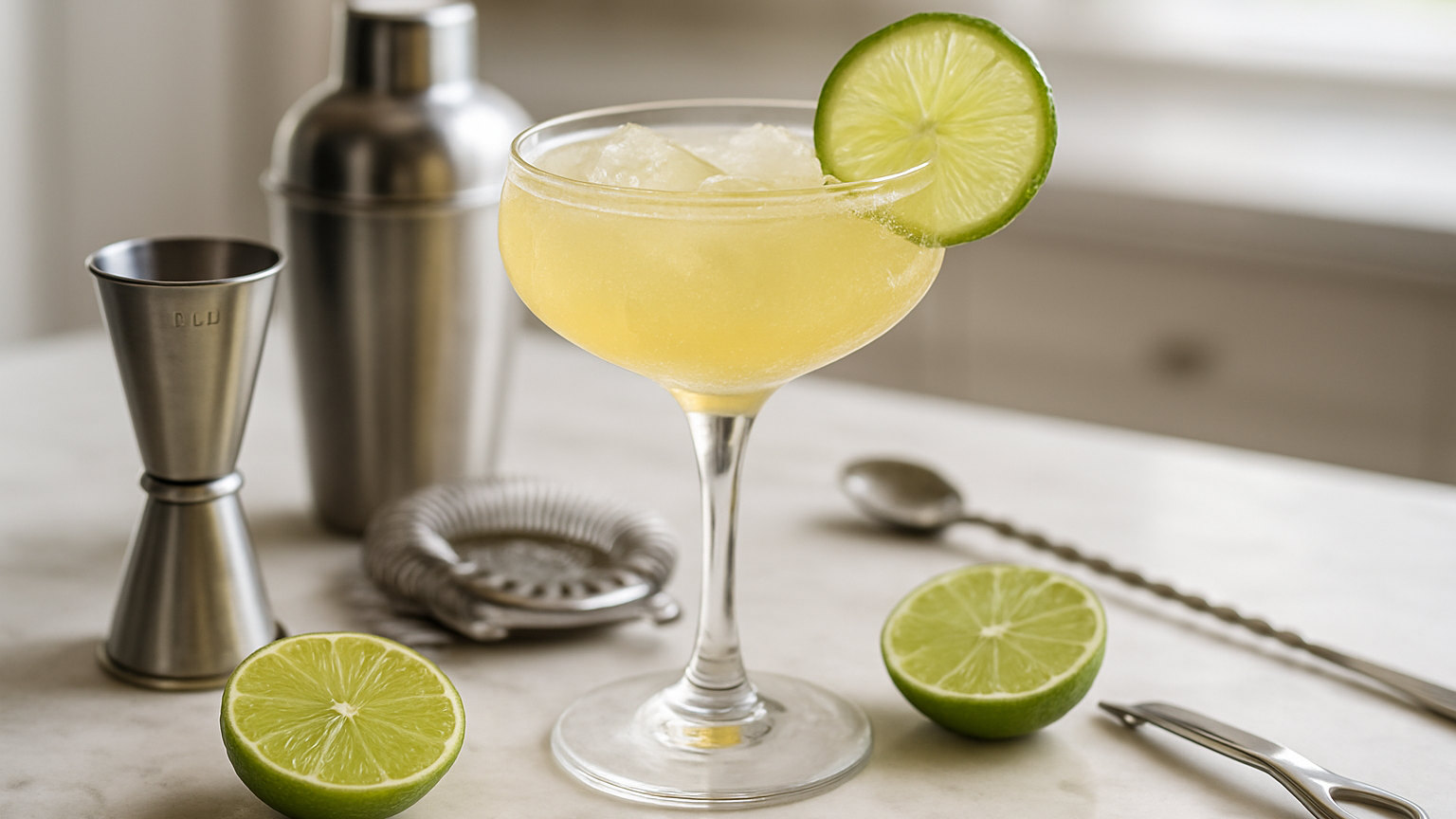
A Boston shaker is two tins, or a tin and a glass, sealed by friction. It is what most bars use: faster, larger and easier to clean. It requires a separate strainer and a small amount of practice to seal and break.
A cobbler shaker is the three-piece design with a built-in strainer and a cap. It is easier for a beginner and the cap can seize when very cold, and the built-in strainer clogs with fruit or herbs.
Either is fine. The Boston is better once you are used to it.
The mixing glass and bar spoon
For stirred drinks, which cannot be made properly in a shaker.
A dedicated mixing glass with a weighted base is pleasant and unnecessary. A pint glass or a sturdy jug works perfectly well.
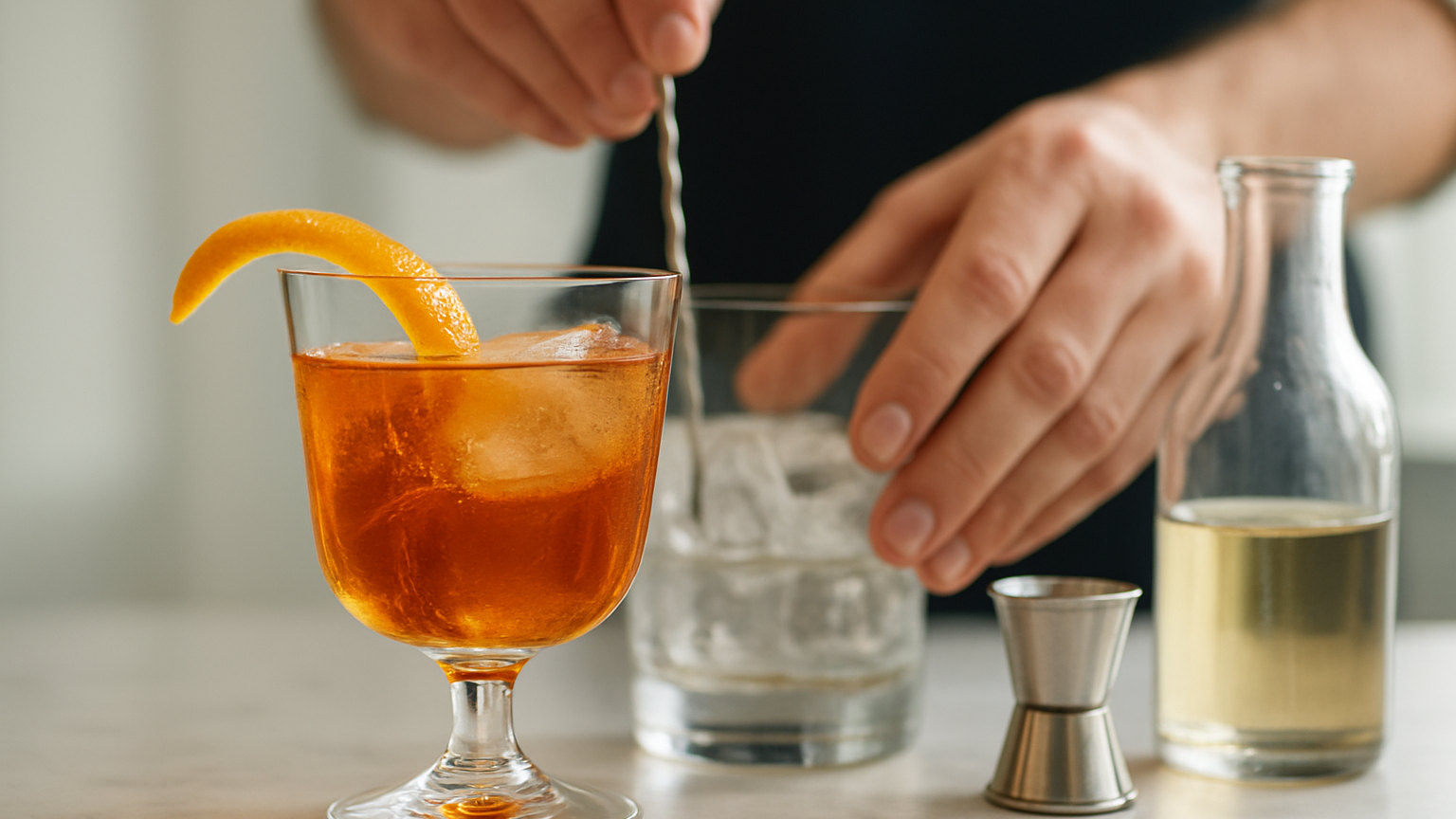
A bar spoon with a spiral shaft is genuinely useful, since the spiral is what allows smooth rotation between the fingers. A long teaspoon is a poor substitute and makes stirring awkward.
Strainers
A Hawthorne strainer, the one with the coiled spring, fits over a shaker tin and holds back the ice.
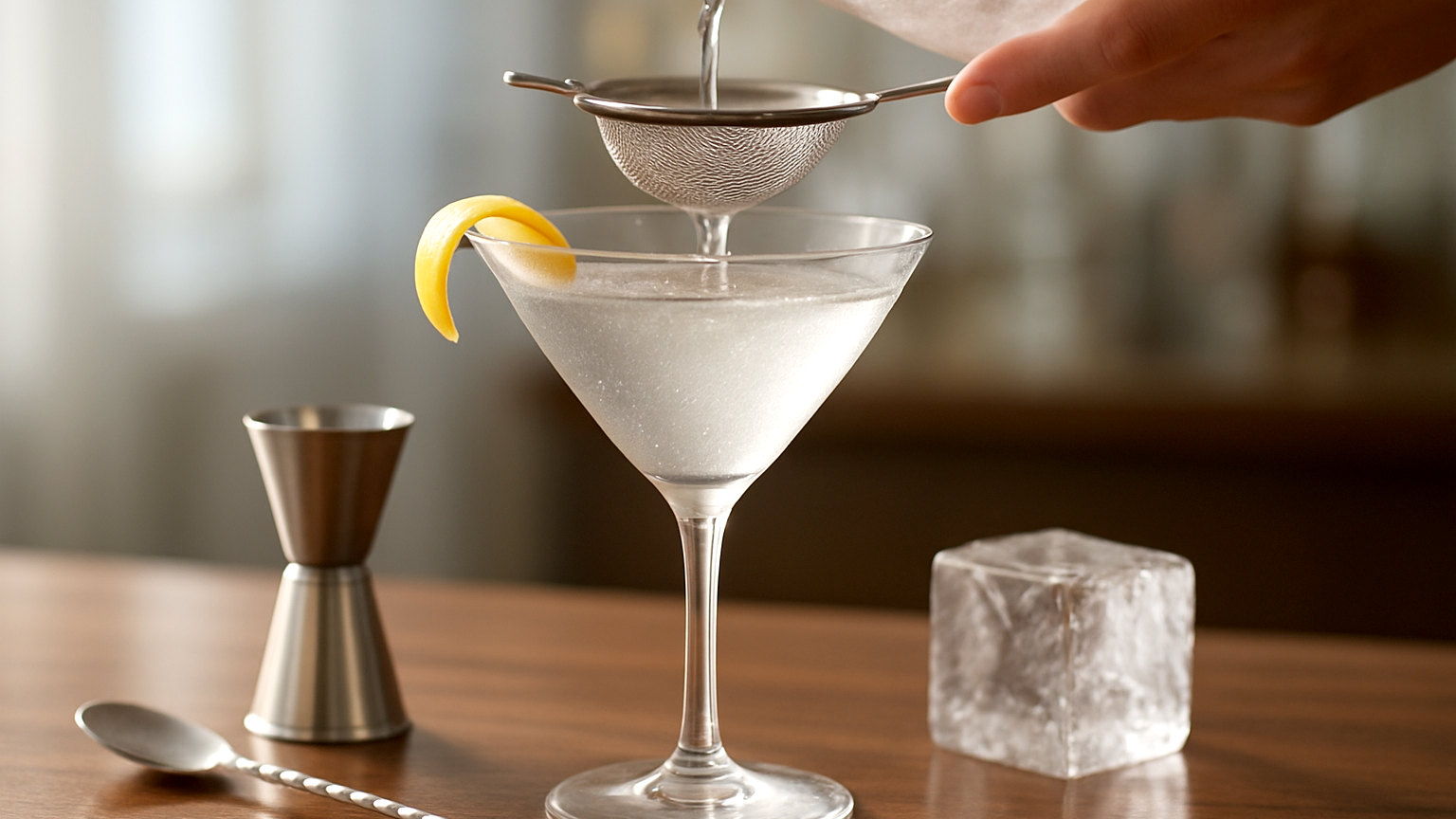
A fine mesh strainer, held over the glass while you pour through the Hawthorne, catches ice shards and fruit fragments. This is what double straining means, and it makes a noticeable difference to any drink served up.
A small kitchen sieve does the second job perfectly well.
The citrus squeezer
Fresh citrus matters more than any bottle on the shelf, and a hand press extracts more juice with less effort than squeezing by hand.
The hinged Mexican-style press is the usual choice and works for both lemons and limes.
Any squeezer is better than none, and the point is that it makes squeezing to order easy enough that you actually do it.
What you can substitute
A jam jar with a lid works as a shaker. A pint glass works as a mixing glass. A sieve works as a strainer. A knife works as a peeler.
What cannot be substituted is measurement. A kitchen measuring spoon set covers it in a pinch, and a jigger is faster and more accurate.
What to skip
Muddlers, unless you make mojitos regularly. The end of a rolling pin does the job.
Ice buckets, tongs, elaborate strainers and most of what comes in a boxed set.
Novelty items of every kind. The money is better spent on a bag of lemons, a silicone ice mould and a bottle you will actually use.
The order to buy in
Jigger first, since it improves every drink immediately and costs the least.
Citrus press second, because fresh juice matters more than any bottle on the shelf and a press makes squeezing to order easy enough that you actually do it.
Shaker and strainer third, which together unlock the entire sour family.
Bar spoon last, since stirred drinks can be managed with a long spoon until you decide you make enough of them to justify the right tool.
Spread over a few months, that is a complete kit for the price of two bottles of gin.