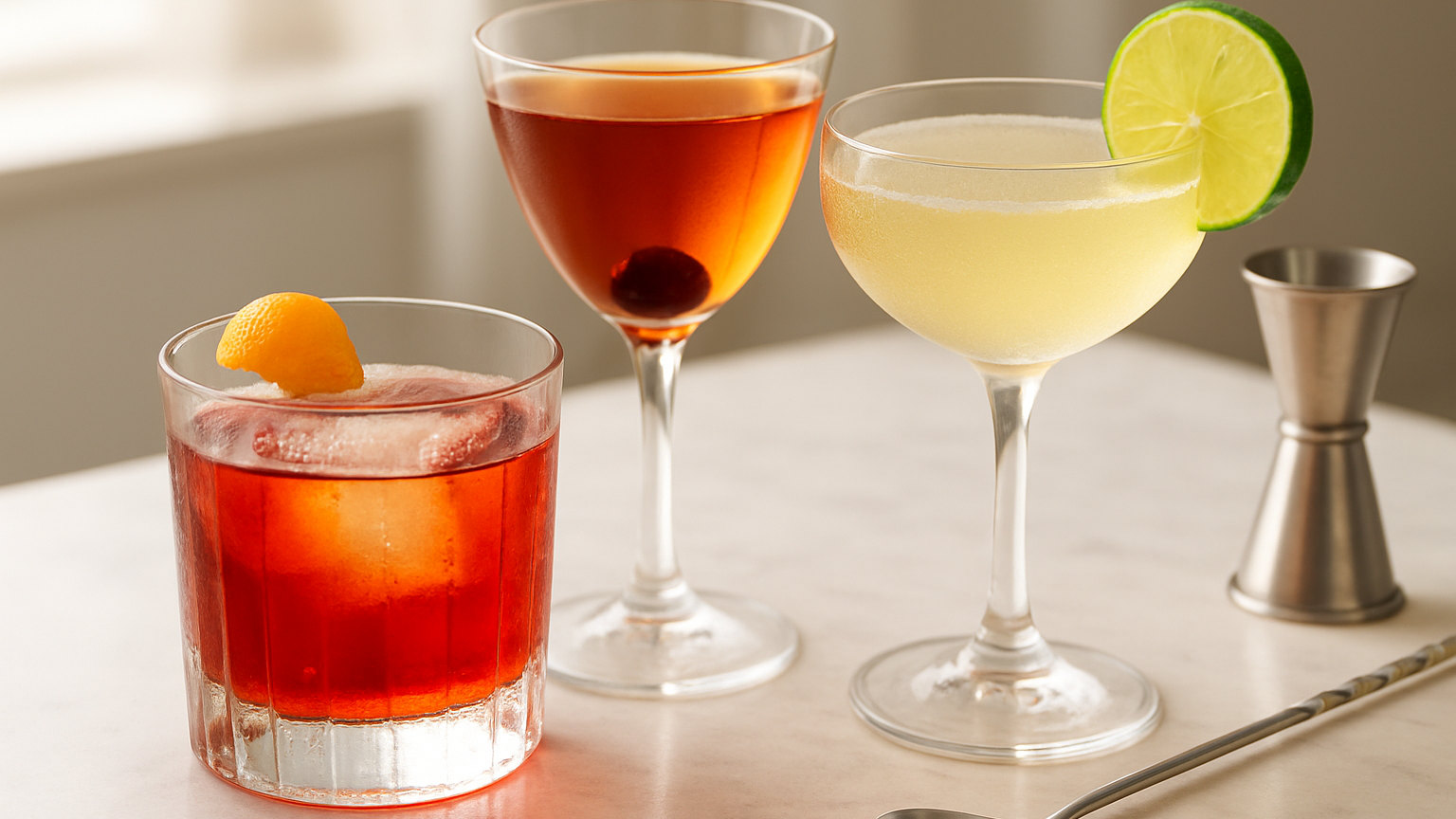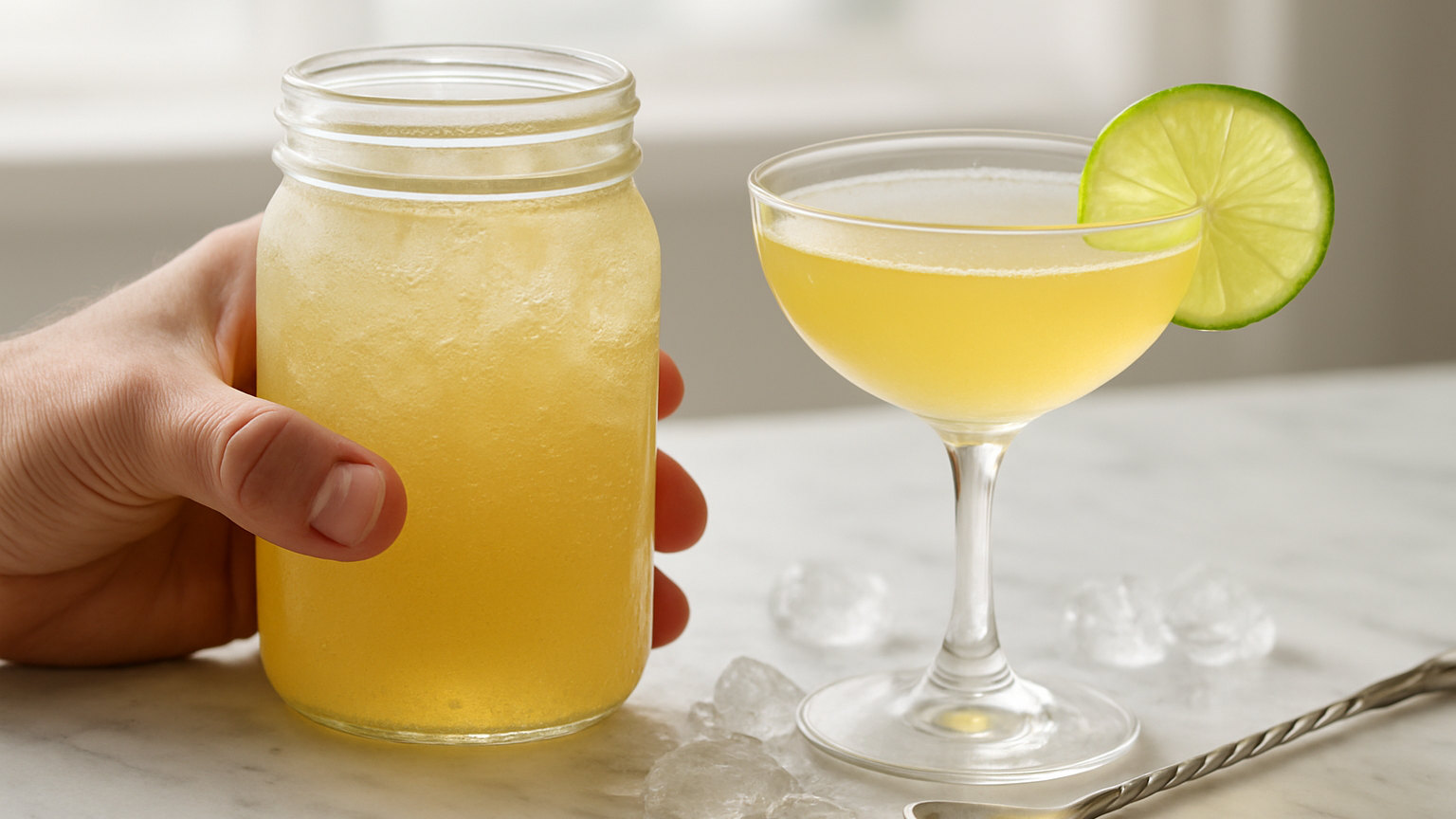
Use a jam jar with a tight lid as a shaker, a sieve as a strainer, and a measuring spoon or an egg cup as a jigger. Then note that many of the best cocktails are stirred rather than shaken and need none of it.
The substitutes that actually work
- Shaker: a jam jar or any container with a screw lid that seals properly. Fill it no more than two thirds full and hold the lid.
- Mixing glass: a pint glass or a sturdy jug.
- Strainer: a kitchen sieve. A tea strainer works for double straining.
- Bar spoon: a long-handled teaspoon or a chopstick, used gently so it does not chip the ice.
- Muddler: the end of a rolling pin or a wooden spoon handle.
- Citrus press: your hand, squeezing over a sieve. Roll the fruit on the worktop first to release the juice.
- Peeler: a vegetable peeler, which is better than a specialist tool anyway.
The only thing that genuinely cannot be improvised well is measurement, and even that is covered by kitchen measuring spoons: a tablespoon is 15ml and a teaspoon is 5ml.
Shaking in a jam jar safely
Pressure builds when cold liquid and ice are agitated, so a few precautions are worth taking.
Fill no more than two thirds full, so there is room for the contents to move.
Hold the lid firmly with one hand throughout.
Never shake anything warm or carbonated, since both build pressure and can force the lid off.
Use a jar with no cracks or chips, and shake over a sink the first few times until you trust the seal.
The drinks that need no shaker at all
This is the more useful half of the answer. Anything made entirely of spirits, fortified wines and liqueurs should be stirred, not shaken, and stirring needs only a jug and a spoon.
- Negroni: equal parts gin, bitter aperitivo and sweet vermouth, one ounce or 30ml of each.
- Old fashioned: two ounces or 60ml of bourbon, a teaspoon of syrup, two dashes of bitters.
- Manhattan: two ounces or 60ml of rye, one ounce or 30ml of sweet vermouth, two dashes of bitters.
- Martini: two ounces or 60ml of gin, three quarters of an ounce or 22ml of dry vermouth.
- Boulevardier: the negroni with whisky in place of gin.
Stir each with plenty of ice for around thirty seconds, until the outside of the vessel frosts. Our martinis and stirred guides cover the technique.
Built drinks need nothing but a glass
Highballs are assembled in the serving glass, so there is no equipment involved at all.
Fill the glass completely with ice first, add the spirit, then pour the mixer gently down the side and lift once with a spoon. That is the whole method.
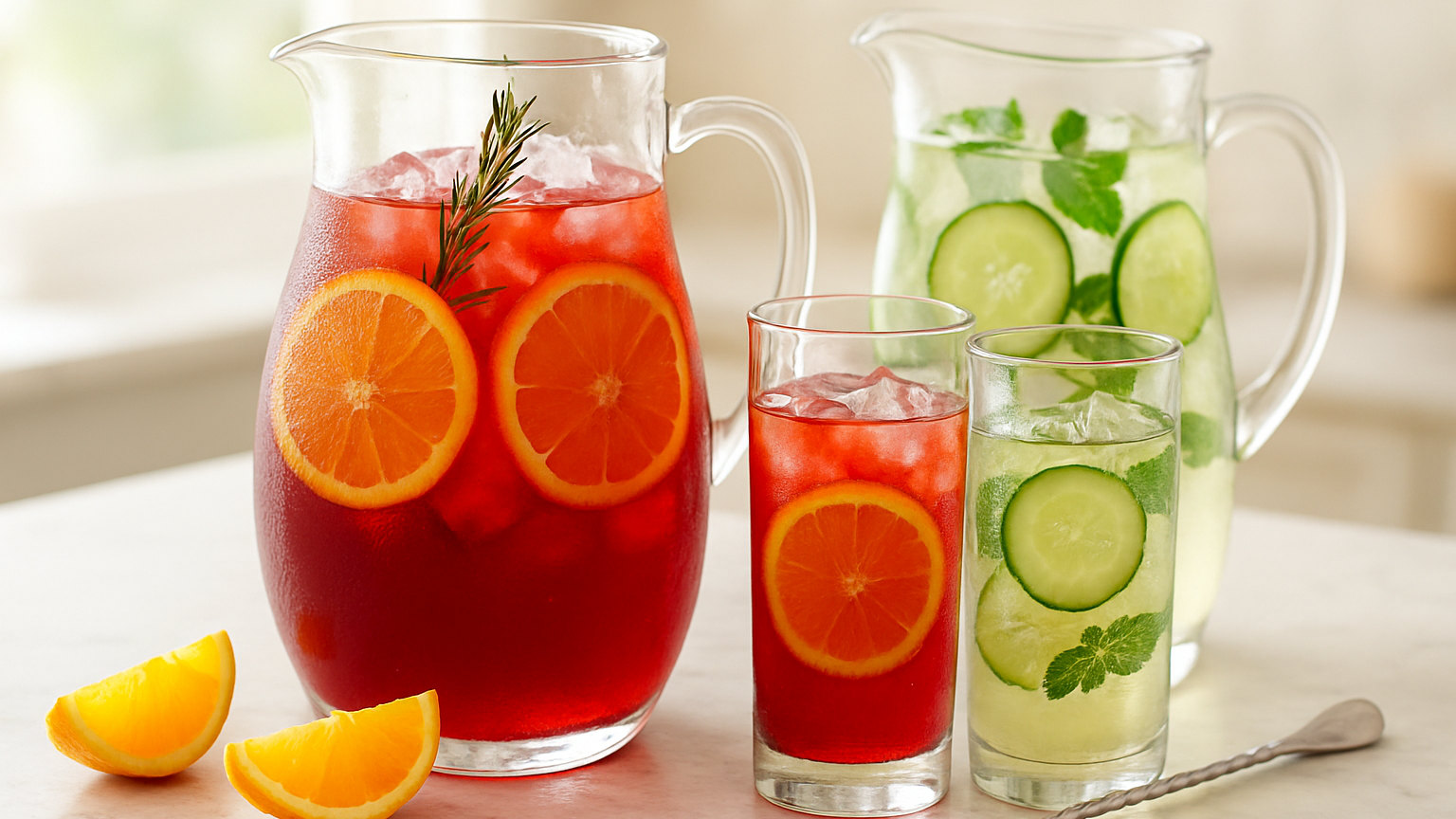
A gin and tonic, a whisky highball, an americano, a spritz, a dark and stormy and a Tom Collins all work this way. Our highballs and long drinks guides cover the format.
The one thing that matters here is ice quantity. A packed glass chills quickly and then melts slowly, while three cubes produce a watery drink within minutes.
Getting the foam without a shaker
Egg white and aquafaba drinks depend on hard shaking to build foam, and a jam jar handles this perfectly well.
Shake everything without ice first for around fifteen seconds to build the foam, then add ice and shake again to chill.
A small whisk or a milk frother used in a jug is an alternative that works surprisingly well.
What to buy first if you do buy something
A jigger, before anything else. Measurement is the thing improvisation handles worst, and an eyeballed pour is almost always larger than intended, which throws the balance out and makes the drink stronger than planned.
After that, a citrus press, since fresh juice matters more than any bottle on the shelf.
A shaker and strainer come third. Our bar equipment guides cover what is genuinely worth owning and what is not.
What improvisation cannot fix
Two things, and both are ingredients rather than equipment.
Fresh citrus. Bottled juice tastes flat and slightly cooked, and no technique compensates.
Fresh vermouth. It is wine, it belongs in the fridge, and it is stale within about a month of opening. A martini or a negroni made with an old bottle cannot be rescued.
Get those two right with a jam jar and a sieve, and you will make better drinks than someone with a full set of equipment and a dusty bottle of vermouth from last year.
Our classic cocktail guides cover the drinks worth learning first.
Ice without an ice mould
A standard tray is fine for shaking and for highballs, where the ice is discarded or used in quantity.
For a spirit-forward drink served over a single large cube, anything that freezes water in a larger block works: a small plastic food box, a muffin tin, or a mug.
For crushed ice, wrap cubes in a clean tea towel and hit them with a rolling pin.
Store ice in a sealed bag rather than an open tray, because it absorbs freezer odours and a drink that tastes faintly of last week's dinner is almost always the ice. Our ice guides cover the rest.
Straining without a strainer
Hold the lid of the jar slightly open and pour, using the gap to hold back the ice.
For a cleaner result, pour through a kitchen sieve held over the glass, which also catches ice shards and citrus pulp.