Why Is Lager the World's Most Popular Beer?
Lager went from a regional Bavarian curiosity to the overwhelming majority of beer drunk worldwide within about a century, and the reasons are as much technological as cultural.
Pilsner, helles, bock and the rest - what makes a lager a lager, and why good ones are hard to brew.
Lager went from a regional Bavarian curiosity to the overwhelming majority of beer drunk worldwide within about a century, and the reasons are as much technological as cultural.
Lager handles food that defeats most wine, and the reasons are carbonation, bitterness and the absence of tannin. It is the most flexible drink on a mixed table.
Almost all lager is at its best the week it is packaged and declines from there. A small group of strong dark lagers are the exception, and they are worth knowing about.
Small breweries avoided lager for years because it ties up tanks and exposes every mistake. Now that they make it, the results are among the more interesting things in British beer.
Czech brewing kept techniques that most of the world abandoned as inefficient, and the beer is fuller and softer as a result. The serving culture is unlike anywhere else.
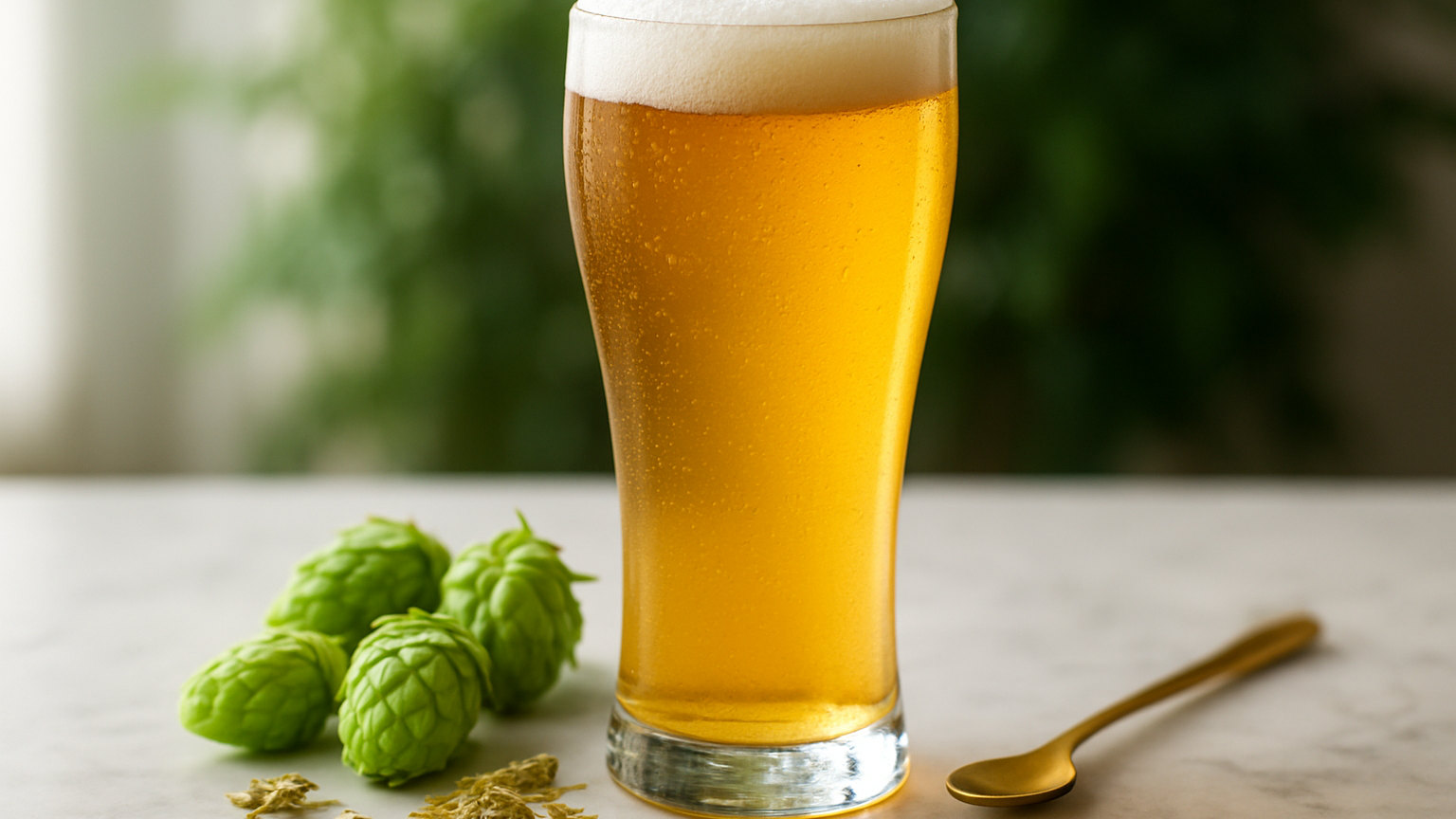
Hops in lager work differently from hops in an IPA, contributing balance and a spicy, herbal aroma rather than dominating. The varieties used are a small and traditional group.
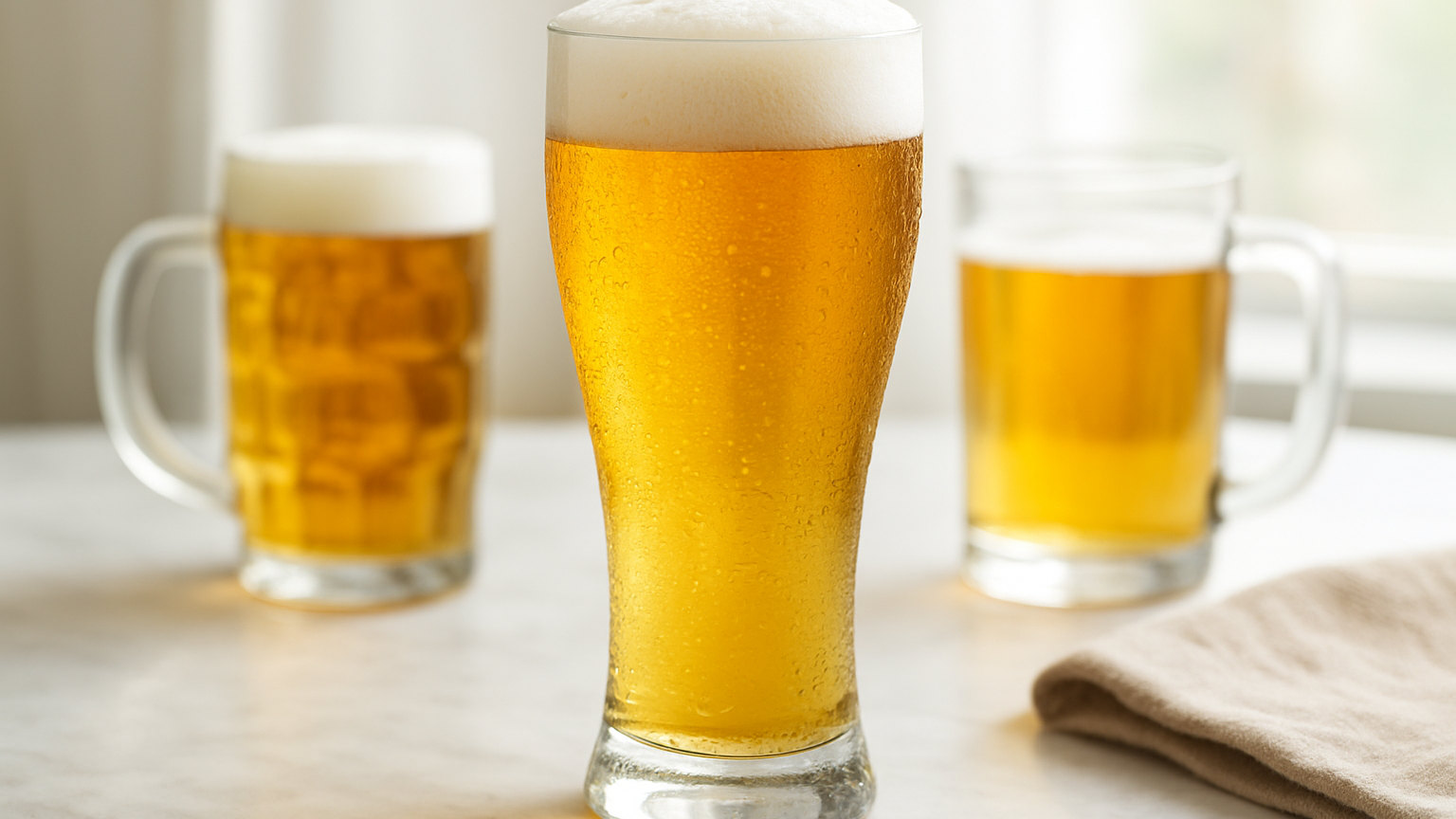
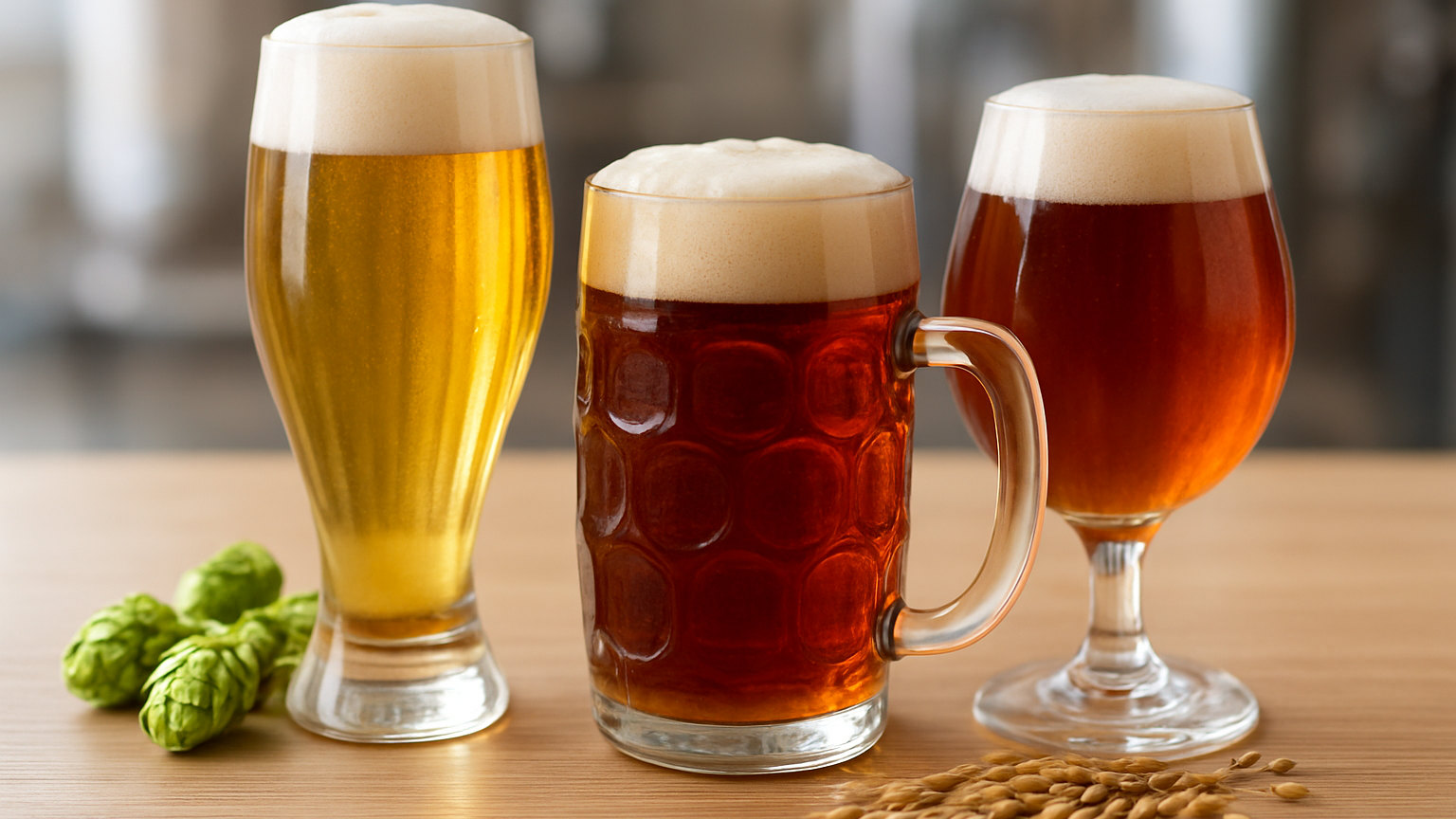
Lager glassware varies more by tradition than by function, and one factor matters more than shape: whether the glass is genuinely clean.
Light damage produces a specific and unmistakable smell, it happens in minutes rather than months, and it is entirely preventable by choosing the right packaging.
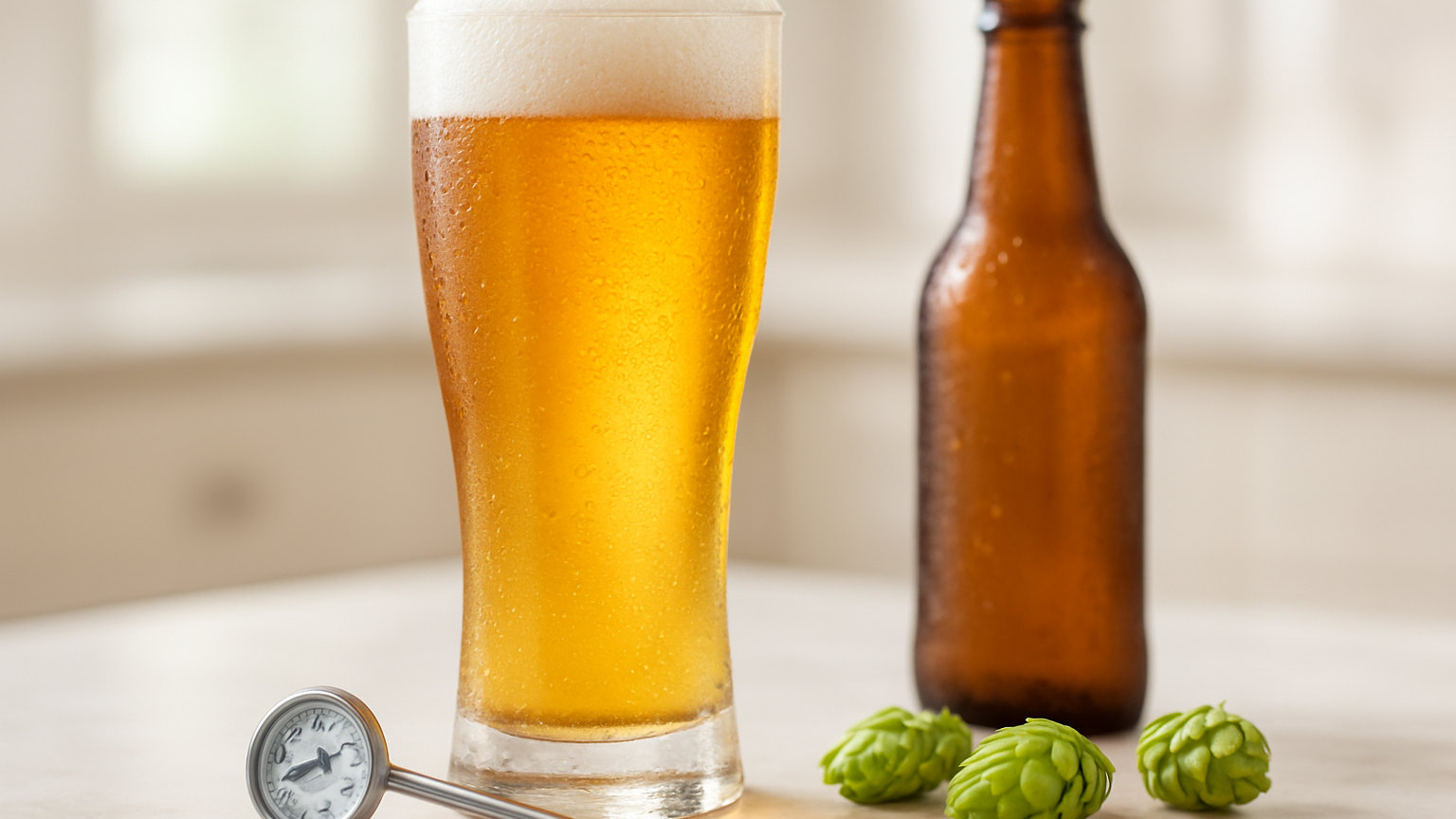
Very cold serving makes a beer refreshing and hides most of what is in it. Whether that is a feature or a problem depends entirely on what you poured.
The pale lagers that dominate supermarket shelves are more similar to each other than their marketing suggests, and the reasons are ingredients, process economics and deliberate design.
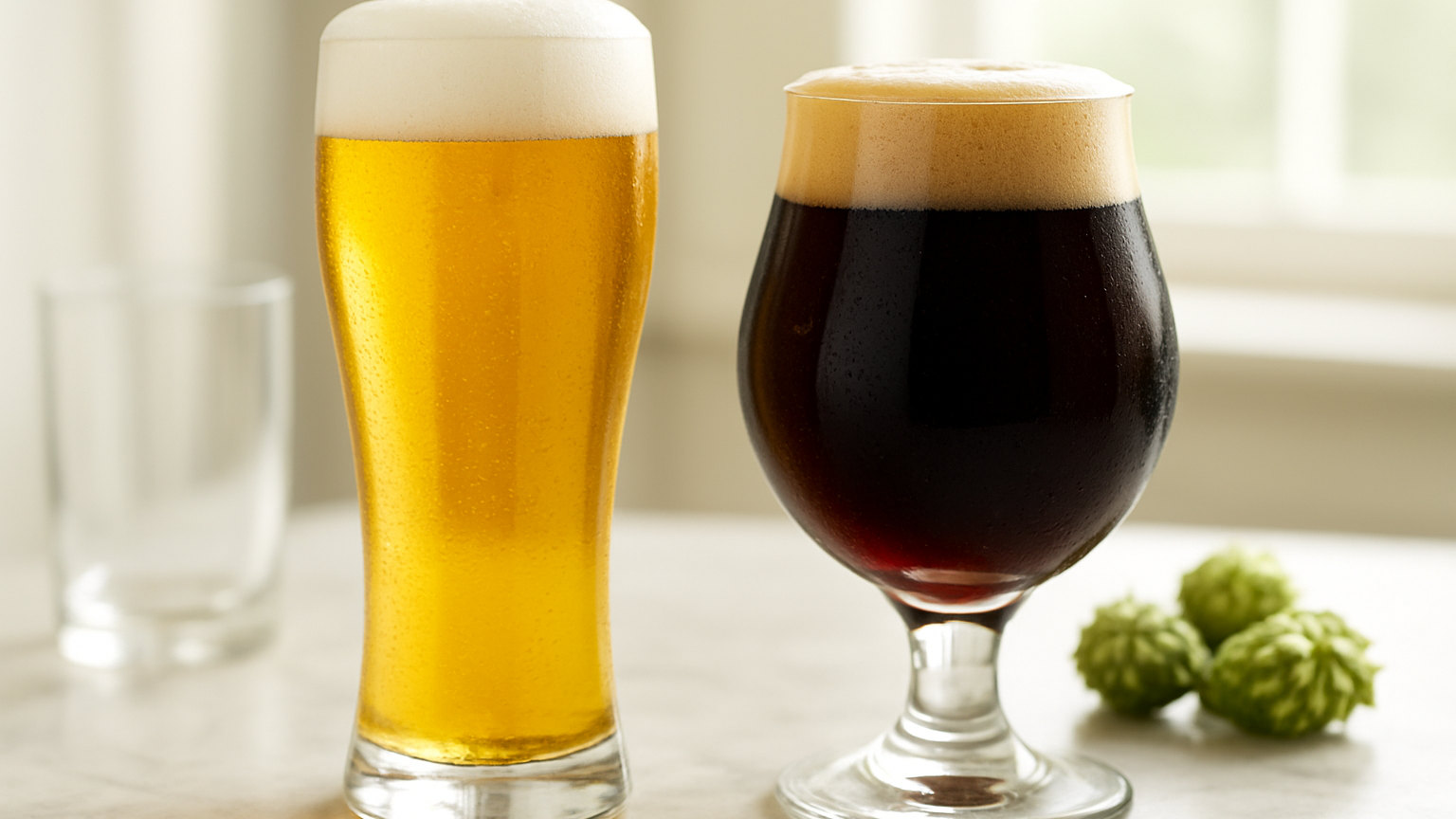
Bock is the strong end of the lager family, and its sub-styles run from a robust six per cent to beers that were briefly the strongest in the world.
Germany makes a dozen distinct lager styles, several of them dark and several of them strong. The variety is invisible from a British supermarket shelf and worth seeking out.