Brandy is not one category. Cognac, armagnac, calvados, brandy de Jerez, pisco and grappa share a method and very little else, so the first purchase should start with which style appeals rather than which brand is familiar.
What suits which taste?
- If you want refinement and a familiar name, a VSOP cognac. Floral, fruity, polished, and the reference point for the whole category.
- If you want richness and better value, a Bas-Armagnac VSOP or a vintage. Fuller, pruney and more rustic, and consistently cheaper for the age.
- If you like apples and dry finishes, a Calvados Pays d'Auge, which is distinctive and works in cooking and cocktails as well as neat.
- If you want sweetness and depth, a Brandy de Jerez Solera Gran Reserva, aged in sherry casks and considerably rounder.
- If you prefer clear, bright spirits, a Peruvian pisco, which is unaged and shows the grape directly.
What should you avoid at the start?
Very cheap grape brandy with no appellation, which is usually young spirit rounded off with caramel and sugar and tastes it. Also avoid XO and hors d'age bottles as a first purchase, since they cost a great deal and their appeal depends on liking a savoury, oxidative style you have not yet encountered.
Brandy labelled VSOP without an appellation is worth treating with suspicion, since those letters mean nothing outside the French categories.
How much should you spend?
Thirty to fifty pounds buys a genuinely good VSOP cognac or armagnac, and armagnac gives more for the money at every point on the scale. Below about twenty five pounds the field thins quickly.
Buying two mid priced bottles from different countries teaches more than one expensive bottle, because the differences between the styles are larger than the differences between price tiers within one style.
What should you look for on the label?
- A protected appellation, such as cognac, armagnac, calvados or brandy de Jerez, which brings real production rules.
- An age designation appropriate to that appellation, remembering it refers to the youngest component.
- A cru or sub-region, where stated, which indicates style.
- A producer name rather than only a brand, since grower producers often offer the best value.
- Strength, with anything above 40 per cent generally indicating a less commercial approach.
How should you taste it?
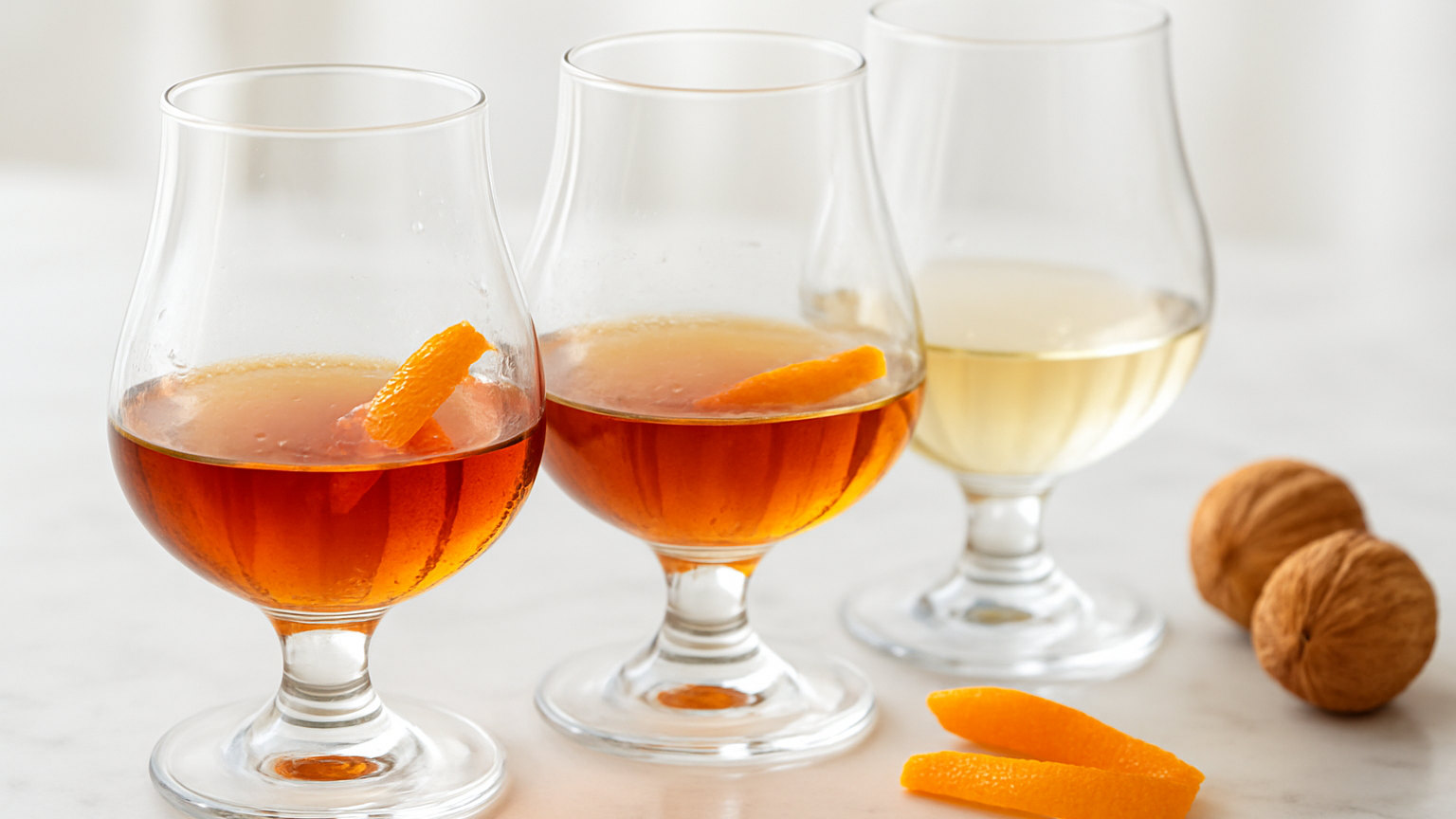
In a tulip glass rather than a balloon, at room temperature, without warming it. Pour a small measure, let it rest a few minutes, and smell gently with your mouth slightly open.
Take a small sip and hold it briefly. Note the finish, since brandy's length is one of its distinguishing qualities and where the difference between tiers shows most clearly.
What should you make with it?
A sidecar, which is cognac, orange liqueur and fresh lemon, and shows how well brandy performs in a sour. A brandy and tonic over ice with a slice of lemon, which is an excellent long drink and much more common in France than the sipping image suggests.
Both work best with VS or VSOP, so the same bottle covers neat drinking and mixing without waste.
How do you build from there?
Once you know whether you prefer the delicate French style or the richer, sweeter Spanish one, follow that direction rather than climbing the age ladder immediately. Trying a different country at the same price point will teach you more than trading up within one.
How long will a bottle last once opened?
Years, provided it is stored upright in a cupboard away from light and heat. Brandy at 40 per cent is chemically stable and does not spoil.
What does happen is slow oxidation once the bottle is more than half empty, which flattens the aromatics over months. If a bottle is going to last a long time, decanting the final third into a smaller bottle filled to the neck preserves it considerably better.
Never store a spirit bottle on its side. High strength alcohol in prolonged contact with a cork will degrade it, and a failed cork means a leaking or spoiled bottle.