Rum is the least standardised spirit on the shelf, which makes the first purchase harder than it should be. Two bottles at the same price with similar labels can be entirely different products, so the useful starting question is what you want to make rather than which brand to buy.
What are you going to do with it?
- Daiquiris, mojitos and light cocktails. A blended white rum with some pot still content, around 40 to 47 per cent.
- Dark and stormy, rum and cola, punch. An aged or dark blended molasses rum with body.
- Sipping neat. An aged rum from a named distillery with a stated age and no added sugar.
- Tiki drinks. Two bottles minimum, since the recipes are built on blending styles rather than on one rum.
Trying to satisfy all of these with a single bottle is the most common mistake, and it usually results in a mid range dark rum that does none of them especially well.
What should you avoid at the start?
Heavily spiced rum, because it limits what you can make and the sweetness fights most cocktail recipes. Very cheap white rum, which is harsh in the drinks it is meant for. And solera bottlings with large numbers on the front, not because they are bad but because they set expectations about age that the label does not support.
Overproof rum is also a poor first purchase, since it is designed as a component rather than a base.
How much should you spend?
Twenty to thirty five pounds buys a genuinely good rum in most styles, and the improvement from the cheapest shelf up to that bracket is large. Above about fifty pounds you are buying age, scarcity and distillery reputation, which are worth having but teach a beginner little.
Two bottles at twenty five pounds will tell you more about rum than one at fifty, because the category's variety is the thing worth learning.
What makes a good first pair?
A blended white rum with pot still character for mixing, and an aged rum from a named distillery for sipping and for richer drinks. Between them they cover the majority of rum recipes and demonstrate the two ends of the category.
If you want a third, make it something stylistically distinct rather than another version of what you already own: a rhum agricole blanc or a Jamaican pot still rum will both show you something the first two cannot.
What should you look for on the label?
- A named distillery rather than only a brand.
- A country of origin with meaningful rum regulations, such as Barbados, Jamaica or Martinique.
- A statement that no sugar has been added, where the producer makes one.
- A stated strength above 40 per cent, which usually means more flavour.
- Still type, if given, so you know whether to expect body or lightness.
How should you taste it?
Neat first, in a small glass that narrows at the top, at room temperature. Note the finish in particular, since that is where added sugar and cask character are easiest to separate.
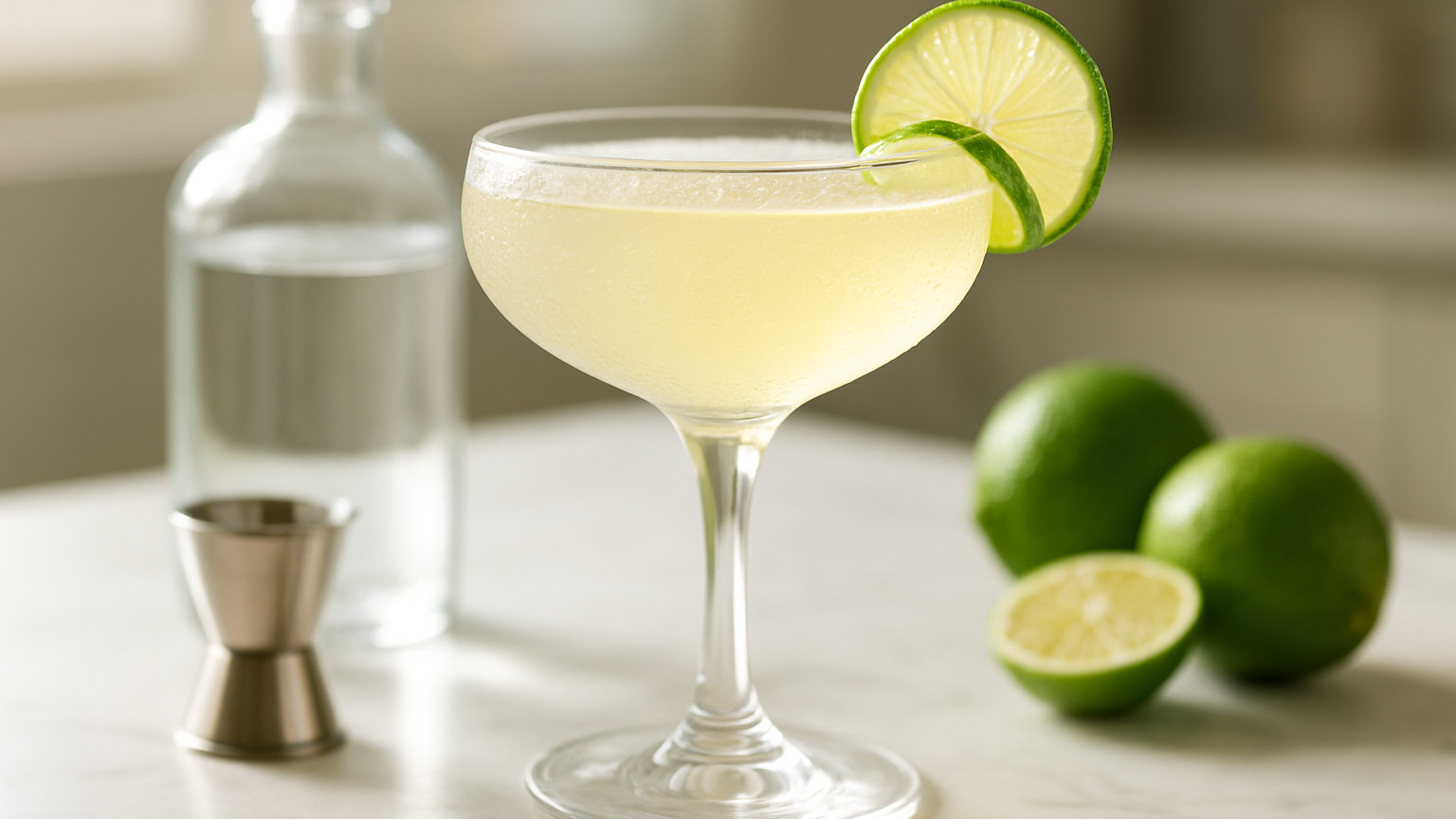
Then make a daiquiri with it. The drink exposes a rum thoroughly, and comparing two rums in the same recipe teaches more in ten minutes than reading tasting notes for a week.
How do you find the next bottle?
Keep a note of the distillery, country and still type of anything you enjoy, rather than only the brand. Those three facts predict what you will like far better than a label description does, and in a category this loosely regulated they are the only reliable currency.
Bars are the cheapest way to explore, since a measure costs a fraction of a bottle and a decent rum list will cover several countries. Independent bottler sample sets do the same job at home and usually come with full production detail, which is exactly the information the mainstream shelf leaves out.