Tequila has an unusual problem among spirits: a large proportion of people who say they dislike it have never tasted the real thing. Cheap mixto, served cold in a shot glass with salt to blunt it, is a genuinely unpleasant introduction and bears little relation to a good agave spirit.
What should the first bottle be?
A blanco, 100 per cent agave, from a distillery you can identify. Blanco shows the agave and the production most honestly, it is the cheapest class because it has not been aged, and it is what most tequila cocktails call for.
Starting with an anejo is a common mistake. It is more expensive, more oaky, and tells you less about what tequila actually is.
What should you look for on the label?
- 100 per cent agave. Non negotiable. Its absence means mixto.
- A NOM number, which you can look up to find the distillery and its production methods.
- An additive free statement, where the producer makes one.
- Hecho en Mexico, confirming production within the denomination.
- Strength, with 40 per cent or above generally giving more flavour.
What should you avoid?
Anything without the agave statement. Gold or joven tequila at the cheap end, which is usually coloured mixto. Heavily marketed celebrity bottles, not because they are necessarily poor but because the premium is buying a name rather than production.
Also avoid pre-mixed margarita bases, which contain very little tequila and a great deal of sugar and acid.
How much should you spend?
Between twenty five and forty pounds buys a genuinely good blanco. Below that the field thins quickly. Above it you are paying for age, small production or reputation, none of which help at the start.
Two blancos from different distilleries teach you more than one expensive bottle, because the variation between producers is the thing worth learning.
How should you taste it?
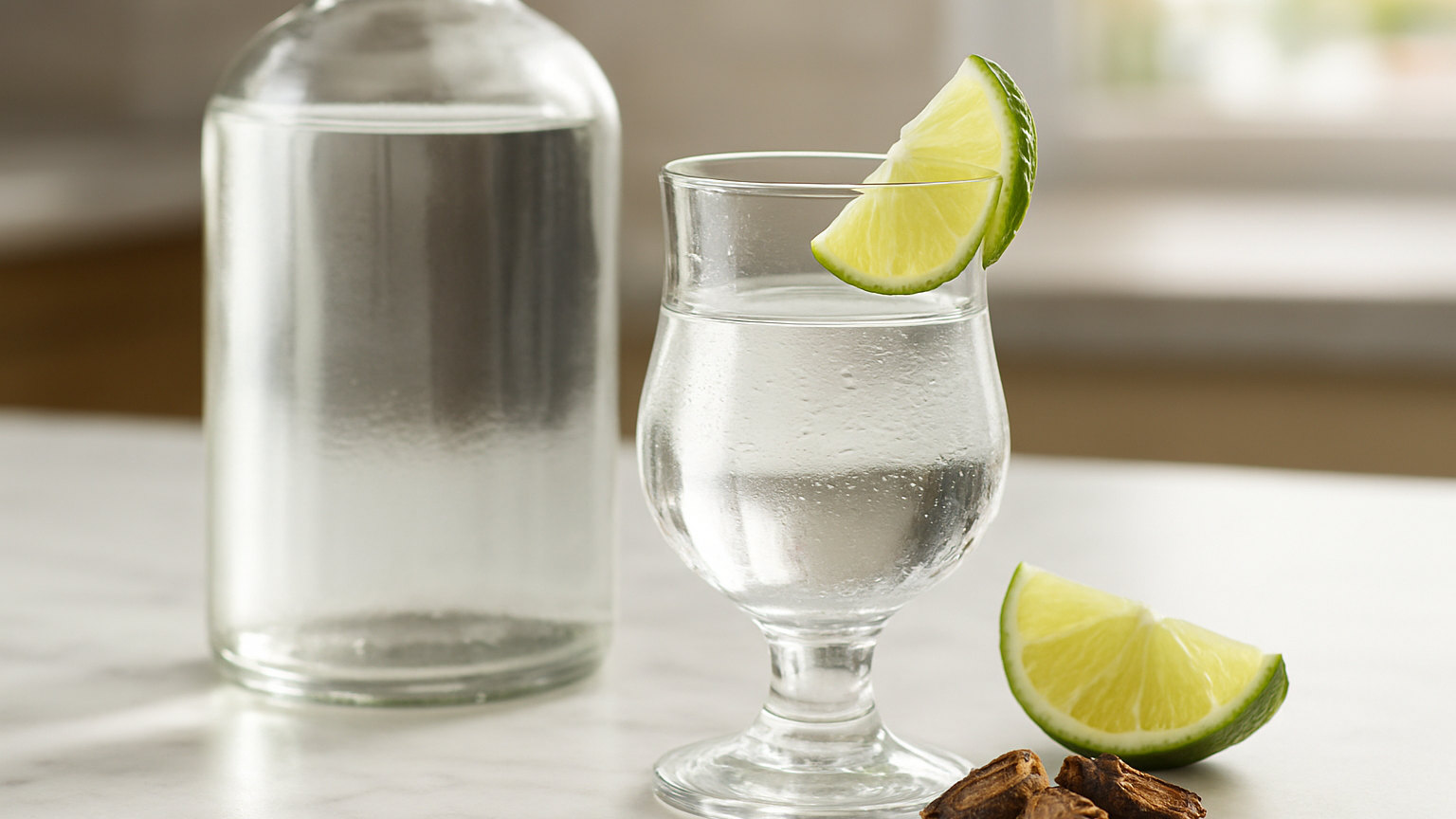
Room temperature, small measure, in a glass that narrows at the top. Let it rest a minute, smell it with your mouth slightly open, take a small sip and hold it briefly.
Look for cooked agave, pepper, citrus and a mineral or herbal edge. Notice the finish in particular: a clean dry finish suggests an untreated spirit, while a syrupy coating that lingers usually points to additives.
Then make a margarita with it, which shows you how the same spirit behaves in the drink most people will encounter it in.
What should the second bottle be?
Either a reposado from the same distillery, which isolates the effect of oak, or an espadin mezcal, which isolates the effect of species and pit roasting. Both comparisons teach something specific.
A third bottle might be a blanco from the opposite region, highland against lowland, to see how much of the difference is terrain rather than technique.
How do you keep learning?
Note the NOM number of anything you enjoy, not just the brand. That code is the thread connecting bottles that taste alike, and following it will lead you to better value than any recommendation list.
Bars with a serious agave list are the cheapest way to try widely, since a measure costs a fraction of a bottle and you can compare several side by side in one sitting.
What should you make with the first bottle?
Three drinks cover most of what tequila does. A margarita, shaken with fresh lime and orange liqueur. A paloma, built over ice with grapefruit soda and a squeeze of lime. And a simple highball of tequila, soda water and lime, which is the best test of whether you actually enjoy the spirit itself.
Each of these uses blanco, none requires equipment beyond a shaker and a measure, and between them they will tell you more about the bottle than any amount of tasting notes.
How do you avoid the common mistakes?
Do not serve it ice cold in a shot glass, do not buy on packaging, and do not assume the aged expressions are the good ones. Those three habits account for most of the disappointment people report with the category.