Scotch whisky is divided into five recognised regions, and every introductory guide attaches a flavour profile to each. The regions are real and legally defined; the flavour profiles are historical generalisations that individual distilleries cheerfully ignore. Both facts are worth holding at once.
What are the five regions?
- Speyside. A small area around the River Spey containing roughly half of all Scottish distilleries. Traditionally associated with fruit, honey and sherry cask richness.
- Highland. Geographically enormous, covering everything north of the Highland line except Speyside, plus most of the islands. Too large for any single description to fit.
- Lowland. The south of Scotland. Traditionally light, grassy and floral, and often triple distilled.
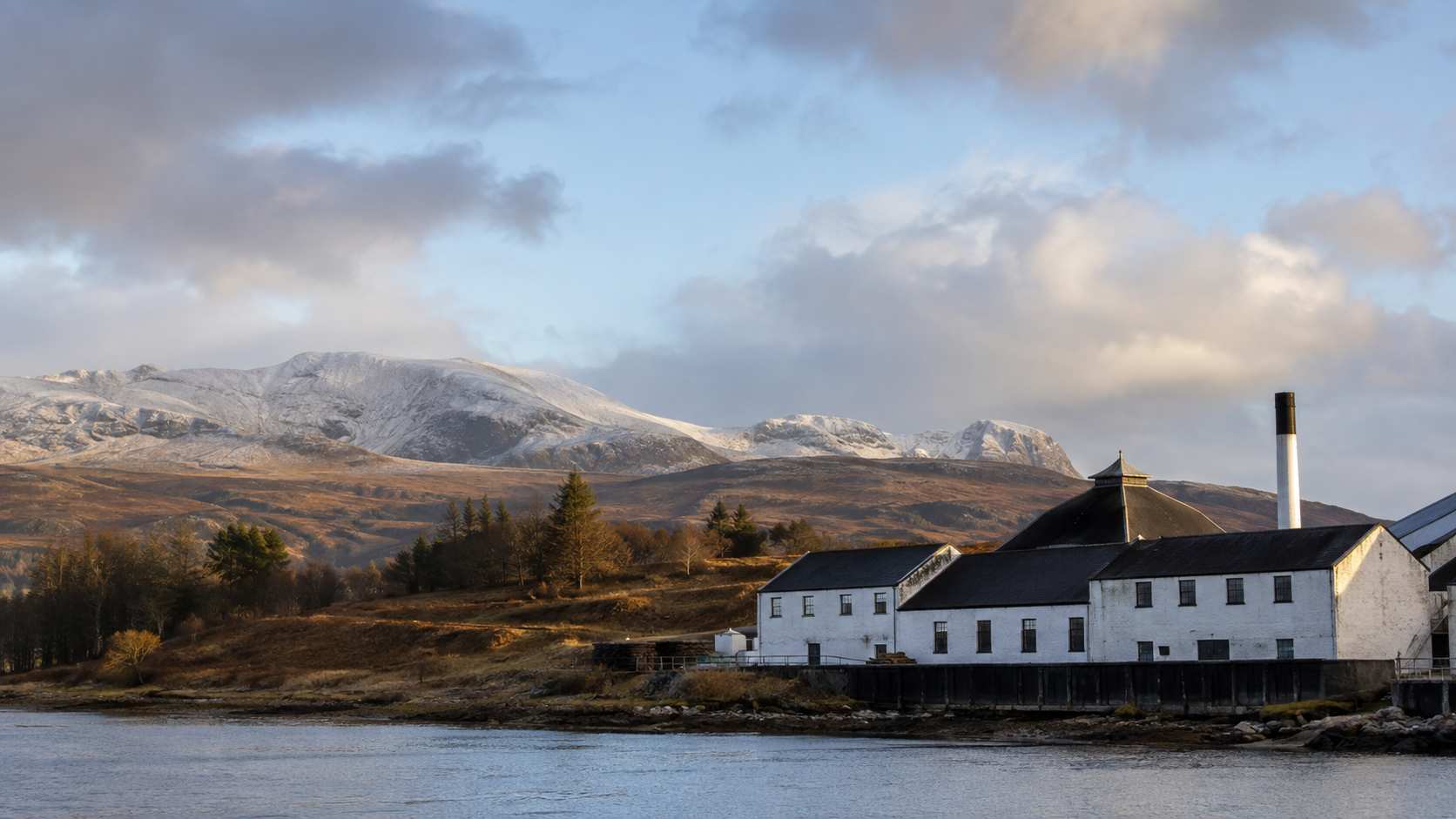
- Islay. One island with a concentration of distilleries, strongly associated with peat smoke and maritime character.
- Campbeltown. Once home to dozens of distilleries and now to a handful. Known for a distinctive oily, briny, faintly smoky style.
The Islands are sometimes listed as a sixth region, but legally they fall within the Highlands.
Why were the regions created?
For tax and administration rather than flavour. Nineteenth century excise law needed boundaries, and the Highland line separated areas with different duty regimes and licensing conditions. The flavour associations grew afterwards, from the genuine tendency of neighbouring distilleries to share water sources, barley supplies, equipment makers and local practice.
The regions were formalised in the Scotch Whisky Regulations 2009, which permits a bottle to state its region provided the whisky was distilled there.
Why has the flavour link weakened?
Three developments have unpicked it. Malted barley is now supplied by large commercial maltings that serve the whole country, so a Speyside distillery and an Islay distillery can buy grain from the same place, peated to whatever level each requests. Cask policy, which contributes most of the flavour, is a commercial decision unrelated to geography. And distilleries deliberately produce across styles, so peated Speysides and unpeated Islays both exist.
The result is that regional prediction fails often enough to be unreliable. There are lightly floral Islay malts and heavily smoky Highland ones, and the shared characteristics of two Speyside distilleries a few miles apart can be smaller than those of two distilleries at opposite ends of the country.
So is the regional system useless?
No, for three reasons. It remains a reasonable first filter when you have no other information, because the historic tendencies are still tendencies. It reflects genuine local tradition in the two places where the style is most distinctive, Islay and Campbeltown. And it is the vocabulary the industry and retailers use, so understanding it helps you navigate shelves and conversations.
What it is not is a guarantee. Treat a region as a hint about what a bottle might be like rather than a description of what it is, and check the cask type and strength before assuming anything.
What tells you more than the region?
Cask type, first of all. Ex bourbon or ex sherry maturation will shape a whisky far more than the postcode of the distillery. After that, bottling strength, whether the whisky has been chill filtered, and the phenol level if the whisky is peated.
The distillery name is also more informative than its region, because house character is real. Stills of a particular shape, a particular fermentation length and a long standing cask policy give each site a recognisable signature that persists across bottlings and is often audible in how enthusiasts talk about a producer rather than a place.
How should you use the regions in practice?
As a starting map. If you know you like a sherried Speyside style, the region is a useful search term for finding more of the same. If you have enjoyed one Islay malt, others are a reasonable bet. Once you have found three or four distilleries you like, their names will serve you better than any regional label, and at that point the map has done its job.