Gin or Vodka: What Is the Real Difference?
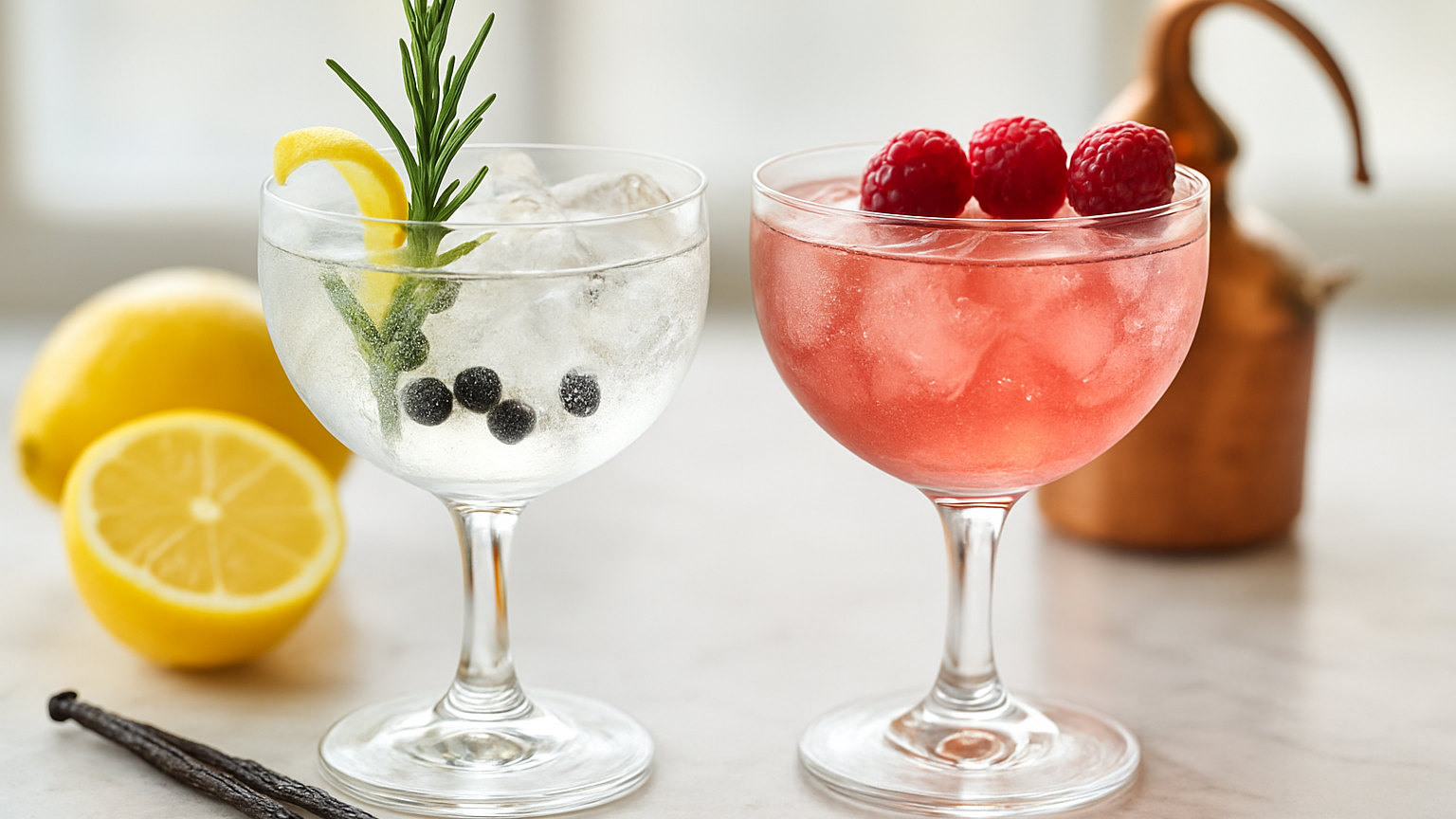
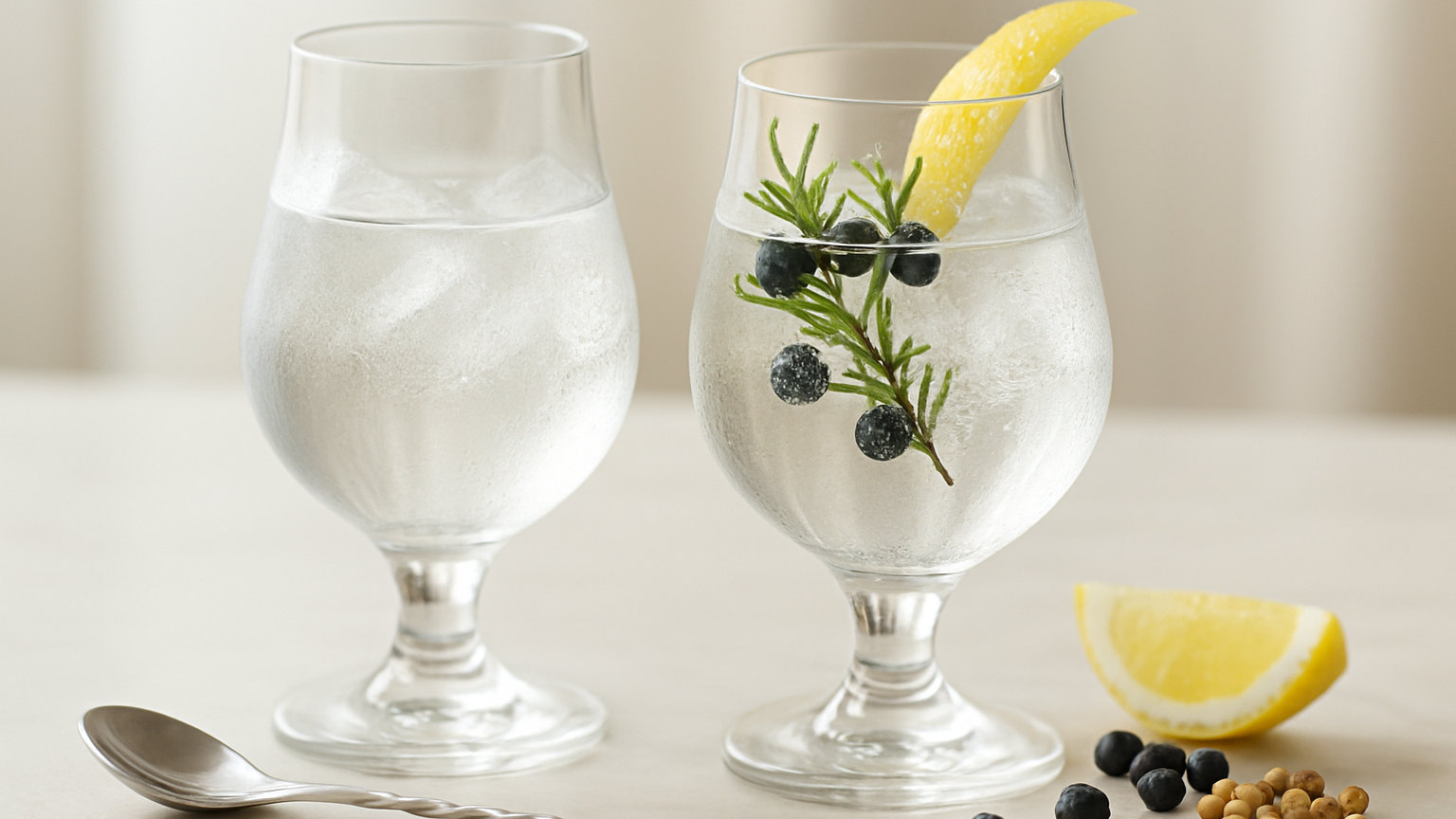
Gin and vodka often start as exactly the same liquid. What happens after that point is the entire difference, and it changes which drinks each one belongs in.
Spirits are sold on story and priced on packaging, and most of what separates a good bottle from an expensive one is not on the label. These guides explain how each spirit is actually made, what the words on the front mean, which differences you will taste and which you will not, and what is worth having on a shelf at home.
Gin and vodka often start as exactly the same liquid. What happens after that point is the entire difference, and it changes which drinks each one belongs in.
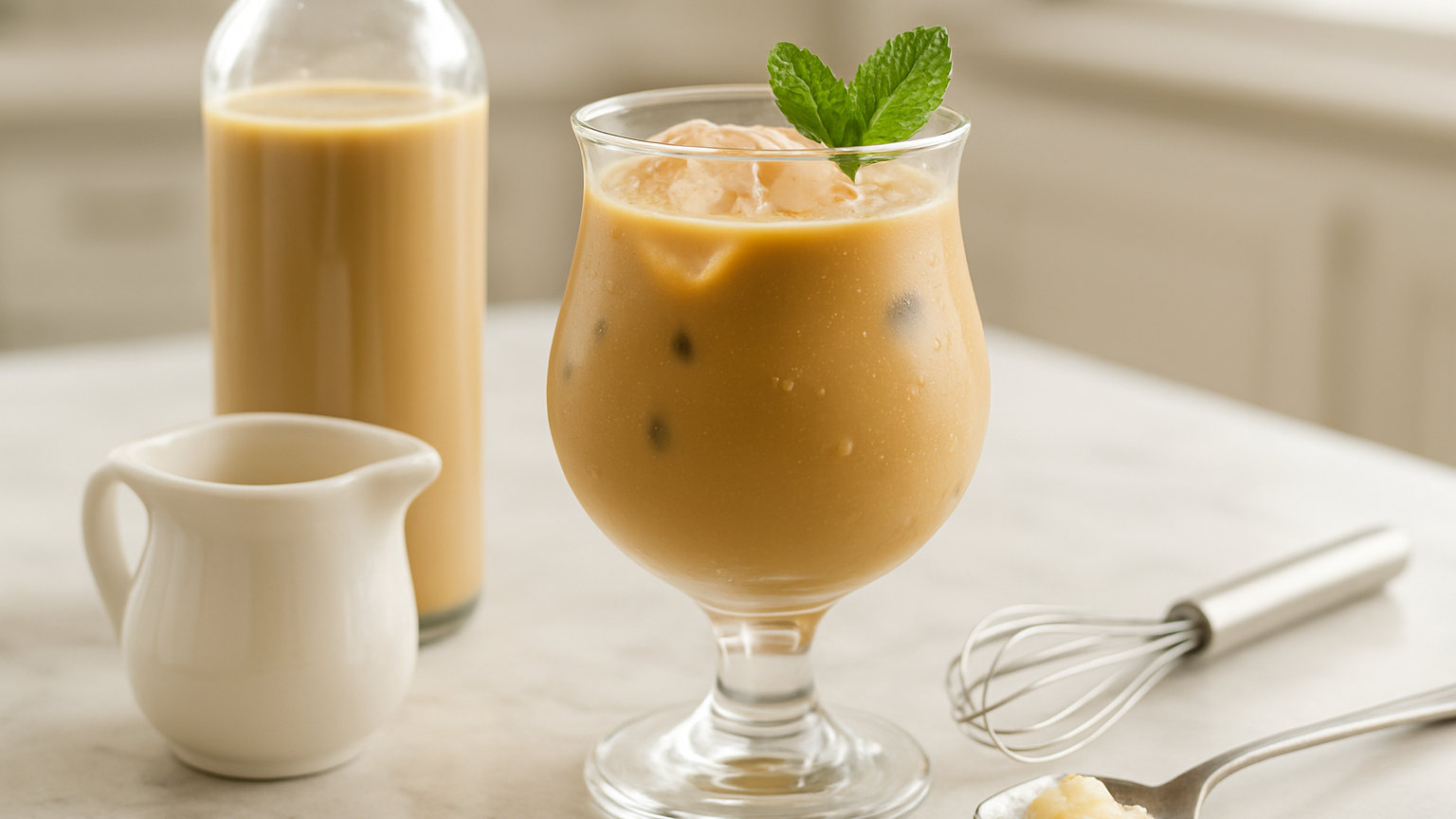
Mixing dairy and alcohol should curdle, and the fact that it does not is down to homogenisation and emulsifiers. That also explains the shorter shelf life.
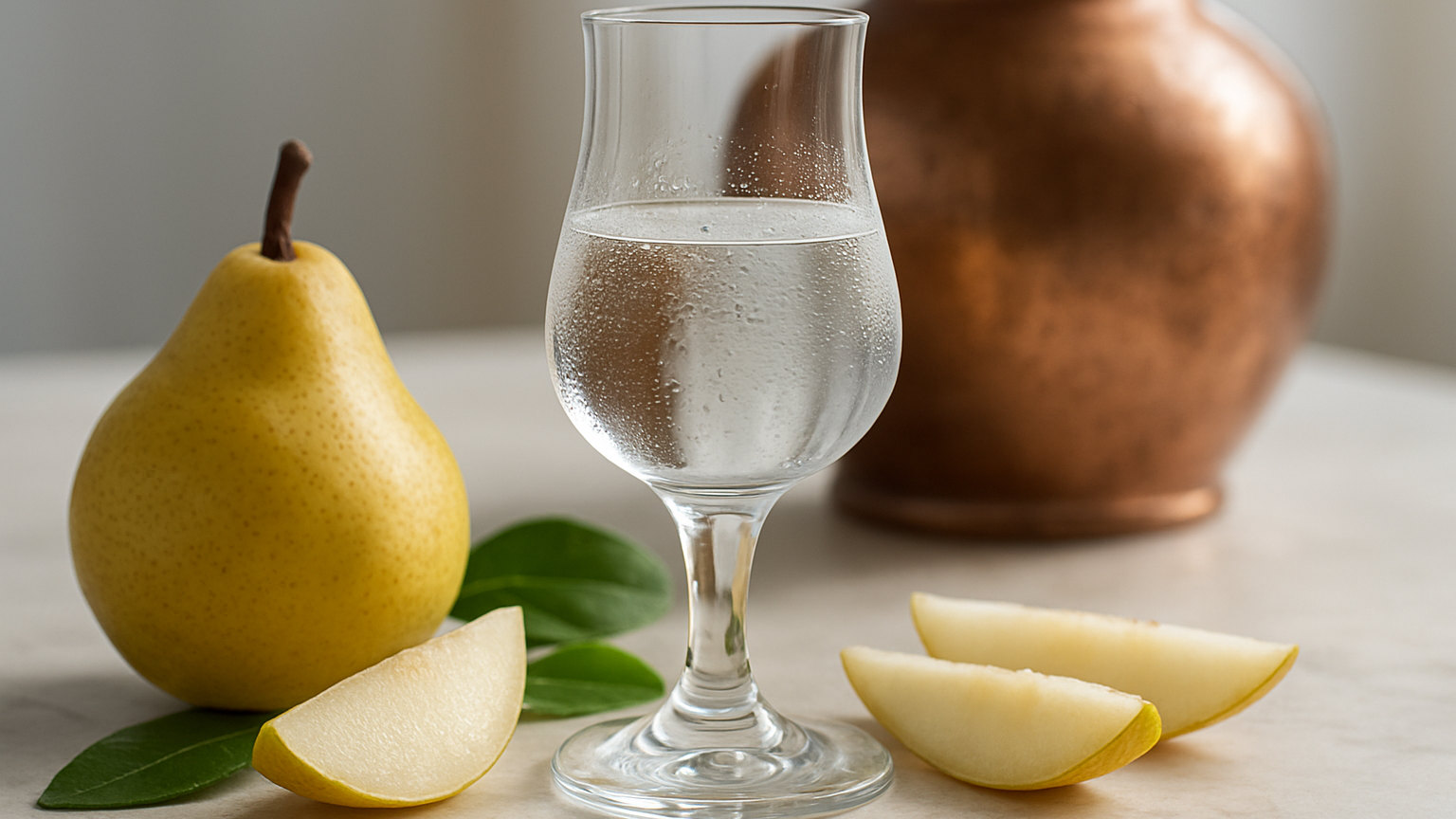
Clear, unaged spirits distilled from whole fruit, requiring extraordinary quantities of raw material and capturing the fruit more precisely than anything else in a bottle.
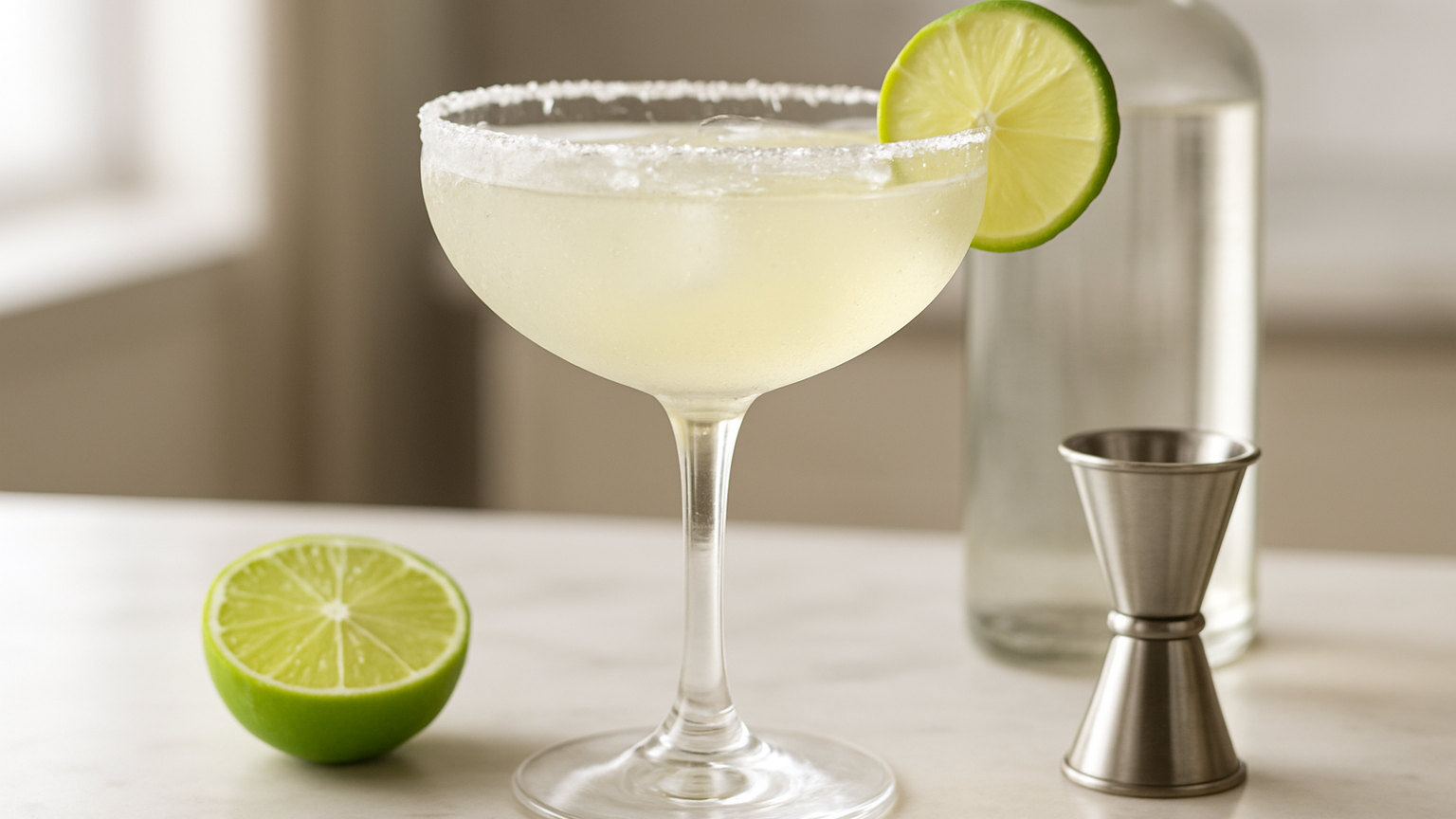
Three ingredients, one of which you can buy badly. The margarita is unforgiving of thin tequila, sweet mixes and bottled lime juice, and forgiving of almost nothing else.
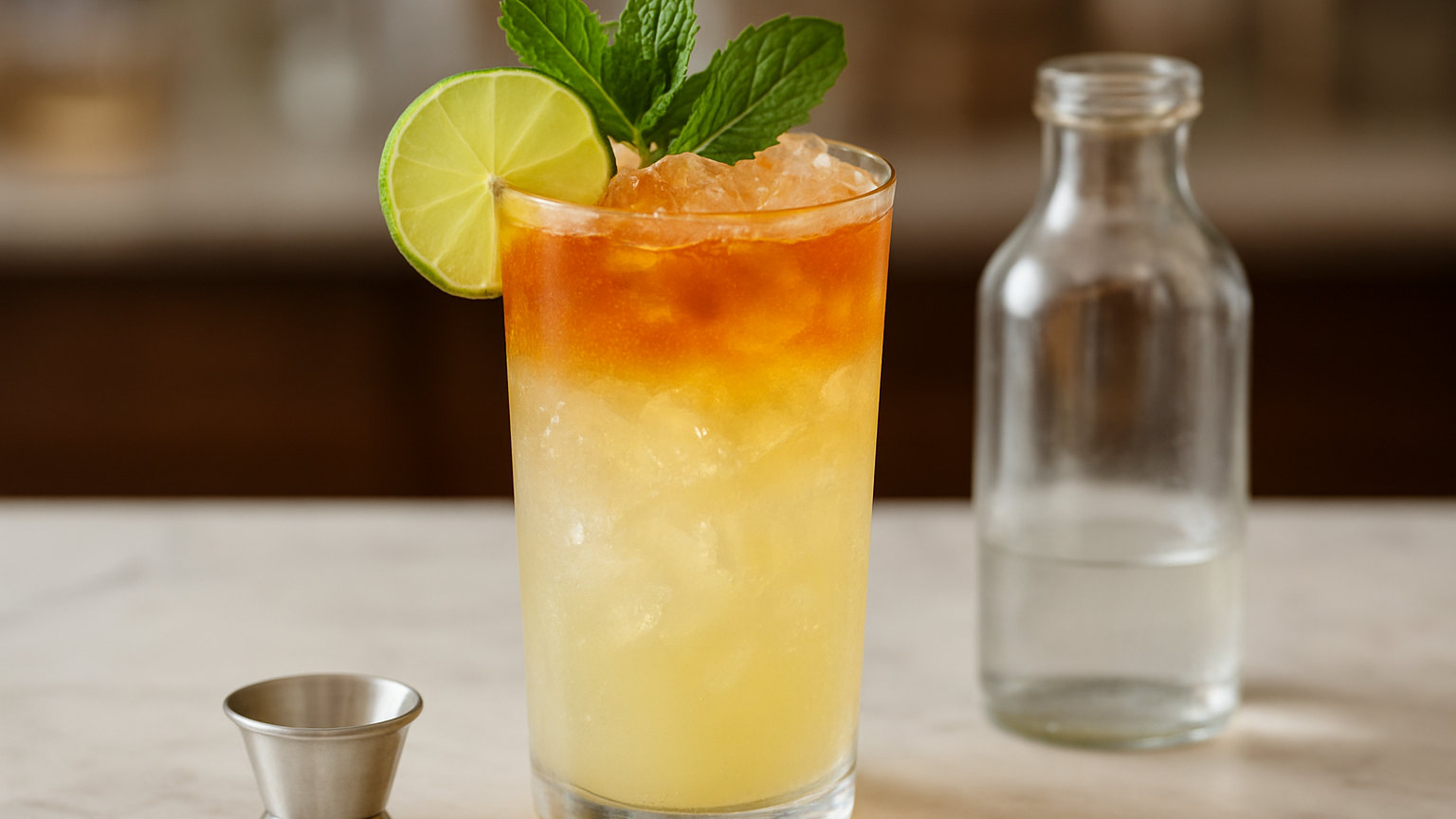
Overproof rum runs from 57 per cent to well past 75, and it is not simply strong rum. It is a different ingredient with specific uses and some real hazards.
Flavoured vodka covers everything from carefully distilled botanical spirits to sweetened confectionery products. The label tells you which one you have, if you know what to read.
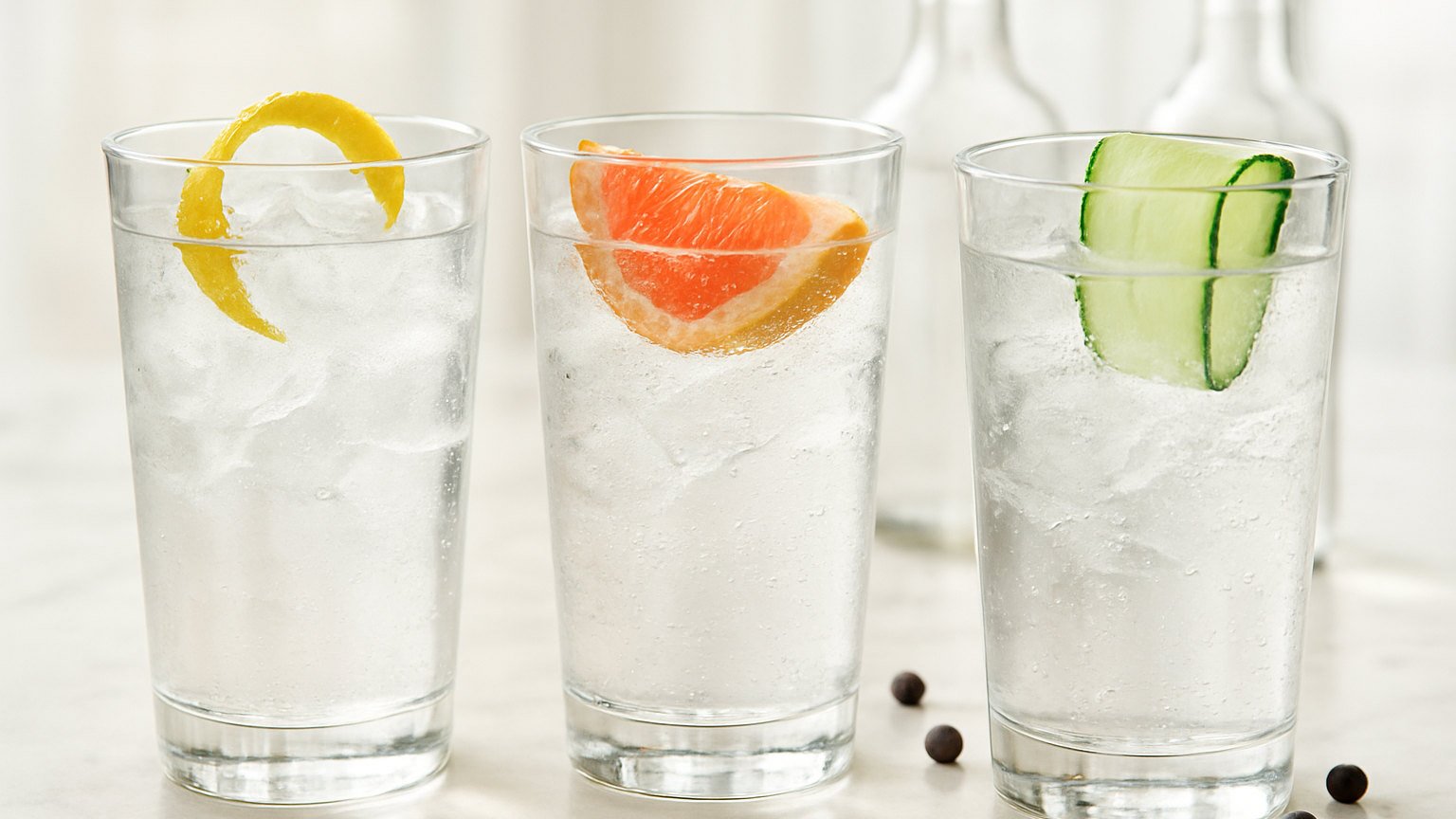
In a gin and tonic the tonic is usually three quarters of the glass, so it decides more of the flavour than the gin does. Most of the common mistakes happen here.
Cask strength means the whisky went into the bottle at roughly the strength it left the barrel. It costs more per bottle and often less per serving.
Creme on a liqueur bottle means high sugar, not dairy. The distinction matters because these are among the sweetest things you can put in a drink.
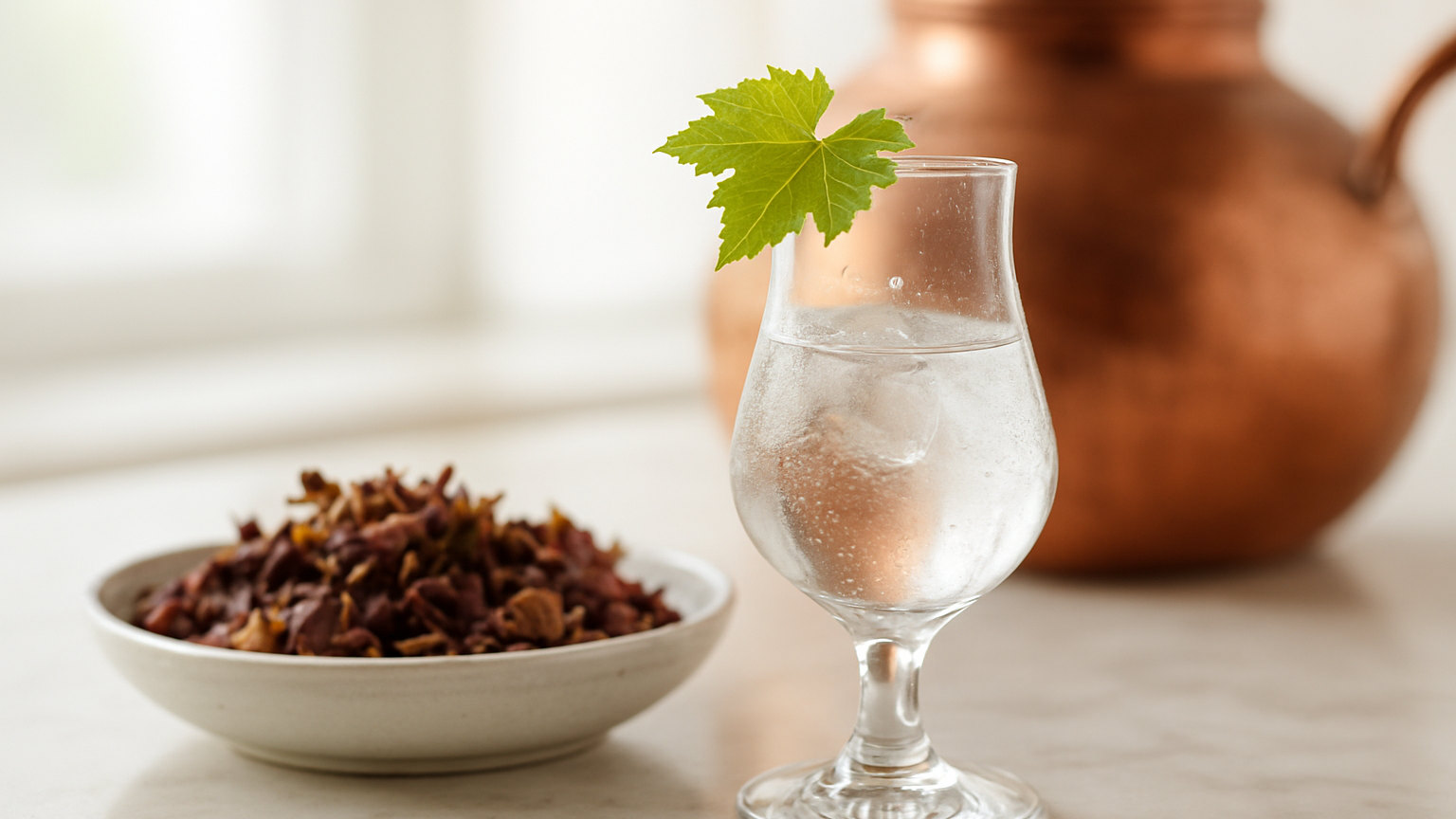
Grappa is distilled from what is left after the wine has been pressed, not from the wine itself. That single fact explains its character and its historic reputation.
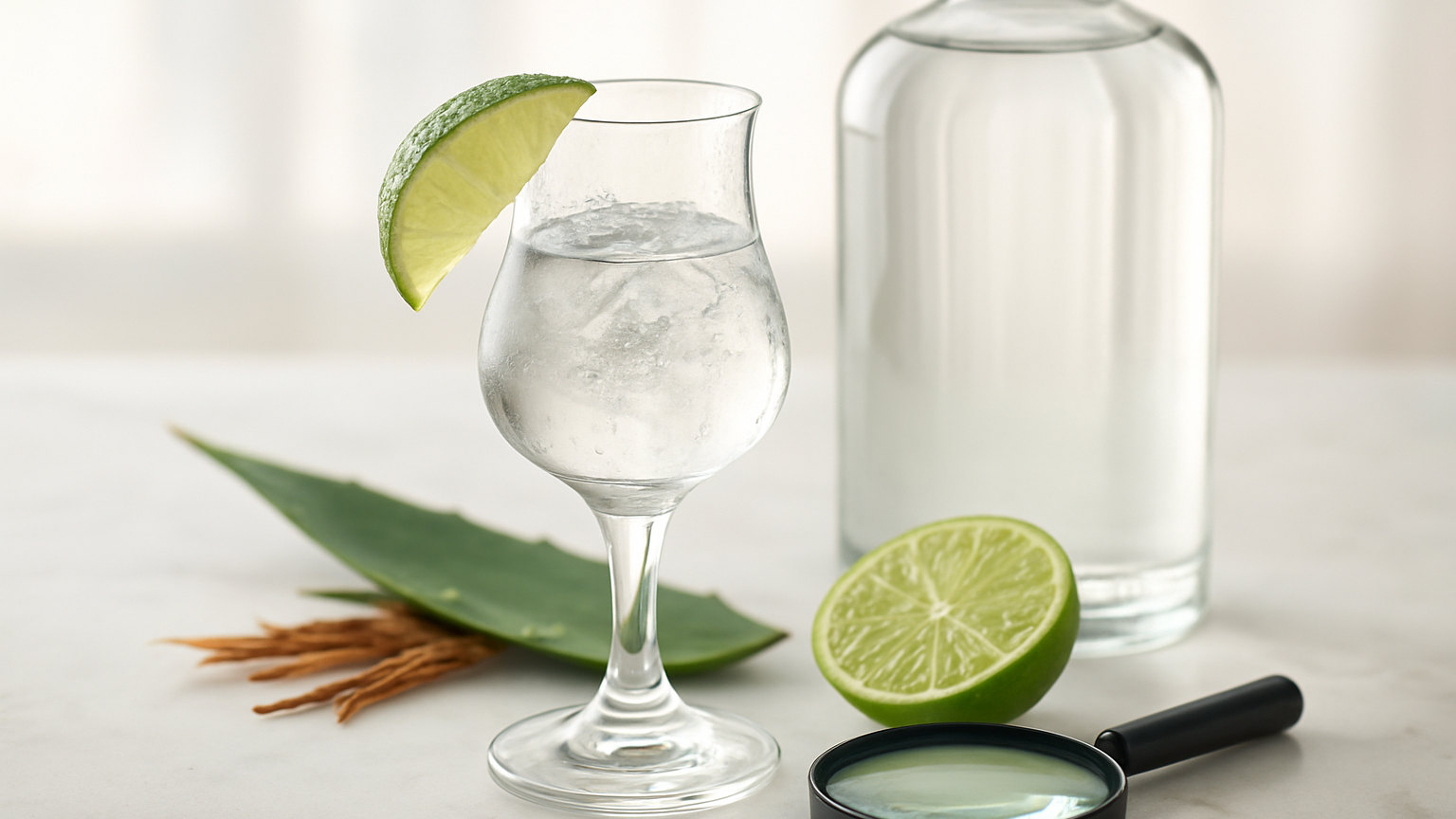
A four digit code in small print identifies the distillery that actually made the tequila. It is the most informative thing on the bottle and the easiest to overlook.
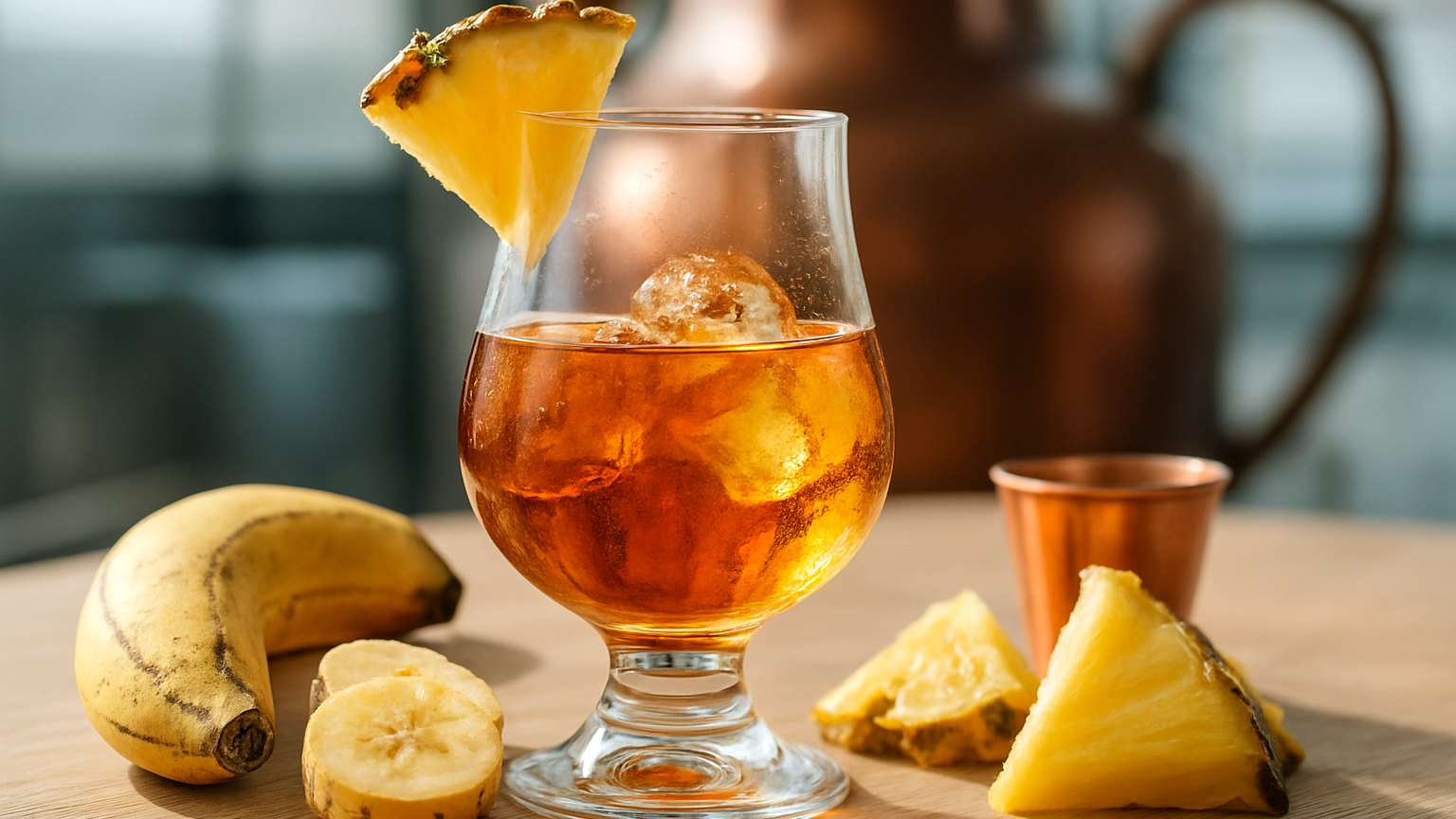
The overripe banana and pineapple character of Jamaican rum comes from deliberately encouraging things most distillers work hard to avoid. It is chemistry, not accident.