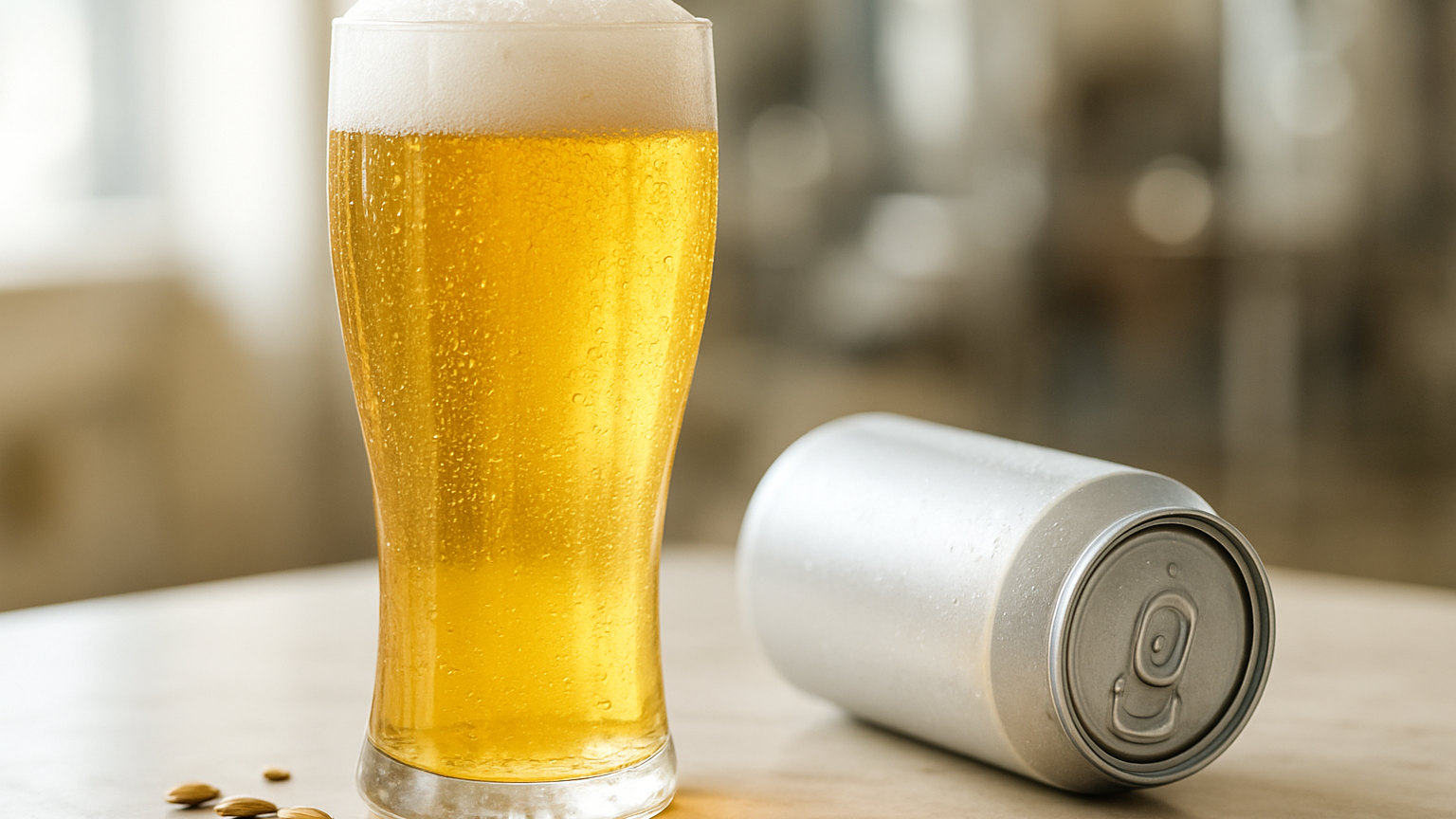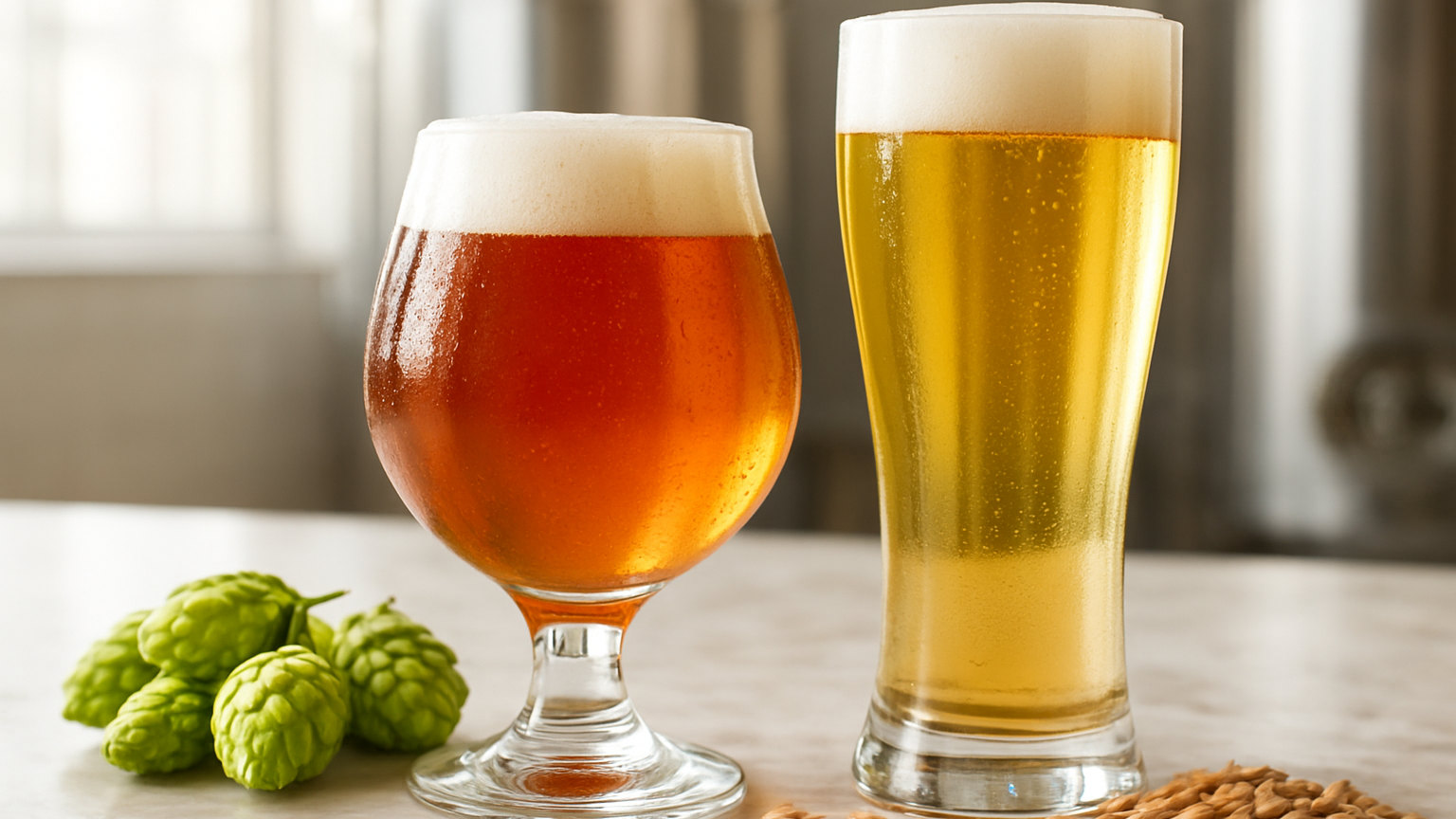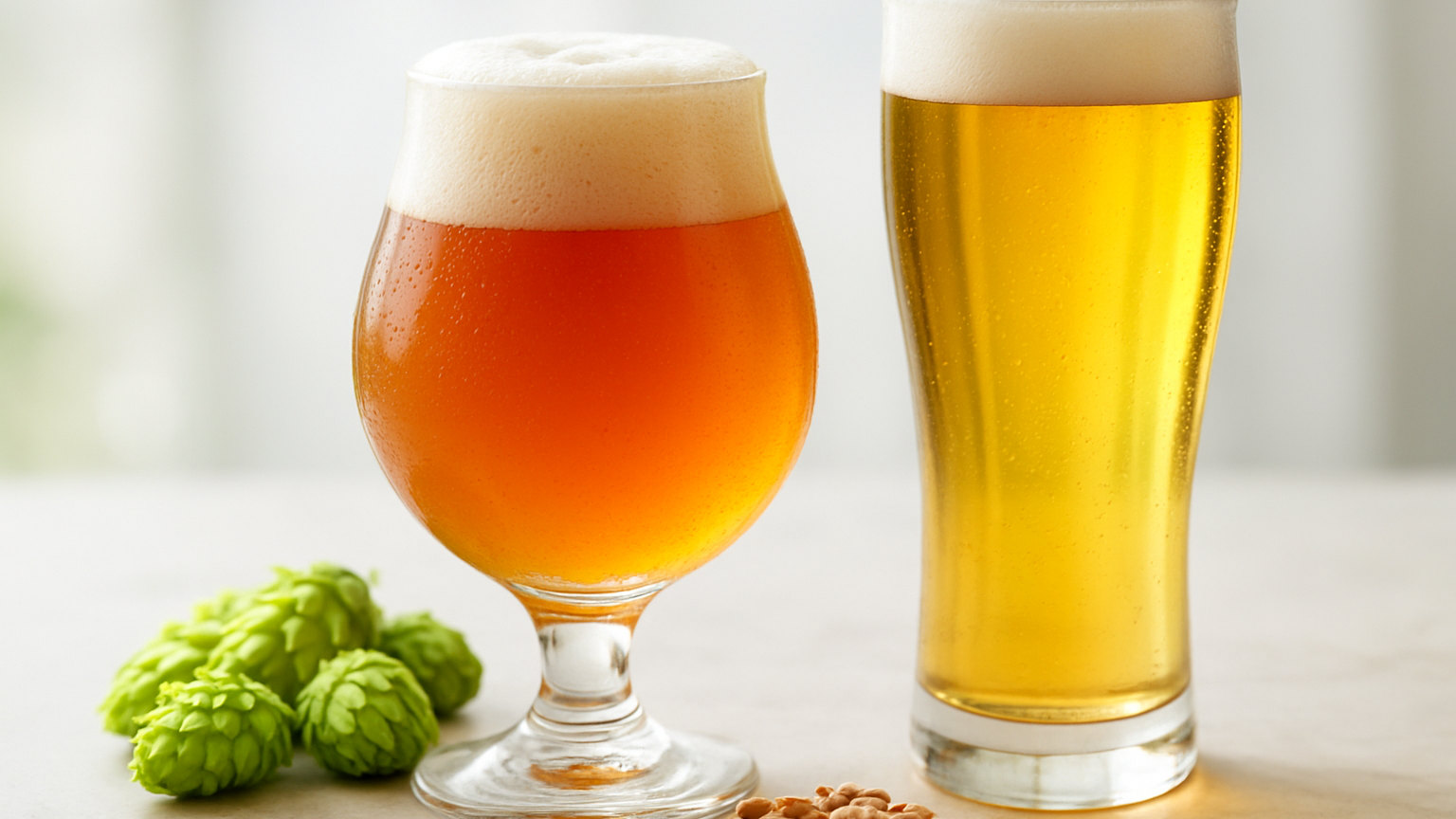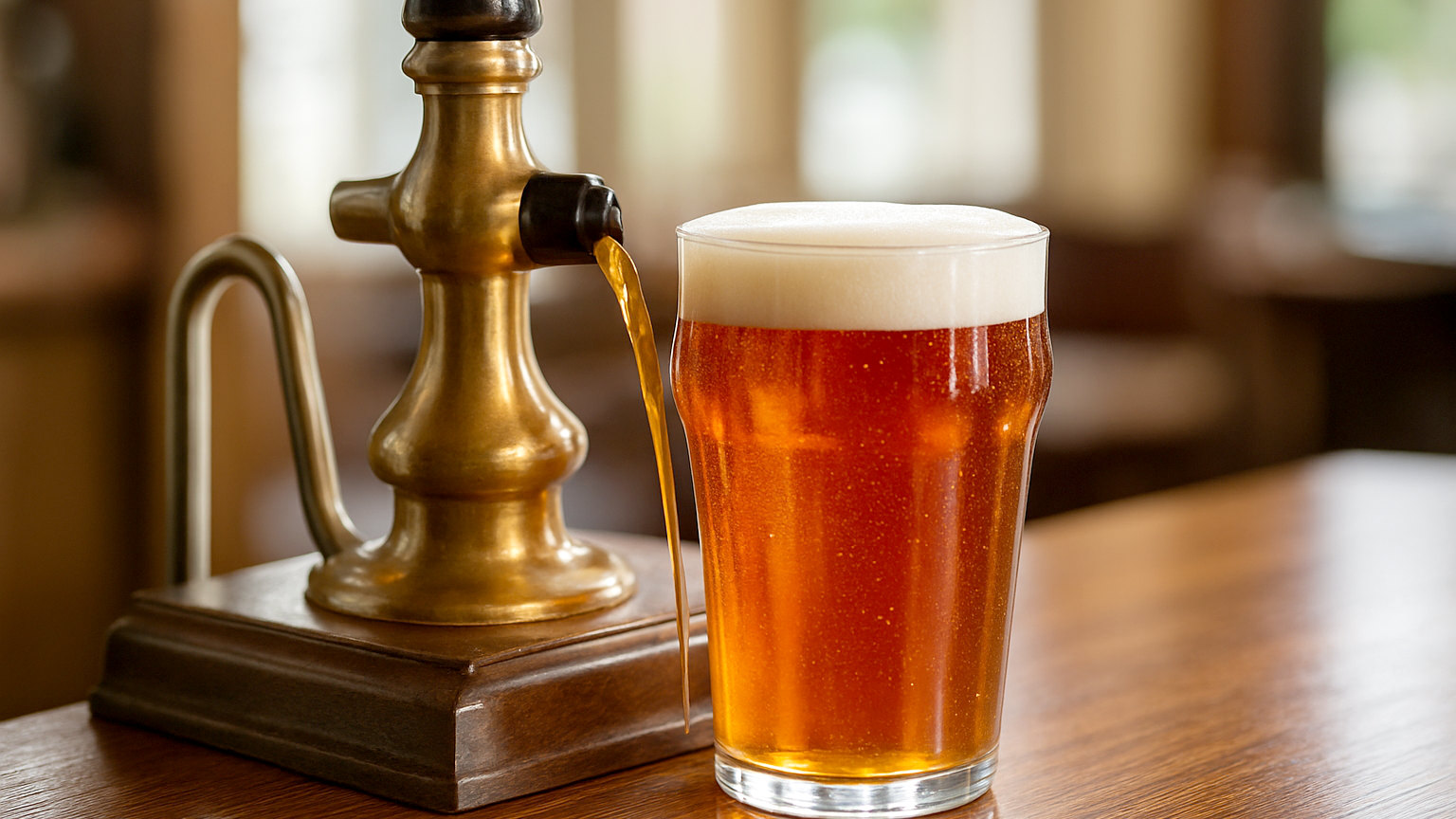
Order a pint of bitter in Manchester and it arrives with a dense, creamy, almost solid head that lasts to the bottom of the glass. Order the same brewery's beer in London and it arrives with a thin covering of loose foam that disappears within a minute.
The difference is a device costing a few pounds, and the argument about it has run for the better part of a century.
What a sparkler does
A sparkler is a small nozzle screwed onto the end of the swan neck, the curved spout on a handpump. It is perforated with fine holes, and forcing beer through them under pressure agitates it violently.
That agitation knocks dissolved carbon dioxide out of solution, producing a large volume of very small bubbles. The result is a tight, creamy head of the kind associated with northern pubs, and beer beneath it that is noticeably less carbonated than it was in the cask.
The device also emulsifies proteins and hop compounds into the foam, which is why the head is stable rather than collapsing.
Why it changes the flavour
This is the part that makes it more than a presentational choice. Removing carbon dioxide reduces perceived acidity and sharpness, so the beer tastes softer and rounder. It also strips some hop aroma into the head rather than leaving it in the liquid.
The consequence is that a sparkled pint tastes less bitter and more malty than the same beer poured without one. Supporters argue this produces a smoother, more drinkable beer with a superb creamy texture. Opponents argue it removes exactly the hop character the brewer put in, and flattens the beer in the process.
Both descriptions are accurate; they simply disagree about whether the change is desirable.
The geography
Sparklers are standard across the north of England, particularly Yorkshire, Lancashire and the north east, and in much of Scotland and Wales. They are largely absent in the south and in the Midlands, where beer is served with a thinner head or none at all.
The division is old enough that regional brewing styles adapted to it. Northern breweries frequently hop their beers more assertively, knowing that the sparkler will soften the result, while southern beers are built to be served as they leave the cask.
This is why swapping the serving method can make a beer taste wrong: a southern bitter through a sparkler can seem flat and dull, and a northern one served without can seem harsh.
Asking for it either way
Most pubs will accommodate a request. Asking for a pint without the sparkler, or with one if the pub has it available, is a normal thing to do in a pub that takes its cask seriously, and staff in cask-focused pubs are usually happy to oblige.
Some brewers specify their preference, and a few state on the pump clip that their beer should be served without a sparkler. It is worth respecting where it is stated, since the brewer built the beer around it.
The measure question
A tight head takes up space, which brings in the long-running argument about short measures. A brim-measure glass filled with two centimetres of foam contains less than a pint of liquid.
Legally, a head is generally accepted as part of the pint provided the liquid comes to at least ninety five per cent of the measure. Lined glasses, marked with a pint line and space above it, resolve the issue entirely and are increasingly common.
In northern pubs, asking for a top-up is entirely normal and rarely causes offence. The head is part of how the beer is served there, and staff expect the request.
Which is better
Neither, and the honest answer is that it depends on the beer and on what you like. The useful thing is knowing that the choice exists and that it changes what is in the glass, rather than assuming the head is simply how beer looks in different parts of the country.
Trying both
The experiment is easy in a pub that has a sparkler available and is willing to pour one of each. Two halves of the same beer, one through the sparkler and one without, demonstrate the difference more clearly than any argument.
Most people find the sparkled version softer and creamier and the unsparkled version sharper and more aromatic. Which you prefer is a matter of taste, and knowing it means you can ask rather than accepting whatever the geography provides.