The Czech Republic drinks more beer per head than anywhere else, and the beer in question is overwhelmingly pale lager. What distinguishes it from the pale lager sold everywhere else is a set of production techniques that most of the world dropped on efficiency grounds, and a serving culture that treats foam as part of the drink rather than an obstacle to it.
Decoction mashing
The mash is the stage where crushed malt is mixed with hot water to convert starch into fermentable sugar. Most modern brewing raises the temperature through a series of steps using heated water or a jacketed vessel.
Decoction does it differently. A portion of the mash is removed, boiled separately and returned, raising the overall temperature through the addition of very hot material. Traditional Czech brewing uses a triple decoction, repeating the process three times.
The technique developed before thermometers, as a reliable way of hitting temperature steps, and it survives because it changes the beer. Boiling part of the mash produces Maillard reactions and caramelisation, adding depth, colour and a richer bread and biscuit character than a simple infusion mash gives.
It is slow, labour-intensive and energy-hungry, which is why nearly everyone else abandoned it. Whether the difference justifies the cost is debated within brewing, and Czech producers who use it are clear that it does.
The other ingredients
Bohemian floor-malted barley gives a softer, more characterful malt than modern industrial malting. Some breweries still malt their own on traditional floors, turning the grain by hand.
The water in Plzeň is exceptionally soft, extremely low in minerals, which produces a rounded rather than sharp bitterness and lets the malt show.
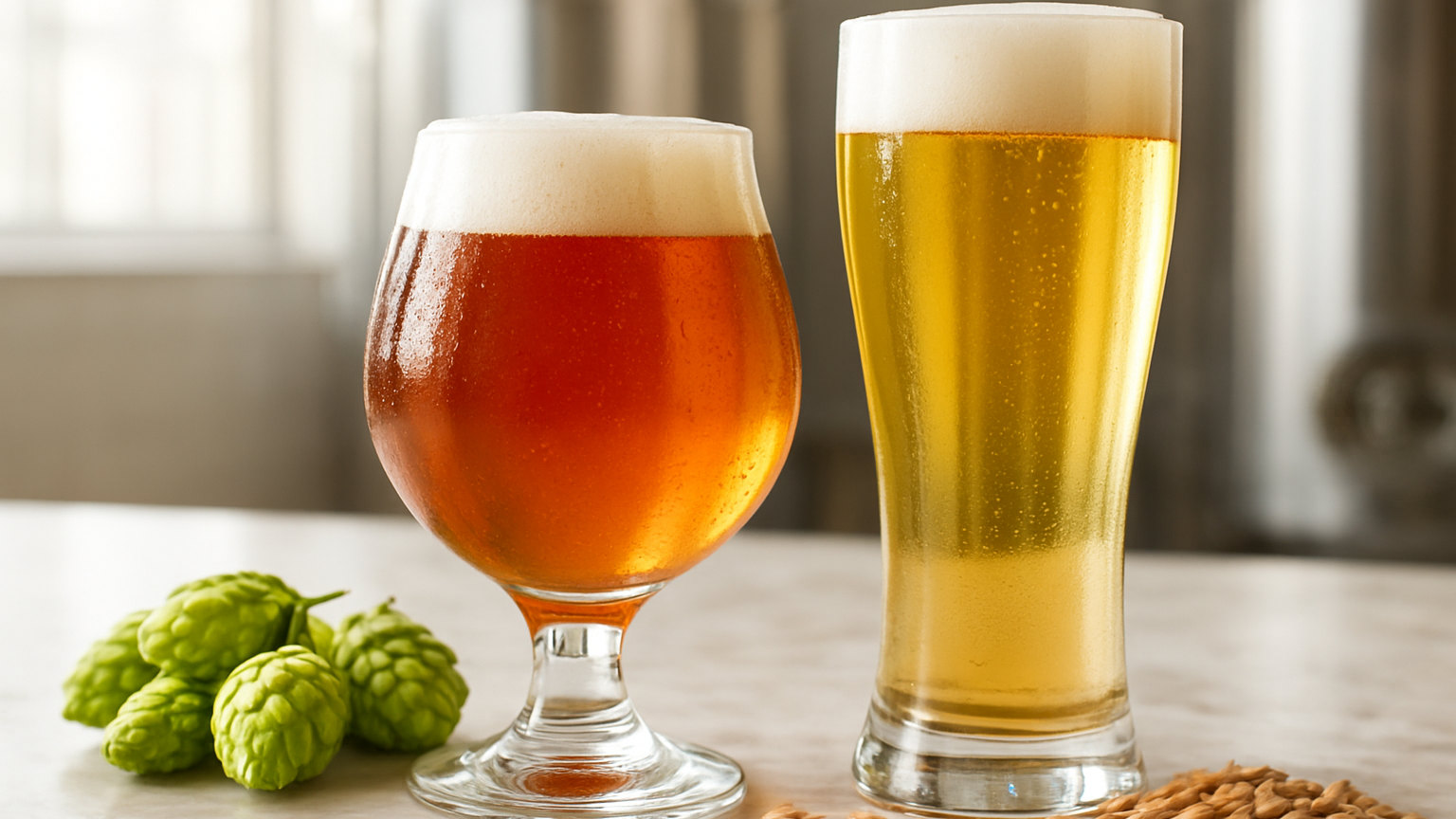
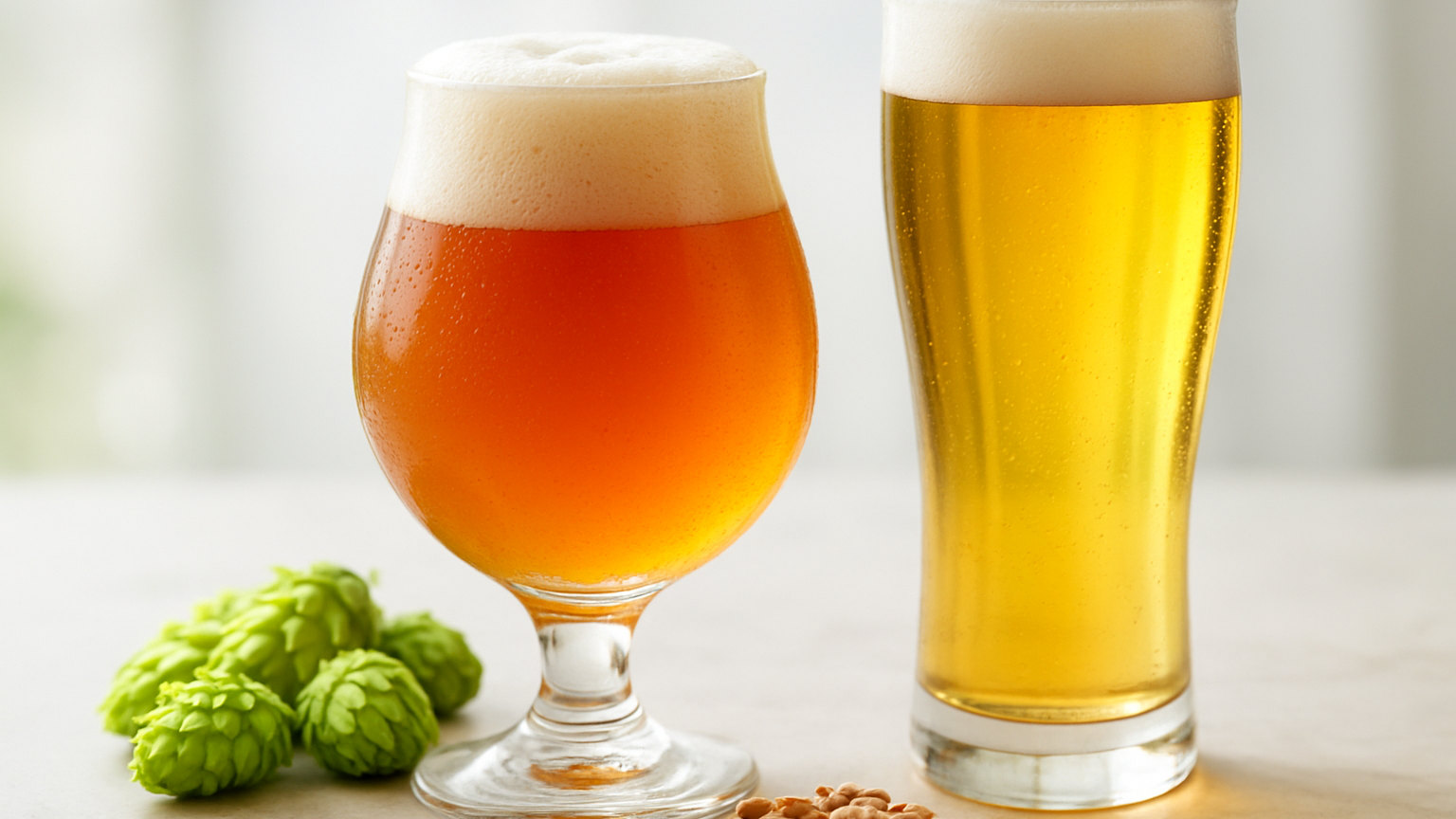
Saaz hops, grown around Žatec, provide the spicy, herbal, gently lemony aroma that defines the style. They are low in alpha acids, so a substantial quantity is used, and the aroma is generous while the bitterness remains soft.
Long lagering completes it, with traditional producers conditioning for many weeks.
Tank beer
Unpasteurised, unfiltered beer delivered to pubs in tanks rather than kegs is a Czech speciality worth seeking out. It is called tankové pivo, and the beer goes from brewery to tank room to tap without the pasteurisation that would otherwise extend its life at the cost of freshness.
The difference is noticeable: fuller, softer and more aromatic than the same brand filtered and pasteurised. Pubs equipped for it advertise the fact prominently, and a growing number outside the country now serve it too.
The pours
Czech serving culture treats foam as an ingredient, and a good bartender can pour a beer several ways from the same tap.
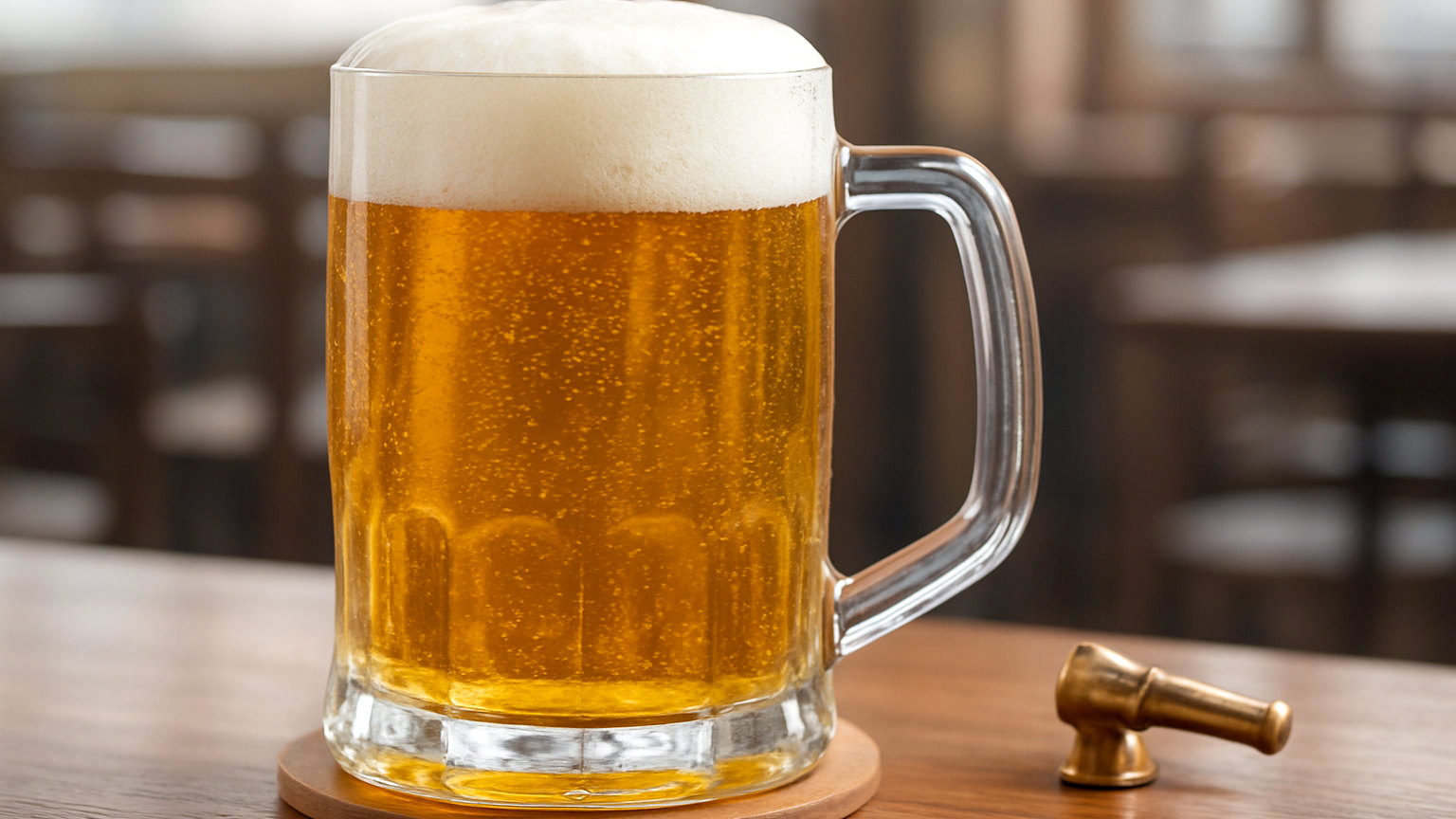
Hladinka is the standard: roughly three fingers of dense, creamy foam over clear beer, which is considered the correct way to serve it rather than a mistake. The foam protects the beer from oxidation and carries the aroma.
Šnyt is a smaller measure with a large head, traditionally for someone who wants one more without committing to a full glass. Mlíko, meaning milk, is a glass filled almost entirely with foam, sweet and creamy, drunk quickly.
Underlying all of this is a technical point that translates anywhere: a proper head is not wasted beer. It holds aromatic compounds, it slows oxidation, and a lager poured flat to maximise liquid tastes gassier and duller than one poured with a head.
What to look for
The term ležák indicates a lager of standard strength, and desítka and dvanáctka refer to the traditional degree scale measuring the sugar content of the wort, corresponding roughly to four and five per cent beers respectively.
Unfiltered versions, labelled nefiltrované, are hazier and fuller flavoured. Unpasteurised versions carry their own designation and are worth choosing where available.
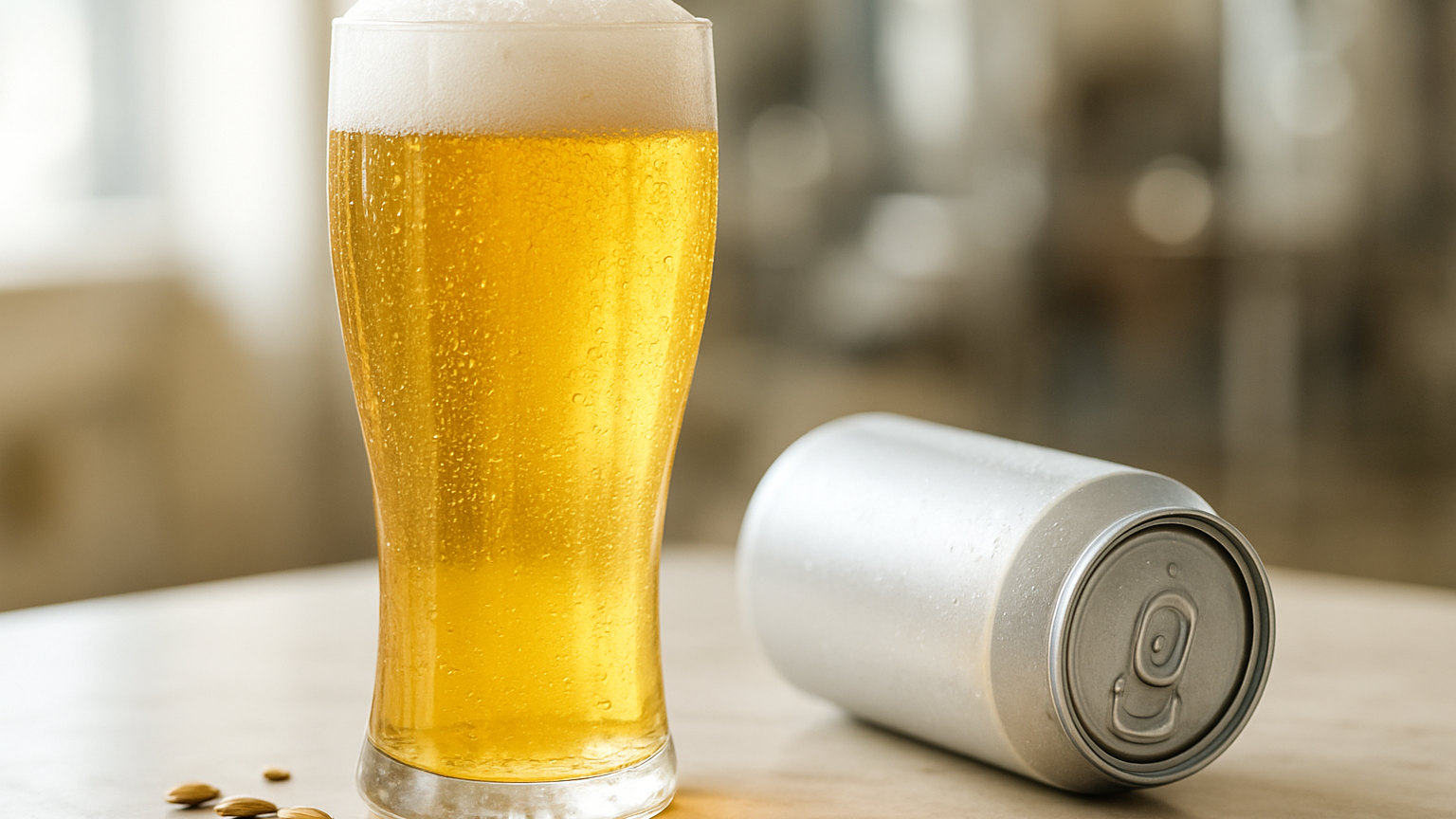
The style also travels badly in green glass, so cans or brown bottles are the sensible purchase, and freshness matters more here than in most beer.