Can White Wine Age, and Which Ones Should?
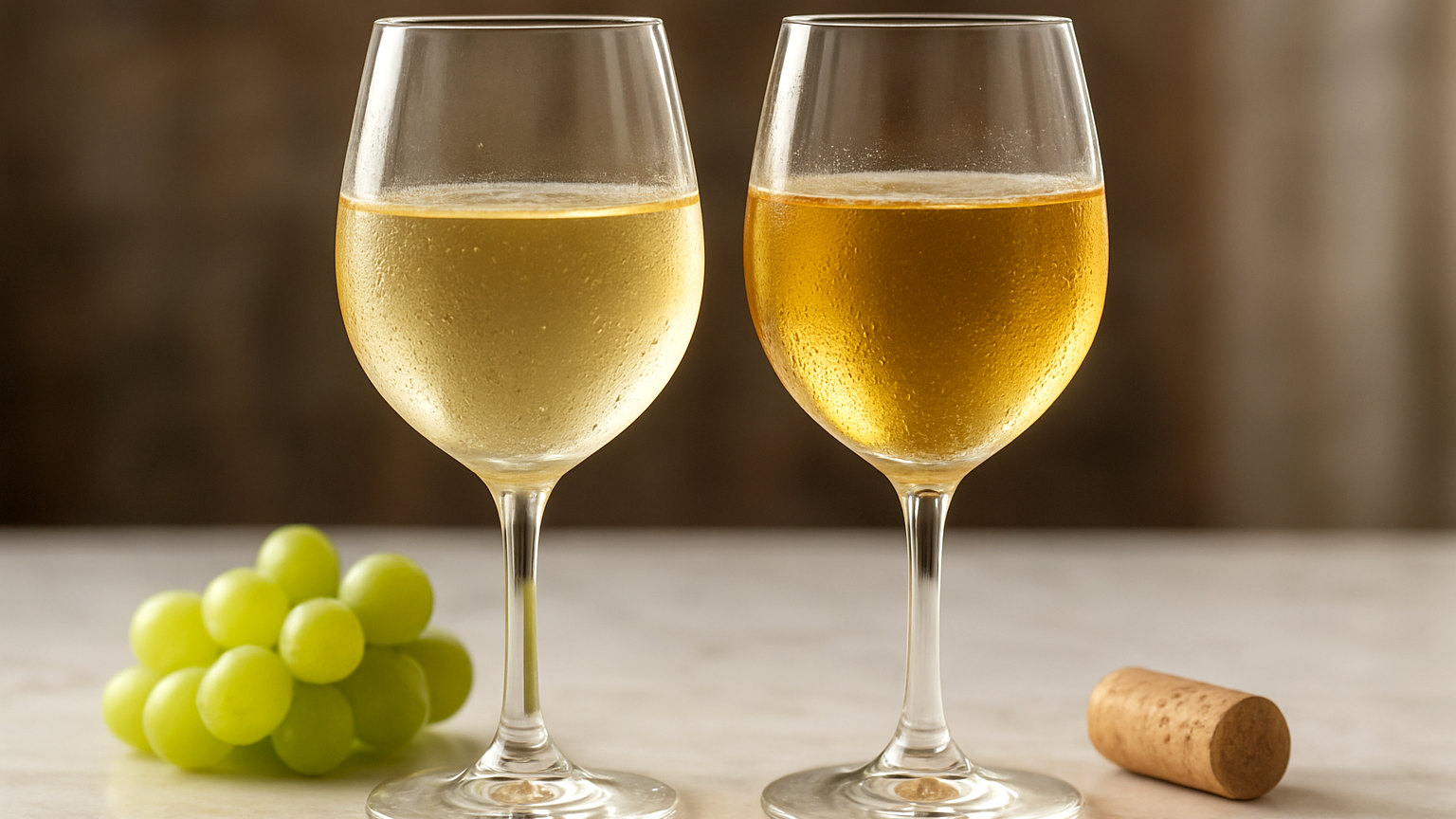
White wine is assumed to be for drinking young, and most of it is. The exceptions are among the longest-lived wines made, and they cost far less than the reds they outlast.
Wine has more vocabulary attached to it than any other drink, and most of it exists to make buying harder rather than easier. These guides cover what the grape actually does, what a region tells you, how to taste without performing, and how to spend twelve pounds well.
White wine is assumed to be for drinking young, and most of it is. The exceptions are among the longest-lived wines made, and they cost far less than the reds they outlast.
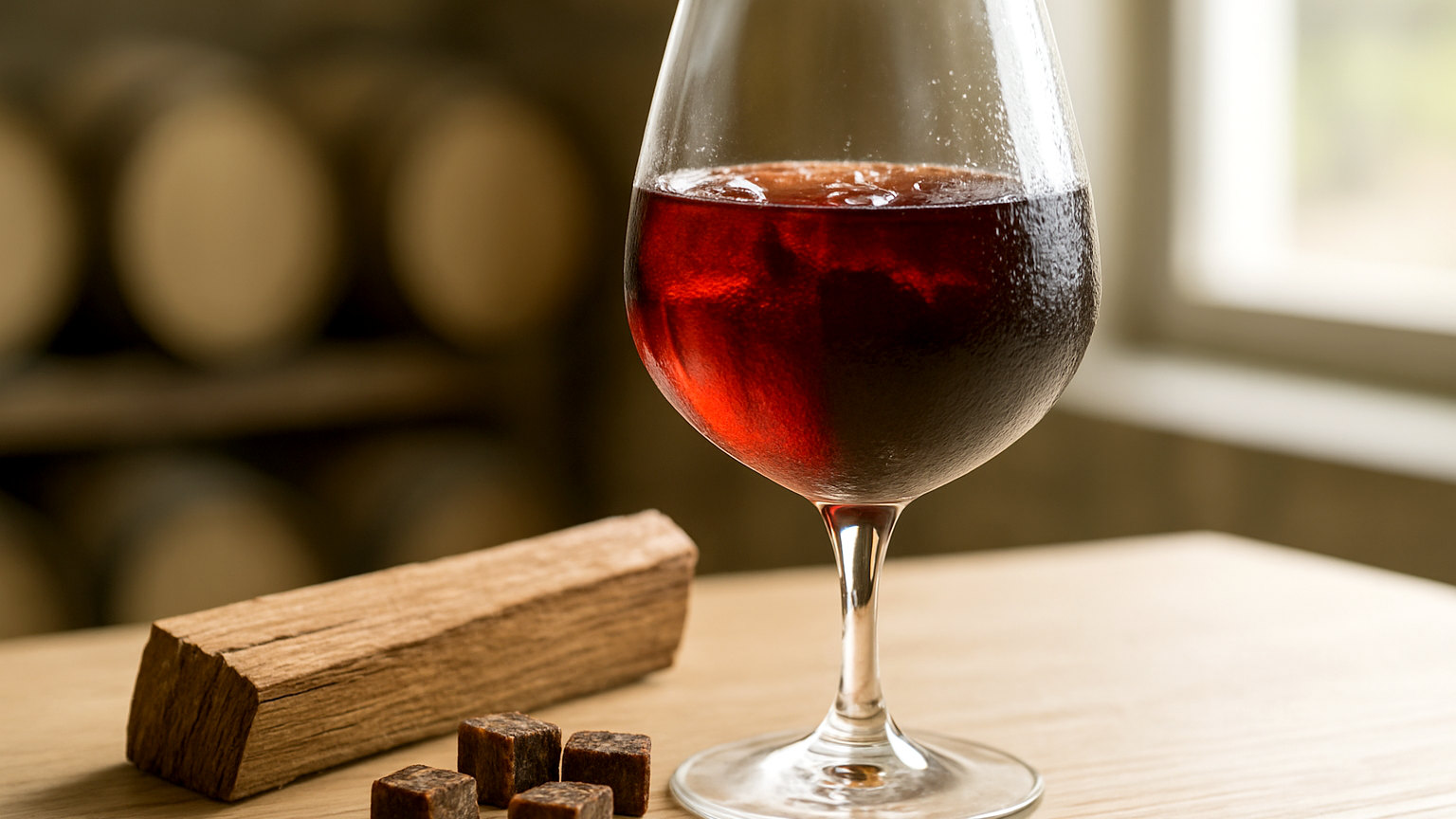
Oak contributes flavour, texture and a slow supply of oxygen. It is also the easiest way to make a cheap wine taste expensive, which is why it is used so heavily.
The year on a bottle matters enormously in some regions and barely at all in others, and knowing which is which prevents both wasted attention and avoidable disappointment.
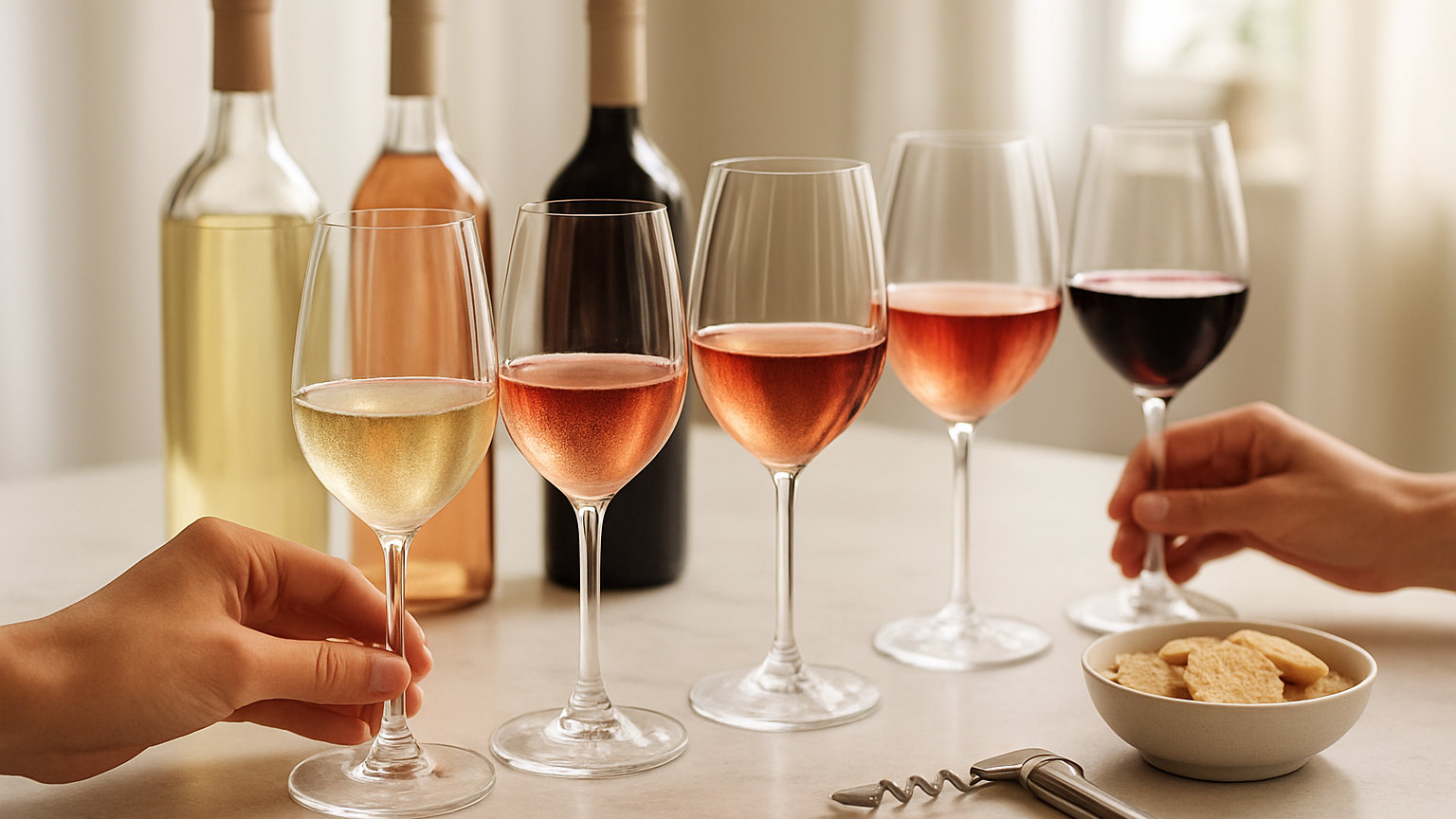
A home tasting needs six people, five bottles and a theme, and it teaches more in one evening than a year of buying whatever is on offer. The organising principle is comparison.
The answer ranges from two days to several months depending on the style, and the deciding factor is how the wine was aged rather than how much alcohol it contains.
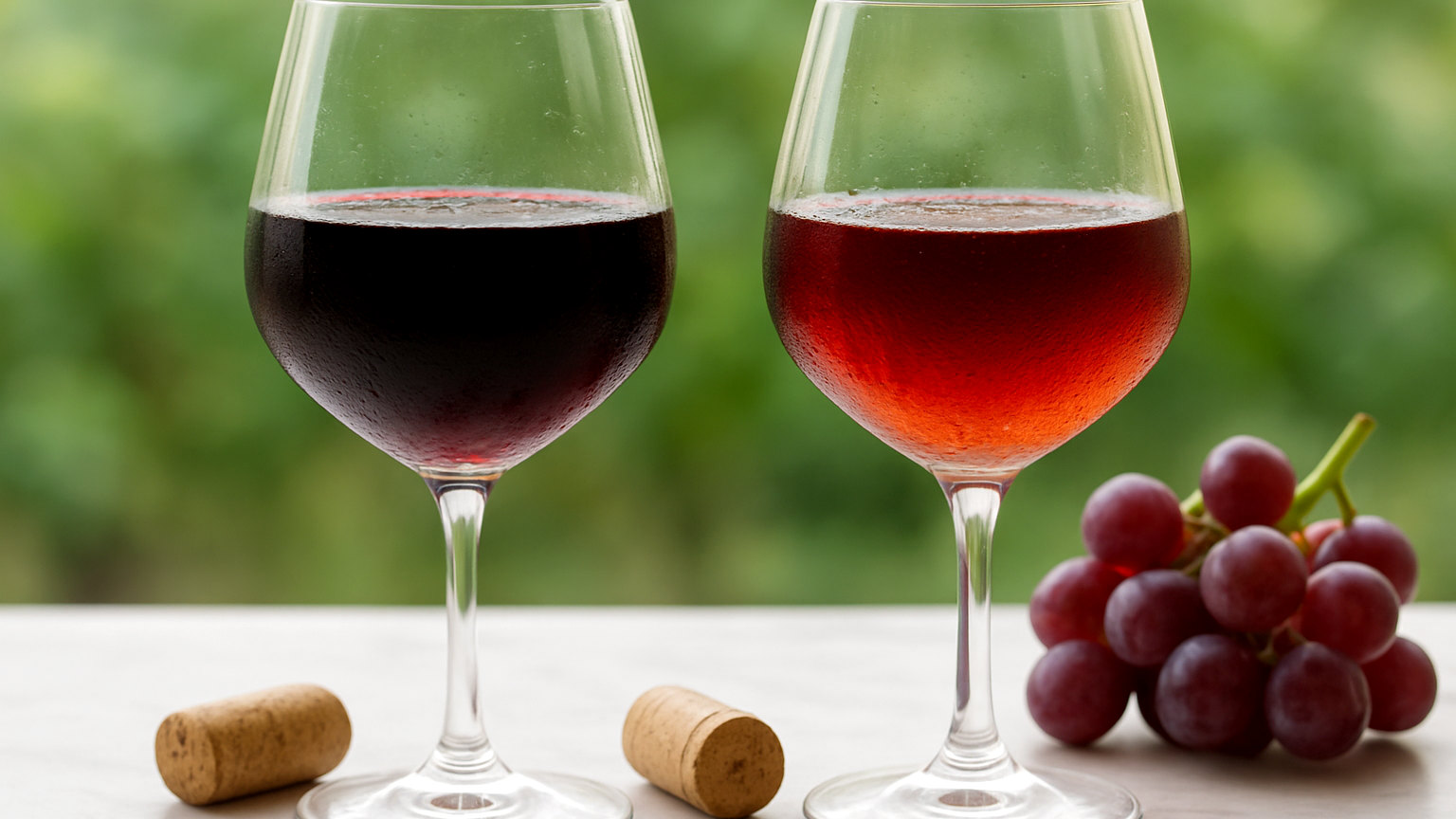
The best selling pink wine in American history began as an accident in a fermentation tank, and it inadvertently saved a great deal of old vine zinfandel from being pulled up.
Most champagne is made by houses that buy their grapes. A growing number of producers farm their own vines and make their own wine, and two tiny letters on the label tell you which is which.
Pinot grigio became Britain's default white by being inoffensive, and the commercial logic that got it there is exactly what makes most of it dull.
The overwhelming majority of red wine is made to be drunk within a couple of years. Working out which bottles are the exception is a matter of structure rather than price.
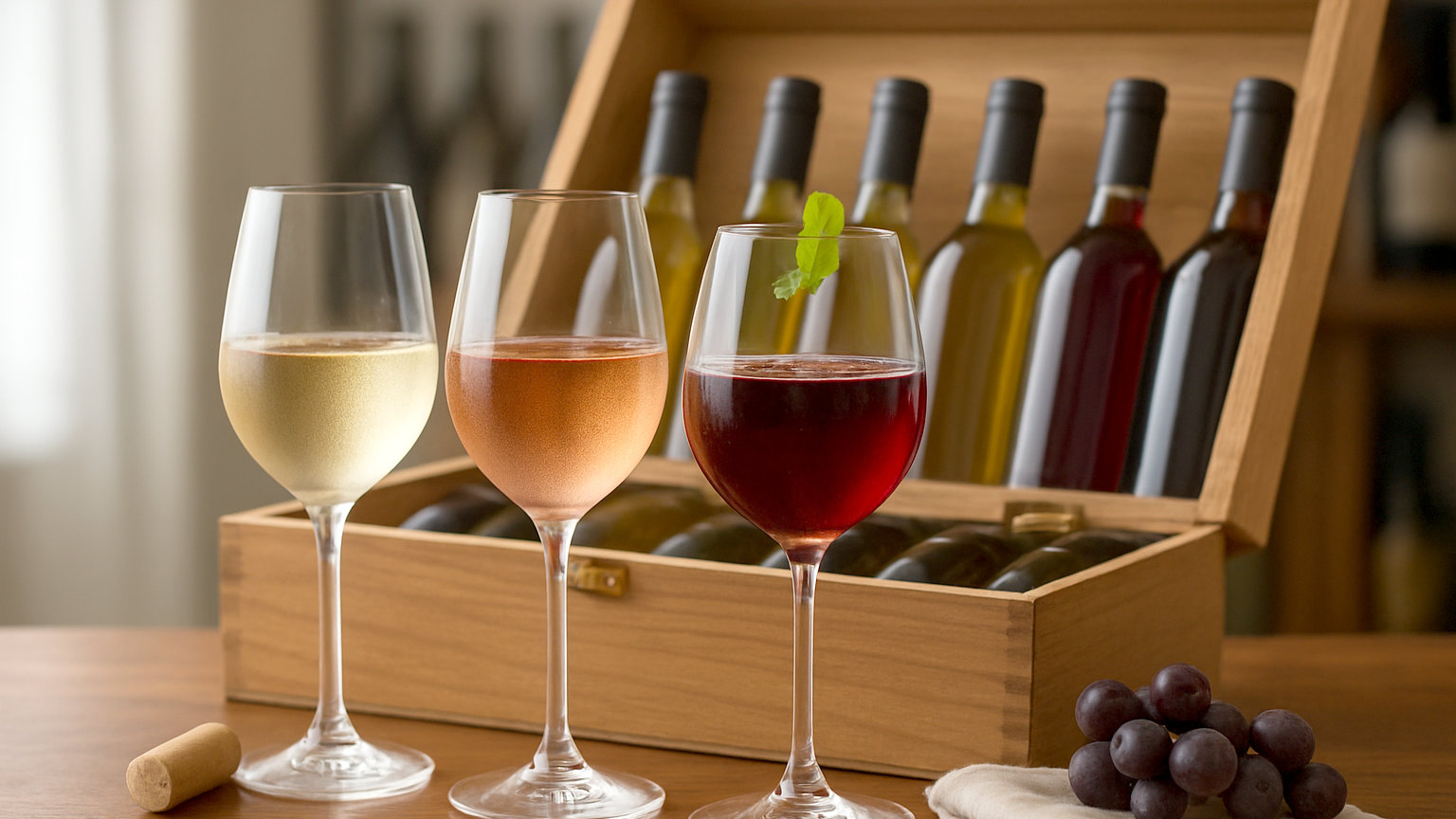
Case discounts are one of the few genuine savings in wine retail, and the risk is buying twelve bottles of something you turn out not to like. Mixed cases solve most of that.
The small pour handed across the table has one purpose, and it is not asking whether you like the wine. Knowing what the ritual is for removes most of the awkwardness.
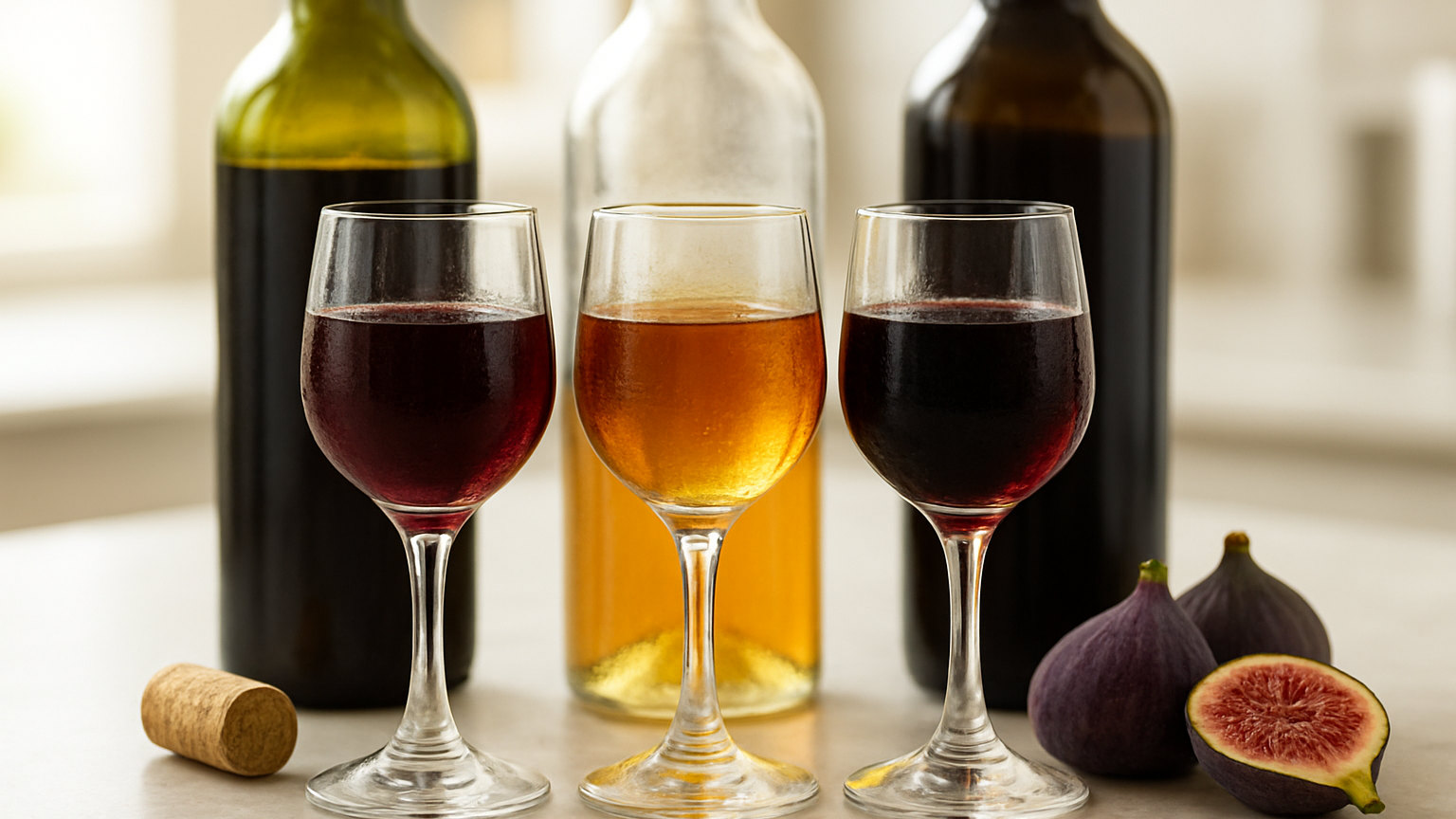
Marsala is known in Britain almost entirely as an ingredient, which is a fair reflection of what gets exported and a poor reflection of what the region can produce.