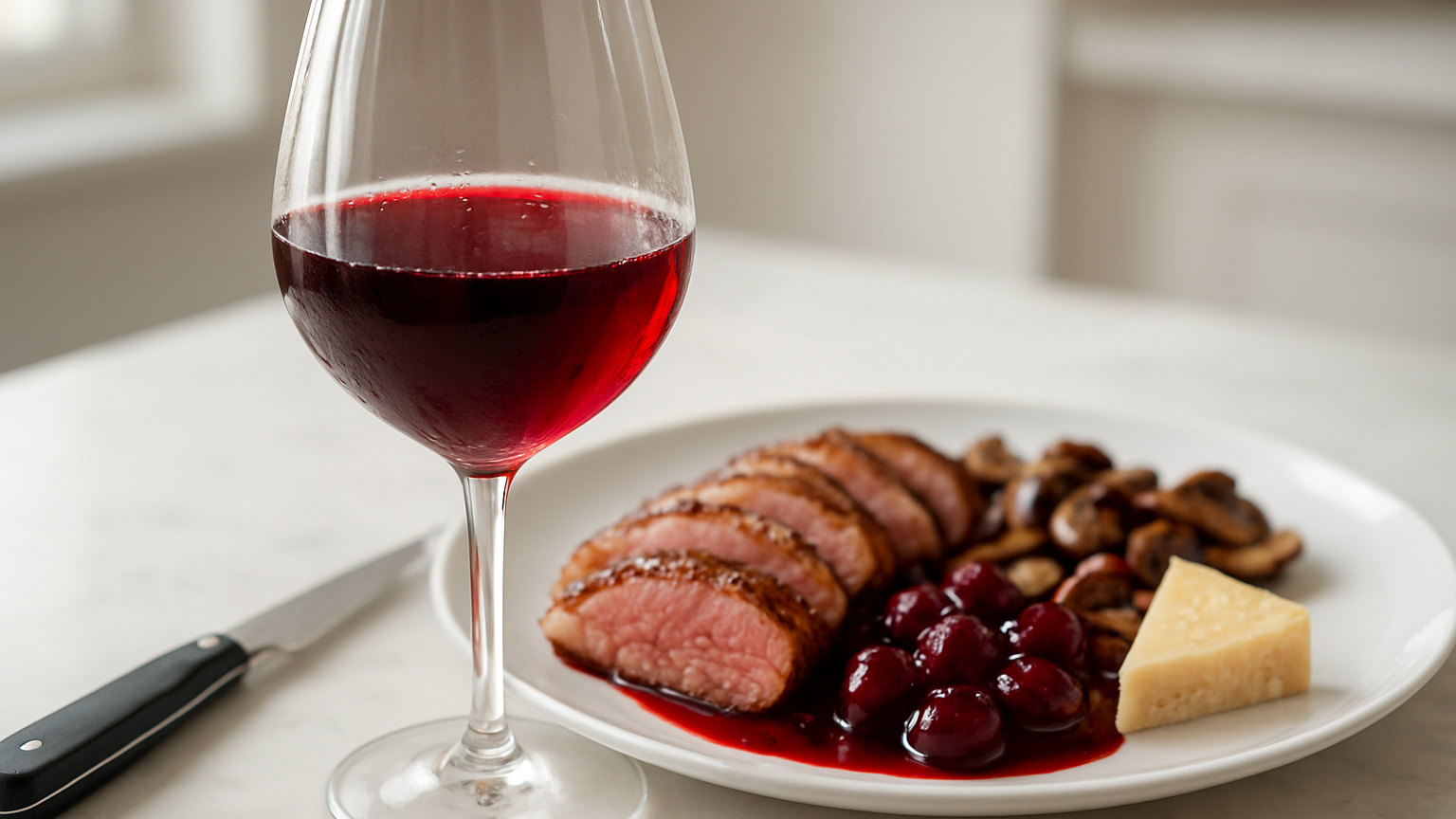
Should Red Wine Be Served at Room Temperature?
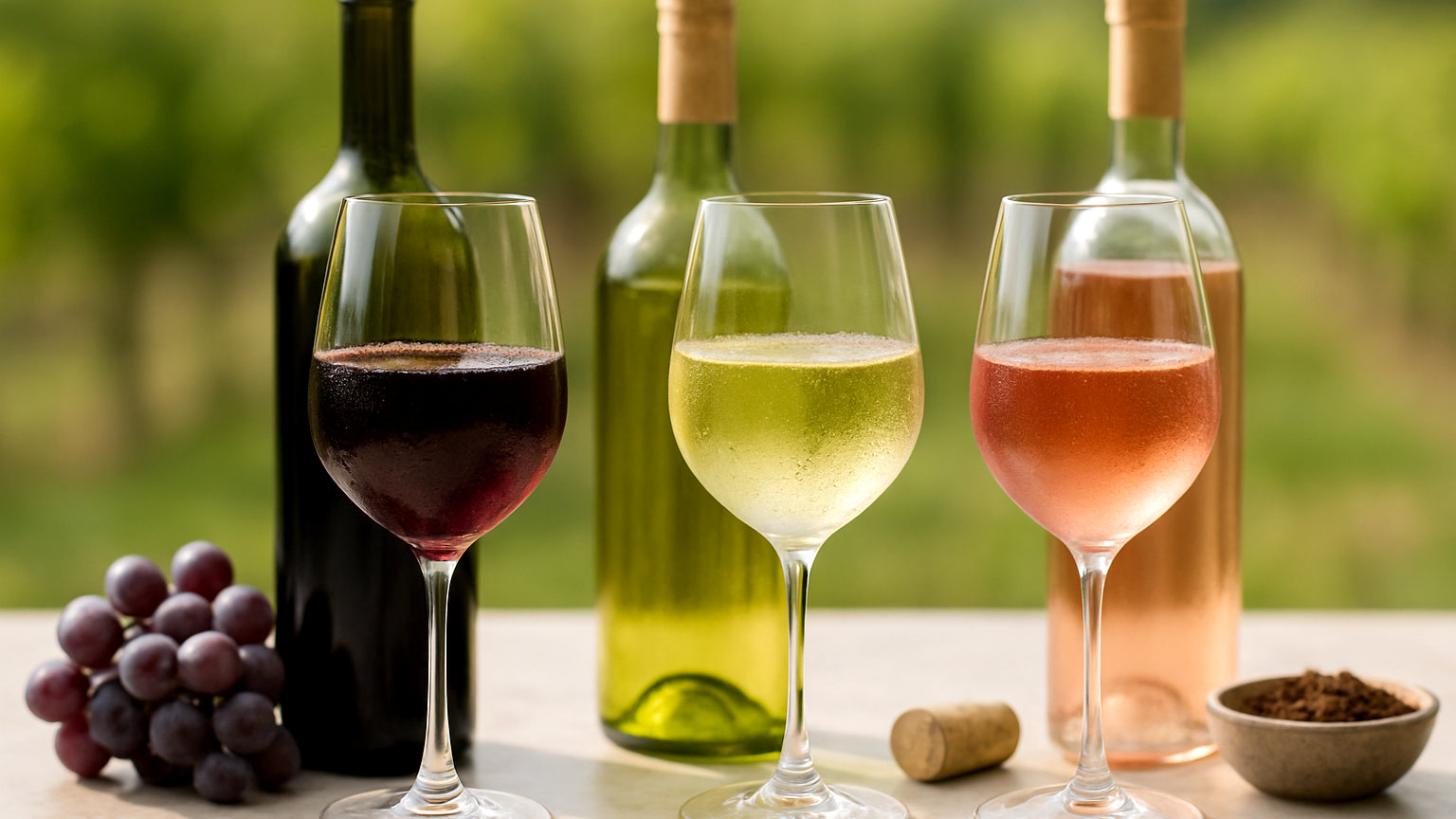
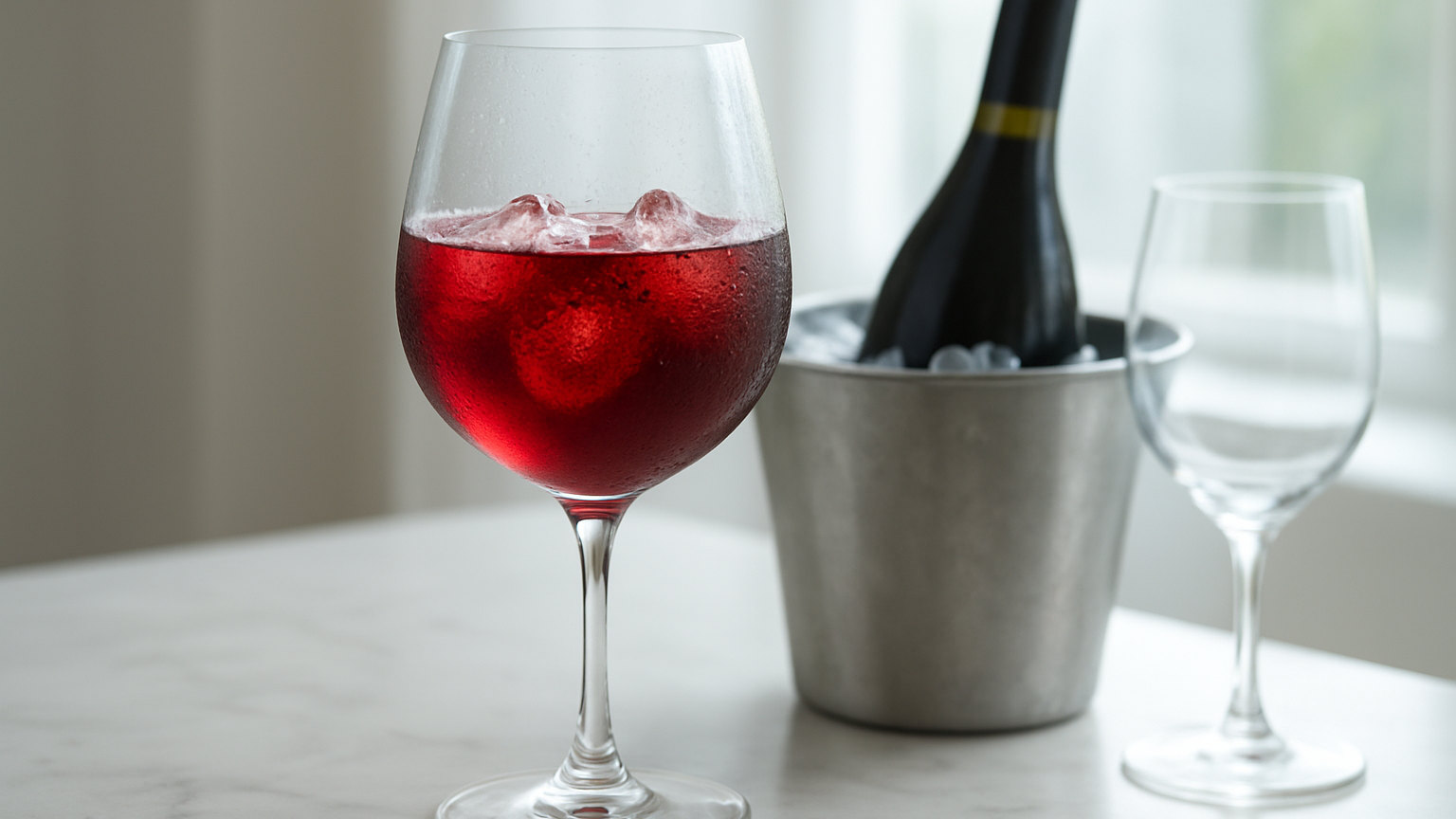
The instruction to serve red wine at room temperature was written for houses without central heating. Following it literally today makes most red wine taste worse.
Wine has more vocabulary attached to it than any other drink, and most of it exists to make buying harder rather than easier. These guides cover what the grape actually does, what a region tells you, how to taste without performing, and how to spend twelve pounds well.
The instruction to serve red wine at room temperature was written for houses without central heating. Following it literally today makes most red wine taste worse.
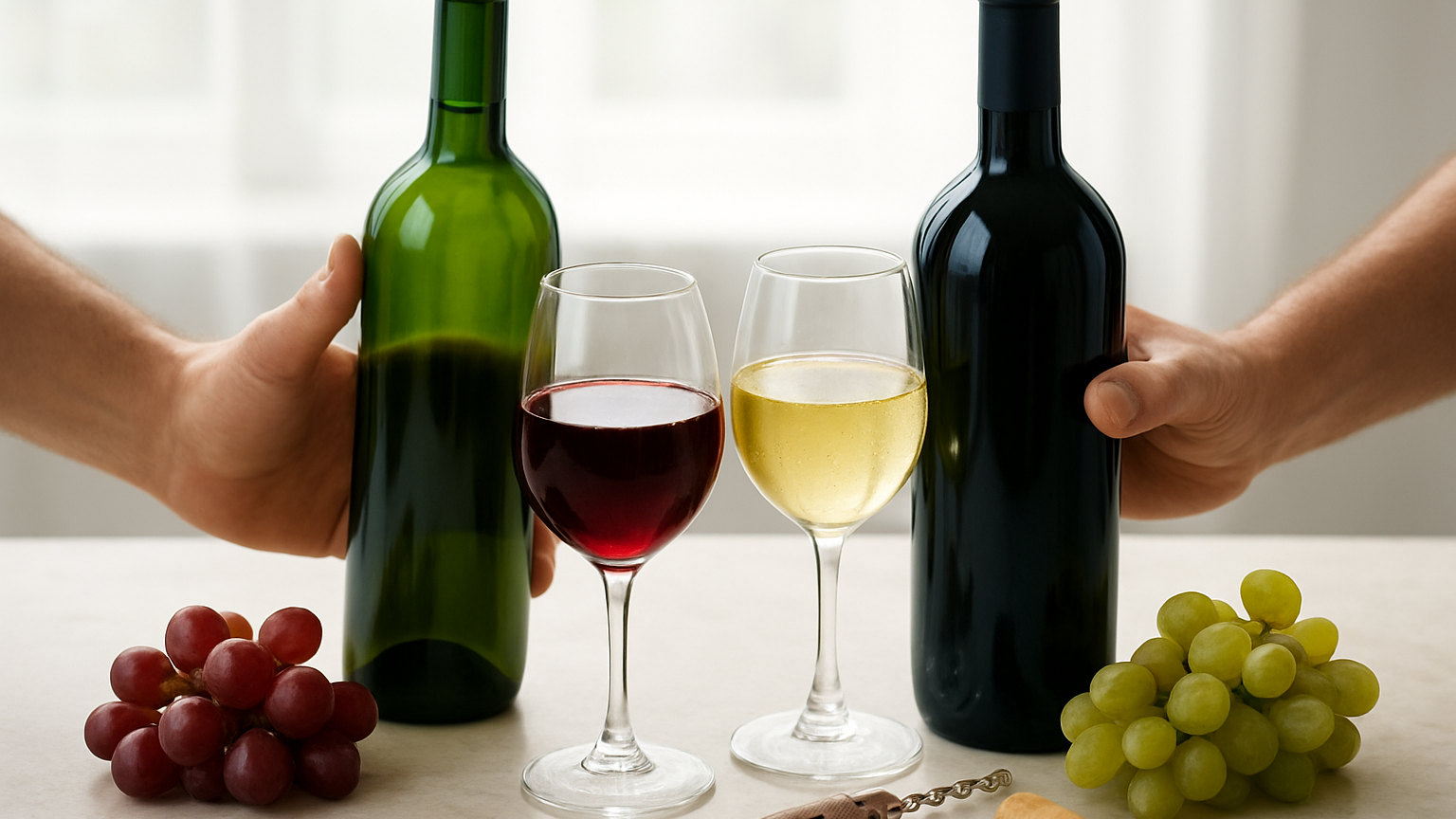
The letters on European wine labels describe origin and rules rather than quality, which is why some of the finest wines in Italy sit in the category below the top one.
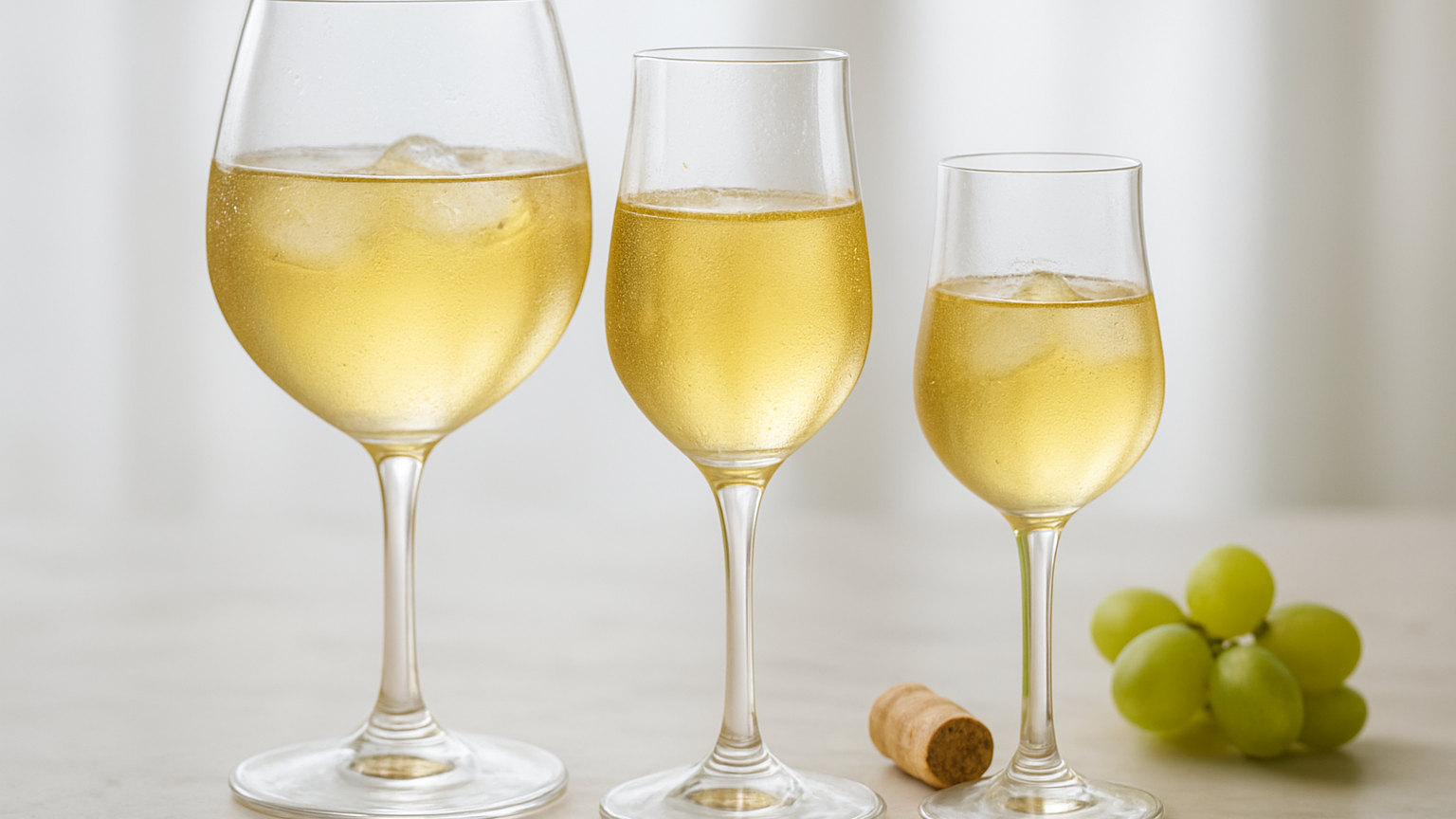
Glass shape makes a real difference, though not as much as the manufacturers of grape-specific glassware would like. Three features matter and the rest is refinement.
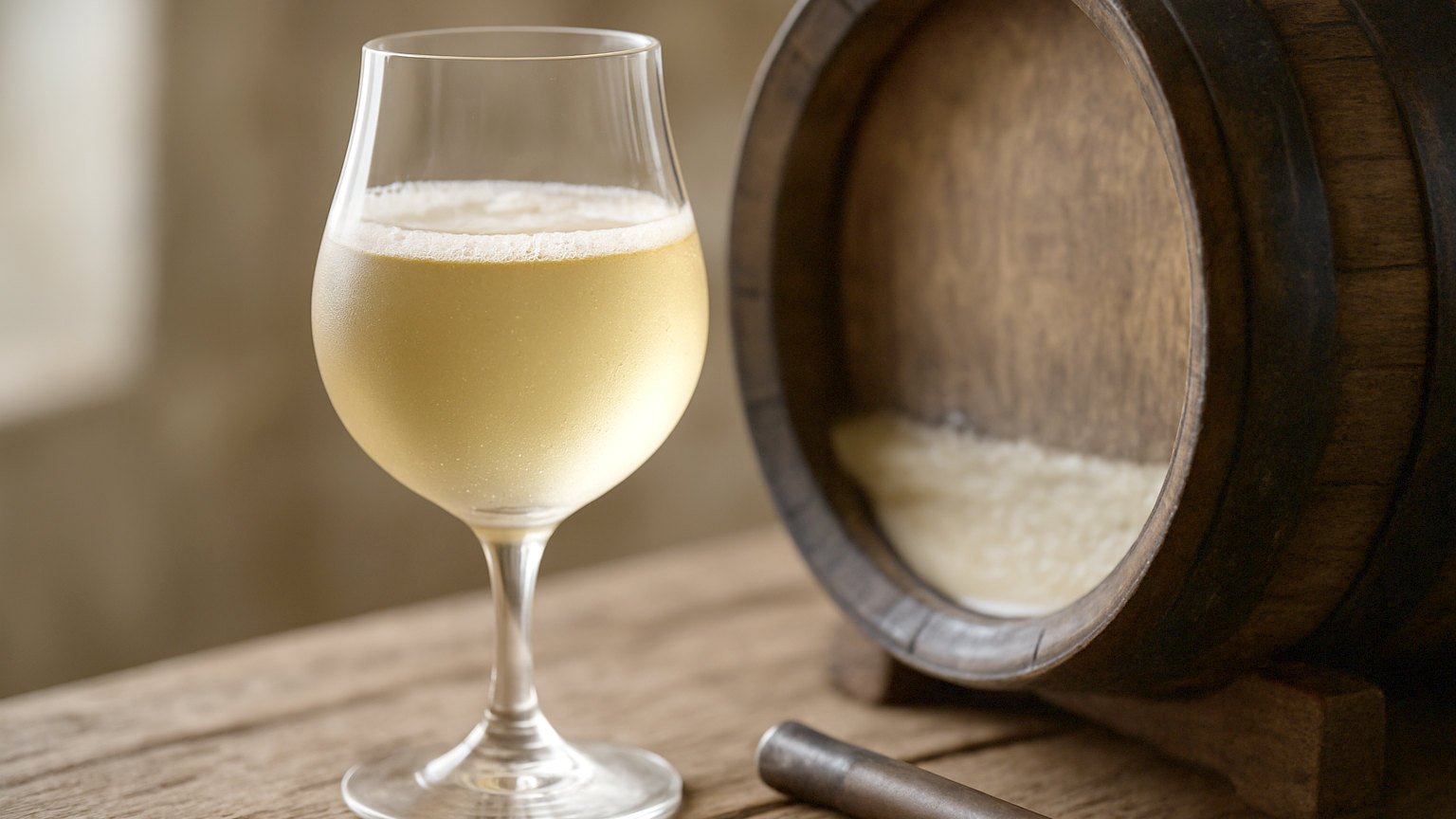
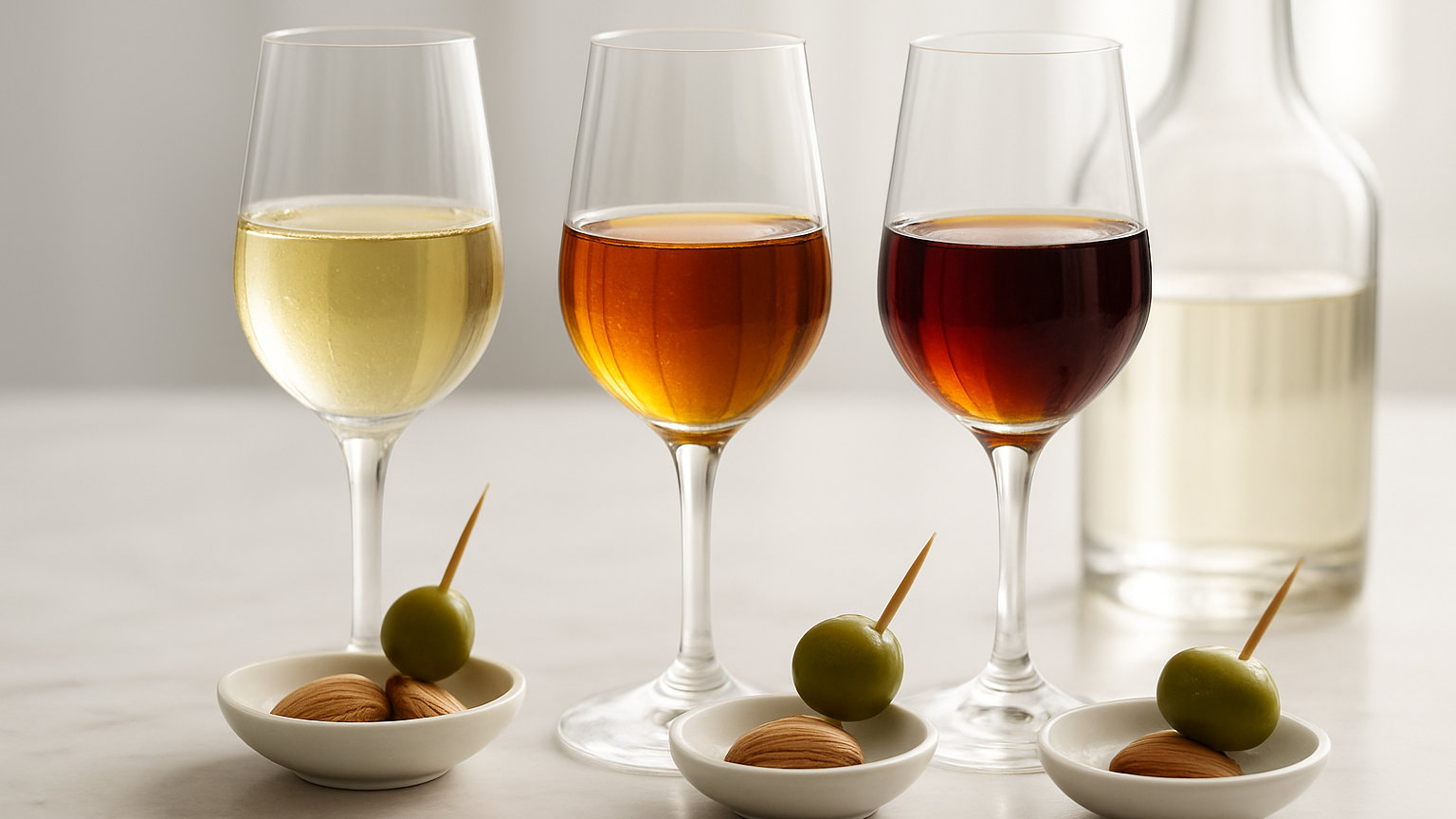
A living film of yeast grows on the surface of certain sherries, eating the wine and protecting it at the same time. It is the strangest process in winemaking and the reason fino tastes as it does.
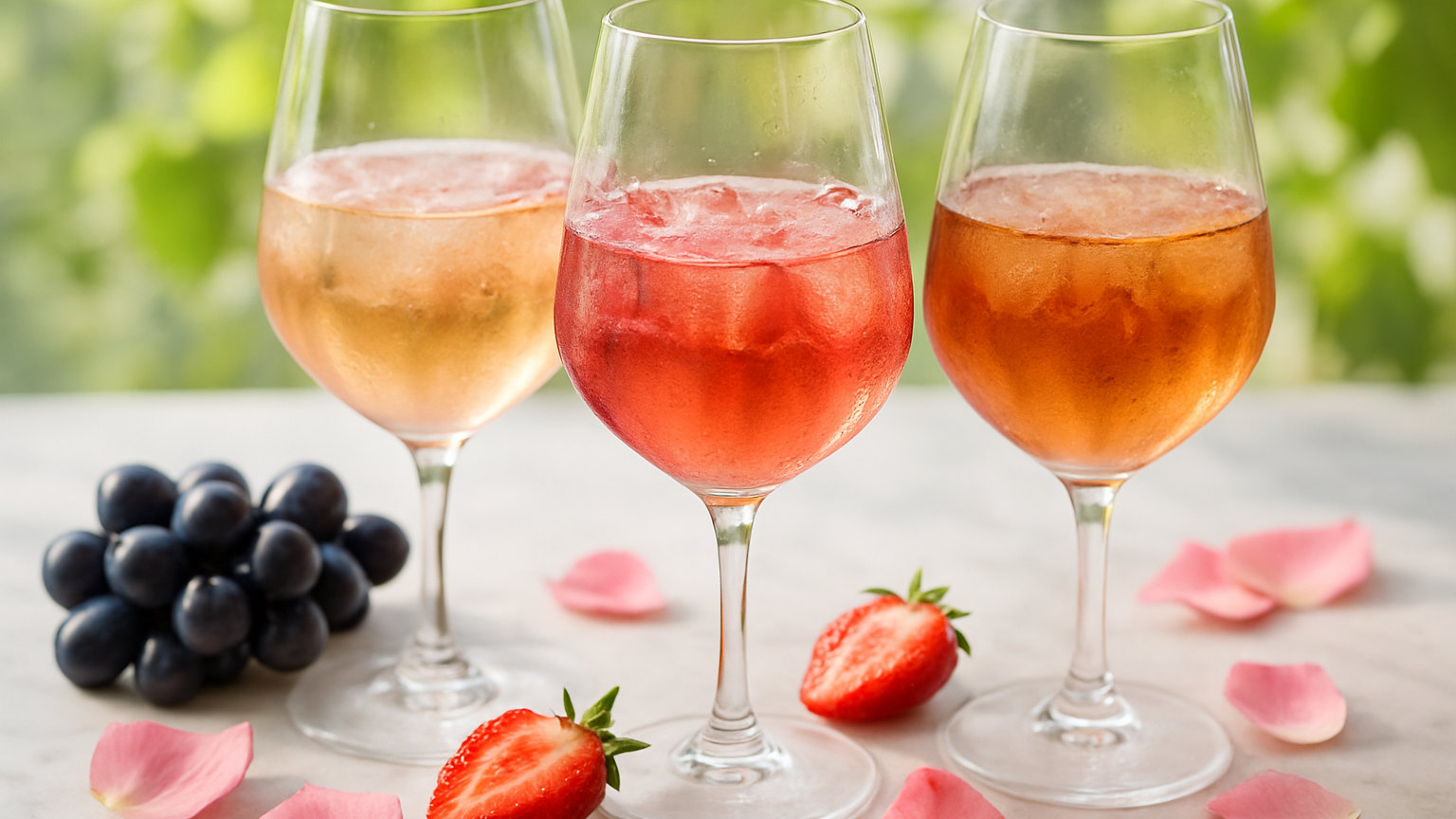
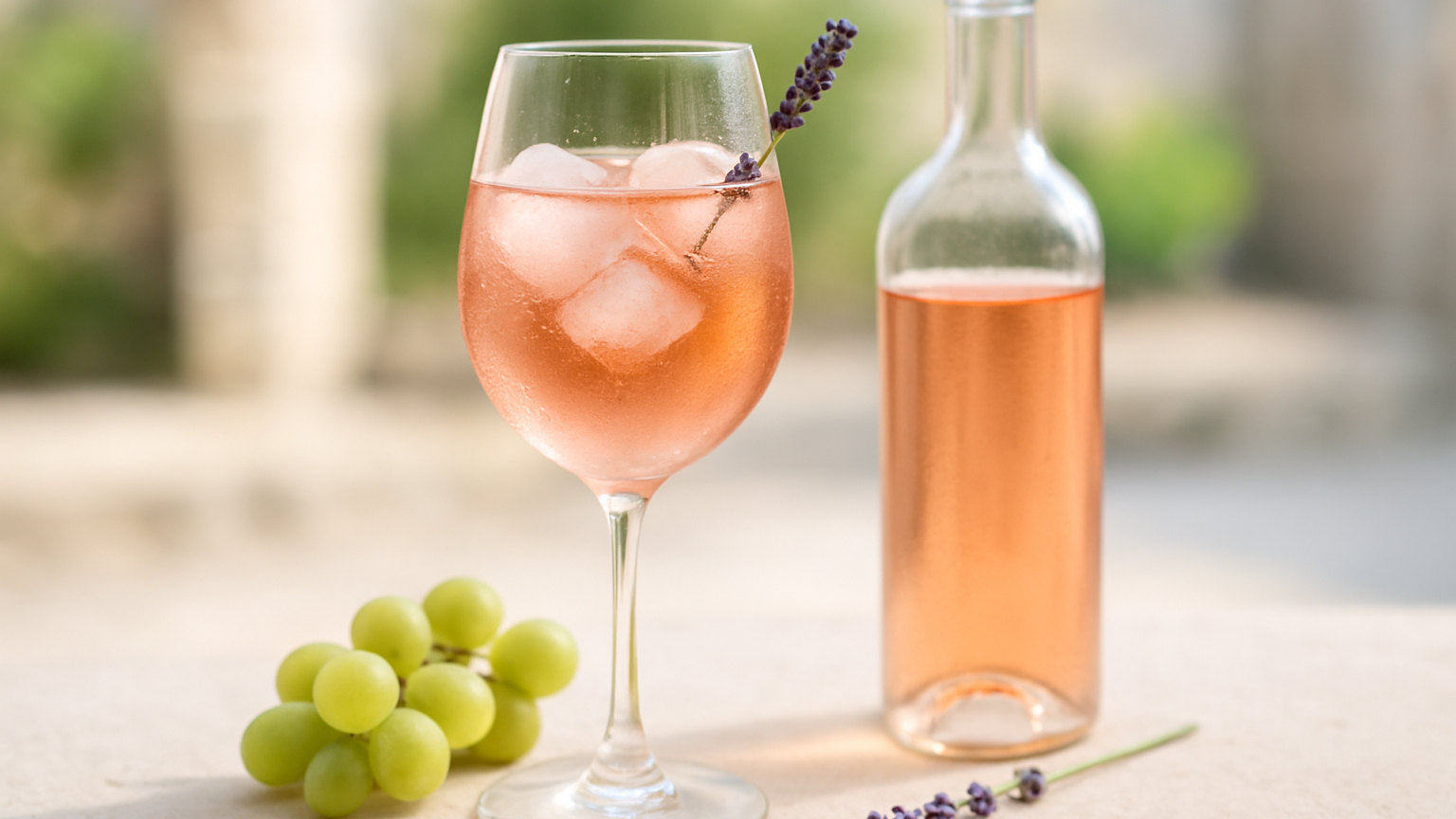
Almost any black grape can be made into rosé, but a handful do it consistently well. The qualities that matter are not the same ones that make a great red.
Cava is made by the same method as champagne and costs a fraction of the price. The explanation is land, labour and mechanisation rather than any shortcut in the winery.
Riesling suffers more than any other grape from a reputation problem, and the labelling has historically done nothing to help. There are three reliable ways to work out what is in the bottle.
Most food and wine advice is a list of pairings to memorise. Three underlying principles explain nearly all of them, and knowing the principles means you never need the list.
European and New World labels are built on opposite assumptions, which is why one tells you the grape and the other expects you to know it. Both contain more information than they appear to.
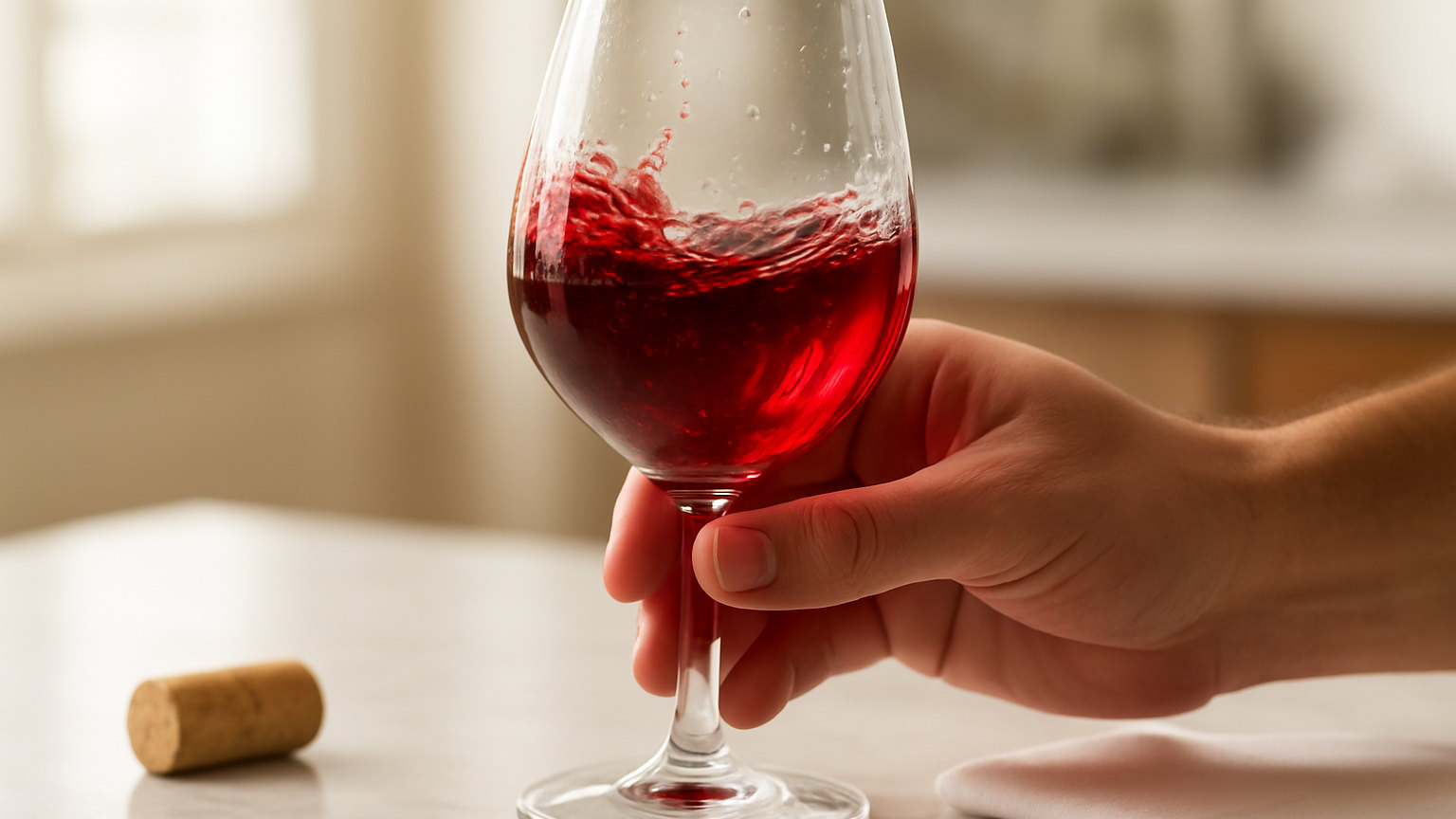
Swirling looks like an affectation and is doing something measurable. What it is not doing is revealing quality through the streaks that run down the glass afterwards.
Sherry is among the most complex and least expensive fine wine made, and it has an image problem in Britain that has almost nothing to do with what is in the bottle.
Provence turned rosé from a summer afterthought into a premium category, and the pale colour was central to the strategy. The wine behind the marketing is genuinely distinctive.