The moment when a waiter pours an inch of wine and stands waiting is one of the more quietly stressful parts of eating out. It is presented as a courtesy and experienced as a test, and a great many people nod and smile without knowing what they were supposed to be checking.
The purpose is narrow and specific: you are checking that the bottle is not faulty. You are not being asked whether you like it.
What you are actually checking for
Three faults account for nearly everything. Cork taint gives a musty wet-cardboard smell and mutes the fruit. Oxidation makes the wine taste flat and sherry-like, with a brownish tinge. Heat damage produces a cooked, stewed character, often with a cork pushed slightly proud.
Smell rather than taste is the efficient check. Bring the glass to your nose, take a couple of short sniffs, and if nothing seems musty, vinegary or stale, take a small sip to confirm and nod.
The whole thing should take five seconds. Extended deliberation is not required and does not impress anyone.
What you cannot send back
A wine you simply do not enjoy. If you ordered a Chablis and find it too austere, that is a preference rather than a fault, and the restaurant is under no obligation.
This is a good argument for using the sommelier rather than guessing. Describing what you like, naming a price range and asking for a suggestion is not an admission of ignorance; it is the entire function of the role, and good sommeliers enjoy it. Pointing at a price on the list is a perfectly acceptable way to indicate budget without saying a number aloud.
If a wine seems odd but you are not certain, saying so is reasonable. A decent establishment will taste it themselves and give you an honest answer, and many will replace a borderline bottle rather than argue.
The cork on the saucer
Presenting the cork is a survival from an era when bottles from famous estates were sometimes refilled, and the branding on the cork proved provenance. It has no diagnostic value today.
Smelling it tells you very little, since a cork can smell of cork without the wine being tainted. Glance at it if you like, check it is not visibly dried out or pushed, then leave it alone and smell the wine.
The rest of the ritual
The label is shown to you before opening so you can confirm it is the wine and vintage you ordered. Vintages change and lists go out of date, so this is worth a look, particularly if the year matters to the price.
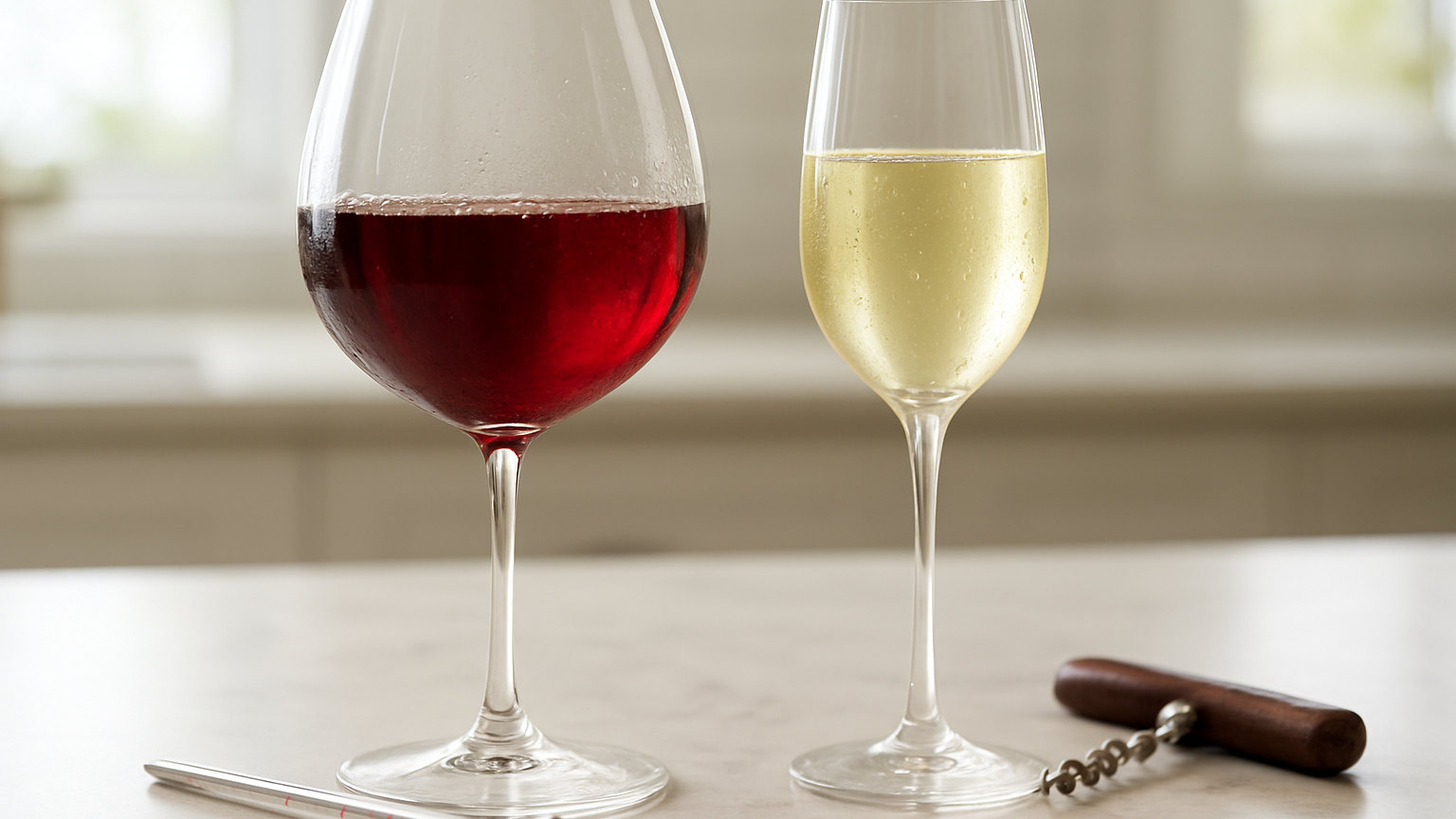
Temperature is worth raising if it is wrong, which it frequently is. Red served too warm can be improved by asking for an ice bucket for a few minutes, and white served far too cold will warm on the table. Neither request is unreasonable.
If a white is in an ice bucket and getting colder through the meal, asking for it to be left on the table is sensible rather than fussy.
Corkage and bringing your own
Many restaurants allow you to bring a bottle for a fee, and the practice is more common in Britain than it was. The etiquette is to ring ahead, to bring something not already on their list, and to offer the sommelier a taste if the bottle is interesting.
Restaurant wine markups are substantial, typically two to three times retail and sometimes more, which is where a good deal of a restaurant's margin comes from. That is worth knowing rather than resenting, and the practical response is to look at the middle of the list rather than the bottom, where the markup as a proportion is often highest.