Is Wine a Good Investment?
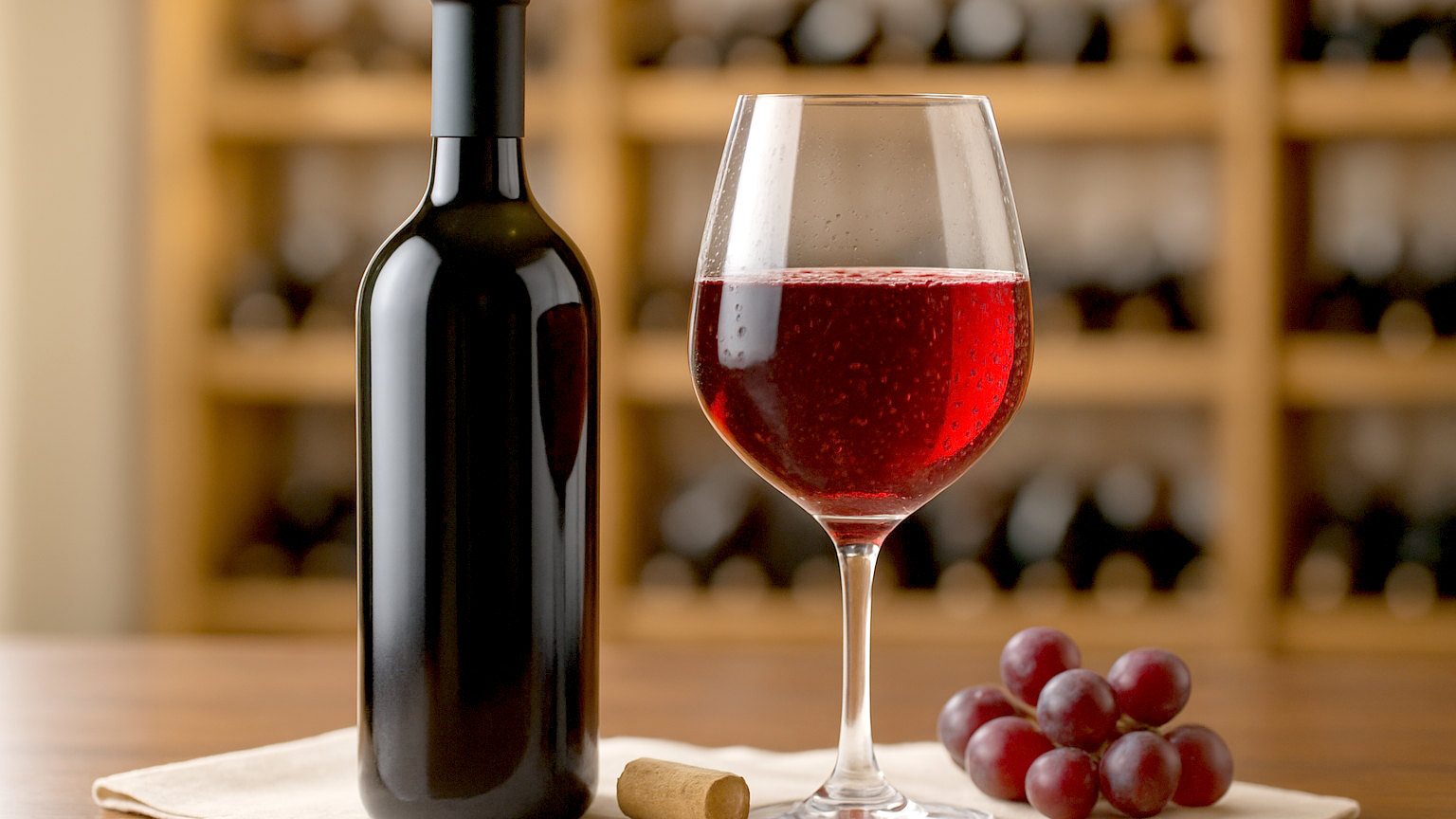
Fine wine has produced strong returns over some periods and poor ones over others, and the practical obstacles are larger than the headline figures suggest. This is not financial advice.
Wine has more vocabulary attached to it than any other drink, and most of it exists to make buying harder rather than easier. These guides cover what the grape actually does, what a region tells you, how to taste without performing, and how to spend twelve pounds well.
Fine wine has produced strong returns over some periods and poor ones over others, and the practical obstacles are larger than the headline figures suggest. This is not financial advice.
The wine accessory market runs from genuinely useful to outright nonsense, and the price tells you nothing about which is which. Three categories are worth owning and several are not.
Fortified wine is treated as something to drink before or after a meal, which wastes the most food-friendly category in the cellar. Sherry in particular handles food that defeats everything else.
Rosé is the wine most often served too cold, partly because it is associated with hot weather and partly because chilling hides a great deal. The better bottles suffer most.
The teaspoon in the neck does nothing, and has been tested. A proper stopper and a cold fridge will keep a bottle drinkable for several days, which is longer than most people assume.
Leaving a wine in contact with its spent yeast sounds like negligence and is one of the most useful techniques in white winemaking. It adds texture without adding oak.
Duty and tax take a fixed sum from every bottle, which means the money actually spent on wine rises far faster than the shelf price does. That arithmetic decides where value lives.
A cellar is a stock of wine held deliberately rather than a room with an arched ceiling. Starting one requires a plan for what it is for, which most people skip.
Pulling the cork and leaving the bottle standing achieves almost nothing, which is the part the phrase gets wrong. Air genuinely helps some wines, and it has to be delivered properly.
Fortified wine is routinely served in the wrong glass at the wrong temperature, and both errors flatten it. The corrections cost nothing and change the wine considerably.
Rosé champagne is the one wine in Europe where blending red into white is not only permitted but standard. It is also the style where the premium over the standard bottling is hardest to justify.
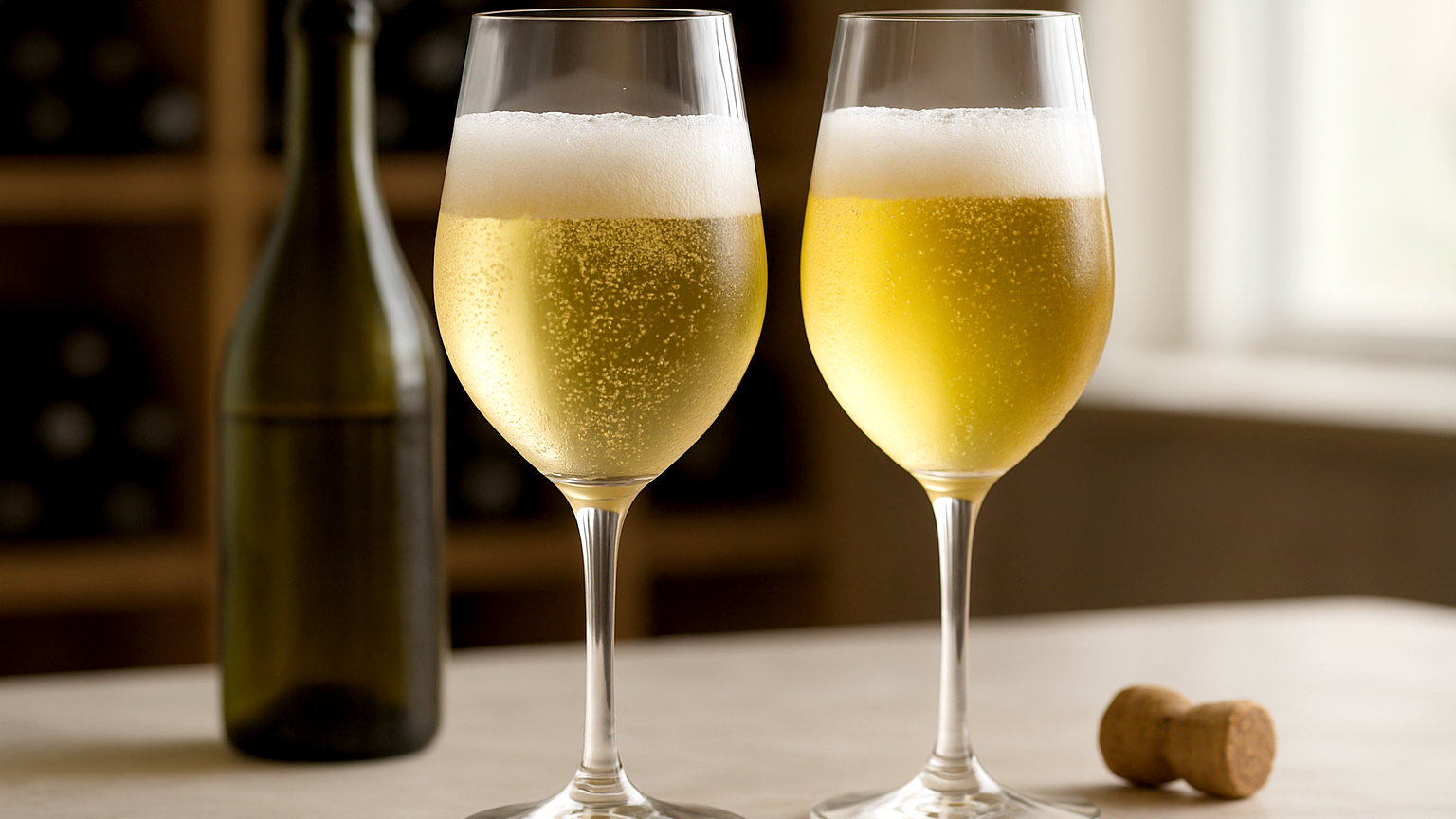
Most sparkling wine is released ready to drink and gets no better in a cupboard. A minority improves for decades, and knowing which is which saves both money and disappointment.