Aperitivo means three things at once: a drink taken before a meal, a type of bottle made for that purpose, and the Italian early evening ritual of a drink with something to eat. All three are worth understanding because they explain why these drinks are built the way they are.
What is the drink meant to do?
Stimulate the appetite rather than satisfy it. That leads to a consistent set of design choices: relatively low alcohol, pronounced bitterness, noticeable acidity and modest sweetness.
Bitterness is the key element. It is the quality most associated with appetite stimulation, and it is why the category is dominated by bitter liqueurs rather than by anything sweet or creamy.
Which bottles belong to the category?
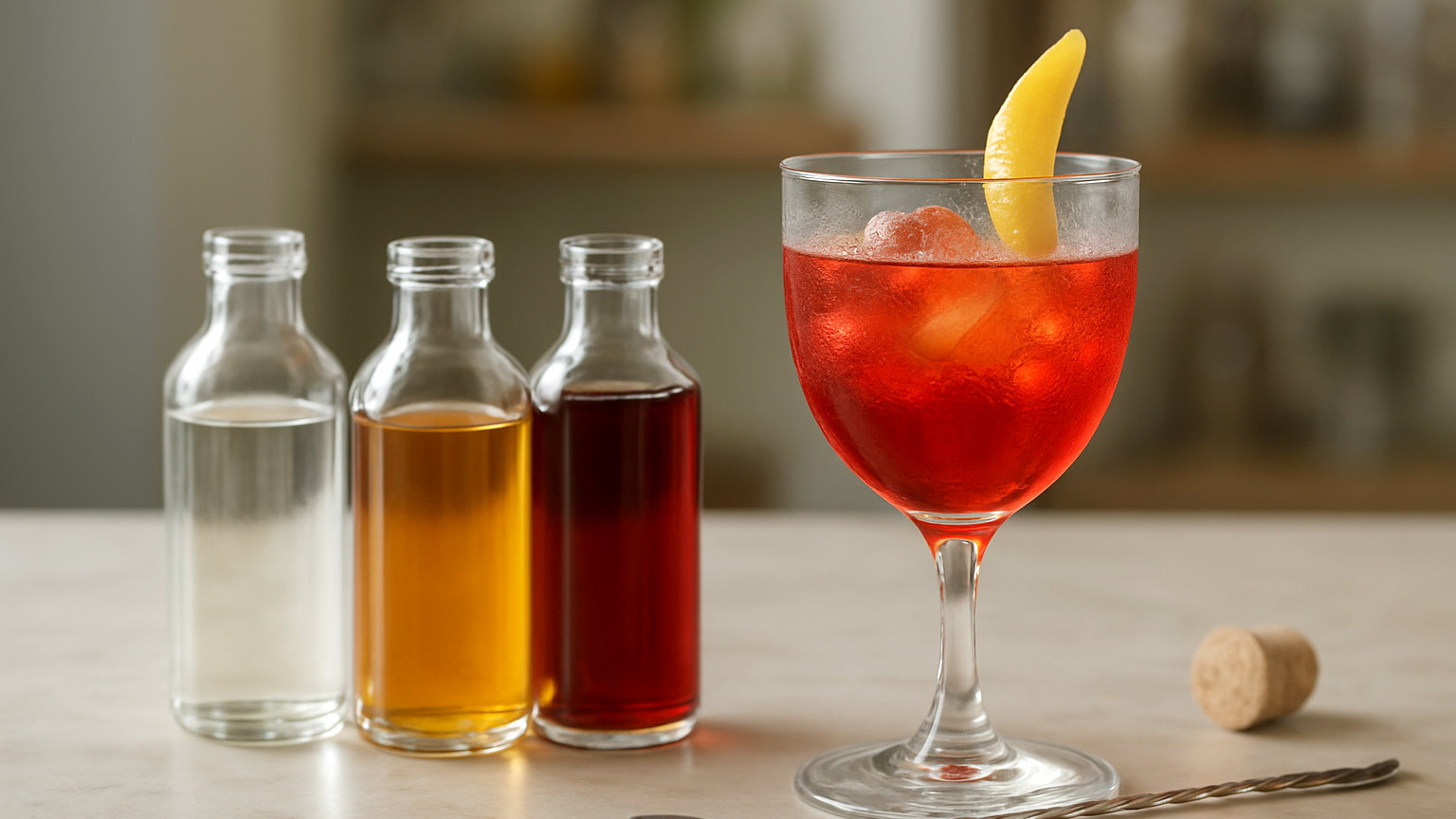
- Bitter aperitivo liqueurs. Bright red or orange, citrus and gentian led, usually 11 to 25 per cent. The backbone of the category.
- Vermouth, particularly bianco and rosso, drunk over ice with a citrus twist.
- Quinquina and americano style aperitif wines, flavoured with cinchona bark.
- Dry sherry, especially fino and manzanilla, which serve the same purpose in Spain.
- Light amari, at the gentler end of the bitter spectrum.
Most of these sit well below spirit strength, which is the point. An aperitivo is meant to precede a meal rather than replace the evening.
How do you make a spritz?
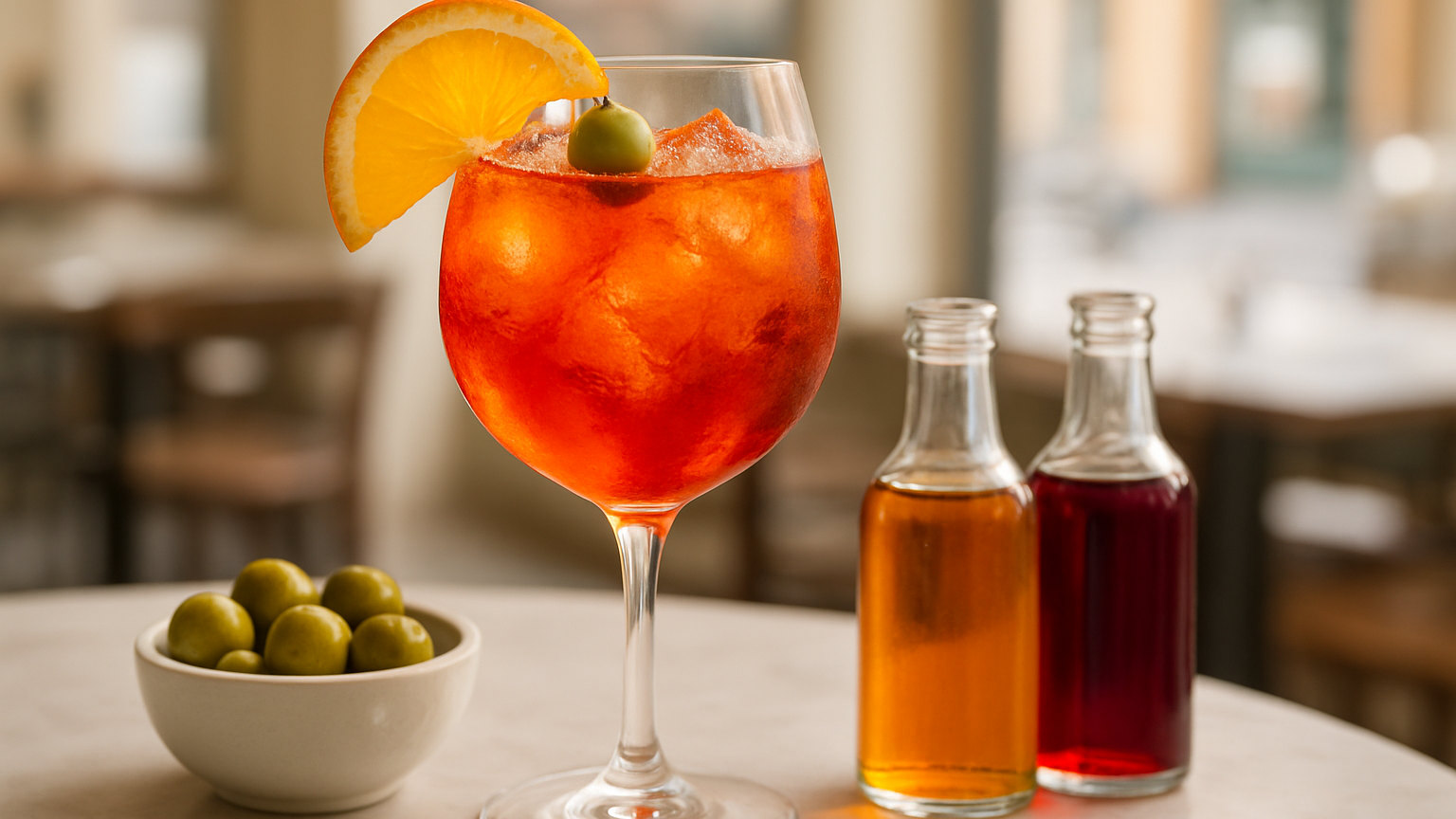
The standard template is three parts sparkling wine, two parts bitter aperitivo liqueur and one part soda water, built over plenty of ice in a large wine glass with a slice of orange.
- Fill the glass with ice, properly full rather than three cubes.
- Add the sparkling wine first, which reduces foaming.
- Add the aperitivo liqueur.
- Top with a splash of soda and add the orange slice.
A dry prosecco is traditional. Something too sweet will tip the drink over, since the liqueur already brings sugar.
What are the other classic aperitivo drinks?
The americano is bitter liqueur, sweet vermouth and soda over ice, at around 10 per cent in the glass and one of the best low strength cocktails there is. Adding gin instead of soda turns it into a negroni, which is considerably stronger and belongs more to the evening than to the hour before dinner.
Vermouth on the rocks with a twist, or a glass of chilled fino sherry with olives, achieve the same thing with even less effort.
How does it differ from a digestivo?
Timing and weight. An aperitivo comes before the meal, is lighter and lower in alcohol, and is usually served long and cold. A digestivo comes after, is stronger and more concentrated, and is served neat in a small glass.
Amaro straddles both, with the lighter styles working before a meal and the heavier ones after.
What is served alongside?
In Italy, food, and it is not optional. Bars provide olives, crisps, nuts, small sandwiches or more elaborate spreads depending on the city. The point is that the drink and the snack belong together.
Salt and fat are the natural partners for bitterness, which is why the standard offering rarely varies far from those.
Why has it become so popular?
Because it fits how a lot of people want to drink now. The drinks are long, refreshing, comparatively low in alcohol and sociable, and the bitter profile is more interesting than a sweet cocktail without being demanding.
If you want to explore the category, one bitter aperitivo liqueur, one bottle of vermouth and a bottle of dry prosecco will make a spritz, an americano and a vermouth on the rocks between them, which is a complete aperitivo hour for very little outlay.
Does the ice matter?
More than in most drinks, because these are long and served over a lot of it. Fill the glass properly rather than using three cubes: a full glass melts more slowly and dilutes the drink less, not more.
Cold ingredients help too. Chilling the sparkling wine and the liqueur beforehand means the ice has less work to do, and the drink stays sharp for longer.