Amaro means bitter in Italian, and the category covers a wide family of herbal liqueurs made by macerating roots, bark, herbs and citrus peel in spirit, then sweetening the result. Most began as medicinal preparations, which explains both the bitterness and the traditional role as a digestif.
Where does the bitterness come from?
From specific plants with genuinely bitter compounds, not from anything added artificially.
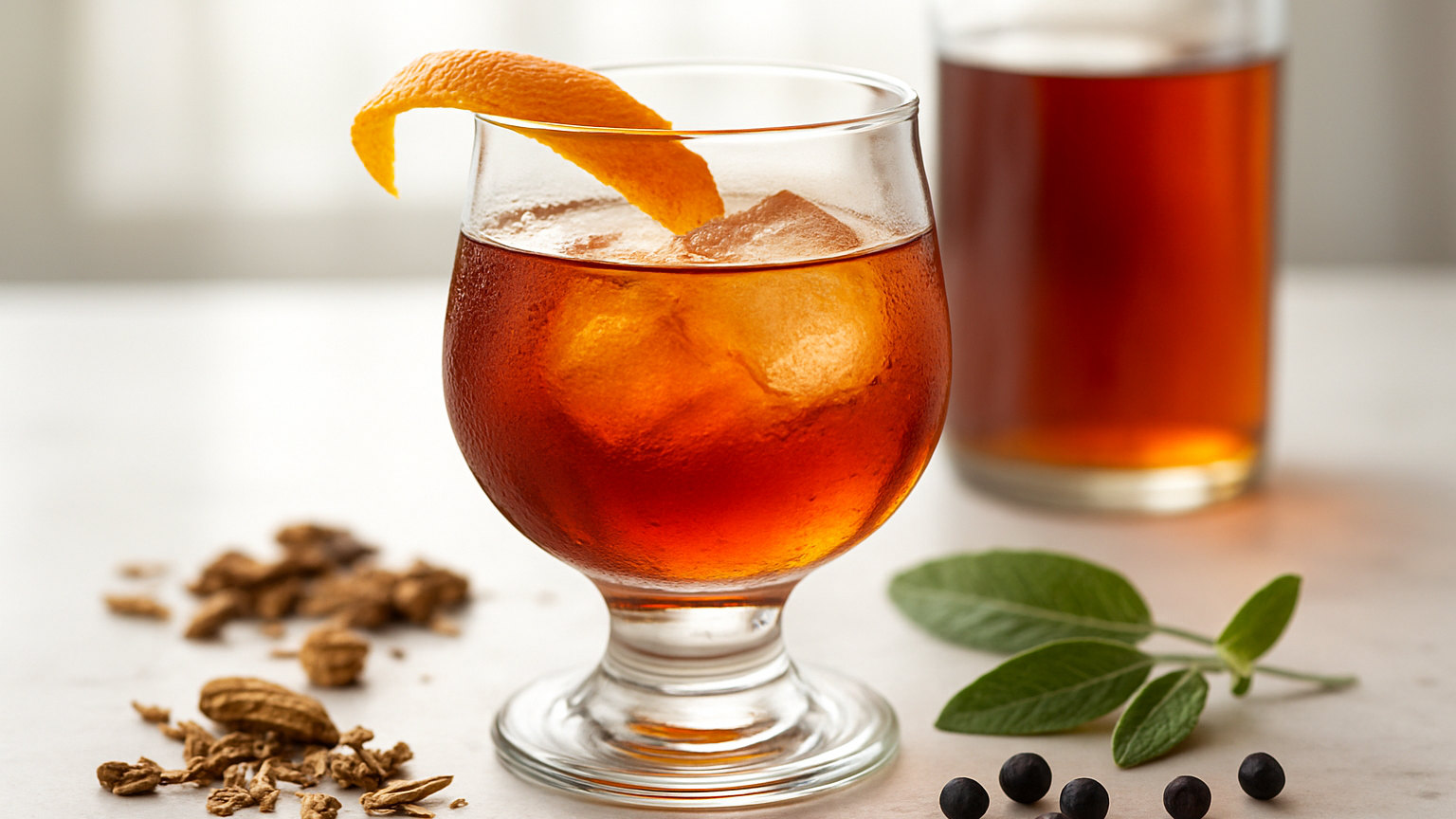
- Gentian root, the most important bittering agent in the category, giving a deep earthy bitterness.
- Cinchona bark, the source of quinine, also used in tonic water.
- Wormwood, shared with vermouth and absinthe.
- Rhubarb root, giving a drier, more astringent bitterness.
- Bitter orange peel, which provides citrus alongside the bitterness.
Sugar is then added to balance, which is why amaro is both bitter and sweet at once. That tension is the whole appeal, and a well made amaro should not read as simply one or the other.
What are the main styles?
There is no formal classification, but the category divides usefully by weight and intensity.
- Aperitivo bitters. Light, low in alcohol, bright red or orange, citrus led. Made for drinking before a meal with soda or sparkling wine.
- Medium amari. The broad middle of the category, around 25 to 35 per cent, balancing herbs, citrus and caramel sweetness.
- Fernet. A distinct style, very bitter, mentholated, often with saffron and myrrh, typically around 39 to 45 per cent. Divisive and much loved by bartenders.
- Alpine amari. From the mountain regions, lighter and more floral, with pine, gentian and mountain herbs.
- Carciofo and rabarbaro styles, built respectively on artichoke and rhubarb, both distinctly savoury.
How should you drink it?
Neat at room temperature after a meal is the traditional Italian serve, in a small glass and modest measure. Some styles suit being chilled, and fernet is often served very cold.
Over ice with a slice of orange works well for medium styles. With soda water it becomes a long, low strength drink for a warm afternoon.
The aperitivo styles are made for the spritz format: bitter liqueur, sparkling wine and soda over plenty of ice, which is one of the best hot weather drinks there is.
What role does it play in cocktails?
A substantial one, because bitterness is the hardest quality to add to a drink. Amaro provides it along with sweetness and body in a single ingredient.
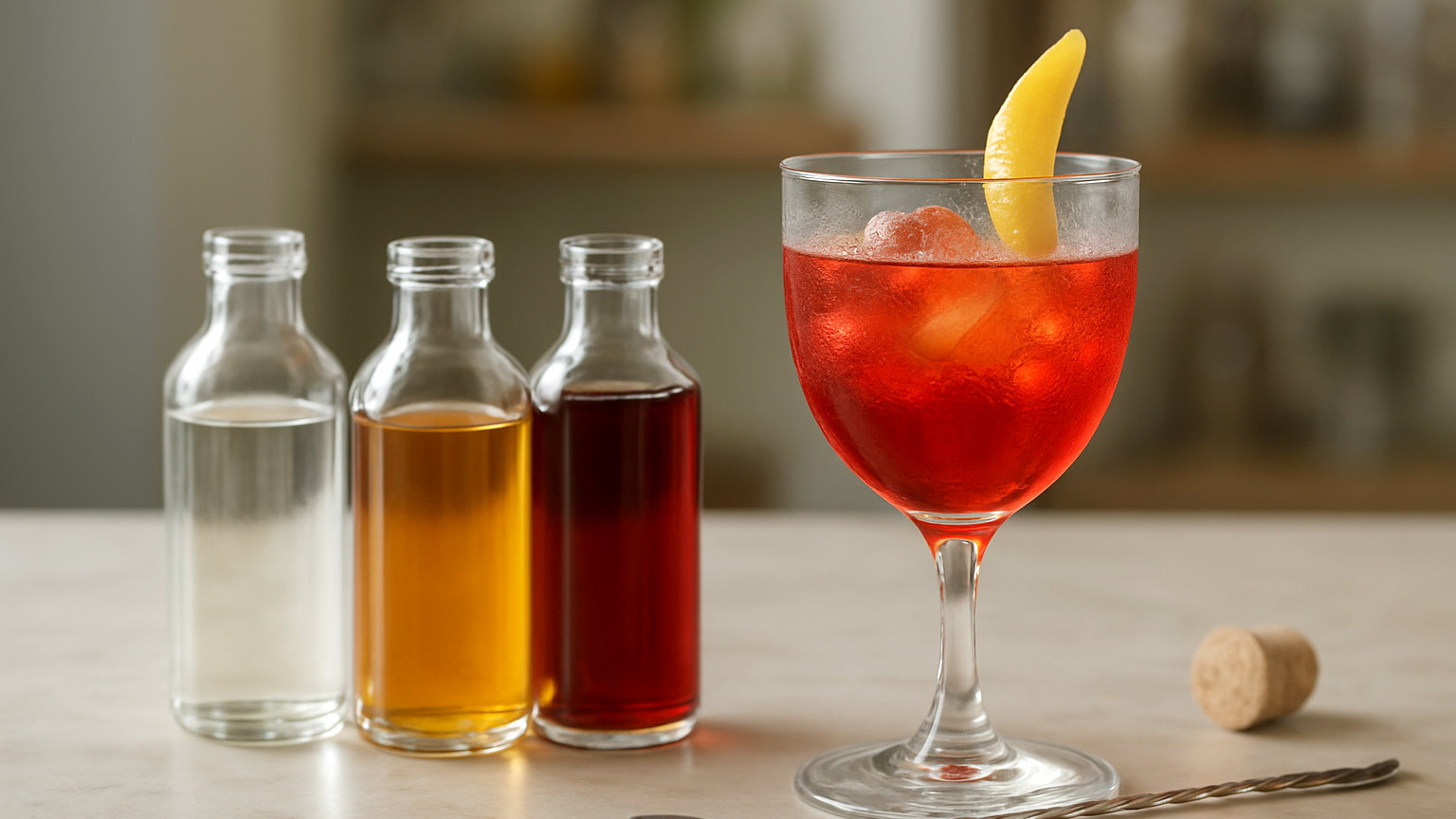
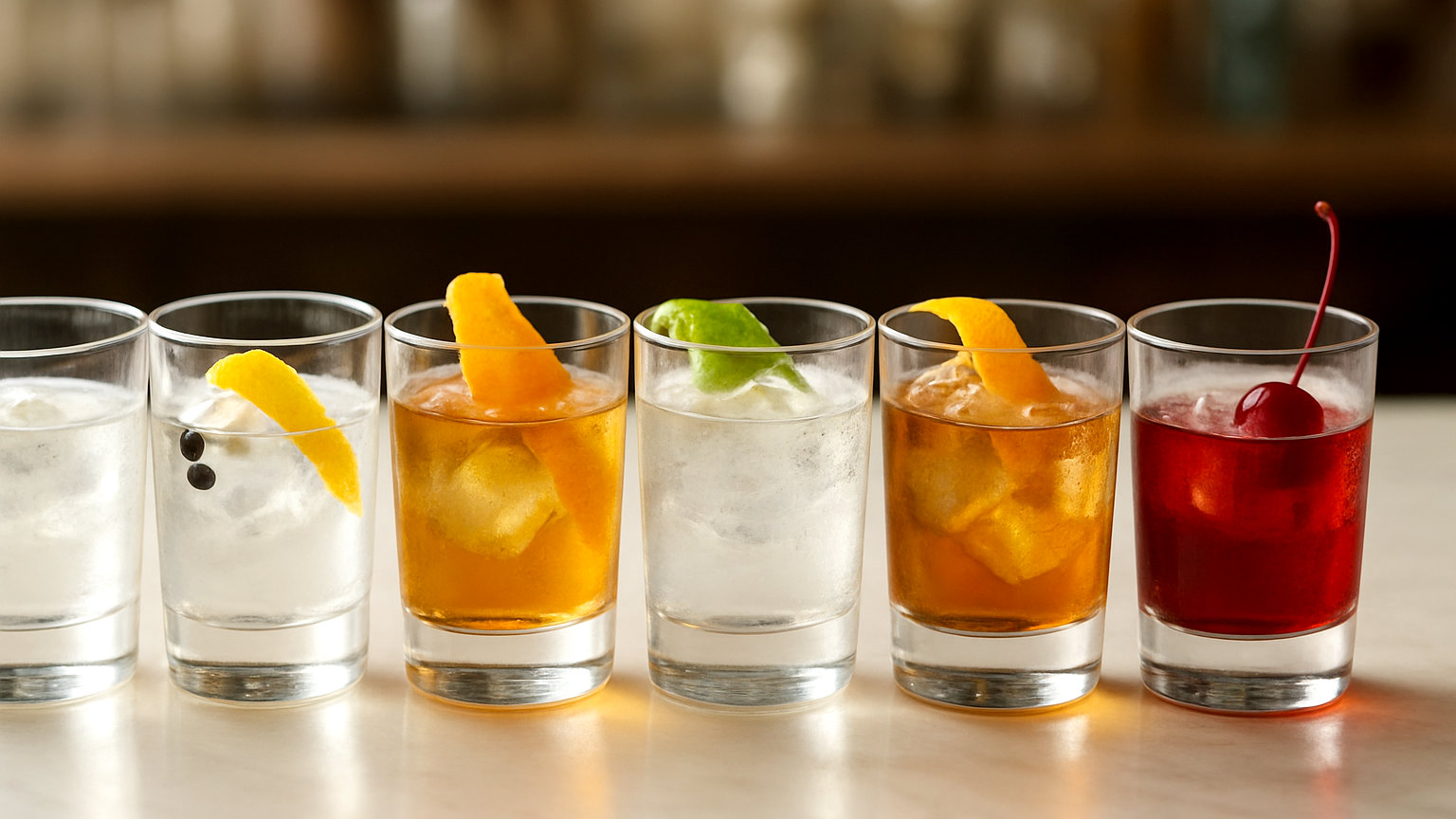
A negroni is built on a bitter aperitivo liqueur. Substituting a different amaro produces an entirely different drink from the same template, and working through variations is one of the most instructive exercises available to a home bartender.
Amaro also works as a small modifier, where a teaspoon in a whisky or rum drink adds depth without dominating.
Is it good for digestion?
Bitter compounds have a long traditional association with digestion, and the category grew out of monastic and pharmacy preparations sold on that basis. Whether a measure after dinner has any meaningful physiological effect is not settled, and the claim should be treated as tradition rather than medicine.
What is fair to say is that the bitterness is refreshing after a rich meal, which is probably enough to explain the habit.
Where should you start?
With a medium amaro rather than a fernet. The middle of the category is approachable, works neat and in cocktails, and gives you a reference point.
Once that is familiar, try a fernet and an alpine style side by side to see how wide the category is. Recipes are secret and vary enormously, so tasting is the only way to map it.
How long does a bottle last?
Years. Most amari are bottled between 16 and 40 per cent with substantial sugar, and both preserve well. The lighter, lower strength aperitivo styles fade faster than the robust ones but still last a year or more.
Keep them upright in a cupboard away from light. Only the wine based aperitifs in this family need refrigerating.