Making a liqueur at home requires no still, no licence and no equipment beyond a jar and a sieve. The process is infusion followed by sweetening, and the results frequently beat inexpensive commercial equivalents because you control both the ingredients and the sugar.
What is the basic method?
- Choose a clean neutral spirit, usually vodka, or a spirit that complements the flavour, such as rum for spices or brandy for stone fruit.
- Add the flavouring ingredient to a sealed jar and cover with spirit.
- Steep away from light, tasting regularly.
- Strain thoroughly through a fine sieve and then through a coffee filter or muslin.
- Add sugar syrup gradually, tasting as you go, until the balance is right.
- Rest for a week or two before drinking, since infusions integrate with time.
How long should each ingredient steep?
This is where most attempts go wrong. Steeping times vary enormously, and over-infusion is far more common than under-infusion.
- Chilli: hours rather than days.
- Fresh herbs such as mint or basil: one to two days before they turn vegetal.
- Citrus peel: three days to two weeks, with no white pith included.
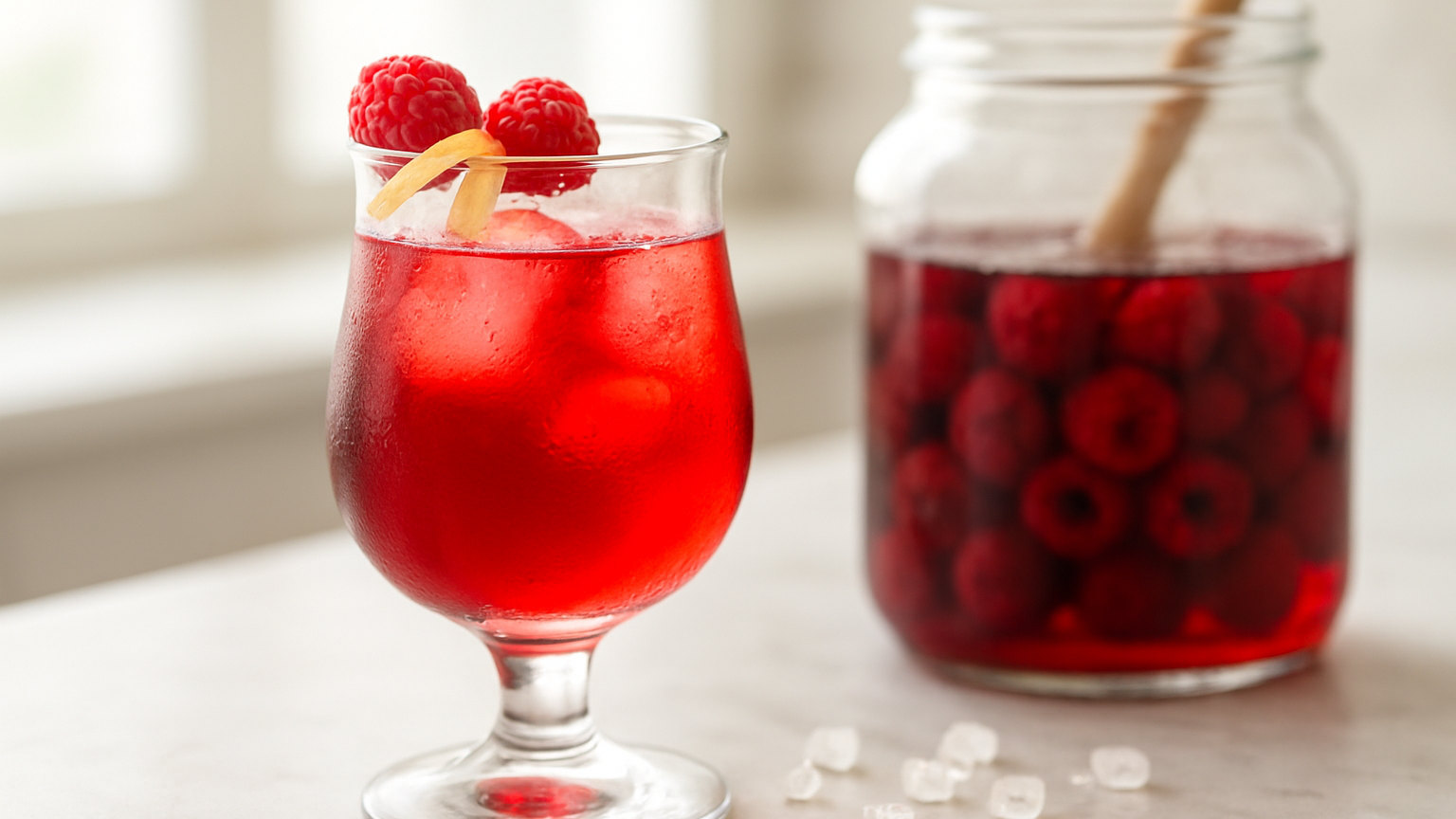
- Soft fruit and berries: one to two weeks.
- Coffee beans: three to seven days.
- Vanilla, spices and hard roots: two weeks to a month.
Taste daily rather than following a recipe blindly, since the strength of ingredients varies.
How much sugar should you add?
Enough to balance rather than to match a commercial product. A useful approach is to make a one to one sugar syrup by volume and add it in small increments, tasting after each.
Commercial liqueurs contain at least 100 grams of sugar per litre and often far more. Most homemade versions taste better with less, because there is no need to mask a cheap base or preserve the product for two years on a shelf.
Add the syrup after straining, never before, so you can judge the flavour without sweetness confusing the picture.
What should you avoid?
Citrus pith, which turns bitter within days. Fresh dairy, which will spoil. Anything raw and low in acid such as garlic or fresh vegetables, which carries a genuine safety risk in a low alcohol mixture.
Also avoid leaving fruit in the finished liqueur indefinitely. Strain it out, since prolonged contact muddies the flavour and the fruit eventually breaks down.
What is worth making?
Limoncello is the obvious starting project, needing only lemon peel, spirit and syrup. Coffee liqueur is straightforward and considerably better than cheap commercial versions. Spiced rum, fruit liqueurs from seasonal gluts, and nut liqueurs all work well.
Sloe gin and other hedgerow fruit liqueurs are the traditional British version of the same process and reward the small effort involved.
How long will it keep?
A homemade liqueur at 20 per cent or above with a reasonable sugar content will keep for a year or more, stored in a sealed bottle away from light.
Lower strength and lower sugar versions are less stable and should be refrigerated and used within a few months. Anything containing dairy or fresh juice must be refrigerated and treated as a fresh product with a life of days.
Does the base spirit matter?
Yes, though not as much as people fear. A mid priced clean vodka is ideal for most infusions. The very cheapest spirits carry a harshness that sugar will not hide, and an expensive one is wasted since its character will be buried.
Where the base is meant to show, such as spiced rum or a whiskey based liqueur, spend a little more, because there the spirit is part of the flavour rather than merely a solvent.
How should you bottle and label it?
In clean glass bottles with a good seal, kept away from light. Sterilising the bottles with boiling water and letting them dry fully is worth the few minutes it takes.
Write the contents and the date made on the label, since a row of unmarked amber bottles becomes a guessing game within months. If you are giving any away, note the approximate strength too, because a homemade liqueur can be considerably stronger than it tastes.