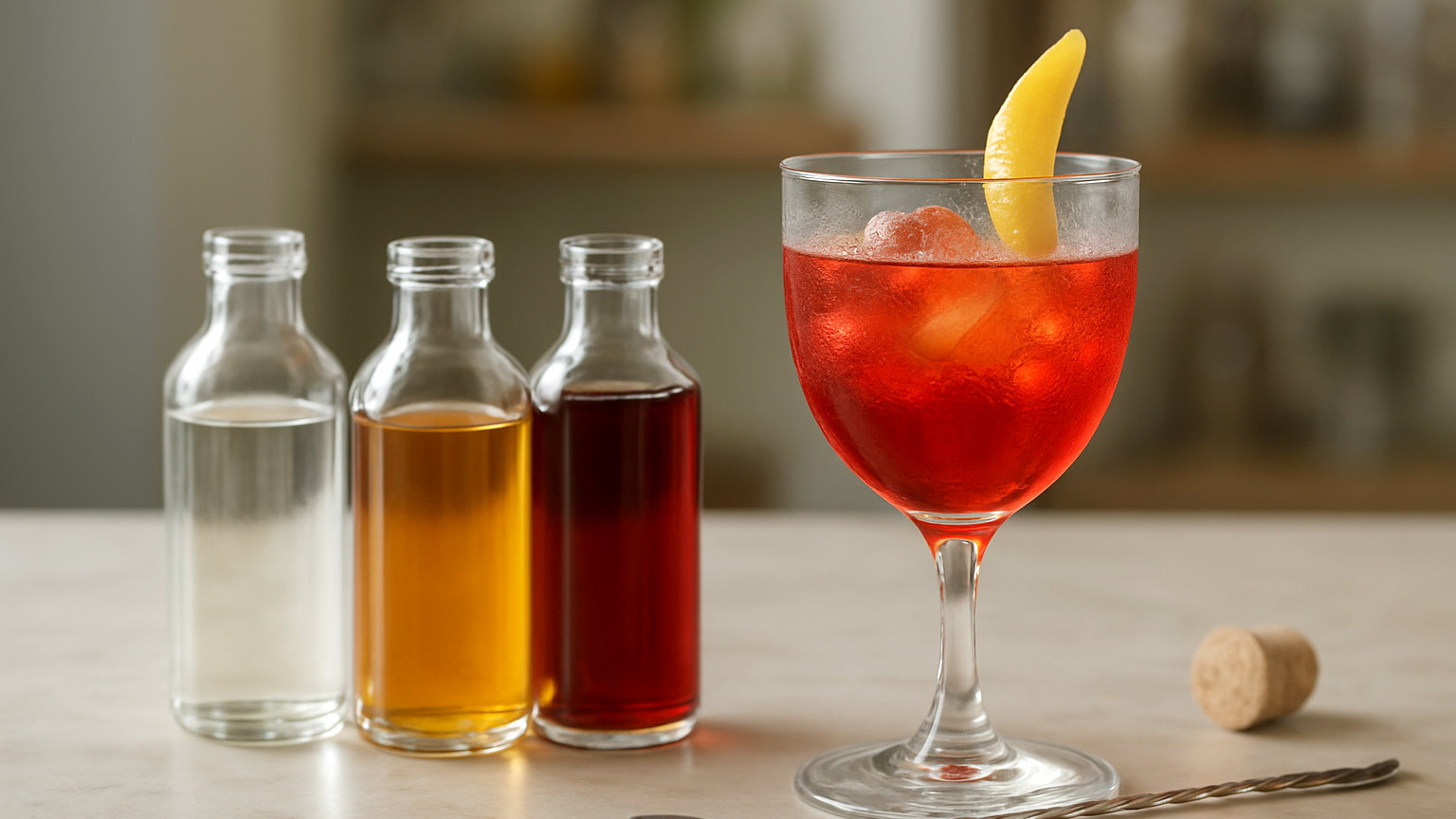
Cocktail bitters are concentrated infusions of bitter and aromatic botanicals in high strength alcohol, used a few drops at a time. They are not drinks, and they are not the same thing as bitter liqueurs such as amaro, which are sweetened and drunk by the measure.
What do they actually do?
The same job salt does in cooking. Bitters add aromatic complexity, tie disparate ingredients together and give a drink definition it would otherwise lack.
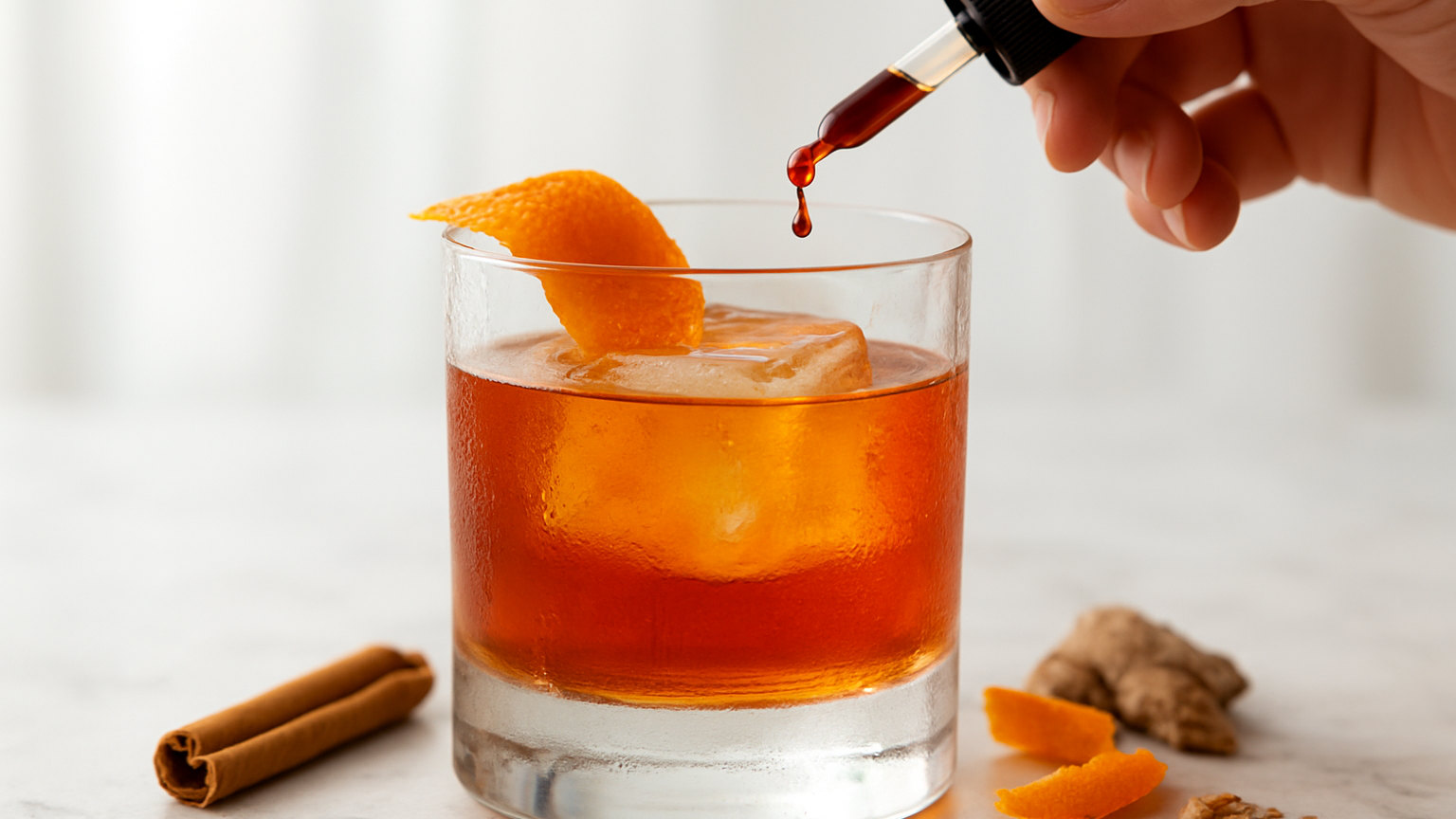
The effect is easy to test. Make two old fashioneds, one with bitters and one without, and the difference is not subtle. The version without tastes flat and one dimensional even though every other ingredient is identical.
What are the main types?
- Aromatic bitters. The default, built on gentian with baking spice, clove and cinnamon notes. Used in the old fashioned, the manhattan, the champagne cocktail and countless others.
- Orange bitters. Bitter orange peel led, with cardamom and coriander. Essential in a martini for many bartenders and excellent in gin and whisky drinks.
- Creole style bitters. Lighter, with anise and cherry notes, and the defining ingredient of a sazerac.
- Modern flavoured bitters. Chocolate, celery, grapefruit, cardamom, lavender and dozens more, produced by a large number of small makers.
Two bottles, aromatic and orange, cover the great majority of classic recipes.
How are they made?
By macerating bittering agents such as gentian, cinchona or quassia together with aromatic spices, peels and herbs in high proof spirit, then diluting and sometimes sweetening very slightly.
Bottling strength is often 35 to 45 per cent, and some are considerably higher. Because they are used in dashes, the alcohol contribution to a drink is negligible.
How many dashes should you use?
Two to three for a standard spirit forward drink such as an old fashioned or manhattan. One for something delicate. Four or more for a sazerac or a drink specifically built around them.
A dash from a standard dasher bottle is roughly a millilitre, though it varies with how hard you shake. Consistency matters more than precision, so use the same motion each time and adjust from there.
Bitters are potent and there is a point of no return. Add fewer than you think, taste, and add more if needed.
Where else can you use them?
A dash in a glass of soda water with ice and a lemon twist makes a decent non alcoholic drink. A few drops improve a gin and tonic considerably. They work in a highball, in a spritz, and even in cooking, particularly with fruit and in desserts.
The classic use outside cocktails is a splash in lemonade or ginger ale, which is where a good deal of aromatic bitters was historically consumed, and it remains one of the better long drinks you can make without any spirit at all.
How long does a bottle last?
Effectively indefinitely. High alcohol, concentrated botanicals and small doses mean a bottle will outlast almost anything else on the shelf, and there is no need to refrigerate.
Since a typical bottle contains hundreds of dashes, one purchase covers years of home use, which makes bitters the best value ingredient in any drinks cupboard.
Can you make your own?
Yes, though it takes patience. The method is to infuse a bittering root and a set of aromatics separately in high strength spirit for one to three weeks, then blend the individual tinctures to taste.
Making them separately rather than together is the key, since each botanical extracts at a different rate. Blending at the end gives control that a single combined infusion does not.
Are they classed as alcohol?
In several jurisdictions aromatic bitters occupy an unusual position, sold as a food flavouring rather than a beverage alcohol despite their high strength, on the basis that nobody drinks them by the glass.
That is why they often appear on supermarket shelves outside the spirits aisle and why the bottles are small. It is a regulatory quirk rather than a statement about what is inside.