Cream liqueurs present a genuine technical problem. Alcohol causes dairy proteins to denature and clump, and acid does the same, so a stable mixture of cream and spirit is not a straightforward thing to produce.
How is it done?
By homogenisation and emulsification. Fresh dairy cream is combined with spirit, sugar and flavourings, then forced through a homogeniser at high pressure, which breaks the fat globules into particles small enough to remain suspended.
An emulsifier, commonly sodium caseinate derived from milk protein, stabilises the mixture and prevents the fat separating out. Without it the product would split within days.
The result is shelf stable at room temperature until opened, which is a considerable achievement given the ingredients.
What is the base spirit?
Usually a neutral spirit or a light whiskey, depending on the style. Irish cream liqueur traditionally uses Irish whiskey, and other versions use rum, brandy or neutral alcohol.
Strength is typically 15 to 20 per cent, which is low compared with other liqueurs and is one reason the shelf life is shorter.
How long does it keep?
Unopened, most producers give around two years from bottling, and there is usually a best before date on the bottle, which is unusual for an alcoholic drink.
Once opened, around six months refrigerated. Unlike most liqueurs, this is a genuine limit rather than a matter of flavour fading, because the dairy content will eventually spoil.
Does it need refrigerating?
After opening, yes. Some producers state that refrigeration is not strictly required, but it substantially extends the life of the bottle and there is no reason not to.
Avoid temperature extremes in either direction. Freezing can break the emulsion, and heat accelerates spoilage.
How do you tell if it has gone?
- Smell it. Sour or cheesy indicates spoilage.
- Look for lumps or a thick skin, which means the emulsion has failed.
- Check for separation that does not resolve with gentle shaking.
- Note the colour. Significant darkening or a grey cast is a bad sign.
Unlike most drinks in a cupboard, a spoiled cream liqueur should be thrown away rather than tolerated. Dairy is dairy.
Why does it curdle in some cocktails?
Acid. Citrus juice, and to a lesser extent some wines and sparkling drinks, will cause the proteins to coagulate on contact.
This is why cream liqueur drinks are built on coffee, chocolate, other cream liqueurs and spirits rather than on lemon or lime. Any recipe combining cream liqueur with citrus is either a novelty relying on the curdling effect or a mistake.
Temperature also matters. Adding cold cream liqueur to hot coffee too quickly can cause it to split, so pour slowly and stir.
What should you make with it?
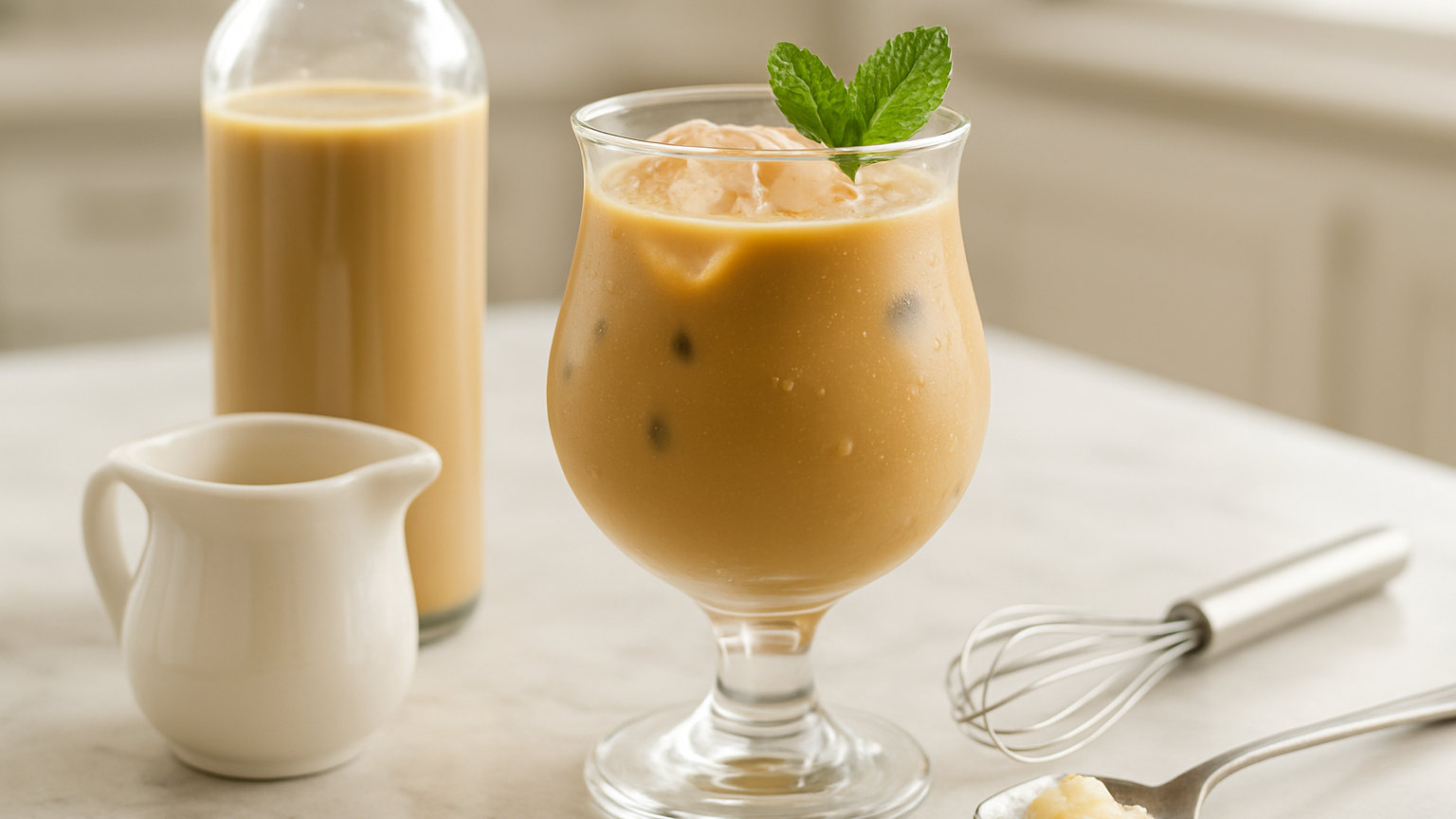
Over ice on its own is the standard serve and a perfectly good one. In coffee it works well, and it is the basis of several straightforward dessert style drinks.
An espresso martini variation using cream liqueur alongside coffee liqueur gives a softer, rounder drink than the standard version. It also performs well in cooking, particularly in desserts and sauces, where the alcohol content is not the point and the dairy does useful work.
Can you make it at home?
Yes, and simple recipes combining whiskey, condensed milk, cream and flavourings are widely used. The results taste good and are worth making.
The important difference is that a homemade version has no commercial homogenisation or stabiliser, so it must be refrigerated from the start and used within about a week. Treat it as a fresh dairy product, because that is what it is.
Shake it before each pour, since a homemade mixture will separate. Do not attempt to keep it for months on the assumption that the alcohol will preserve it, because at 15 to 20 per cent there is not enough alcohol present to make dairy shelf stable without the industrial processing that commercial products rely on.