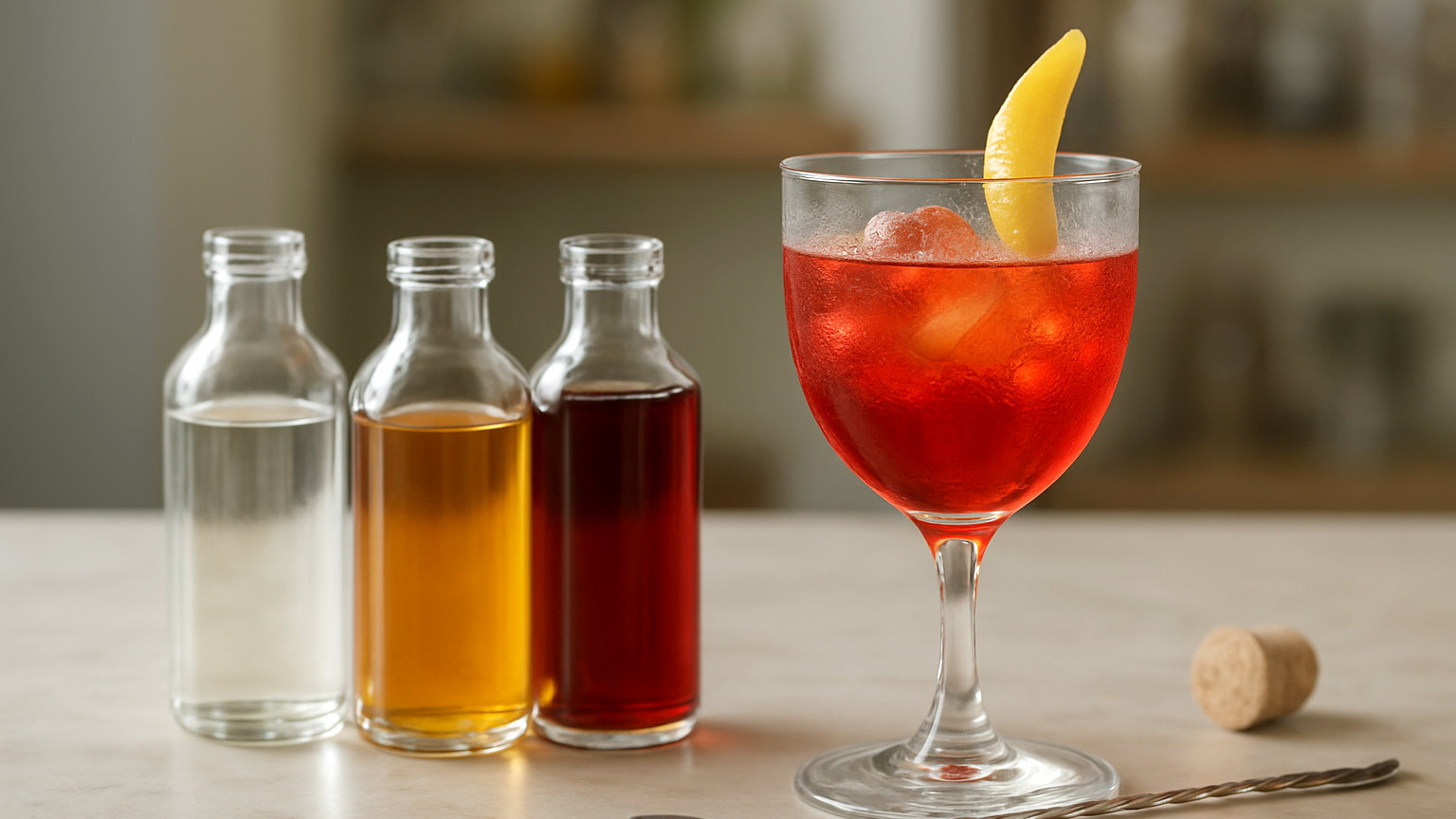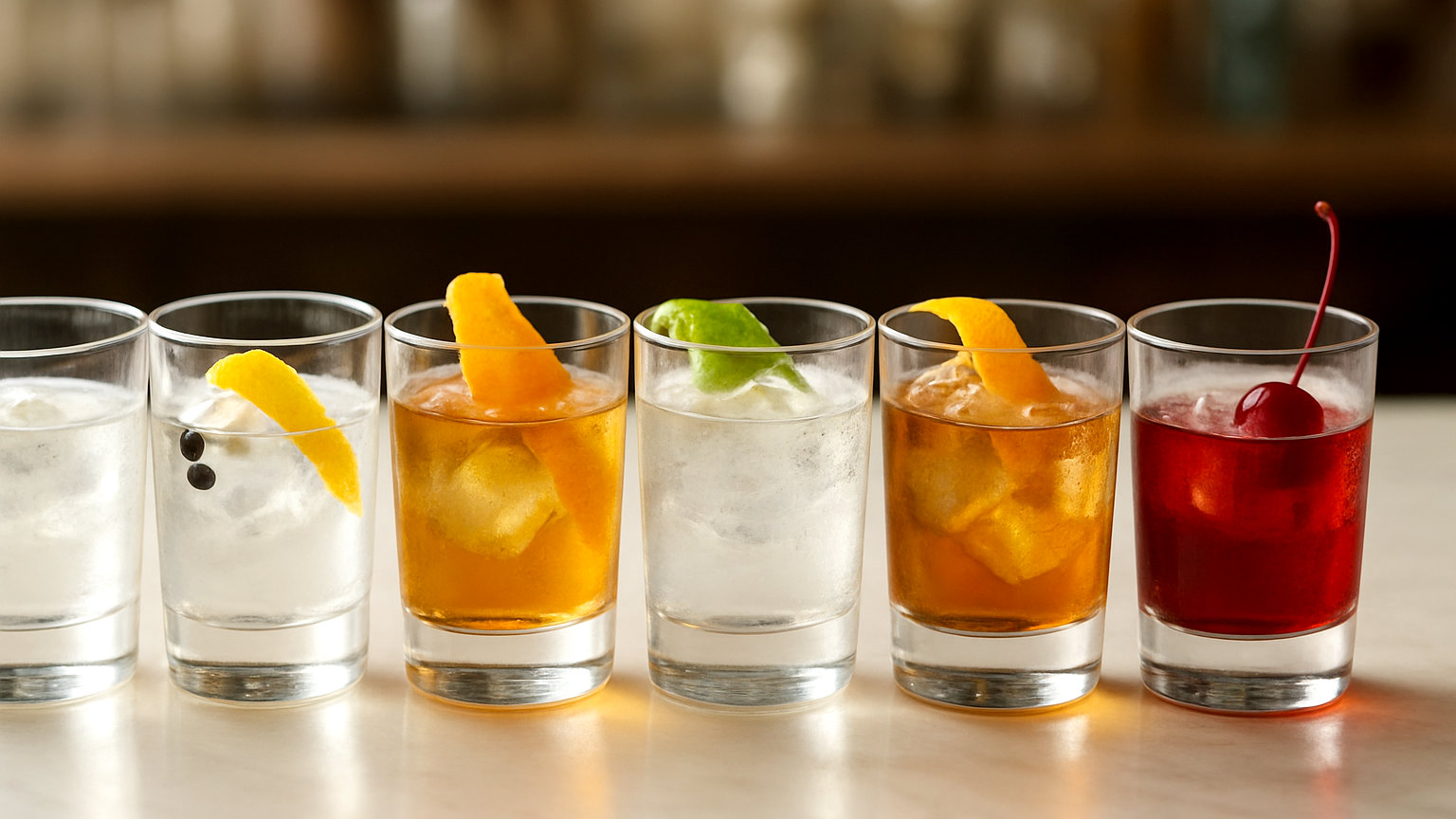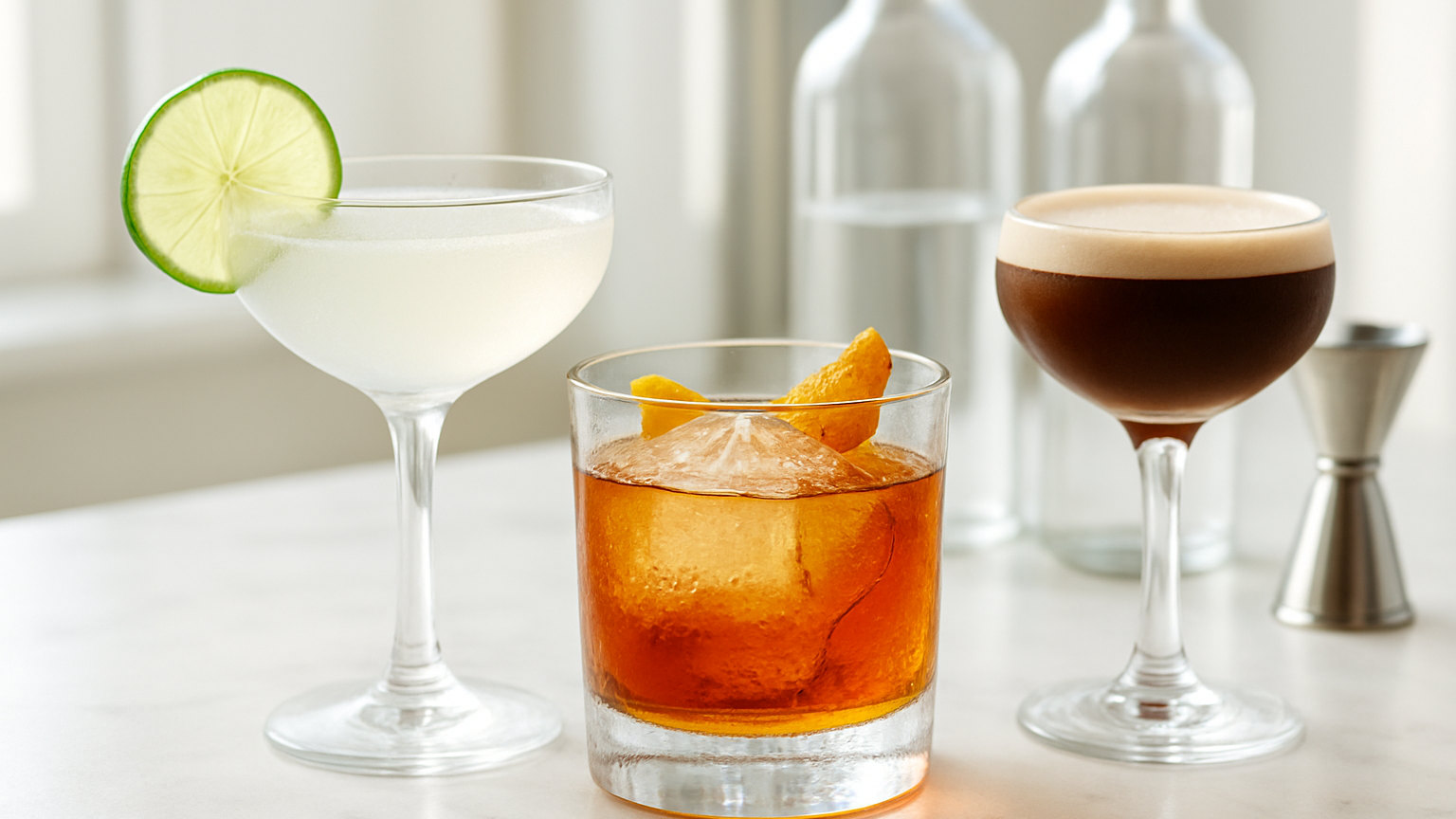
Spirits get the attention, but the modifiers decide how many drinks you can actually make. Buying them in a sensible order is the difference between a working home bar and a shelf of bottles opened once for a single recipe.
What are the first four?
- Sweet vermouth. Unlocks the negroni, manhattan, americano, boulevardier and dozens more.
- Dry vermouth. Needed for a martini and for a great many stirred drinks.
- A good orange liqueur, ideally a clear triple sec at around 40 per cent. Margarita, sidecar, cosmopolitan, mai tai and many others.
- Aromatic bitters. Old fashioned, manhattan, champagne cocktail, and an improvement to almost anything else.
Those four plus a gin, a whiskey and a rum will make well over fifty recognised cocktails, which is more than most people ever work through.
What comes next?
- A bitter aperitivo liqueur, for negronis, spritzes and americanos.
- Orange bitters, which changes a martini considerably and suits gin and whiskey drinks.
- Maraschino, for the aviation, last word and Hemingway daiquiri.
- A medium amaro, useful neat and as a modifier in whisky and rum drinks.
- Coffee liqueur, if espresso martinis or white russians appear regularly.
This second group is where personal taste starts deciding rather than the cocktail canon.
Which should you buy only for a specific drink?
Creme de violette, which is bought for the aviation and rarely used again. Green chartreuse, which is superb but expensive and appears mainly in the last word and a handful of others. Absinthe, needed for a sazerac rinse and little else in most homes.
None of these are bad purchases. They simply should follow the drink rather than precede it, and a bottle bought speculatively will often sit unopened for years.
How do you avoid waste?
Buy small bottles wherever they exist, particularly for vermouth. A half bottle of vermouth used within a month makes far better drinks than a large bottle slowly going stale in a cupboard.
Before buying any new modifier, identify two drinks you will actually make with it. If you can only name one, and it is a drink you have never tried in a bar, wait.
What about quality versus price?
Modifiers reward spending more than base spirits do, because they are usually a quarter to a third of the drink and their flavour is more concentrated.
The clearest example is orange liqueur. Moving from a cheap 20 per cent triple sec to a good 40 per cent one improves a margarita more than upgrading the tequila would, at a smaller cost.
Vermouth is the other case where a modest increase in spend, combined with buying small and keeping it refrigerated, has an outsized effect.
What is the single most common mistake?
Treating vermouth as a spirit. It is wine, it belongs in the fridge, and it lasts weeks rather than years. More home cocktails are spoiled by stale vermouth than by any other cause, including cheap spirits.
How should you store the rest?
Upright, in a cupboard, away from light and heat. High strength liqueurs and bitters will last for years. Fruit liqueurs fade over one to two years, cream liqueurs need refrigerating and last around six months, and anything wine based follows the vermouth rules.
A quick check of what is actually still good, once a year, is worth doing before buying anything new.
How much should the whole thing cost?
Less than most people expect. The four essentials can be bought for the price of one premium bottle of spirit, and three of the four last for years.
The recurring cost is vermouth, since it needs replacing regularly, and that is the one place where buying small and often genuinely saves money rather than costing more.
Beyond that, add one bottle at a time as specific drinks demand it. A home bar built that way stays useful, while one assembled all at once tends to contain a great deal that never gets poured.