What Can You Use Instead of Bitterness?
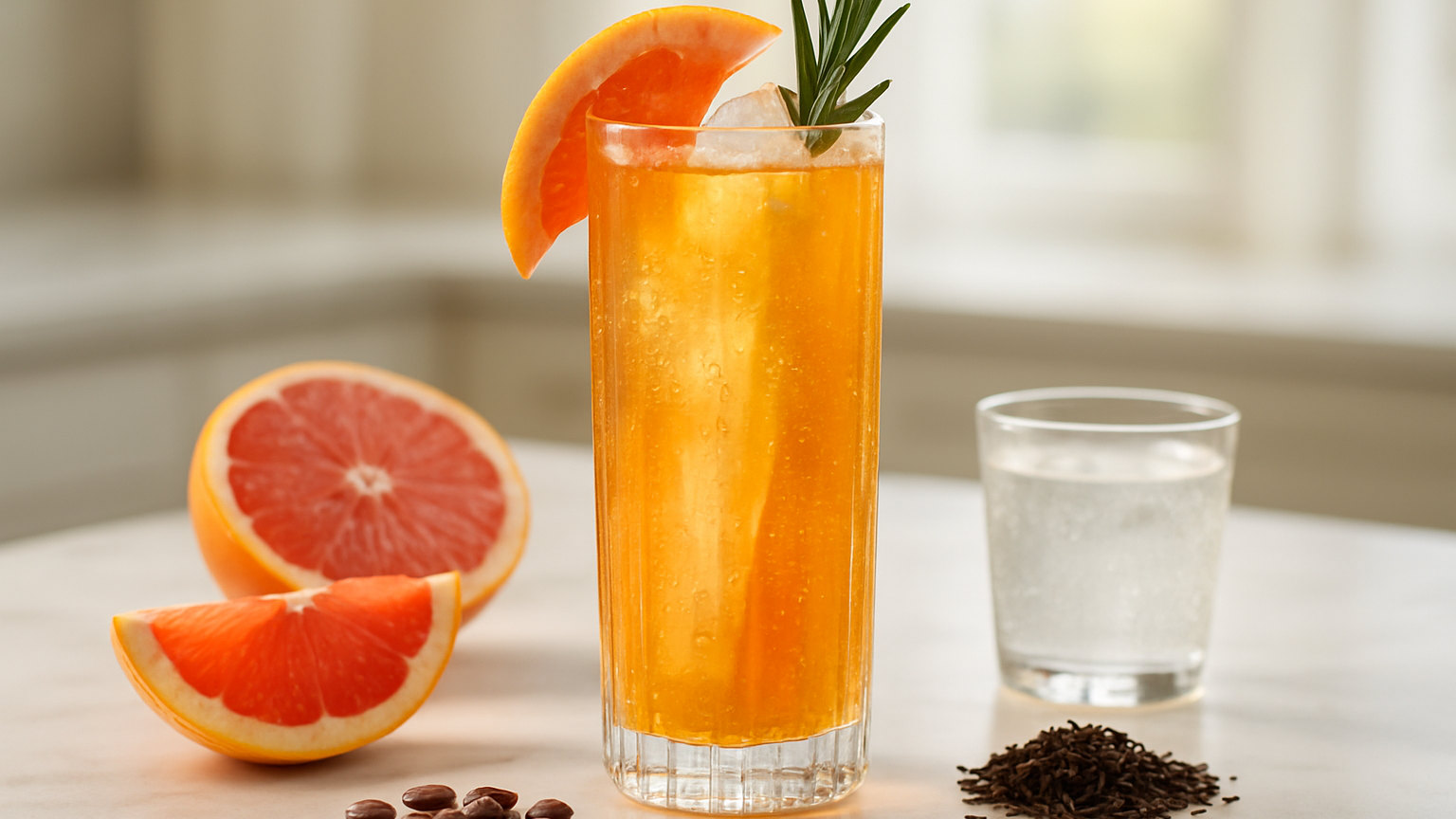
Bitterness is the quality most often missing from non-alcoholic drinks and the one that makes the largest difference. Several ordinary ingredients supply it.
Every recipe here is given in both ounces and millilitres, because a jigger marked one way and a recipe written the other is how good drinks get ruined. These guides cover the classics worth learning, the handful of templates that most cocktails are built on, and non-alcoholic drinks that are properly made rather than an afterthought.
Bitterness is the quality most often missing from non-alcoholic drinks and the one that makes the largest difference. Several ordinary ingredients supply it.
Smoke is an aggressive ingredient and works best when something bitter or sweet gives it structure. A handful of modern drinks have worked out how.
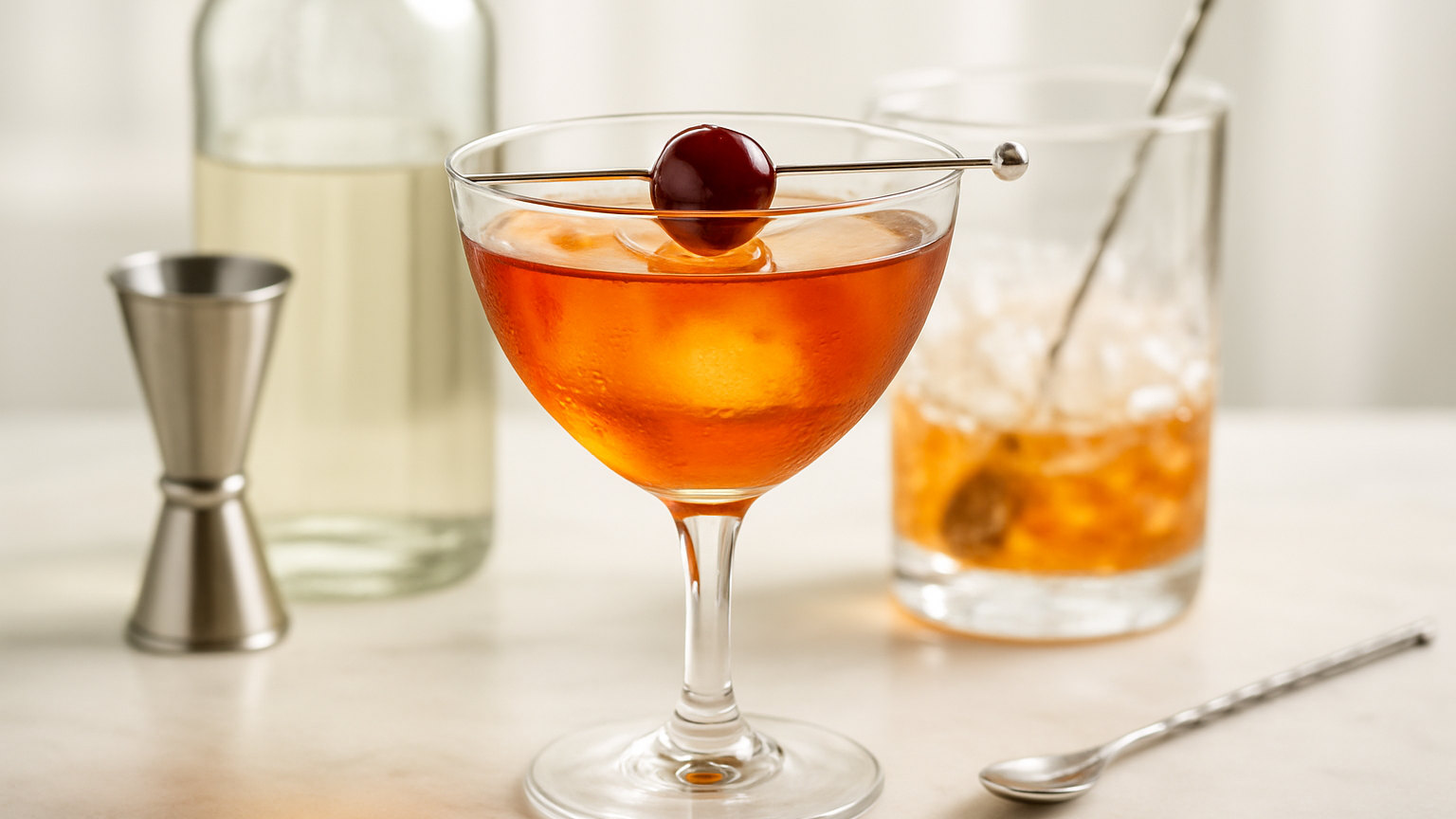
Whiskey, sweet vermouth and bitters, stirred and served up. The difficulty is not the recipe but the state of the vermouth, which is where most Manhattans fail.
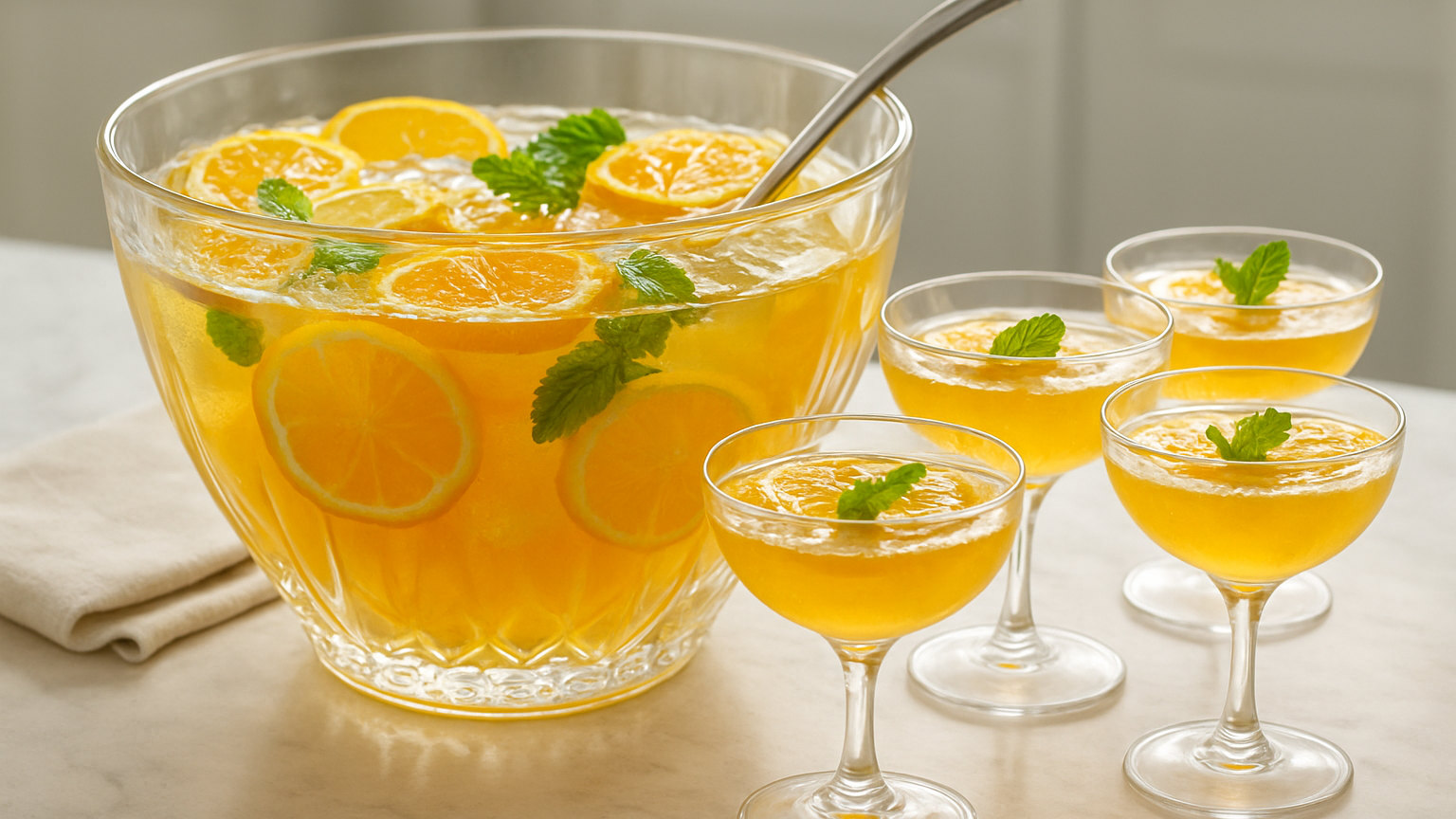
Running out is worse than having too much, and the arithmetic is straightforward once you know how many servings a bowl actually holds.
The two produce genuinely different drinks, and the argument between them is less about quality than about whether you want the drink to taste of something.
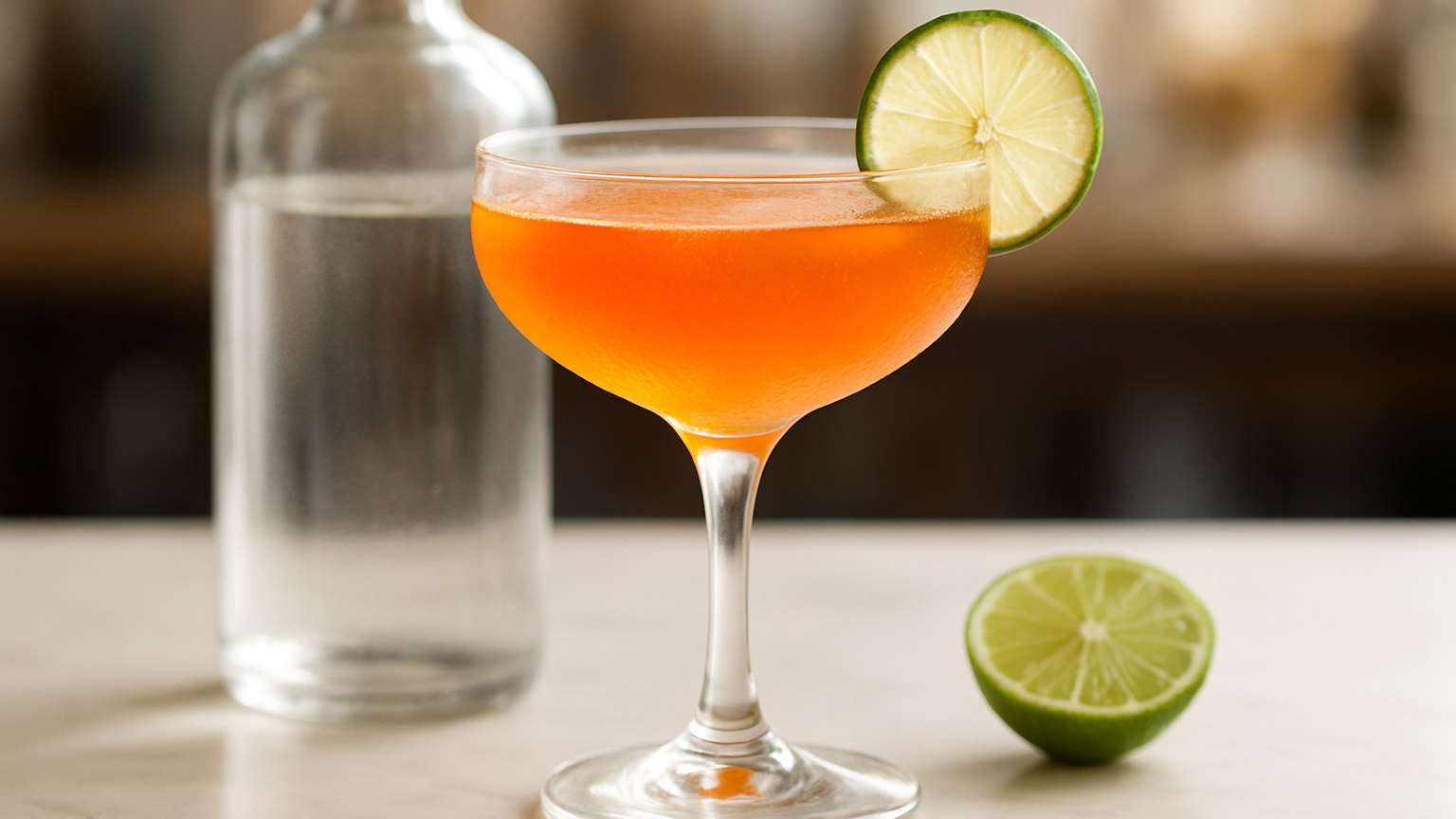
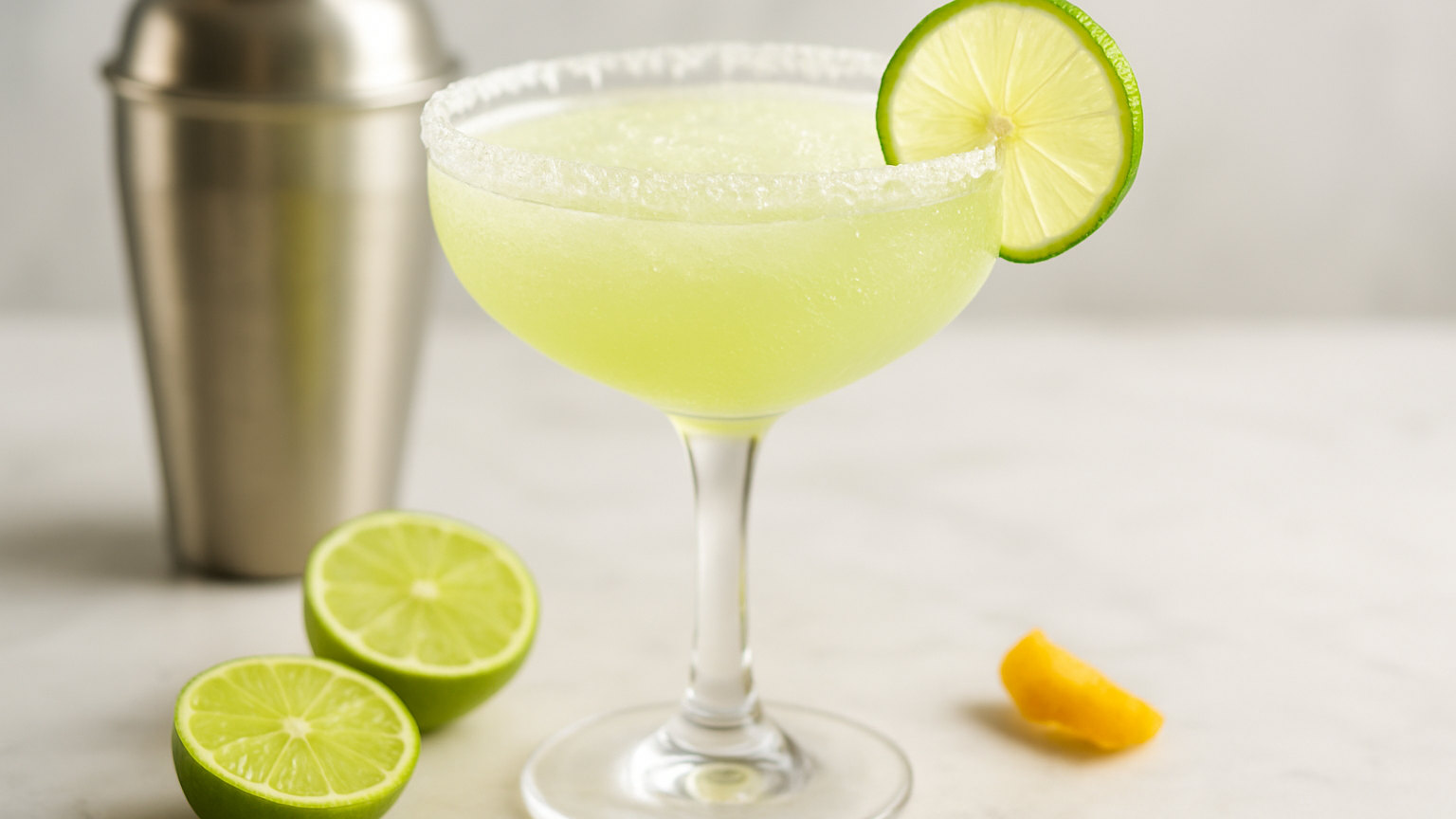
Tequila, lime and orange liqueur, shaken. The pre-made mix that dominates the drink's reputation contains none of those things in any recognisable form.
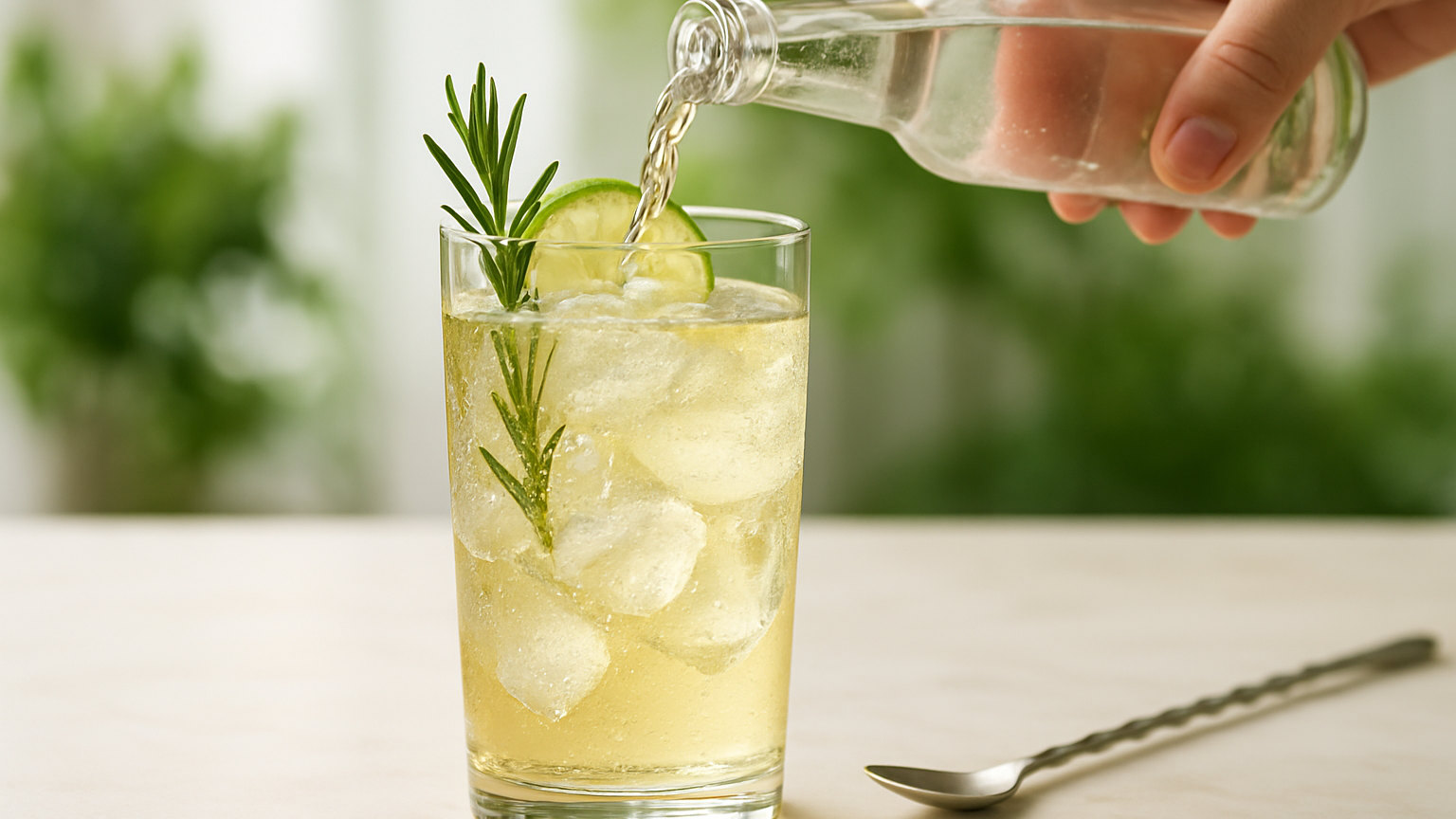
Tonic is more than half the drink by volume and supplies most of the sugar, bitterness and acidity, which makes it a strange thing to buy without thinking.
Thin, watery texture is what gives a non-alcoholic drink away. A handful of ingredients solve it, and most of them are already in the kitchen.
Four ingredients in identical measures, two of them bitter, and the result is one of the most balanced drinks anyone has assembled in the past twenty years.
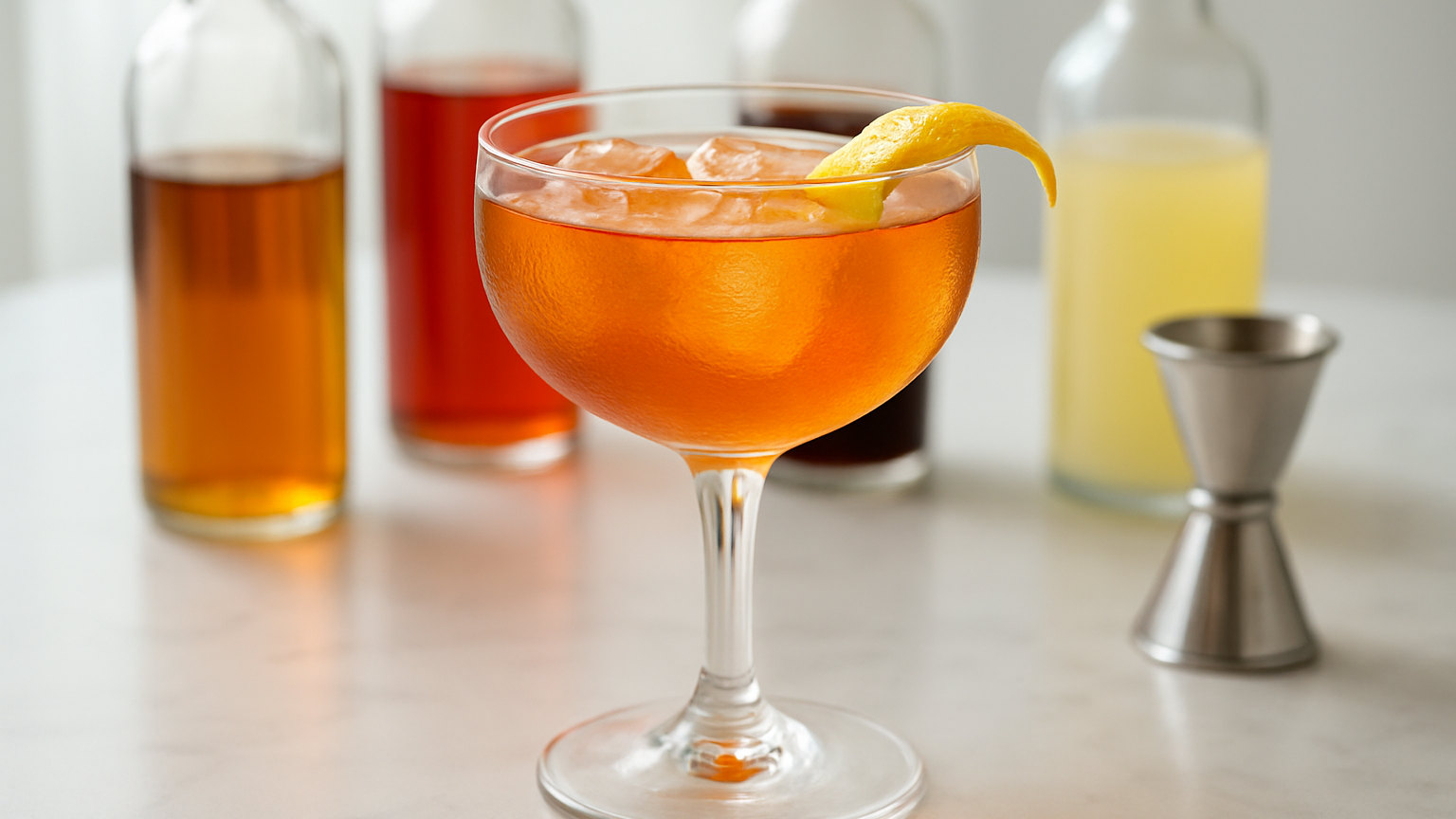
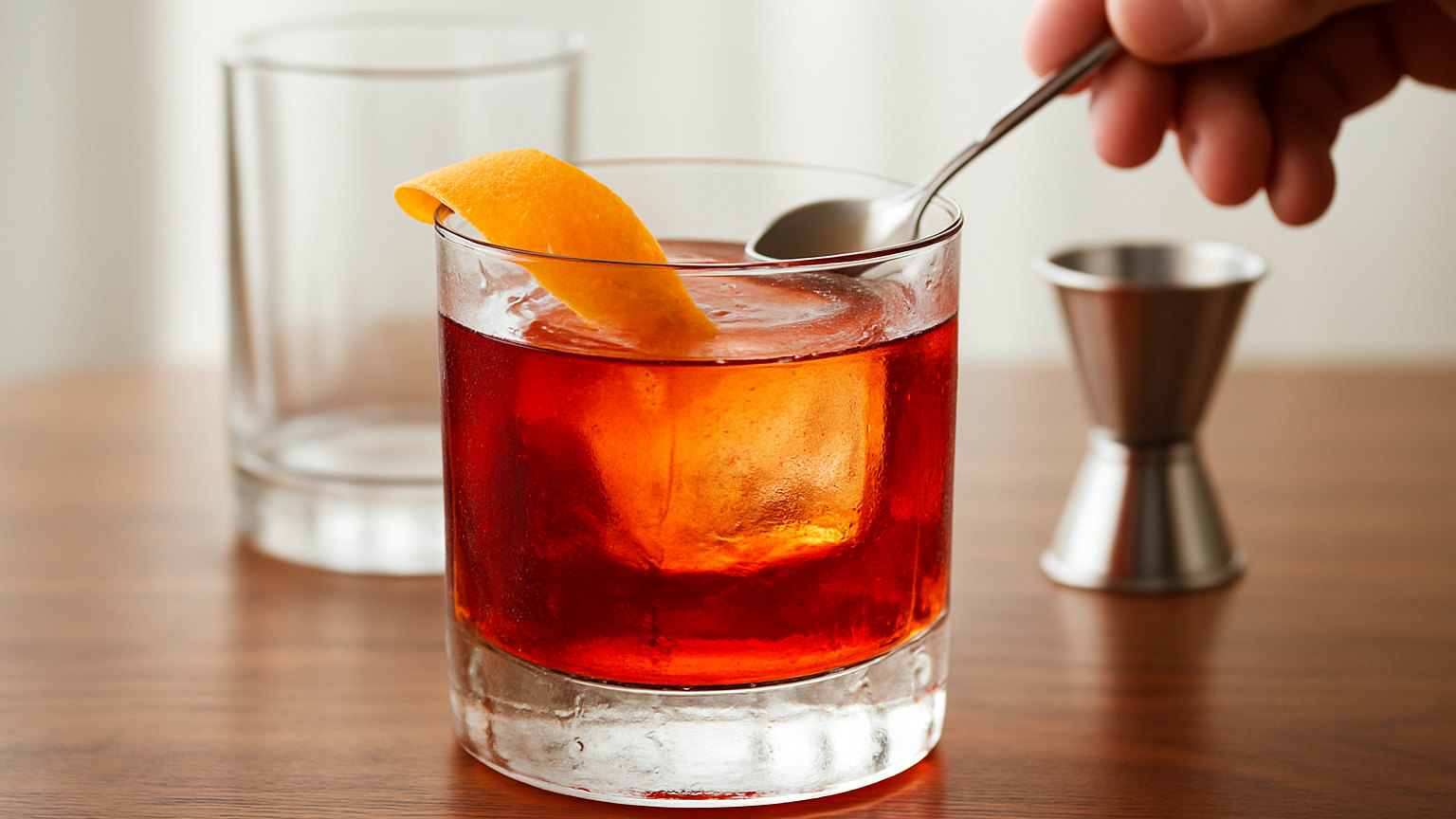
Three ingredients in identical measures, stirred, with an orange peel. The simplicity is what makes it work and what makes the quality of each bottle so exposed.
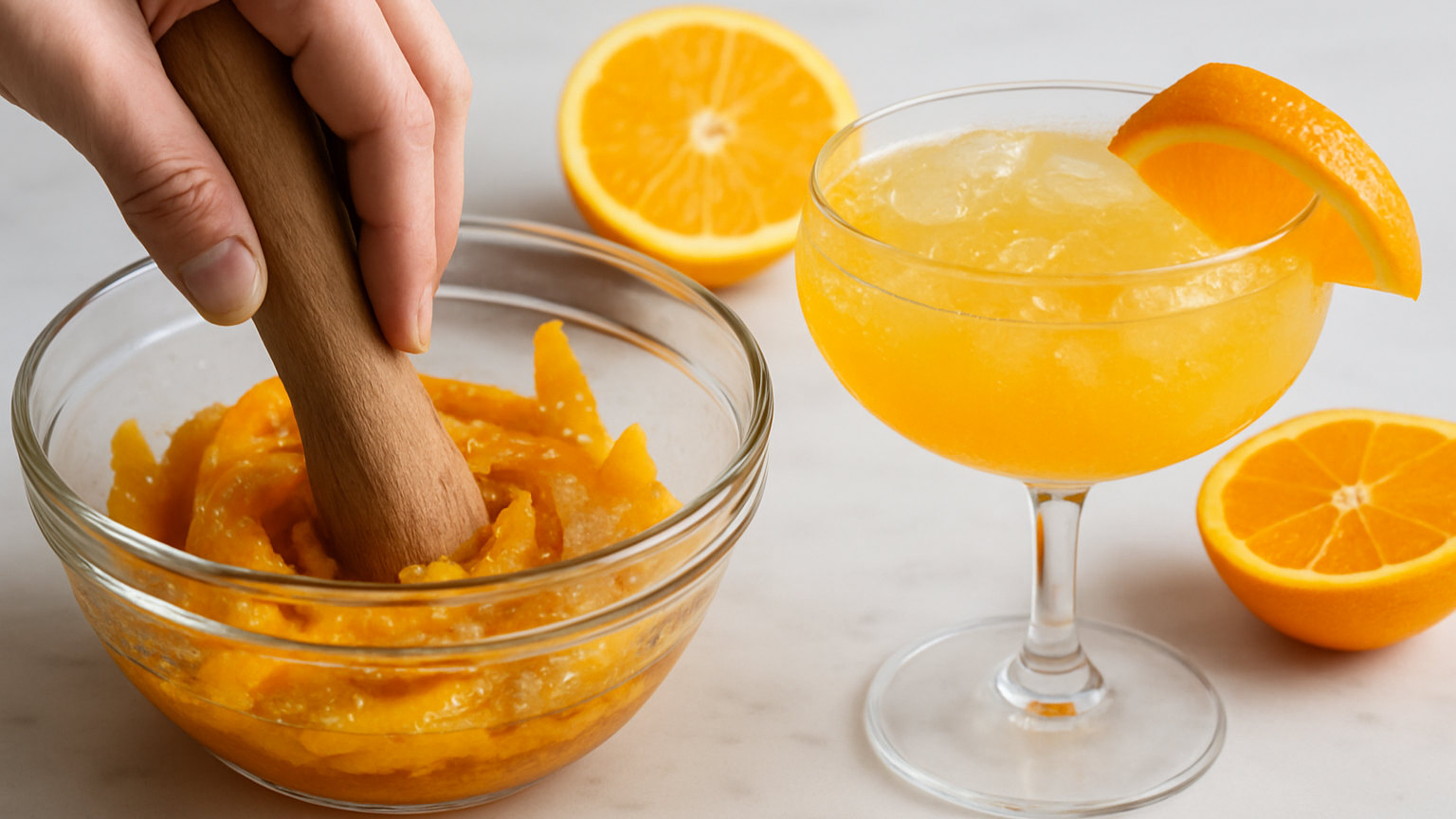
Sugar draws the aromatic oil out of citrus peel, producing a syrup more intensely fragrant than any juice. It takes five minutes of work and transforms a punch.
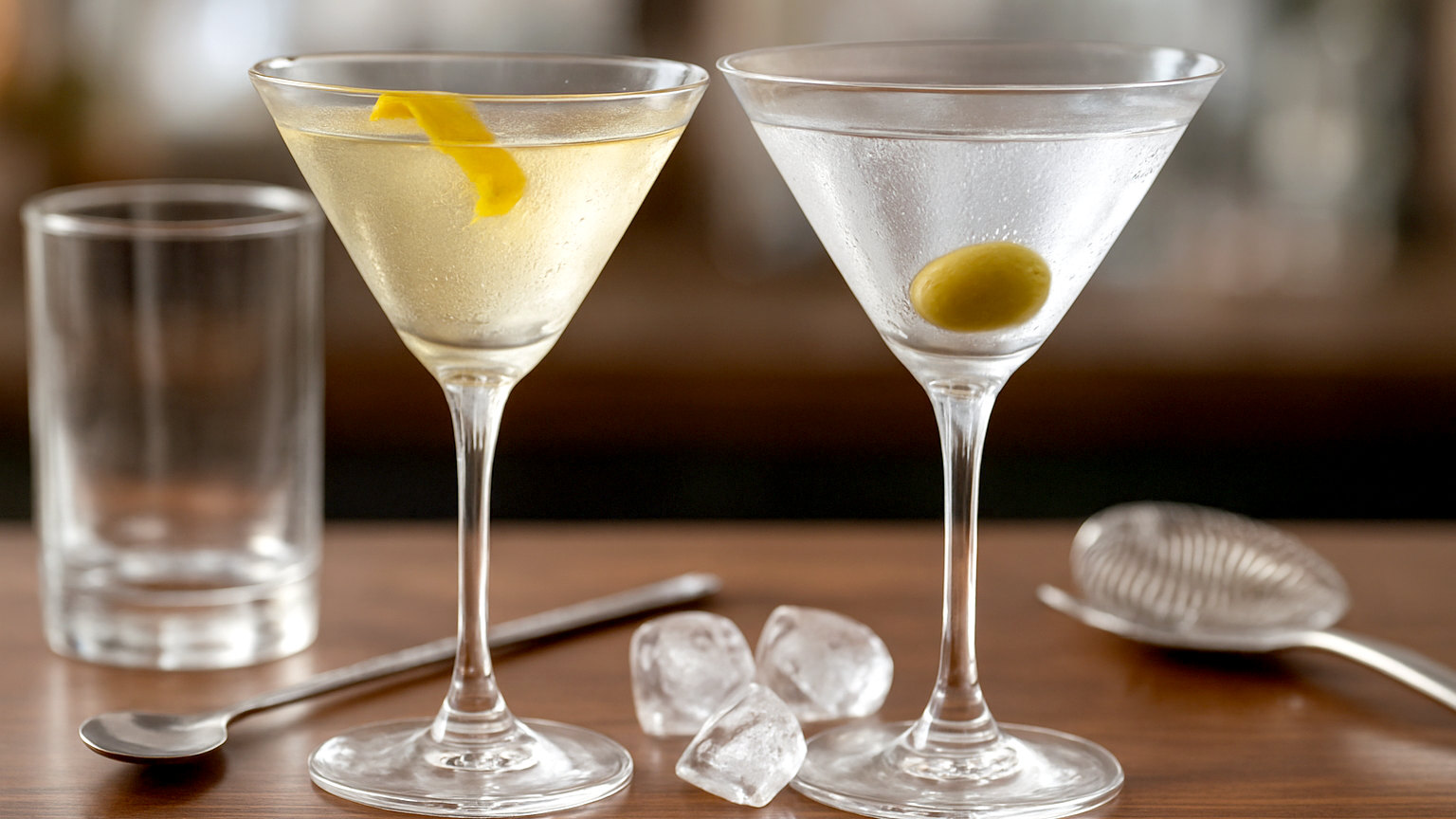
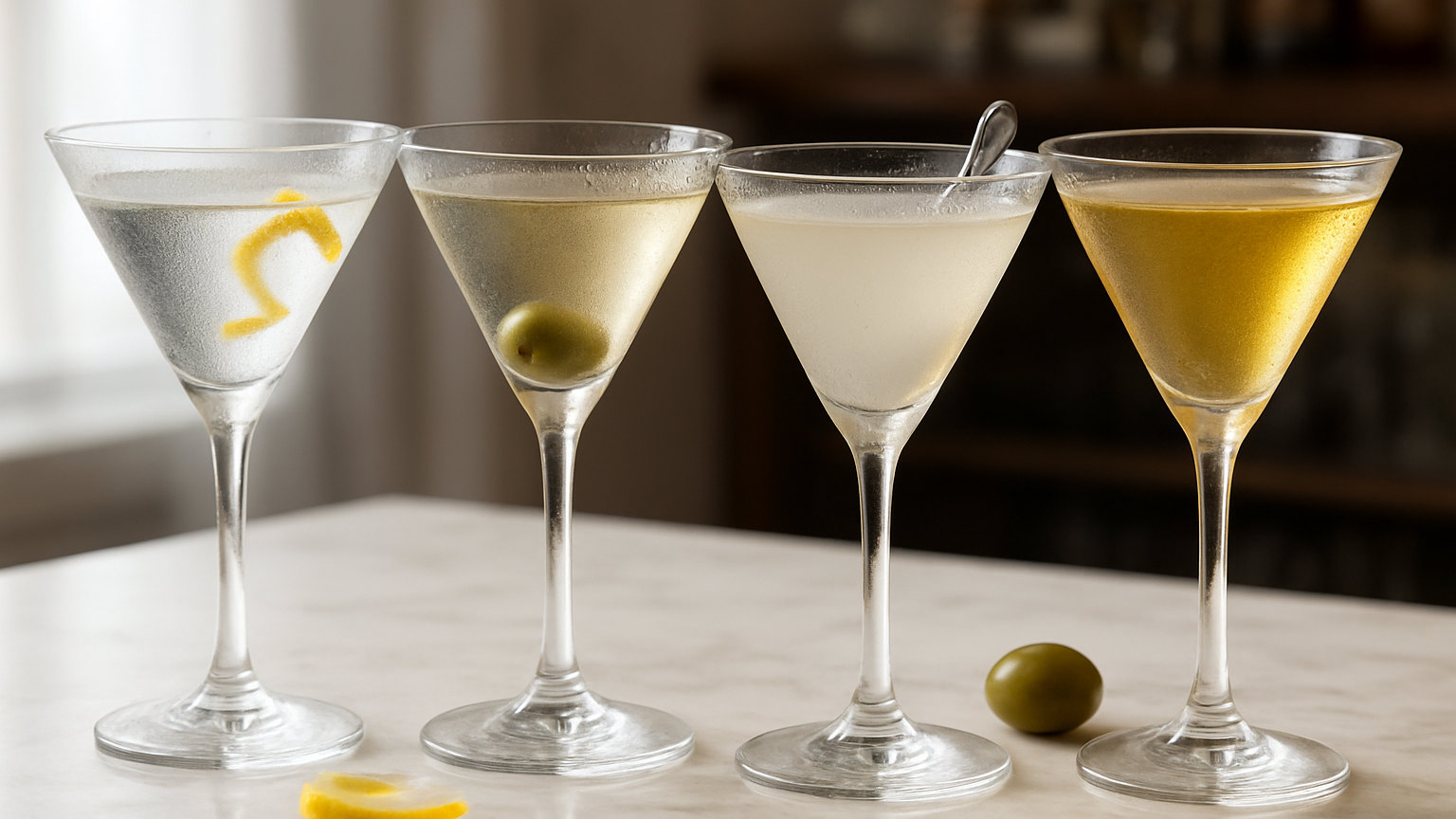
The vocabulary around ordering a martini sounds like affectation and is genuinely useful once you know that each word changes one specific variable.