
Ask people what is wrong with a disappointing non-alcoholic drink and they usually describe the flavour. Frequently the actual problem is texture: the drink is thin, it slides past without weight, and it feels like flavoured water because it is.
Alcohol contributes viscosity, and replacing that is a solvable problem.
Syrups and sugar
The simplest route. A rich syrup, made at two parts sugar to one of water, adds noticeably more body than a standard one-to-one syrup, and a smaller quantity achieves the same sweetness.
Honey syrup, made by thinning honey with warm water, adds body and a floral character that suits tea and citrus.
Demerara syrup contributes molasses depth as well as weight, which suits darker drinks.
The trap is adding sugar for texture and ending up with something cloying, so any increase in syrup should be matched with more acid.
Gum syrup
The traditional bar answer, and the most effective. Gomme syrup is sugar syrup with gum arabic dissolved in it, and the gum adds a silky viscosity that sugar alone cannot.
It was standard in nineteenth century bartending and fell out of use before being revived. It can be bought ready-made or produced at home by dissolving gum arabic powder in warm water and combining it with syrup, which takes patience since the gum dissolves slowly.
A small quantity transforms a thin drink, and it is the single most useful thing on this list.
Foams
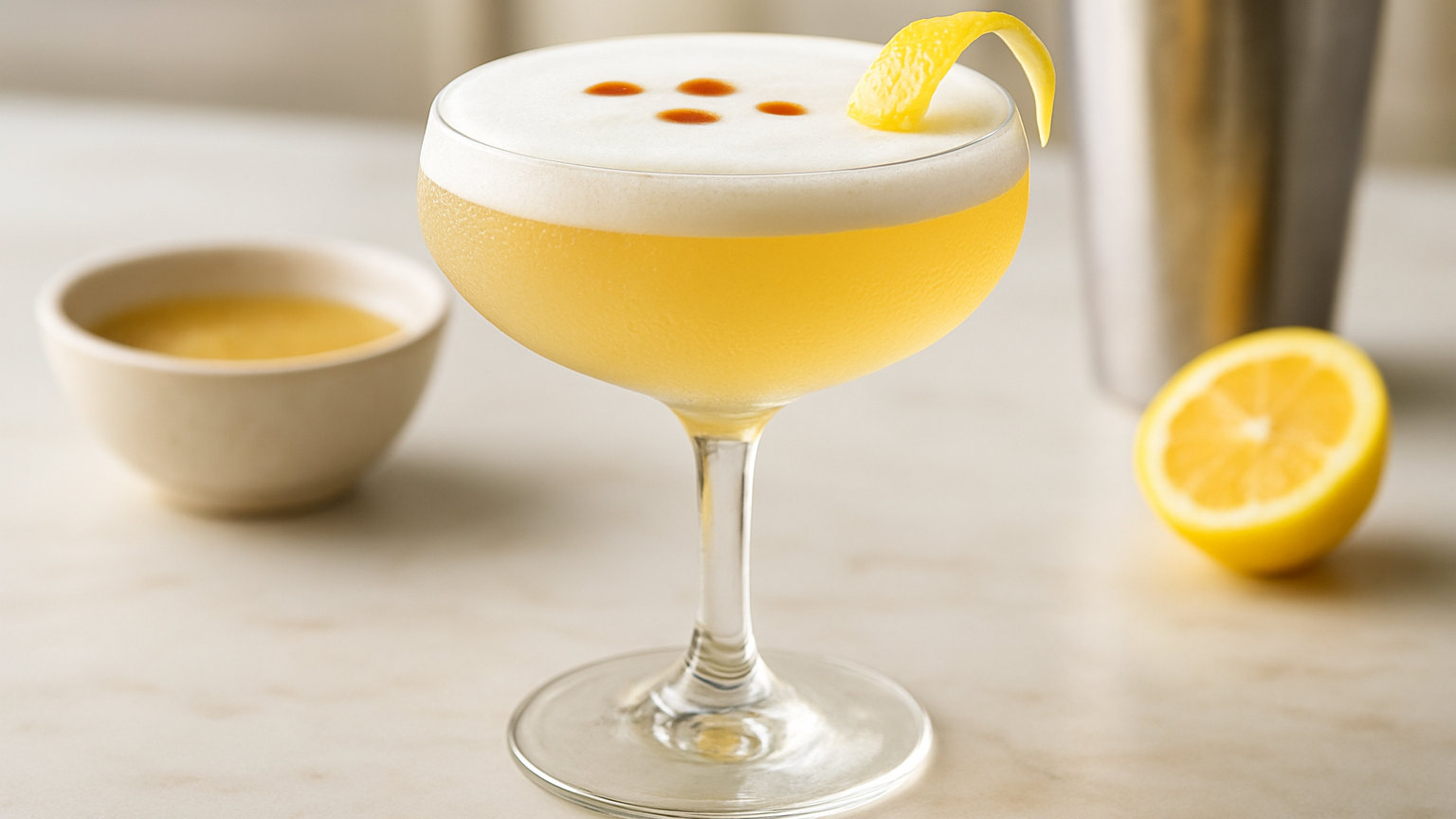
A foam changes texture dramatically and adds an aromatic layer that sits above the drink.
Aquafaba, the liquid from a tin of chickpeas, is the standard vegan option and behaves almost identically to egg white. Use around 15 to 20 millilitres, dry shake first without ice to build the structure, then shake again with ice.
Egg white does the same job. Anyone pregnant, elderly, very young or with a compromised immune system is generally advised to avoid raw egg, and pasteurised white removes the concern.
Foams suit sour-style drinks and look considerably more considered than a plain glass of juice.
Purées and pulps
Fruit purée adds weight, flavour and colour at once, and a spoonful of a good purée changes a long drink substantially.
Reduced juices work similarly. Simmering apple or pineapple juice until it thickens concentrates both flavour and body.
Coconut milk, oat milk and nut milks all bring genuine richness and suit spiced and coffee-based drinks, though they change the character considerably and are not for every drink.
Tannin and astringency
Not body exactly, and it does a similar job perceptually. Strong brewed tea leaves a drying sensation that reads as structure and length, and it is why tea appears in so many good non-alcoholic recipes.
Black tea gives the most tannin, and over-brewing it deliberately produces a strong, astringent base that stands up to sugar and citrus.
The ice question
Dilution is the most overlooked cause of thin drinks. A glass with a few small cubes will be watery within minutes.
Fill the glass properly with ice, since a full glass melts more slowly than a half-empty one, and use larger cubes where possible.
Chill the ingredients beforehand where you can, so the ice has less work to do.
Putting it together
Most drinks need one or two of these rather than all of them. A sour benefits from a foam and a rich syrup; a long drink benefits from tannin and good ice; a spiced drink benefits from a purée or a milk.
The test is simple: hold a mouthful for a moment before swallowing. If it feels like water with flavour in it, the drink needs body. If it coats the mouth slightly and has some weight, it is finished.
A note on additives
Some bar recipes call for food-grade glycerine or tiny quantities of xanthan gum to build texture, and both work.
They need a light hand. Glycerine adds sweetness as well as viscosity, and xanthan becomes slimy rather than silky if overdone, with the useful range measured in fractions of a gram per litre.
For most purposes a rich syrup, a foam or a little gum arabic achieves the same thing with less risk of ruining a batch, which is why those remain the standard answers.


