Flavoured vodka is one of the widest categories in spirits, running from spirits with real fruit distilled into them to bright blue products tasting of sweets. The production method separates them, and the label usually reveals it if you know which words to look at.
How does the flavour get in?
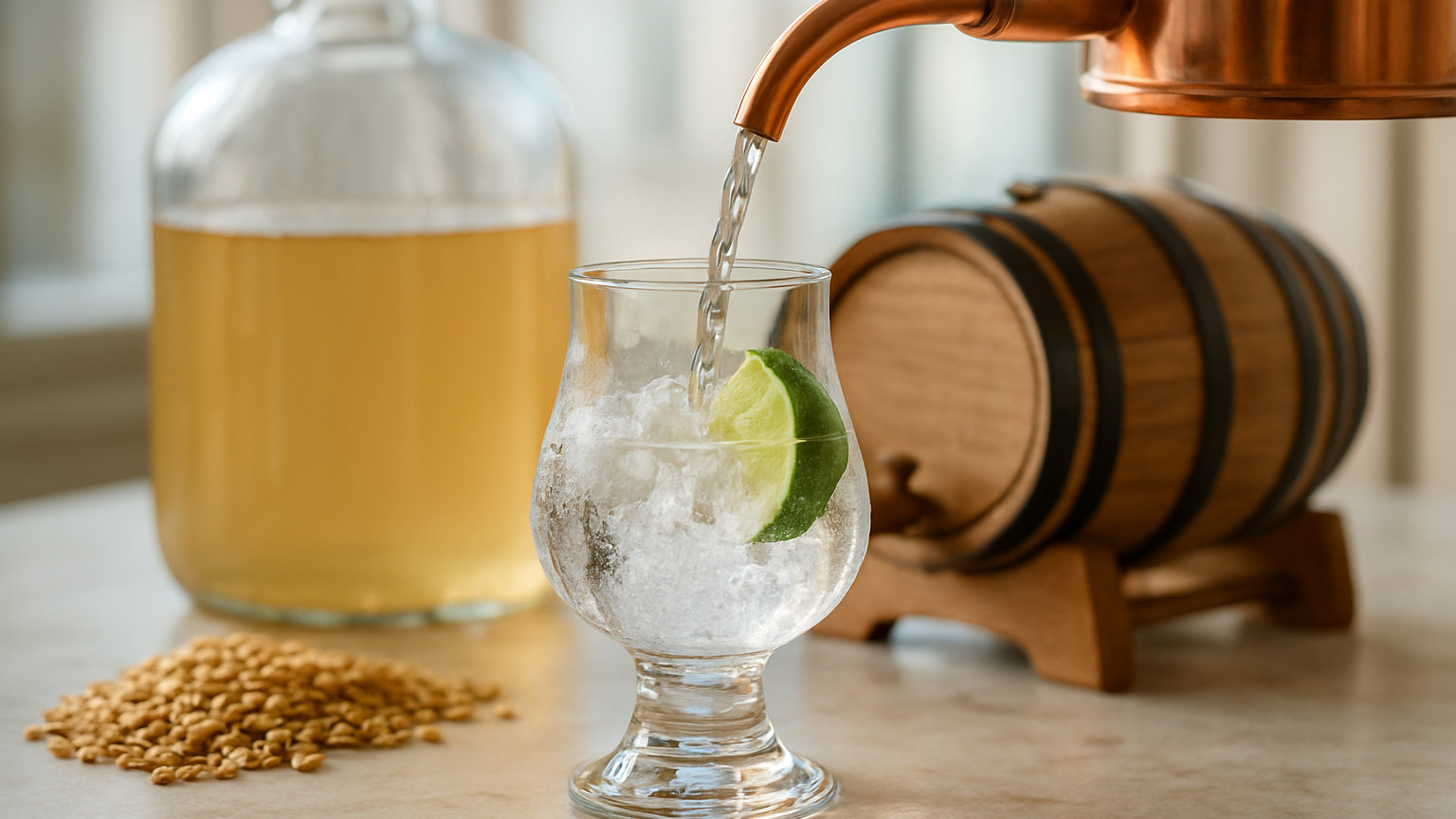
- Distillation. Botanicals or fruit are redistilled with the spirit, in the same way gin is made. This is the most expensive route and gives the most integrated result.
- Maceration or infusion. Ingredients steep in the finished vodka and are then strained out. Common for herbs, spices and chillies, and the method most home producers use.
- Compounding. Flavourings or essences are blended into finished vodka. Cheap, fast, consistent, and how most large scale flavoured vodka is produced.
Producers using distillation or real fruit maceration almost always say so on the label, because it justifies a higher price. Silence on the method generally indicates compounding.
Is it still vodka?
It depends on strength and sugar. European rules define flavoured vodka as vodka with a predominant flavour other than that of the raw materials, and it must still meet the minimum strength of 37.5 per cent.
Once sugar content passes 100 grams per litre, the product is a liqueur rather than a vodka, and it will usually be labelled vodka liqueur. Many are bottled at 20 to 25 per cent, which is the quickest clue.
So check two numbers on the label before anything else: the alcohol percentage and, where it appears, the category name. A product at 21 per cent calling itself a vodka drink is a sweetened liqueur whatever the front of the bottle implies.
Which flavours work and which do not?
Flavours that were traditionally distilled or infused tend to work best, because the method suits them. Citrus, pepper, horseradish, caraway, honey and herbs all have a long history in the vodka belt and produce useful drinks.
Confectionery flavours are a different proposition. They are made almost exclusively by compounding, they are usually sweetened, and they are designed for shots and simple mixed drinks rather than for cocktails.
What can you do with it?
Match the flavour to the drink rather than treating it as a straight substitute. Citrus vodka works in a cosmopolitan or a lemon drop. Pepper vodka improves a bloody mary considerably. Horseradish and caraway styles suit savoury drinks and food pairing.
Sweetened flavoured vodkas need the sugar accounting for. If you use one in a cocktail that already contains syrup, reduce or remove the syrup, or the drink will be cloying.
How do you make an infusion at home?
- Start with a clean mid priced vodka. There is no benefit in using an expensive one, and a rough one will show through.
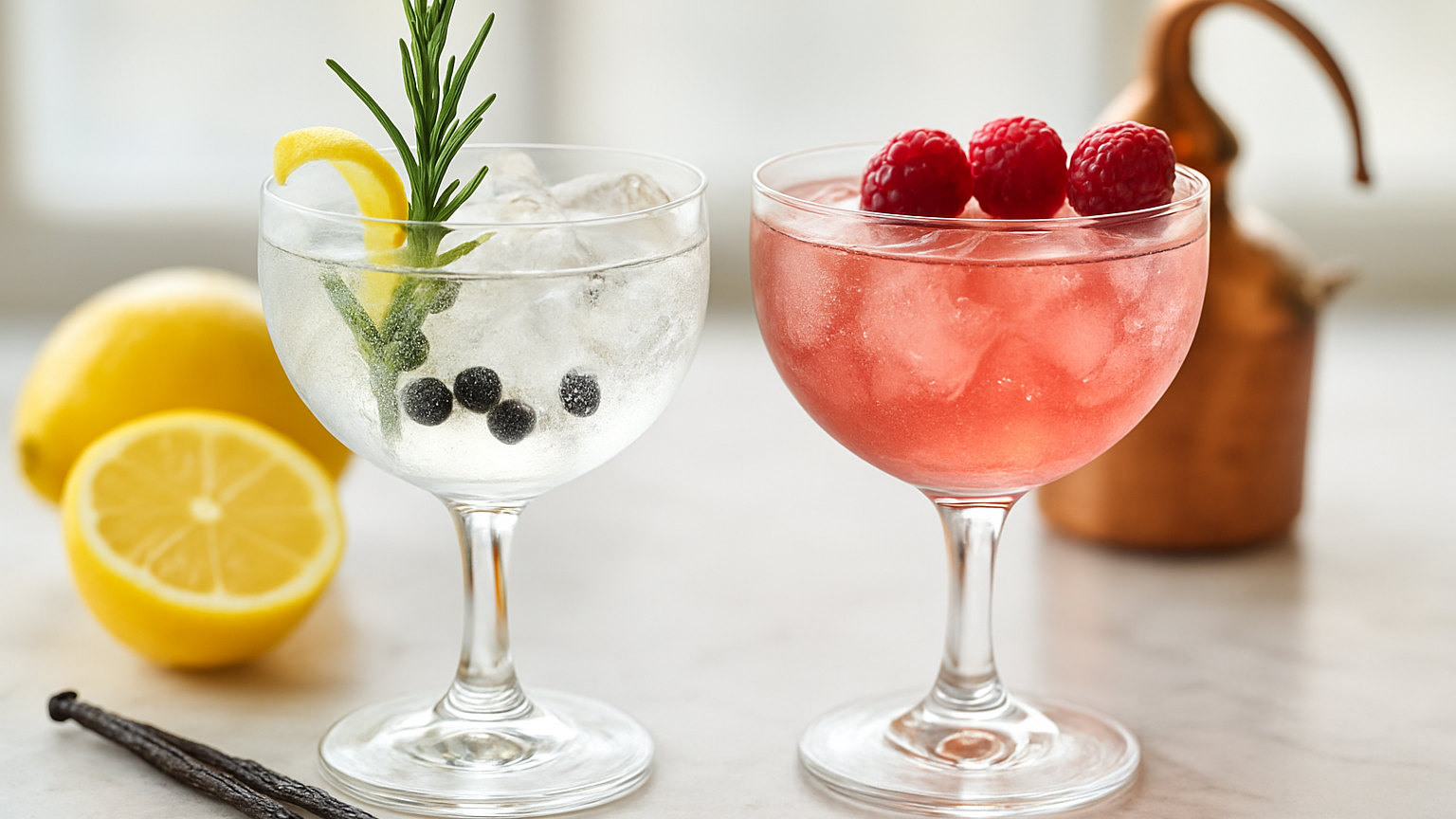
- Add the flavouring ingredient to a sealed jar. Fresh chilli, citrus peel, vanilla, coffee beans, black pepper and berries all work.
- Taste daily. Chilli can be finished in a few hours, citrus peel in a day or two, vanilla in a week or more. Over-infusion is the main risk.
- Strain thoroughly when it tastes right, and store it away from light.
Avoid leaving the pith of citrus in, since it turns bitter, and avoid fresh dairy or anything that will spoil. Sweeten afterwards if you want to, rather than at the start, so you can judge the flavour first.
Is flavoured vodka worth buying?
For specific drinks, yes. For general use, a plain vodka plus fresh ingredients gives more control and usually a better result, since you decide the sweetness and intensity rather than accepting whatever was decided at the factory.
How long does it keep?
A full strength flavoured vodka at 37.5 per cent or above is as stable as any spirit and will keep for years, though delicate fruit and citrus notes fade within a year or so of opening. Lower strength sweetened products have less alcohol protecting them and are better used within a year, with refrigeration after opening doing no harm.
Homemade infusions should be strained off their solids before storage and kept away from light, since fruit and herbs left in the bottle indefinitely turn bitter and the colour degrades quickly on a sunny shelf.