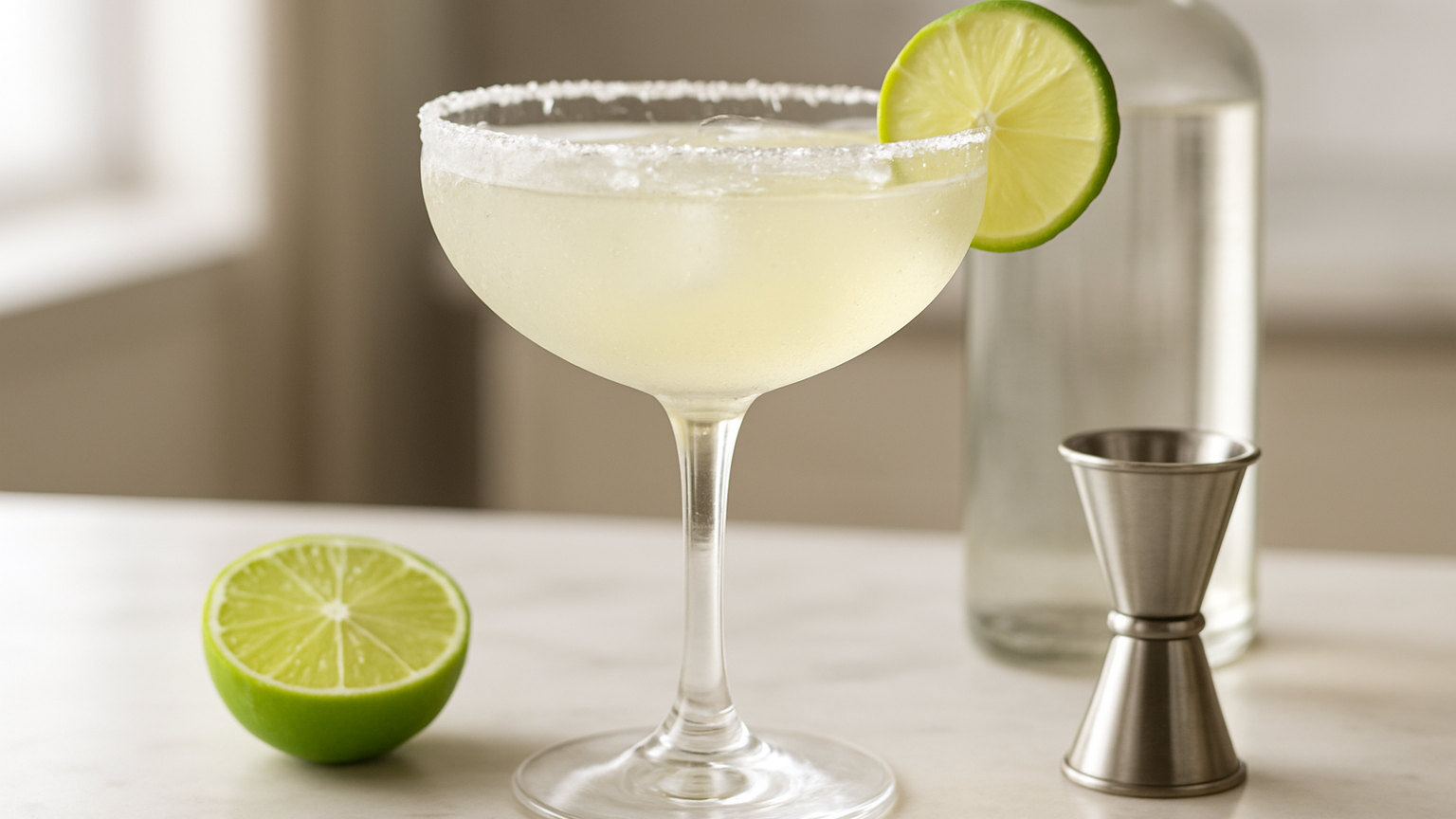
A margarita is tequila, lime juice and orange liqueur. Made with those three things in sensible proportions it is one of the best cocktails there is. Made with a bottled sour mix and a thin mixto it is the drink that gave tequila its reputation.
Which class of tequila should you use?
Blanco, in almost every case. The drink needs the bright, peppery, vegetal agave character to push against the lime and the sweetness of the liqueur, and that is exactly what an unaged tequila provides.
Reposado makes a rounder, softer margarita that some people prefer, particularly with a richer sweetener such as agave syrup. Anejo is generally a waste, since the oak that costs the money is largely lost under citrus.
What should you look for in the bottle?
- 100 per cent agave, without exception. Mixto has too little agave character to survive the other ingredients.
- Additive free, where stated, because a sweetened tequila unbalances a drink that already contains sugar.
- A NOM number you can look up, ideally from a distillery using brick ovens rather than a diffuser.
- Around 40 per cent or above, since the drink involves substantial dilution.
Price wise, a mid range blanco is the sweet spot. Spending heavily buys nuance that the lime will flatten anyway.
What is the ratio?
A widely used starting point is two parts tequila, one part orange liqueur, one part fresh lime juice. In practical terms that is 50 millilitres of tequila, 25 of liqueur and 25 of lime, or 2 ounces, 1 ounce and 1 ounce.
Many bartenders prefer slightly less liqueur and a small addition of agave syrup, which gives more control over sweetness. Adjust to your limes, which vary considerably in acidity through the year.
Does the orange liqueur matter?
Yes, more than people expect. A good quality triple sec or a cognac based orange liqueur brings real orange character and body. Cheap triple sec is mostly sugar and tastes of it.
If you use a lower quality liqueur, reduce the quantity and add a little agave syrup to make up the sweetness, rather than pouring more of it in.
How important is fresh lime?
It is the difference between a good margarita and a bad one, and it outweighs the choice of tequila. Lime juice starts changing within an hour or two of squeezing and tastes flat and slightly cooked by the following day. Bottled lime juice and pre-made sour mixes are a different ingredient entirely.
If you make one change, squeeze the limes to order.
How should it be made?
- Salt half the rim if you want it, by rubbing a lime wedge on the outside of the glass and rolling it in salt. Salting only half lets the drinker choose.
- Combine tequila, liqueur and fresh lime in a shaker with plenty of ice.
- Shake hard for around twelve seconds, which both chills and provides the dilution the recipe assumes.
- Strain over fresh ice, or into a chilled coupe if serving straight up.
- Taste before serving and correct with a little lime or syrup.
What about frozen and flavoured versions?
A blended margarita needs more sweetness and more citrus than the shaken version, because cold and dilution from crushed ice mute both. Increase the lime and syrup rather than the tequila.
For a smoky variation, replace a quarter to a third of the tequila with mezcal rather than all of it. That gives the drink depth without the smoke taking over, and it is the single easiest improvement to a standard margarita once you have the basics right.
Should you use agave syrup instead of sugar?
It is a natural fit, since it comes from the same plant and carries a faint caramelised note that suits the drink. Agave syrup is sweeter than simple syrup, so use around two thirds as much and dilute it with a little water first so it mixes properly when cold.
Honey and demerara syrups both work too, each pulling the drink in a slightly richer direction. The choice matters most when you have reduced the orange liqueur and are making up the sweetness separately.