Most whisky reaches the shelf at 40 to 43 per cent alcohol because it has been diluted with water before bottling. Cask strength whisky has not, or has barely been touched, and arrives at whatever strength the barrel produced, typically somewhere between 50 and 65 per cent.
Why is most whisky diluted at all?
Three reasons, and only one of them is about flavour. Duty is charged on alcohol, so a lower strength bottle costs less to sell and less to buy. A cask yields far more bottles when its contents are reduced, which matters commercially. And a consistent 40 per cent product behaves predictably for the buyer.
The flavour argument is that reduction makes whisky more approachable, which is true for many drinkers. What is lost is intensity and, in the case of chill filtration that usually accompanies it, some texture.
What does barrel proof mean?
Barrel proof is the American equivalent term and appears mostly on bourbon and rye. Proof in the United States is double the percentage alcohol, so 120 proof is 60 per cent. American producers are permitted small adjustments, so barrel proof bottlings are usually very close to but not always precisely the strength in the barrel.
Cask strength is not the same as single cask. Single cask means the contents of one barrel and nothing else. A cask strength bottling may combine many barrels, all undiluted. Bottles that are both single cask and cask strength usually say so, and they are the least processed form of whisky available.
Does higher strength mean better whisky?
Not automatically. Strength is not quality, and a poorly made spirit at 60 per cent is simply more of a poorly made spirit. What higher strength does reliably is preserve more of the whisky as it was in the cask, including compounds that dilution and chill filtration would otherwise remove.
The most important practical advantage is control. With a cask strength bottle you decide the final strength in your own glass, and you can move it to different points to see where the whisky shows best. With a 40 per cent bottle that decision was made for you months ago and cannot be undone.
How do you drink cask strength whisky?
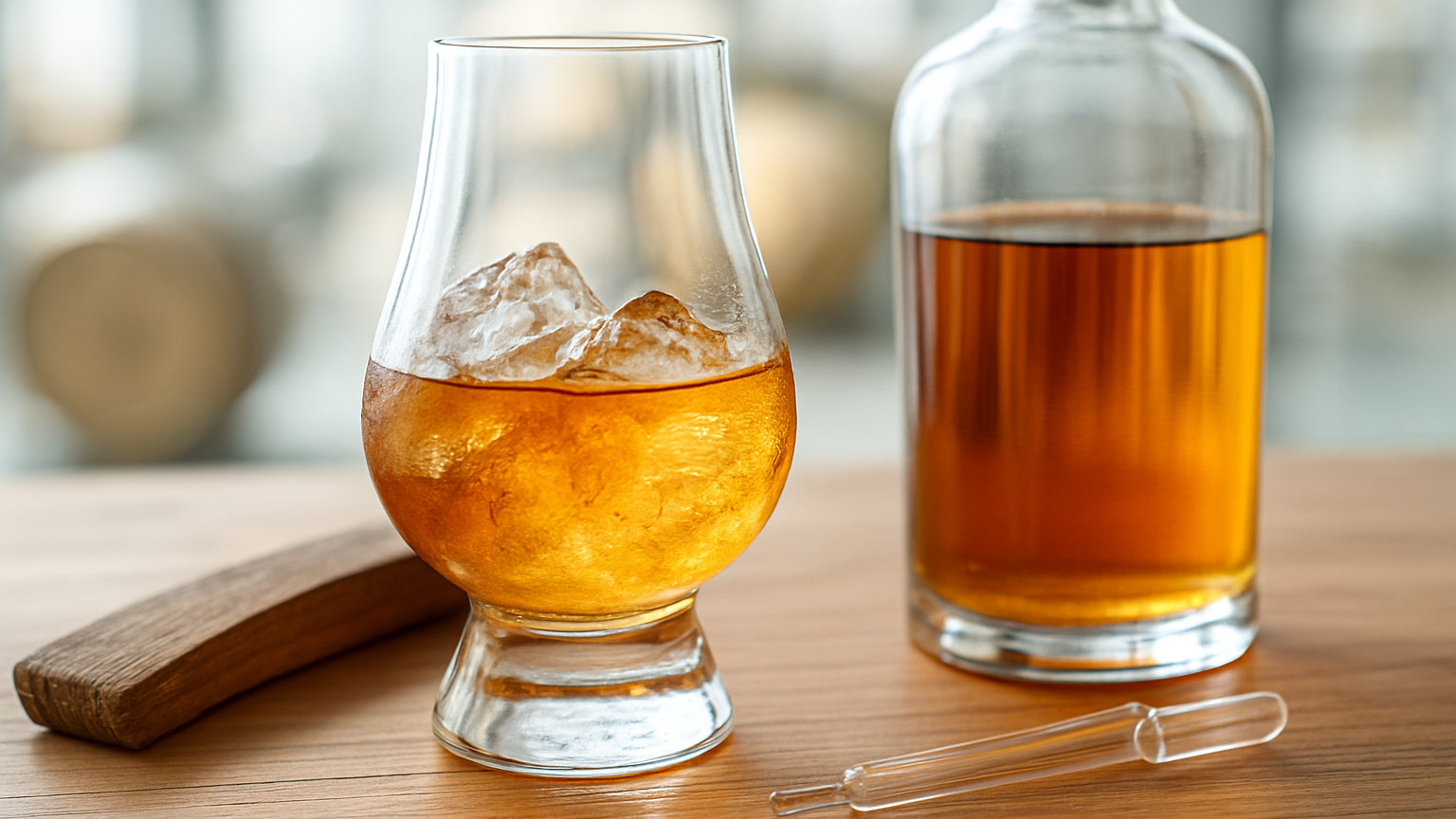
Carefully at first. Pour a smaller measure than usual, taste it neat to establish a baseline, then add water a few drops at a time, tasting after each addition.
- Use a pipette or a teaspoon rather than pouring from a jug, because a few millilitres makes a noticeable difference at this strength.
- Wait between additions. The whisky continues to change for a minute or so after the water goes in.
- Note where it peaks. Many cask strength whiskies open up somewhere around 45 to 50 per cent, which usually means roughly one part water to four or five parts whisky.
- Do not chase the label. If it tastes best at half strength, that is where it belongs.
Is cask strength good value?
Compare on alcohol rather than on volume. A 70 centilitre bottle at 60 per cent contains half as much alcohol again as the same bottle at 40 per cent. If you routinely add water anyway, the effective cost per serving is lower than the shelf price suggests, and cask strength bottles are frequently better value than they look.
The comparison does not always work in favour of the stronger bottle, since many cask strength releases are limited editions priced accordingly. But the arithmetic is worth doing before assuming the cheaper bottle is the more economical one.
What about chill filtration?
Whisky below about 46 per cent can turn cloudy when chilled or when water is added, because fatty acids and esters come out of solution. Chill filtration removes those compounds so the liquid stays clear. It also removes a little of the oily mouthfeel.
Cask strength whisky is above the threshold, so it does not need filtering and generally is not filtered. If your cask strength whisky goes hazy when you add water, that is the sign of an unfiltered spirit rather than a fault.
Who should buy it?
Anyone who has tried a few whiskies and wants to understand what dilution does. It is not a beginner purchase in the sense of being the first bottle on the shelf, but it is an excellent second or third, because tasting one whisky at several strengths teaches more about flavour than tasting three different whiskies at 40 per cent.