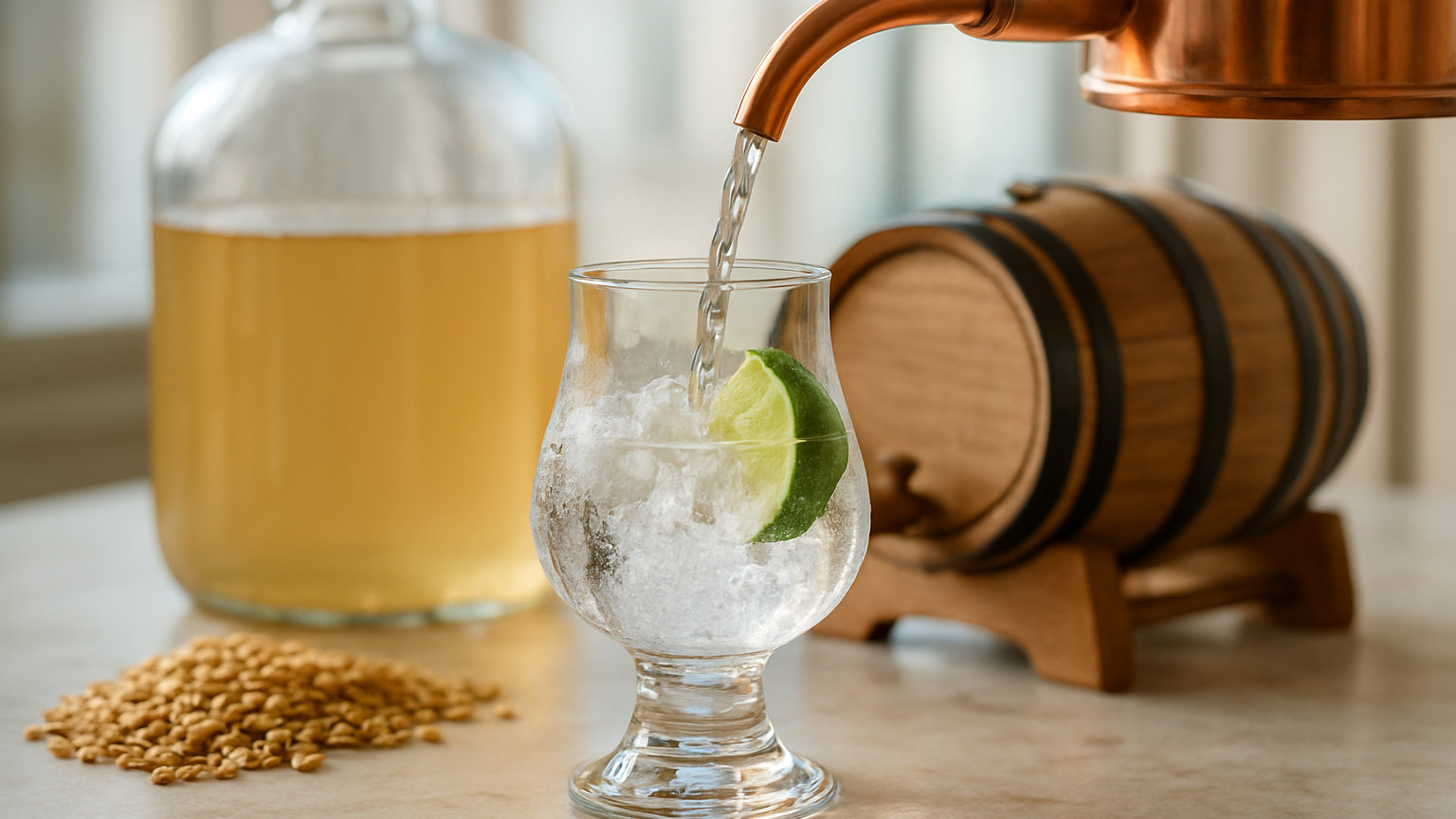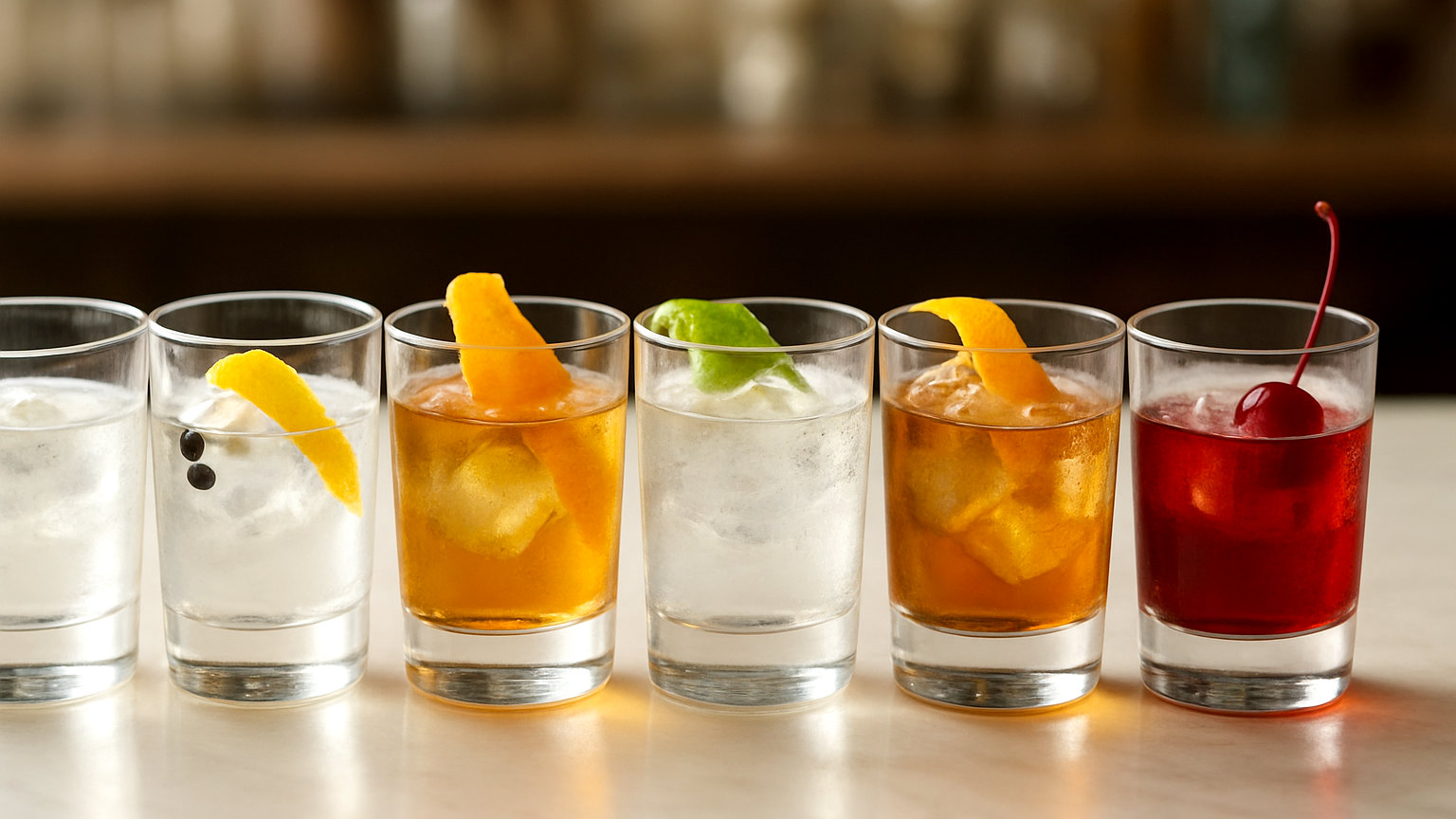
Gin and vodka are frequently made from the same neutral spirit, produced in the same way, from the same grain. One of them then meets juniper. That single step is the whole difference, and it is larger than it sounds.
What is vodka meant to be?
Vodka is defined by the absence of character rather than its presence. European rules describe it as a spirit produced from agricultural alcohol, rectified so that the organoleptic characteristics of the raw materials are selectively reduced. In plain terms, the aim is to strip out flavour rather than build it.
That does not make all vodka identical. Base ingredient, the number of distillations, filtration and water source leave differences in texture and finish, and they are genuinely detectable when the spirit is tasted neat at room temperature. They are subtle differences of degree, though, not of kind.
What does gin do differently?
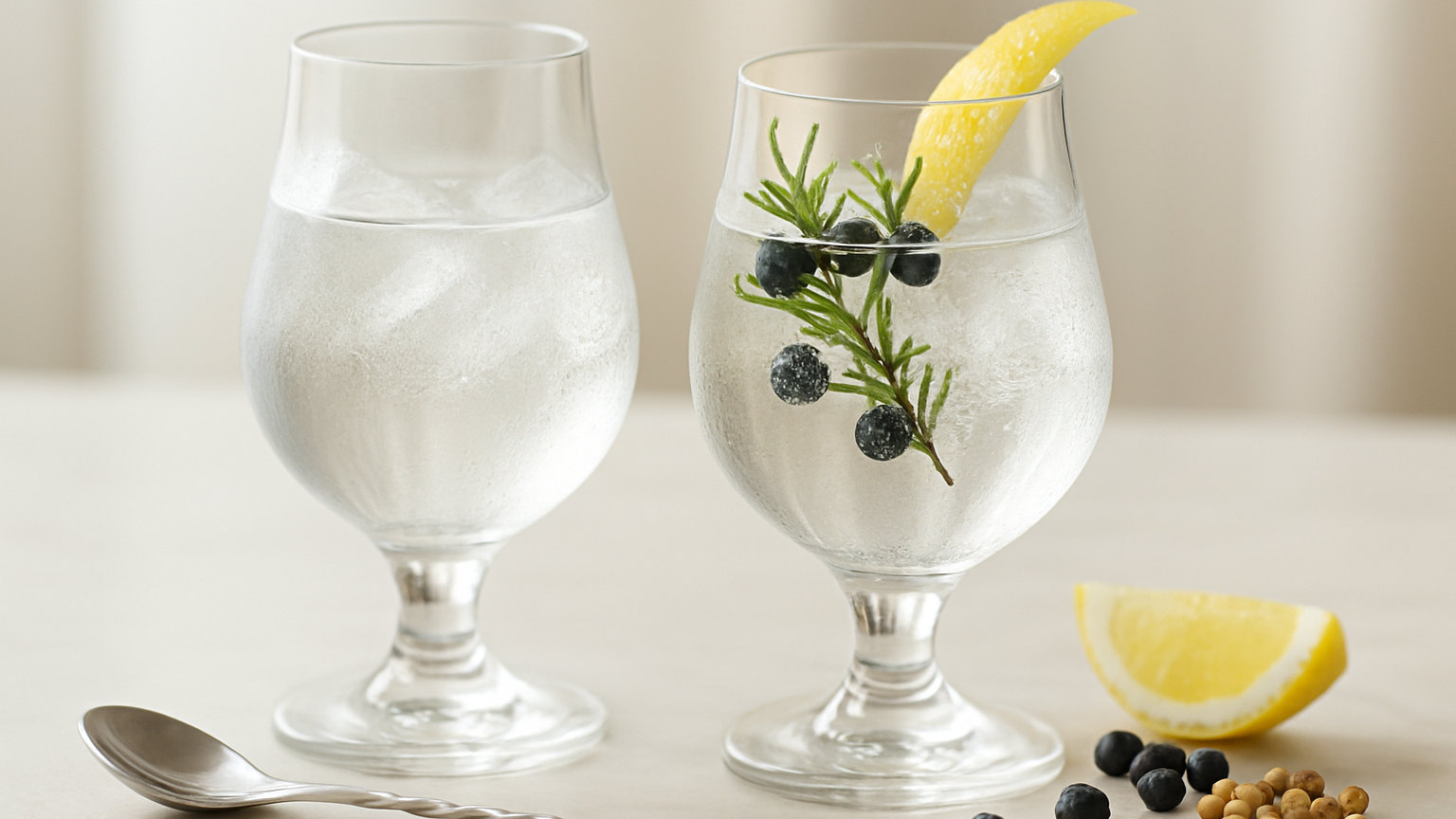
Gin takes that same neutral base and redistills it with botanicals, with juniper legally required to lead. Where vodka producers remove, gin producers add.
This is why the two categories behave so differently on price. With gin, extra money can buy more botanical material, a longer or more careful distillation, and a more distinctive recipe, and you can taste it. With vodka, above a modest threshold, the extra money increasingly buys packaging and marketing, since there is a limit to how neutral a spirit can be made.
Can you taste the difference in a mixed drink?
Immediately, in anything simple. A gin and tonic and a vodka tonic are different drinks: one has pine, citrus and spice pushing against the quinine, the other is essentially cold bitter tonic with alcohol.
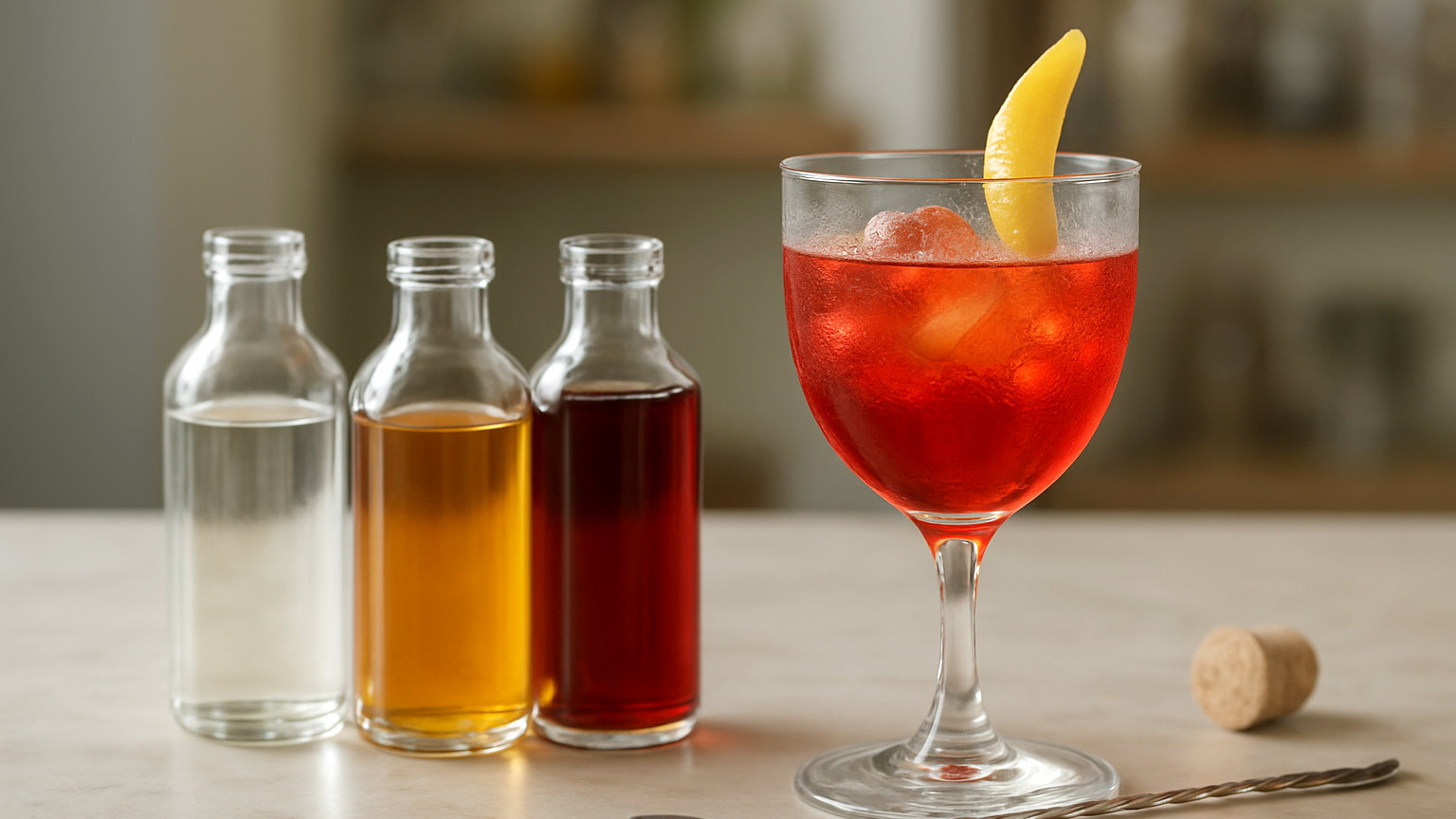
In complicated drinks with several strong ingredients, the gap narrows but never closes. A negroni made with vodka loses the botanical structure that holds it together, which is why the substitution has never caught on despite being easy to make.
Which is better in a martini?
They make two different drinks and both have a fair claim. A gin martini is aromatic and structured, with the botanicals interacting with the vermouth. A vodka martini is colder, cleaner and more textural, with the appeal lying in the mouthfeel and the chill rather than in flavour complexity.
Most bartenders prefer gin because there is more to work with, and most classic recipes assume it. If a vodka martini is what you enjoy, the important variables become the quality of the vodka, the freshness of the vermouth and how cold you can get it.
Which should a beginner buy?
It depends on whether you want the spirit to be noticeable. Vodka is the more flexible mixer, disappearing into fruit juices and soft drinks without arguing. Gin gives you more drinks worth making at home, since the classic cocktail canon leans heavily on it.
If you are buying one bottle for a household, gin usually earns its place better, because a gin and tonic is a complete drink and a vodka and tonic is a compromise. If you buy two, they cover different ground.
What about flavoured vodka?
Flavoured vodka moves towards gin's territory but arrives by a different route. Most is compounded, with flavouring added to finished vodka rather than distilled with it, and much of it is sweetened.
The distinction that matters when reading a label is the same one that applies to gin: whether the flavour was distilled in or stirred in afterwards, and whether sugar has been added. A distilled flavoured vodka and a vodka based liqueur are very different products, and the strength on the label usually gives it away.
Does either one give you a worse hangover?
Both are relatively low in the congeners associated with hangover severity, being clear spirits made from highly rectified alcohol, and neither has a meaningful advantage over the other. Total alcohol consumed, and how quickly, matters vastly more than which of the two bottles it came from.