Porter emerged in London in the early eighteenth century and within a few decades had become the most important beer in the world. It was the first beer brewed on a genuinely industrial scale, and the capital it generated built the great London breweries.
The story usually told about its invention is repeated everywhere and rests on thin evidence.
The three threads story
The account goes that London drinkers favoured a mixture of three different beers, drawn from three casks and combined in the glass, and that a brewer named Harwood created a single beer replicating the blend, calling it entire or entire butt. Because it proved popular with the street porters who carried goods around the city, it took their name.
Beer historians have found little contemporary evidence for it. The account appears to derive from a letter written decades after the events described, and no supporting documentation from the period has emerged.
What the brewing records do show is a more gradual development: a dark brown beer, well hopped and aged, that evolved over time rather than being invented in a single act. The name's connection to porters is plausible enough and also unproven.
What porter actually was
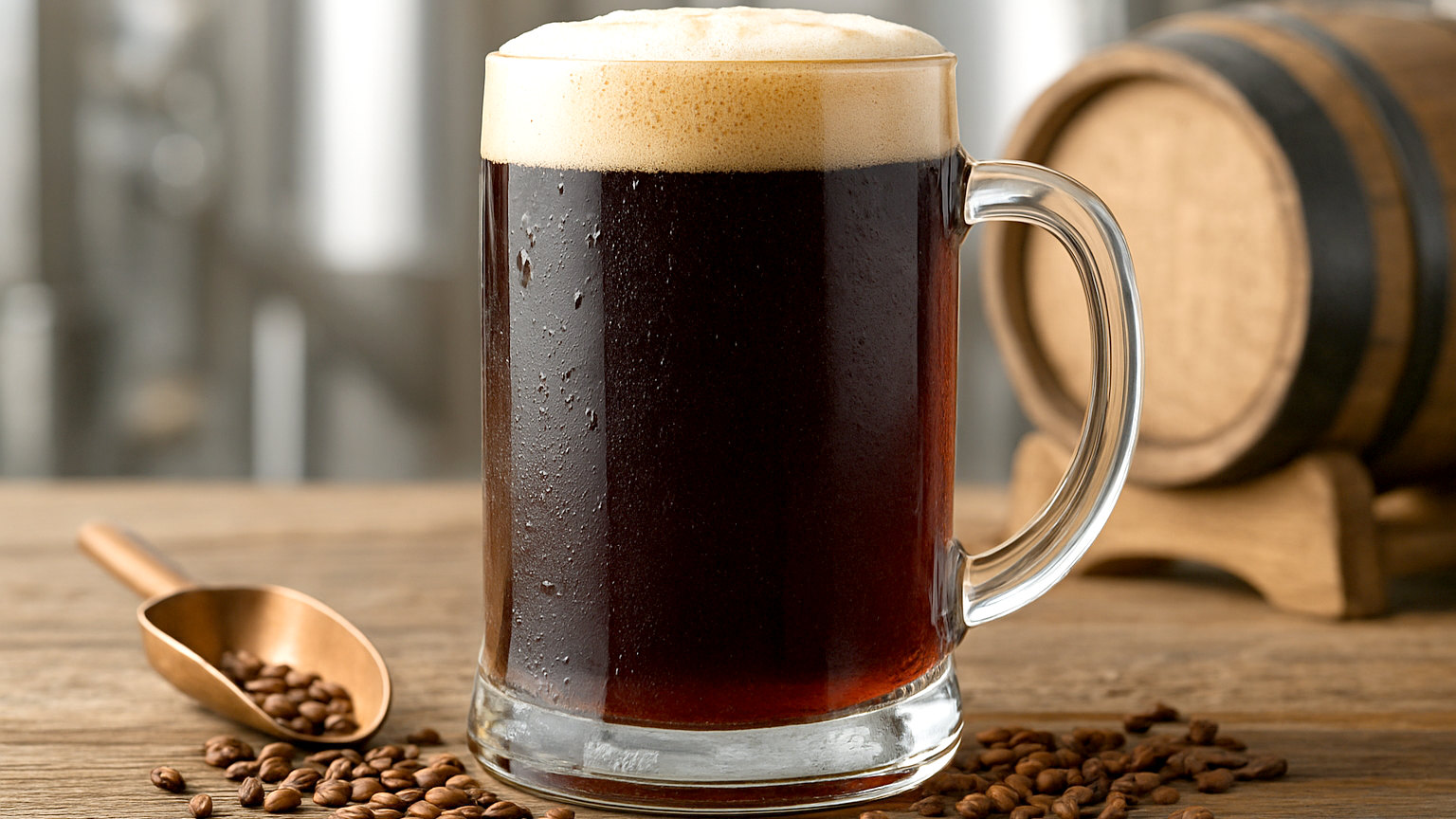
The original was made largely from brown malt, kilned over wood fires, which gave colour, a smoky note and a distinctive flavour. Hops were used generously, since the beer was aged for months and needed the preservative effect.
Maturation happened in enormous wooden vats, and during that time wild organisms in the wood contributed a mild acidity that was considered part of the character. Aged porter was frequently blended with fresh young beer before sale, which is where the blending element of the folklore probably originates.
The vats became a matter of competitive pride, growing to sizes that now seem alarming. One of them failed catastrophically in 1814, flooding a London parish with beer and killing several people, which suggests the arms race had gone beyond what the engineering supported.
Why it mattered commercially
Porter suited industrial production in ways earlier beers did not. It could be brewed in vast quantities, it improved with keeping rather than requiring rapid sale, and its dark colour and robust flavour tolerated variation in ingredients and process.
That combination allowed London brewers to reach a scale nobody had previously attempted, and the largest of them became among the most valuable businesses in the country. The techniques and capital that later industrialised brewing generally were developed to make porter.
It was also exported widely, including to the Baltic and Russia, where the strongest versions gave rise to imperial stout and to Baltic porter.
The decline and revival
Porter declined through the nineteenth and twentieth centuries. Pale ale and then lager took its market, changes in malting made brown malt less economic, and wartime restrictions on ingredients accelerated the process. By the middle of the twentieth century it had essentially vanished from Britain.
Ireland kept stout alive, which preserved the family, and the revival of porter came from American craft brewers in the 1970s and 1980s who worked from historical descriptions rather than from surviving examples.
The modern beer is a reconstruction rather than a continuation, which is worth knowing. Present-day porter is generally made with chocolate and black malts rather than the wood-kilned brown malt of the original, and it is not aged in vats or blended with soured beer.
What survives
A handful of historically minded brewers have attempted authentic recreations, using period recipes and sometimes wood ageing, and the results are noticeably different from a modern porter: drier, smokier and with a faint tartness.
For a drinker, the useful point is that porter's history explains its character. It was built to be brewed enormous, aged long and sold cheap, and the robustness that made that possible is still what the style offers: a dark beer with real depth at a strength you can drink more than one of.