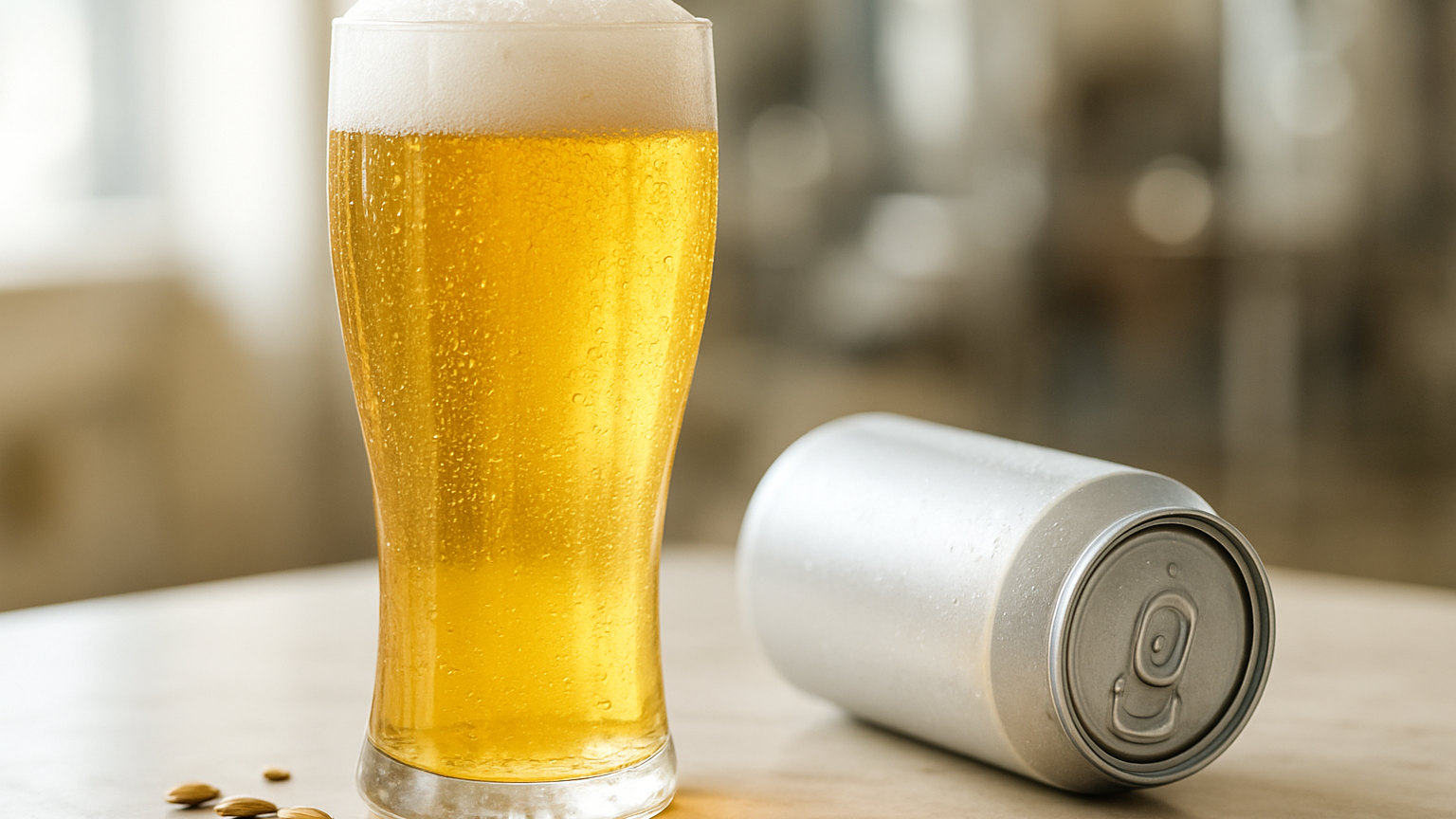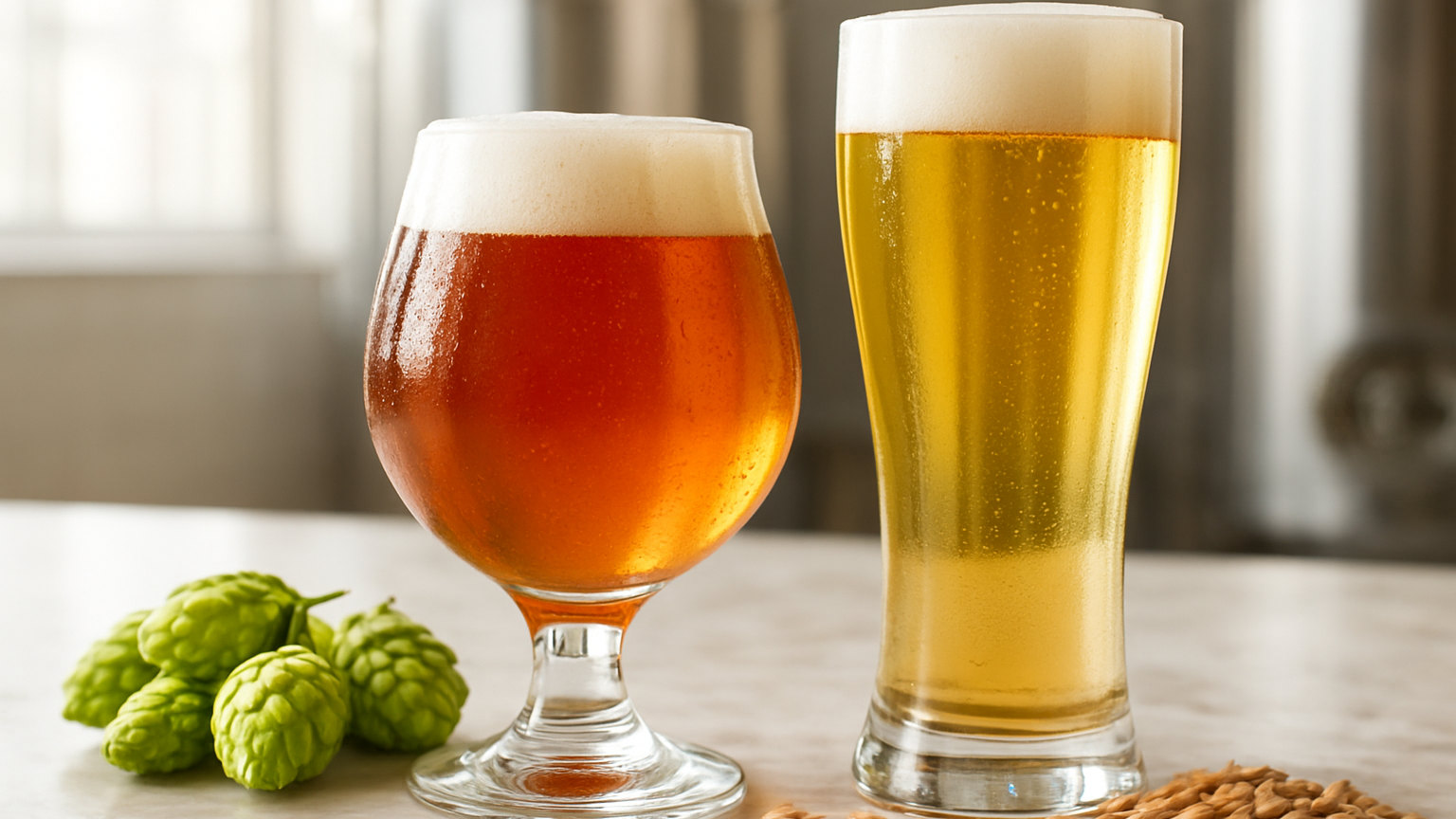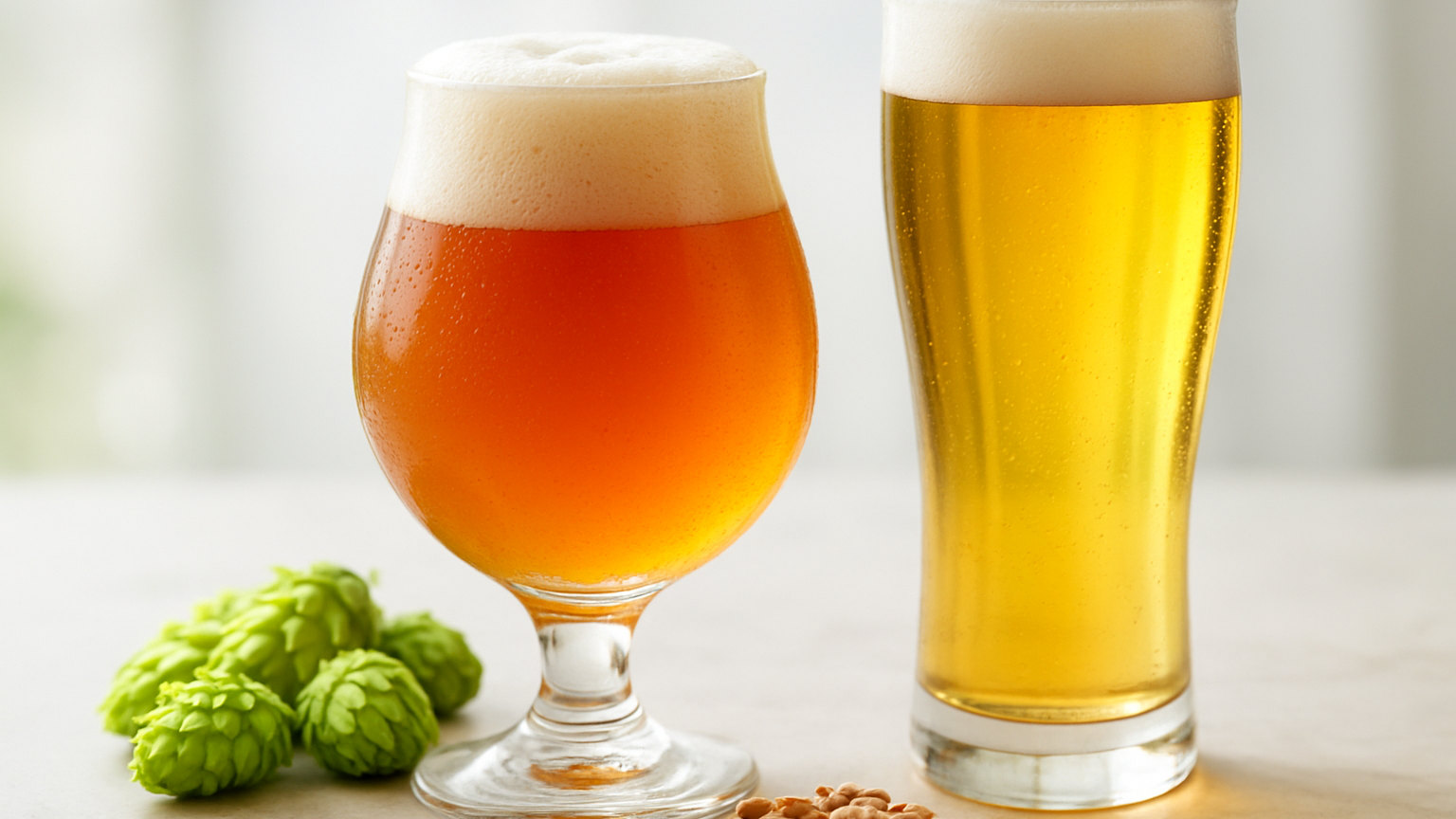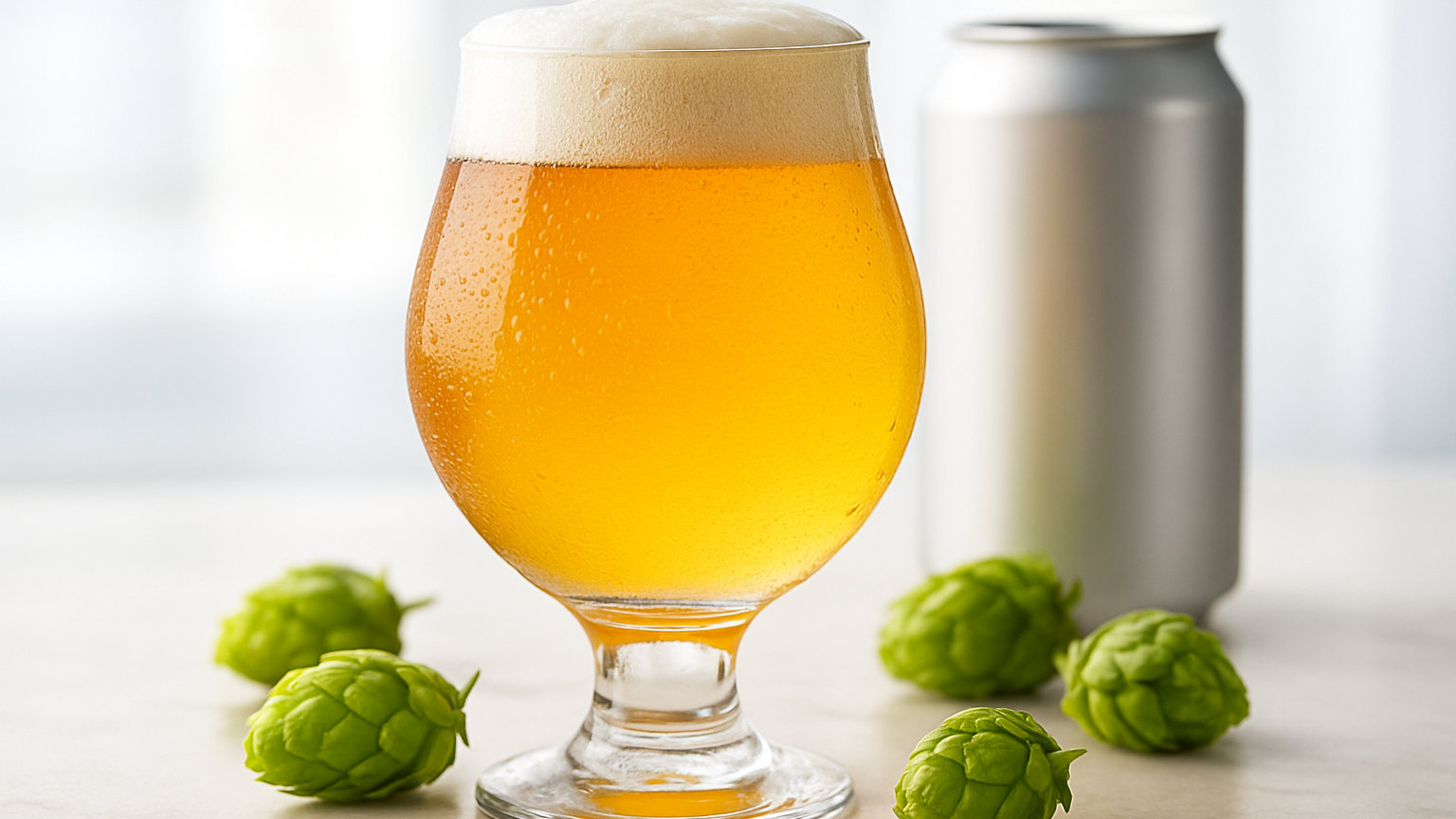
Session IPA is a modern category with an old idea behind it: a beer at a strength you can drink more than one of, carrying the hop character of something considerably stronger. It generally sits between about three and a half and four and a half per cent.
The term borrows from British session drinking, where beers under about four per cent supported an evening in the pub. What is new is applying that constraint to a style built on intensity.
Why it is technically difficult
Alcohol contributes body, sweetness and mouthfeel. Remove most of it and the beer has considerably less structure to support the hops, which creates two connected problems.
The first is thinness. Without malt sweetness or alcoholic weight, the beer can taste watery, and hop aroma sitting on top of a thin base reads as disconnected rather than integrated.
The second is harshness. Bitterness that would be balanced in a six per cent beer becomes aggressive in a four per cent one, since there is less sweetness offsetting it. A session IPA hopped like a standard IPA tastes sharp and astringent.
Brewers address these by mashing at higher temperatures to leave more unfermentable sugar for body, using oats or wheat for texture, restraining kettle bitterness while dry hopping generously, and choosing yeast strains that leave a fuller finish.
When it works
A good session IPA is genuinely useful. It offers the aromatic pleasure of modern hops at a strength that suits a long evening, a warm afternoon or a weekday, and it fills a gap between mass market lager and full-strength craft beer.
The best examples have real body despite the strength, aroma that arrives before the bitterness, and a clean finish that leaves you wanting another. That combination is difficult and worth paying for.
When it does not
The category also contains a good deal of thin, harsh beer. A session IPA that tastes like a full-strength IPA with water added has been made by simply reducing the malt bill, and the result is hollow.
Aroma also fades faster in a lighter beer, since there is less body holding it, so a stale session IPA is particularly unrewarding.
The honest position is that the category is more variable than most, and price is a poor guide, since these beers are frequently sold at similar prices to stronger ones despite containing less of everything.
The comparison with traditional session beer
British brewing solved this problem a century ago from a different direction. Ordinary bitter at three point eight per cent, and mild at three and a half, are session beers built on malt character and restrained hopping rather than on hop aroma.
They achieve drinkability through balance rather than through intensity, and a well made bitter at that strength is frequently a more satisfying third pint than a session IPA.
Which you prefer depends on what you want from the beer. Session IPA offers modern aroma and a lighter, drier profile. Traditional session ale offers malt depth and a softer texture. Both are answers to the same question.
How to buy one
Check the date, since freshness matters more here than in stronger beers. Look for oats or wheat mentioned, which usually indicates the brewer has thought about body. And be suspicious of anything advertising very high bitterness at low strength, which is a recipe for harshness.
If a session IPA tastes watery, the fault is usually the beer rather than the category, and a well made example is a different proposition entirely.
The wider low-alcohol picture
Session IPA now sits alongside a growing range of lower-strength options, including beers at two and three per cent and alcohol-free versions that have improved considerably in recent years.
The techniques overlap. Body from oats and wheat, restrained bitterness and generous dry hopping are used across all of them, and a brewery competent at session IPA is generally competent at the weaker categories too. For anyone moderating rather than abstaining, the four per cent band remains the easiest place to find beer that tastes complete.