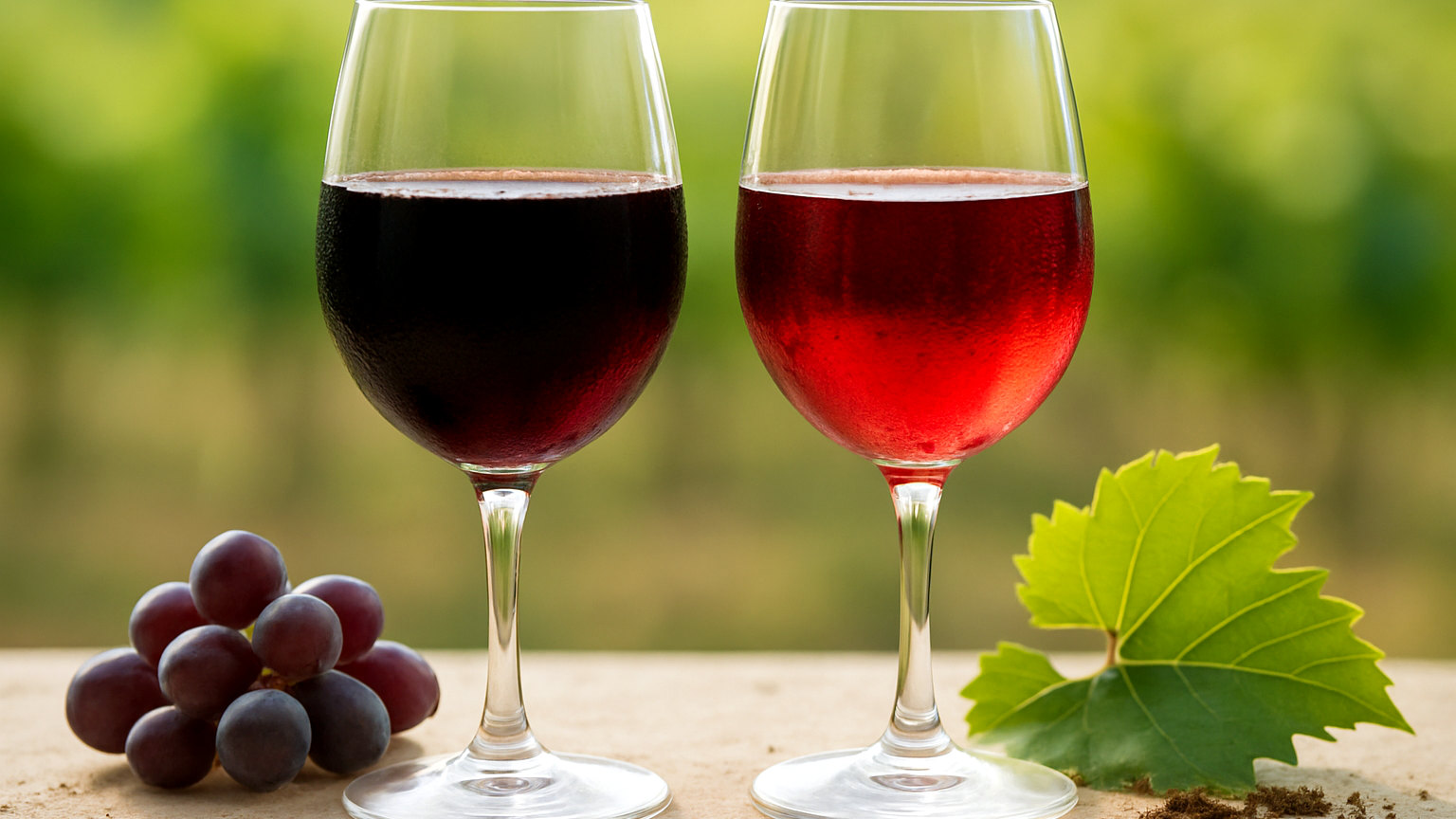
A bottle of Chilean merlot and a bottle of red Bordeaux made largely from merlot contain wine from genetically identical plants. Put them side by side and most people would not guess they were related. One tastes of ripe plum and chocolate and feels soft and generous; the other is leaner, more savoury, with earth and tobacco alongside the fruit and a firmer structure.
Understanding why this happens is arguably the single most useful thing a wine drinker can learn, because it converts the confusing wall of labels in a supermarket into something with an internal logic. The grape tells you the raw material. The place tells you what was done with it, and the two together predict the bottle far better than either alone.
Ripeness changes everything
The dominant variable is how far the grapes ripened before picking, and that is largely decided by climate. In a warm region with reliable sunshine, grapes accumulate a great deal of sugar and lose acidity as they hang on the vine. The resulting wine is higher in alcohol, fuller in body, softer in acidity, and tastes of riper, darker, sweeter fruit.
In a cool region, the grower is working at the edge of what will ripen at all. Sugar levels stay lower, acidity stays high, and the fruit flavours are fresher and redder rather than black and jammy. The wine is lighter, sharper and often more savoury, with herbal or earthy notes that a riper version would bury. Neither approach is a compromise. Both are the honest expression of somewhere.
What Old World and New World actually mean
These terms get used as though they described quality, which they do not. Old World means the traditional European producing countries; New World means everywhere else, principally the Americas, Australasia and South Africa. The distinction is partly geographical and partly a difference in outlook.
European wine law generally ties a region to particular grapes, yields and methods, which is why a French label often names a place rather than a variety and assumes you know what grows there. New World producers, working without those constraints, label by grape and have historically pursued ripeness, fruit purity and consistency. The result is a broad pattern where European wines lean savoury and structured while New World wines lean fruit-forward and generous.
The pattern is weakening. Cooler New World regions now make restrained, savoury wines, and warming European summers have pushed some classic areas towards riper styles than they produced thirty years ago. As a rough guide it still works; as a rule it no longer does.
The decisions people make
Climate sets the raw material, and human choices amplify the differences. Yield matters: a vine carrying a heavy crop produces more dilute fruit than one that has been pruned back hard. Oak regimes differ by tradition, with some regions using large old barrels that add nothing but slow oxidation and others using new small barrels that add vanilla and spice.
Picking dates are perhaps the most consequential decision of all. Two growers in the same village, harvesting a fortnight apart, will produce noticeably different wines from the same grape on the same soil. Wine writing tends to attribute all of this to terroir, which is a real and useful concept, but a good deal of what tastes like place is actually accumulated local habit about when to pick and what to put the wine in afterwards.
How to use this in a shop
Once you know a grape you like, treat the country as a dial for style rather than a mark of quality. Wanting something softer and riper points towards Argentina, Australia or Chile. Wanting something leaner, more savoury and better suited to food points towards France, Italy or Spain.
The most instructive purchase you can make is two bottles of the same grape from opposite ends of that range, opened on the same evening. It costs the price of a takeaway and teaches you something no amount of reading conveys.