
Pinot noir has a reputation as the grape that breaks growers' hearts, and while that is the kind of phrase wine writing produces too easily, in this case it is close to literally true. Almost every characteristic of the plant makes it harder to farm than its main rivals, and the economics of the finished wine follow from that directly.
It is an ancient variety, genetically unstable, which means it mutates readily and has produced hundreds of distinct clones over the centuries. That instability is part of what makes it interesting and a large part of what makes it inconsistent.
Everything about the plant is inconvenient
The skins are thin, which gives the pale colour and low tannin that define the wine and also leaves the fruit vulnerable to rot in wet weather. The bunches are tight and compact, so once rot begins it spreads through a cluster quickly. The vine buds early, which exposes it to spring frost in exactly the cool regions where it performs best.
Yields must be kept low or the wine becomes dilute and characterless, and pinot dilutes more readily than thicker-skinned varieties. It is also fussy about site to a degree that other grapes are not, performing well on particular slopes and soils and producing something dull a few hundred metres away. Growers in Burgundy have spent centuries mapping exactly which parcels work, which is why the region is divided into such small, obsessively defined plots.
What it tastes like when it works
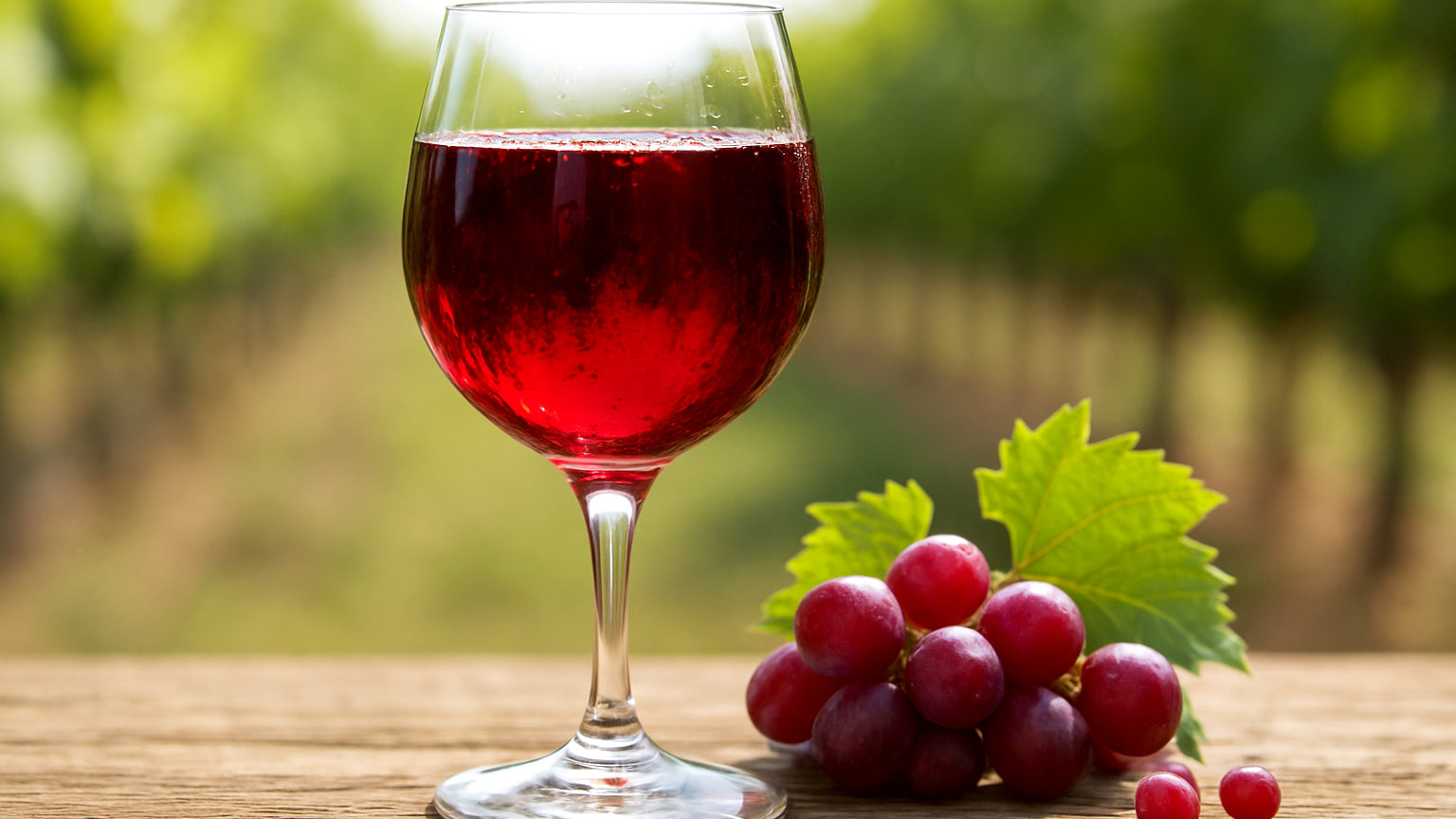
Pale ruby rather than deep red, light to medium bodied, low in tannin and high in acidity. The fruit is red rather than black: cherry, raspberry, cranberry, sometimes strawberry. Underneath sits something savoury and earthy that develops with age into mushroom, forest floor, game and dried leaves.
The appeal is texture and perfume rather than power. A good pinot is silky and aromatic and can be extraordinarily complex while remaining light on its feet, which is precisely the combination that is hard to achieve and easy to lose. A poor one is thin, sour and hollow, and pinot at low prices is thin far more often than it is anything else.
Why the prices are what they are
Low yields mean fewer bottles from the same land. Vineyard land in the Côte d'Or is among the most expensive agricultural land on earth, and holdings are tiny, often fragmented between many owners through generations of inheritance. A famous vineyard may be divided among a dozen growers each making a few barrels.
Add global demand for a small quantity of wine from a fixed area and the prices at the top are inevitable. What is more useful to know is that this logic applies to Burgundy specifically rather than to the grape everywhere.
Where to find it without paying Burgundy prices
Pinot noir needs a cool climate, and a number of regions provide one at far lower land costs. New Zealand, particularly Central Otago and Martinborough, makes vivid, fruit-forward pinot with real structure. Oregon's Willamette Valley produces a style closer to Burgundy than most. Chile's cooler coastal areas, parts of South Africa, Germany, where the grape is called spätburgunder, and increasingly southern England all make credible versions.
Within France, the Hautes-Côtes appellations and Burgundy's outlying villages offer the regional character at a fraction of the famous names, and Alsace and the Loire both grow it.
The one piece of buying advice worth following is not to go cheap. Below about twelve pounds, pinot noir is usually made from high-yielding fruit in warm places where it should not really be planted, and the result is a wine with none of the qualities that make the grape worth pursuing. Spending fifteen pounds on pinot is a better decision than spending fifteen pounds on almost anything else, precisely because the cheap end has so little to offer.
The reward for that extra spending is a wine that does something no other red does. Pinot's combination of lightness and complexity means it works at the table where heavier reds struggle, partnering salmon, duck, mushrooms, roast chicken and charcuterie with equal ease. It is the red wine to bring when you do not know what is being served.


