A wine label is a legal document dressed up as marketing, and the useful information is generally in the least decorative part of it. The difficulty for most buyers is that two completely different labelling philosophies sit side by side on the same shelf.
The two systems
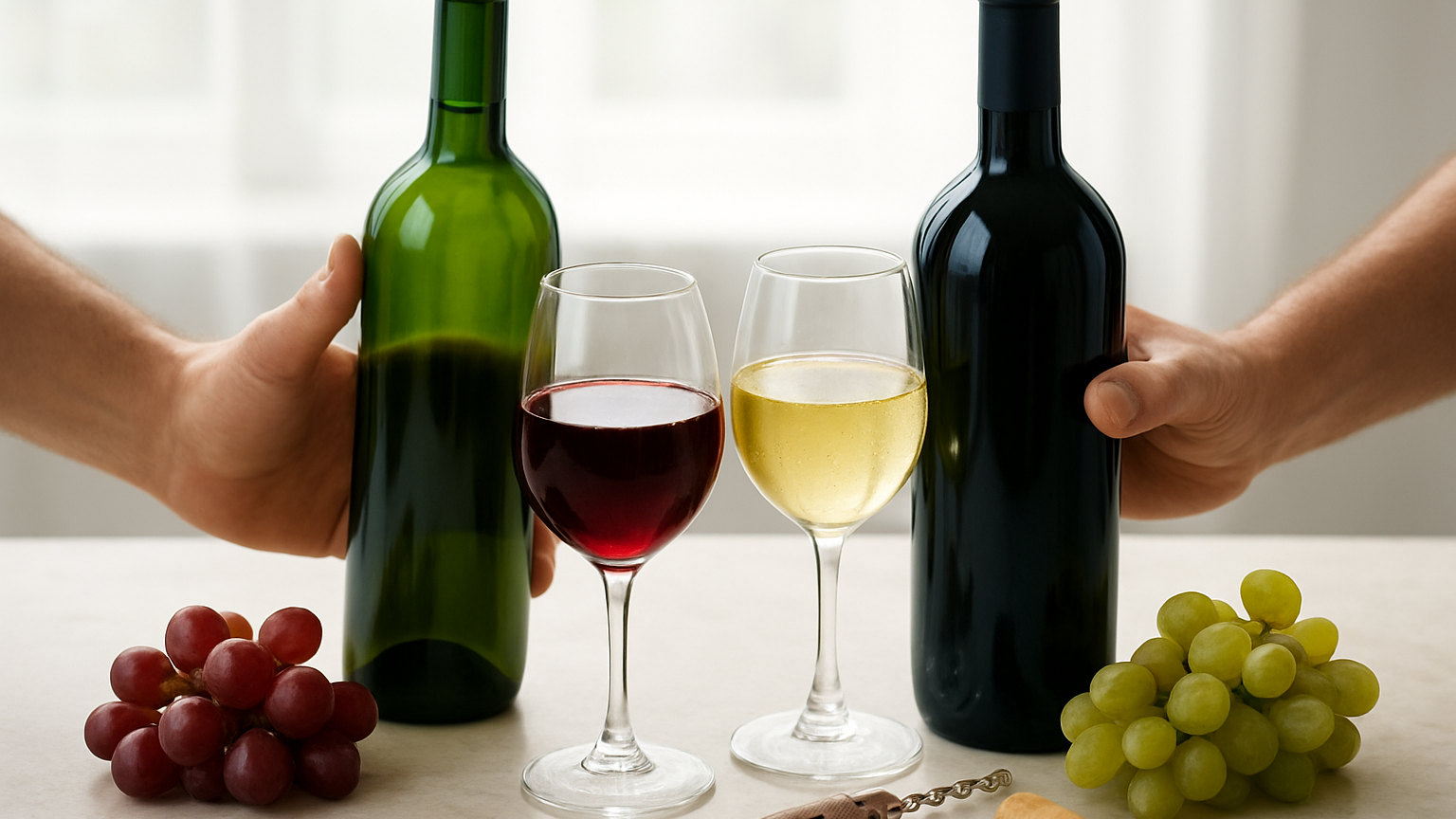
European labels are built around place. A bottle says Chablis, Rioja or Barolo and assumes you know that these mean chardonnay, tempranillo and nebbiolo respectively. The logic is that the place determines the permitted grapes, yields and methods, so naming the place tells you everything at once, provided you already know the code.
New World labels are built around grape. A bottle says sauvignon blanc or malbec, usually with a region as secondary information. The logic is that the buyer wants to know what they are drinking without needing a reference book.
Neither system is superior, and both are converging as European producers add grape names for export and New World producers emphasise specific sites. But the split explains why one shelf seems legible and the other opaque.
What is legally required
Certain information must appear. The alcoholic strength, the volume, the country of origin, the importer or bottler, and an allergen declaration, which for wine means the phrase about sulphites that appears on virtually every bottle.
The alcohol figure is the most useful of these and the most overlooked. It predicts body, it hints at climate and ripeness, and in some categories it indicates sweetness, since a low-alcohol riesling has retained sugar the yeast did not convert.
Terms that mean something
Vintage indicates the harvest year, and in cool marginal regions it matters considerably. In consistent warm climates it matters less.
Estate bottled, mis en bouteille au château or au domaine indicates the wine was made and bottled by the grower rather than sold in bulk to a merchant. It is a real distinction and generally a positive signal.
Single vineyard designations, where regulated, indicate fruit from one named site. Old vines, or vieilles vignes, is unregulated in most places and means whatever the producer wants, though it is often honest.
In Spain and Italy, ageing terms are legally defined. Rioja's crianza, reserva and gran reserva specify minimum periods in barrel and bottle, and Italian riserva likewise carries a legal minimum that varies by appellation. These are among the few genuinely informative words on a European label.
Terms that mean nothing
Reserve, in most of the world, is unregulated. An American or Australian wine labelled reserve may be the producer's finest bottling or their standard wine in a different livery, and there is no way to tell from the word alone. The Spanish and Italian equivalents are the exception rather than the rule.
Vintners blend, winemaker's selection, private cellar and similar phrases are marketing constructions with no definition anywhere.
Handcrafted, artisan and small batch have no legal meaning in wine, as in most drinks categories.
Where the real information hides
The back label frequently carries more useful content than the front, including the importer, which is worth noting because good importers have consistent taste and finding one you trust is a shortcut to finding wine you like.
Look also for the bottler's address and any code indicating who physically produced the wine, which for own-label supermarket bottles will identify a producer whose own-name wines you may already know.
The practical habit worth adopting is to turn every bottle round before buying. Thirty seconds spent on the back label, checking alcohol, importer and any ageing statement, is a better use of attention than the front, which was designed to make you pick it up rather than to tell you anything.
The tasting note on the back
Back label descriptions are written by marketing departments rather than by the winemaker, and they follow predictable patterns. Almost every red is described as smooth with notes of dark berries, and almost every white as crisp and refreshing.
Two things in them are worth reading. Any mention of oak, barrel fermentation or lees ageing indicates a genuine production decision, and any food pairing suggestion usually reflects the producer's own regional tradition, which is a reasonable guide even when the rest of the paragraph is filler.