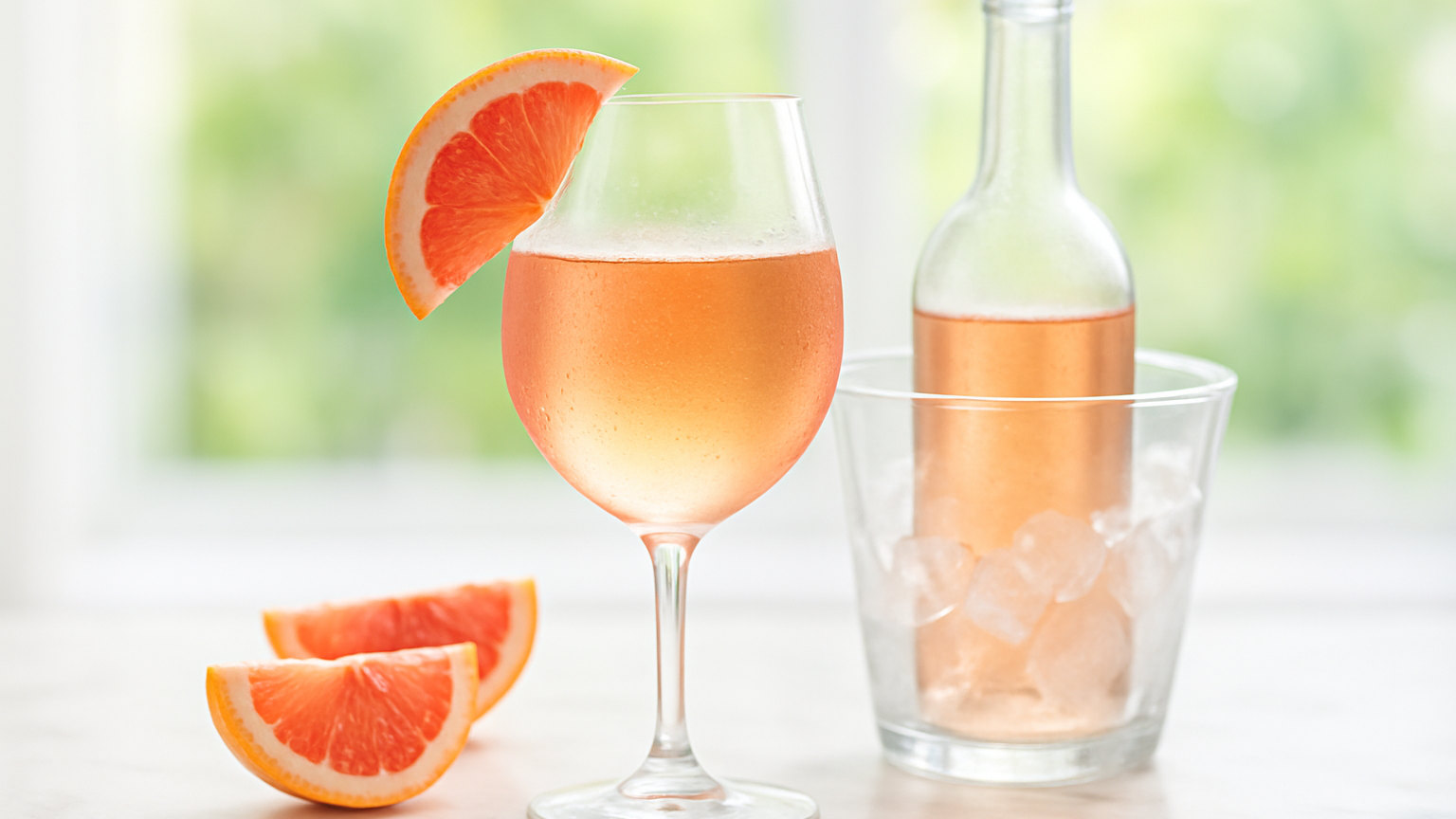
Rosé is treated as a wine that cannot be too cold. It comes out of the fridge, goes into an ice bucket and stays there, and by the second glass it is colder than when it was poured. For a simple, inexpensive bottle that is fine. For anything with character it is a waste.
Cold does two things to wine. It suppresses aromatics, because the volatile compounds that reach your nose evaporate more slowly at low temperature. And it sharpens the perception of acidity while dulling the perception of fruit and sweetness.
The range that works
Between about eight and twelve degrees covers all rosé, and where a particular bottle sits within that band should follow its weight.
Light, pale, delicate wines belong at the cooler end, around eight to ten degrees. Provence-style rosé, cheap everyday bottles and anything drunk as an aperitif in warm weather are best here, since freshness is what they offer.
Fuller, deeper wines want ten to twelve. Tavel, Bandol, Spanish rosado, Italian cerasuolo and any rosé that has seen oak or lees ageing all show considerably more at this temperature, and serving them at fridge temperature flattens the texture and complexity you paid for.
Almost nothing benefits from being colder than eight degrees, which is roughly where a domestic fridge will leave a bottle after several hours.
Getting there in practice
Two hours in a fridge brings a bottle from room temperature to around eight degrees. That is the right point for a simple wine and slightly too cold for a serious one, which is why the practical instruction for a better bottle is to take it out fifteen or twenty minutes before pouring.
For rapid chilling, ice and water in a bucket works in fifteen minutes and is far quicker than ice alone, since water contacts the whole surface of the bottle. A handful of salt speeds it further.
The freezer works in about twenty minutes and needs a timer, because a forgotten bottle will freeze and either push the cork out or crack.
The ice bucket problem
Leaving a bottle in ice and water throughout a meal is the most common error, and it is one restaurants make constantly. The bottle continues cooling towards zero, and by the middle of the meal the wine is well below its useful range.
The better approach outdoors is to chill the bottle properly, then take it out and leave it on the table, returning it to the bucket only if the day is genuinely hot. Indoors, a bottle out of the fridge will hold a reasonable temperature for the length of a meal without any bucket at all.
Glass size and handling matter too. A large bowl warms wine quickly in a warm hand, so holding the stem is genuinely useful rather than a nicety, and pouring smaller measures more often keeps the wine in range.
Why the habit persists
There is an uncomfortable truth behind the convention. Very cold serving hides shortcomings as effectively as it hides virtues, muting the flat or coarse character of a poor wine along with everything else.
For a cheap bottle at a party that is a legitimate tactic rather than a failure. For a bottle chosen with any care it works against you, and the simplest way to get more from rosé without spending more is to let it warm up slightly before drinking.
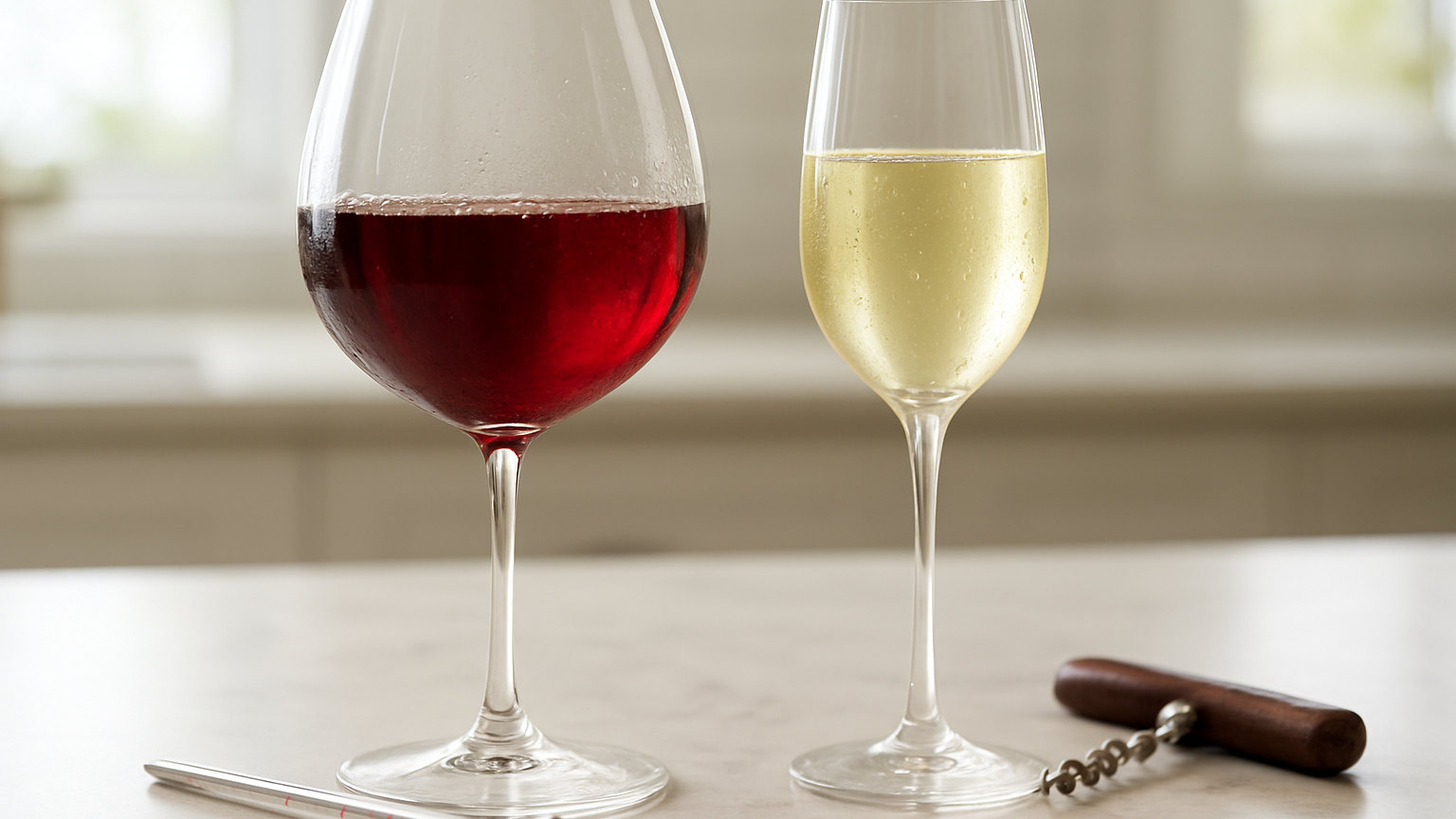
Pour two glasses from the same bottle, leave one to sit for fifteen minutes and taste them side by side. The warmer glass will show noticeably more aroma and fruit, and after that the twenty minutes on the counter stops feeling like an inconvenience.
What about outdoors
Warm weather complicates everything, since a glass poured at nine degrees in full sun can be at sixteen within ten minutes. The answer is not to chill the bottle harder but to pour smaller measures more often, keeping the bulk of the wine cool in a bucket or a cool bag while the glass in your hand stays modest.
Insulated bottle sleeves work well for picnics and cost very little, and they solve the problem more elegantly than trying to compensate with an over-chilled starting temperature.