How Do You Prepare Garnishes in Advance?
Some garnishes can be cut hours ahead and some lose their point within thirty minutes, and knowing which is which determines how a party runs.
By Simply Alcohol Team
4 May 2026

Technique is the cheapest upgrade available. A better bottle costs money; better ice, an accurate measure and knowing whether to shake or stir cost nothing and make more difference. These guides cover the kit worth owning, the method behind it, and the practical measuring that everything else depends on.
Some garnishes can be cut hours ahead and some lose their point within thirty minutes, and knowing which is which determines how a party runs.
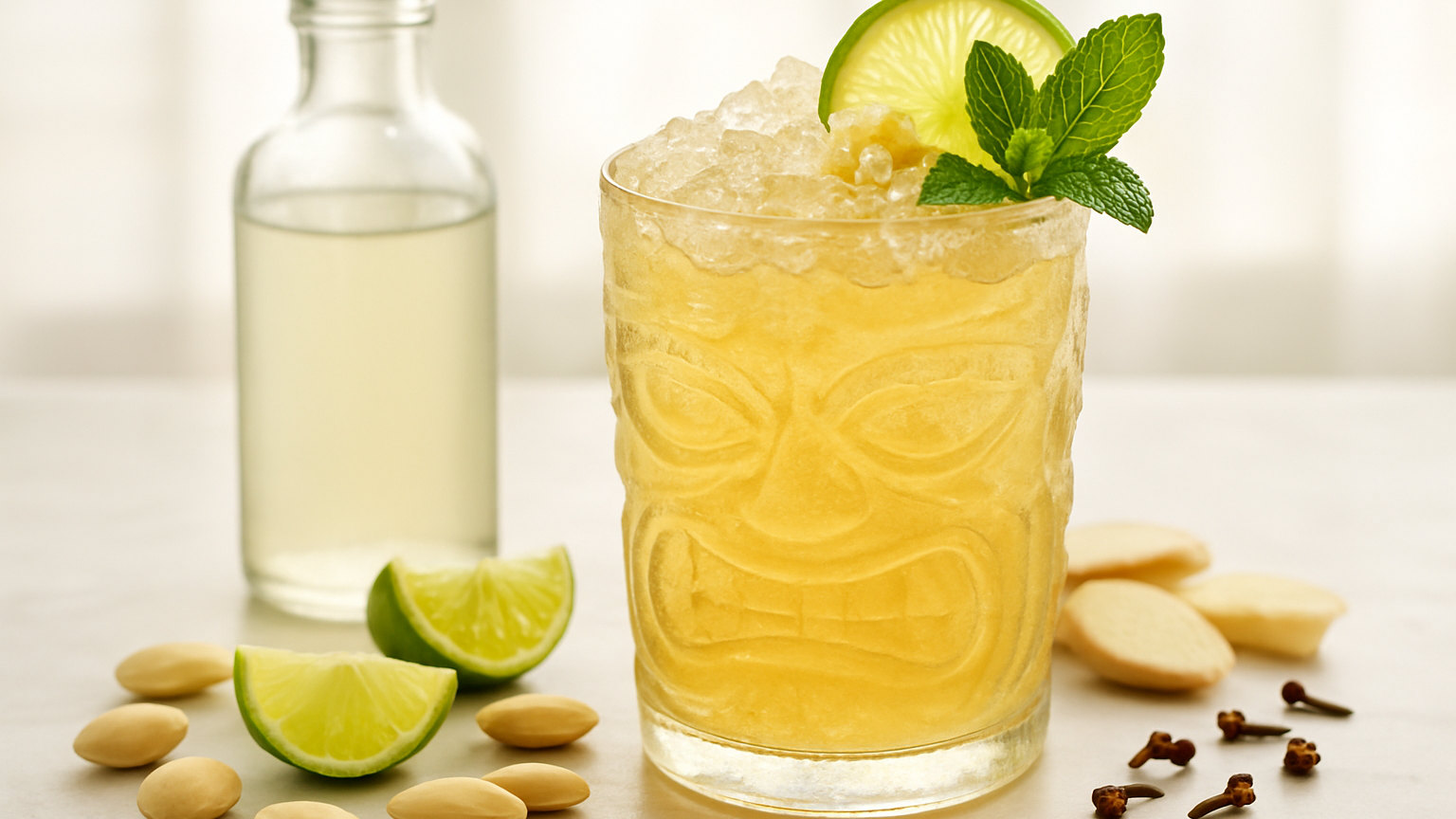
A Caribbean syrup of lime, ginger, almond and clove that exists in both alcoholic and syrup forms, and it is the most useful bottle in tiki drinking.
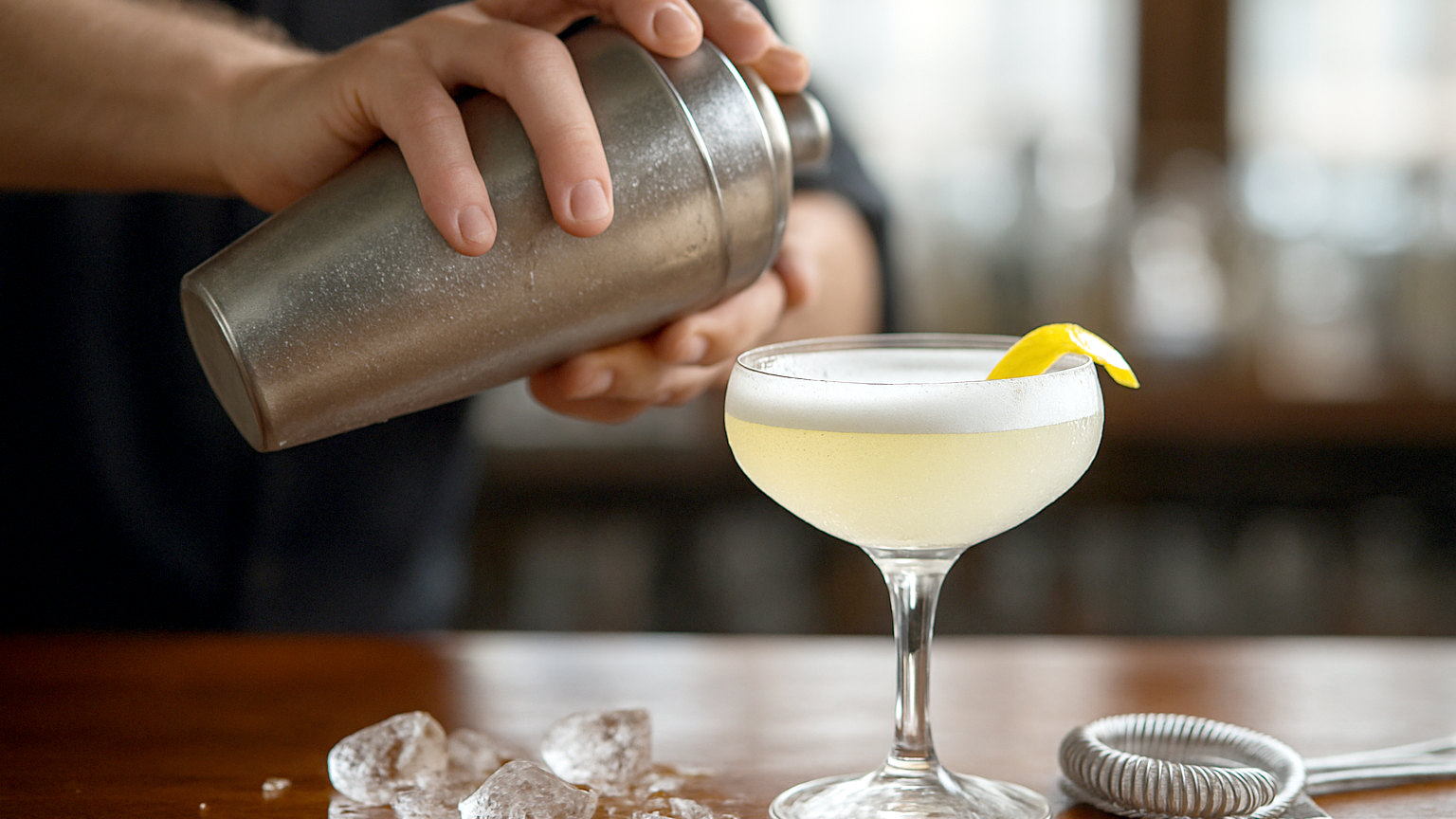
A Japanese shaking technique with a devoted following and a contested basis, and the arguments on both sides are worth understanding.
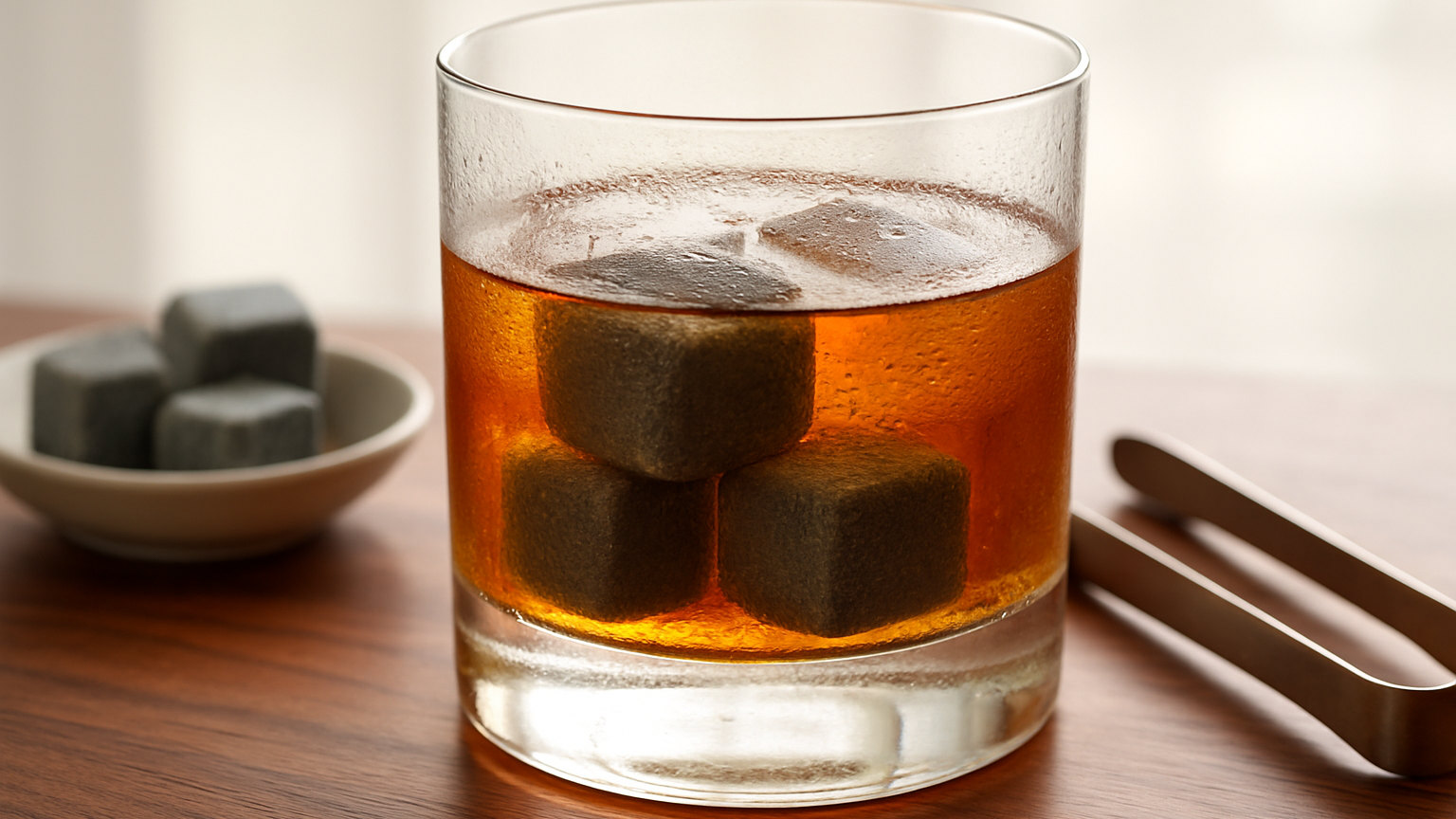
Chilling a drink without dilution sounds appealing and the physics does not support it. The reason is the same one that makes ice effective in the first place.
For any drink served without ice, the glass is the only thing keeping it cold, and thirty seconds of preparation changes how the last third tastes.
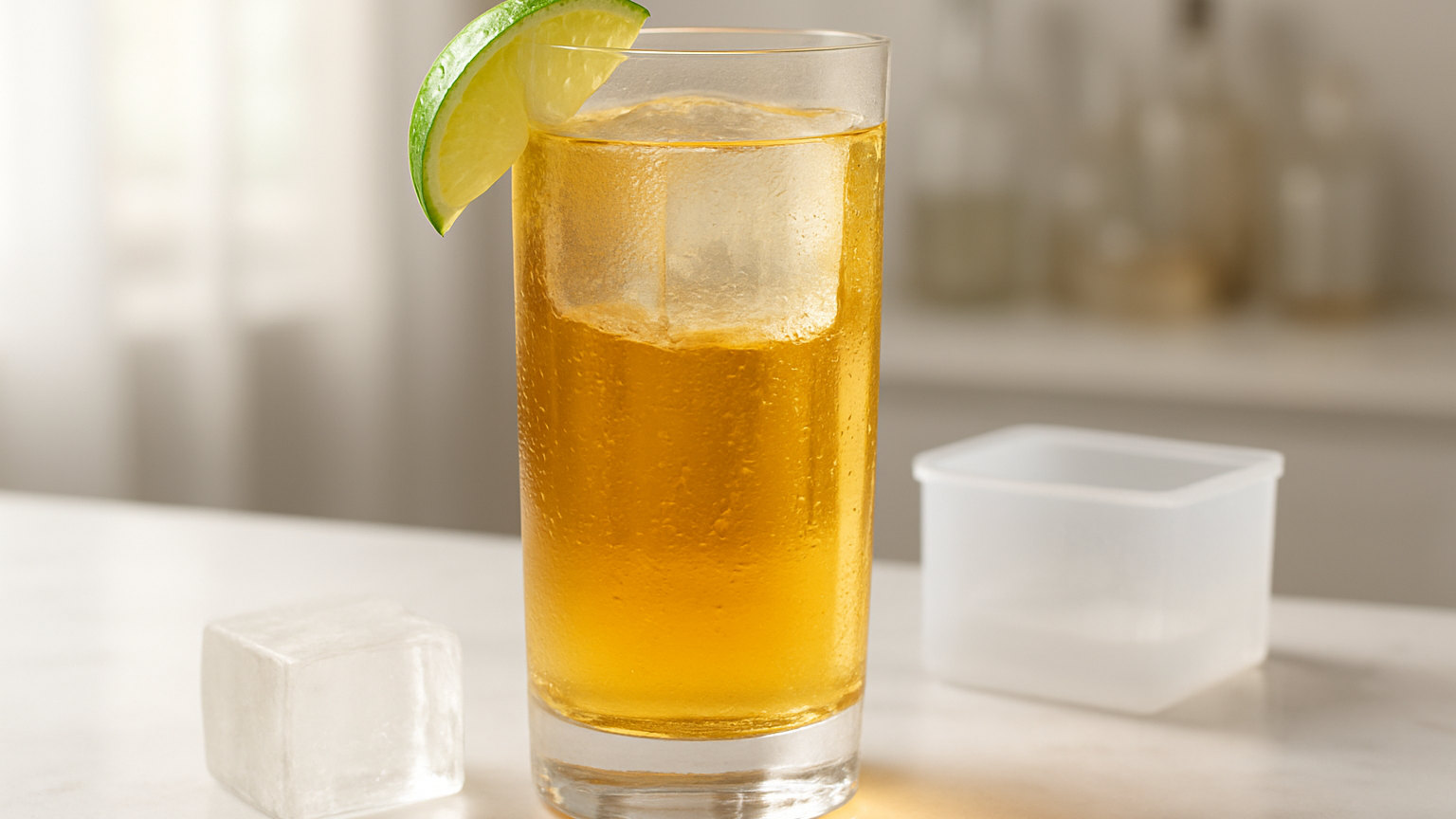
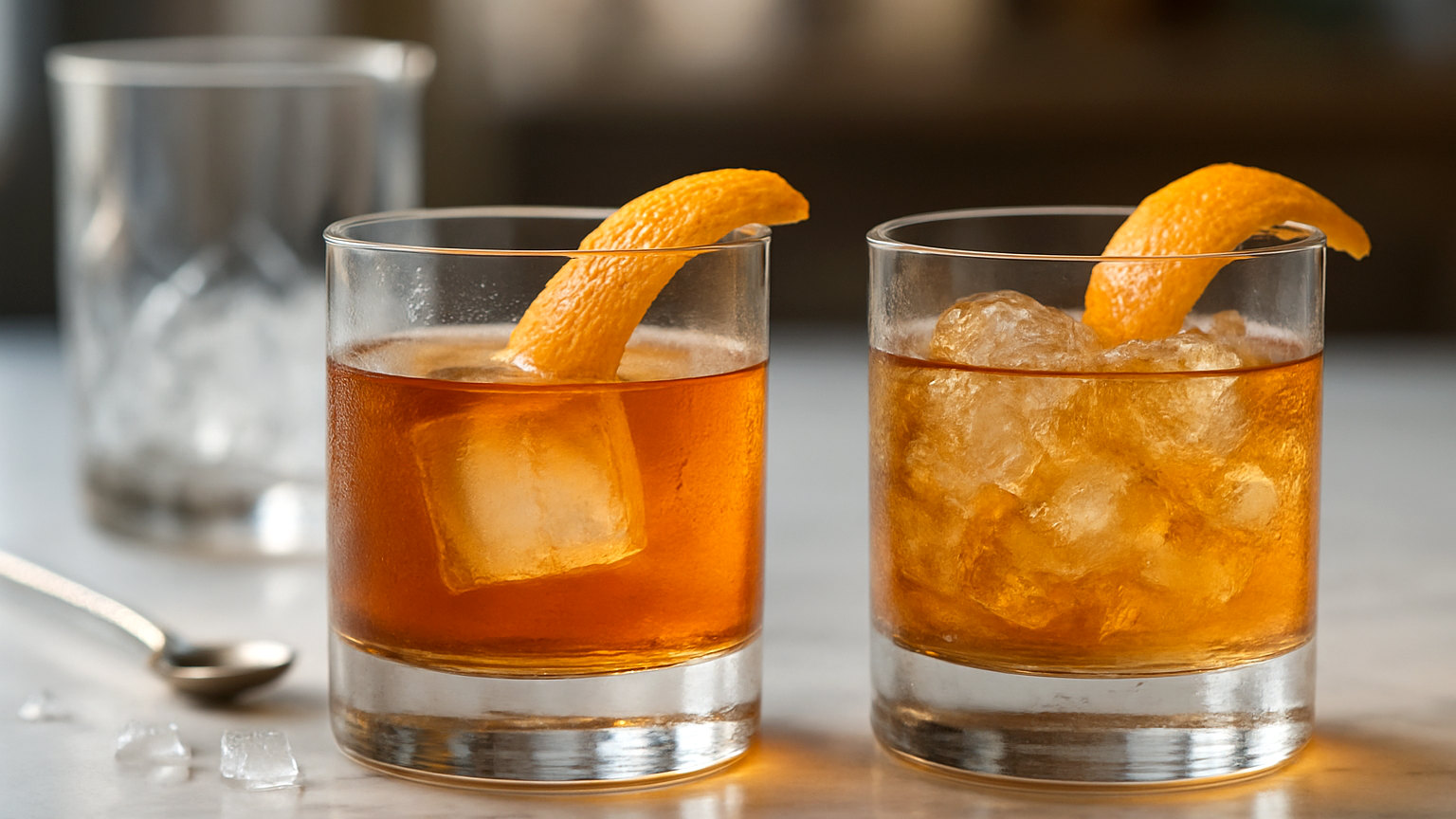
Ice affects a drink more than most ingredients and costs almost nothing to improve. One silicone mould does most of the work.
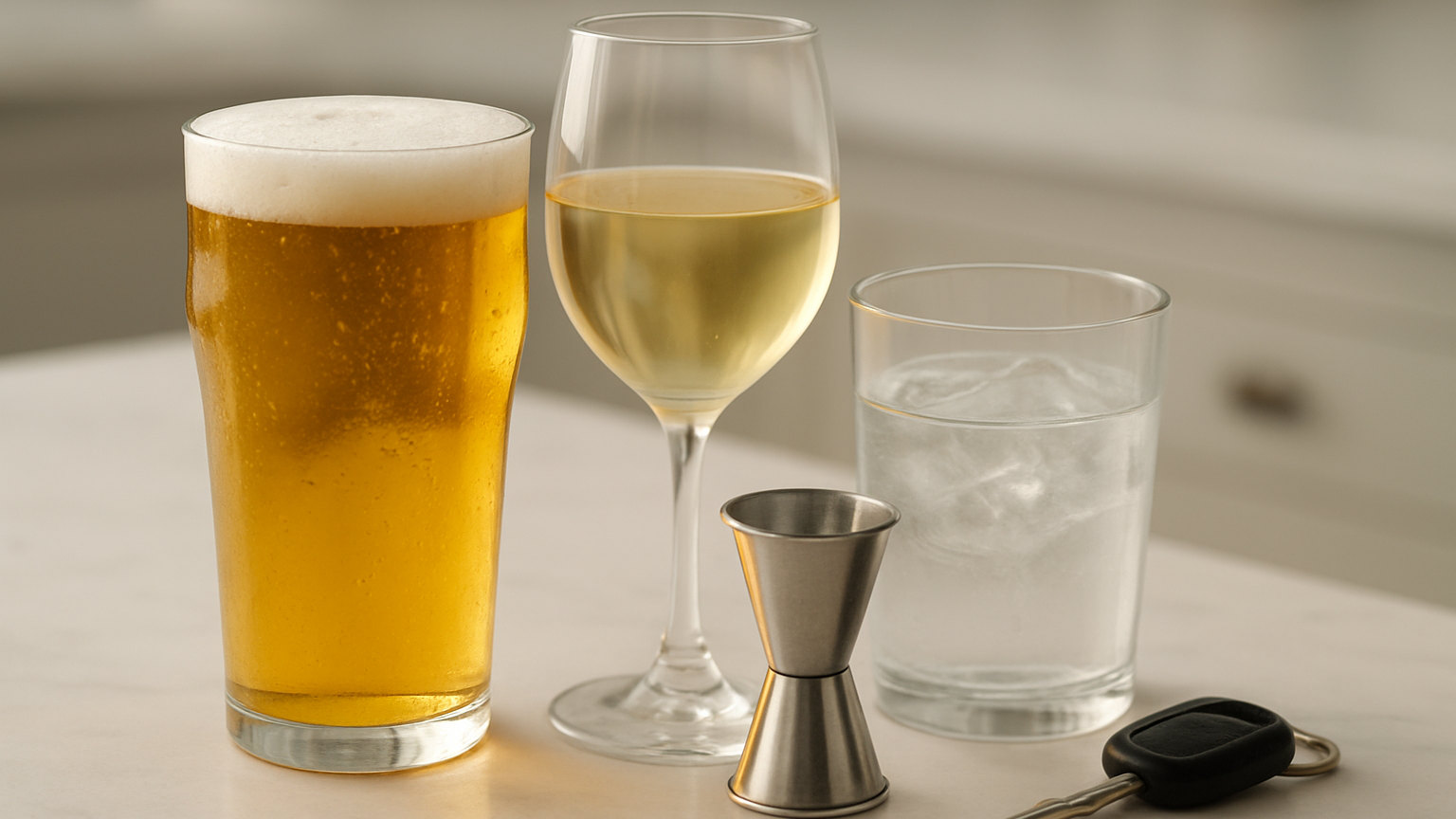
There is no reliable way to calculate your own blood alcohol level, the variables involved differ between people and between occasions, and the limits are not the same across the UK.
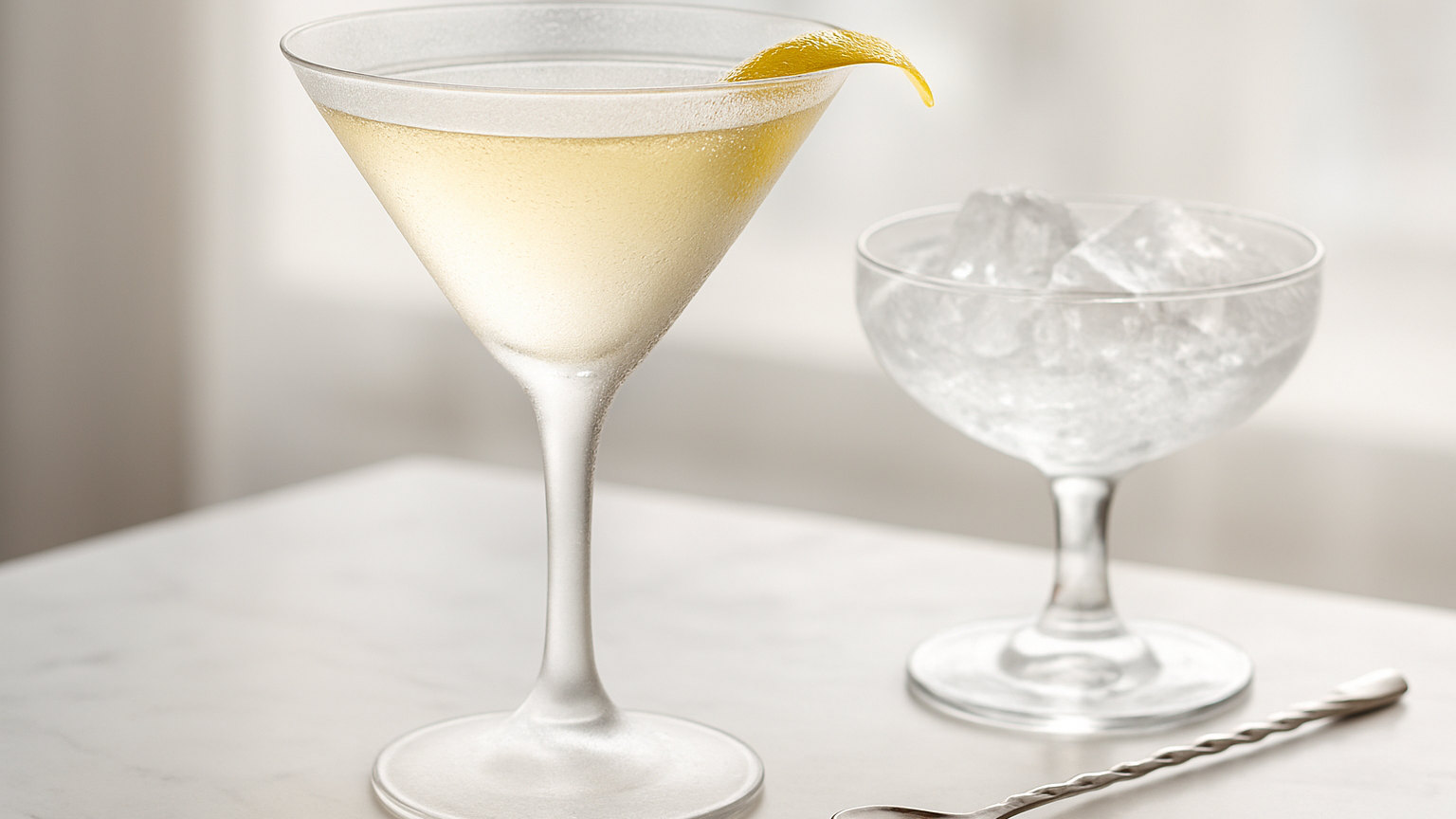
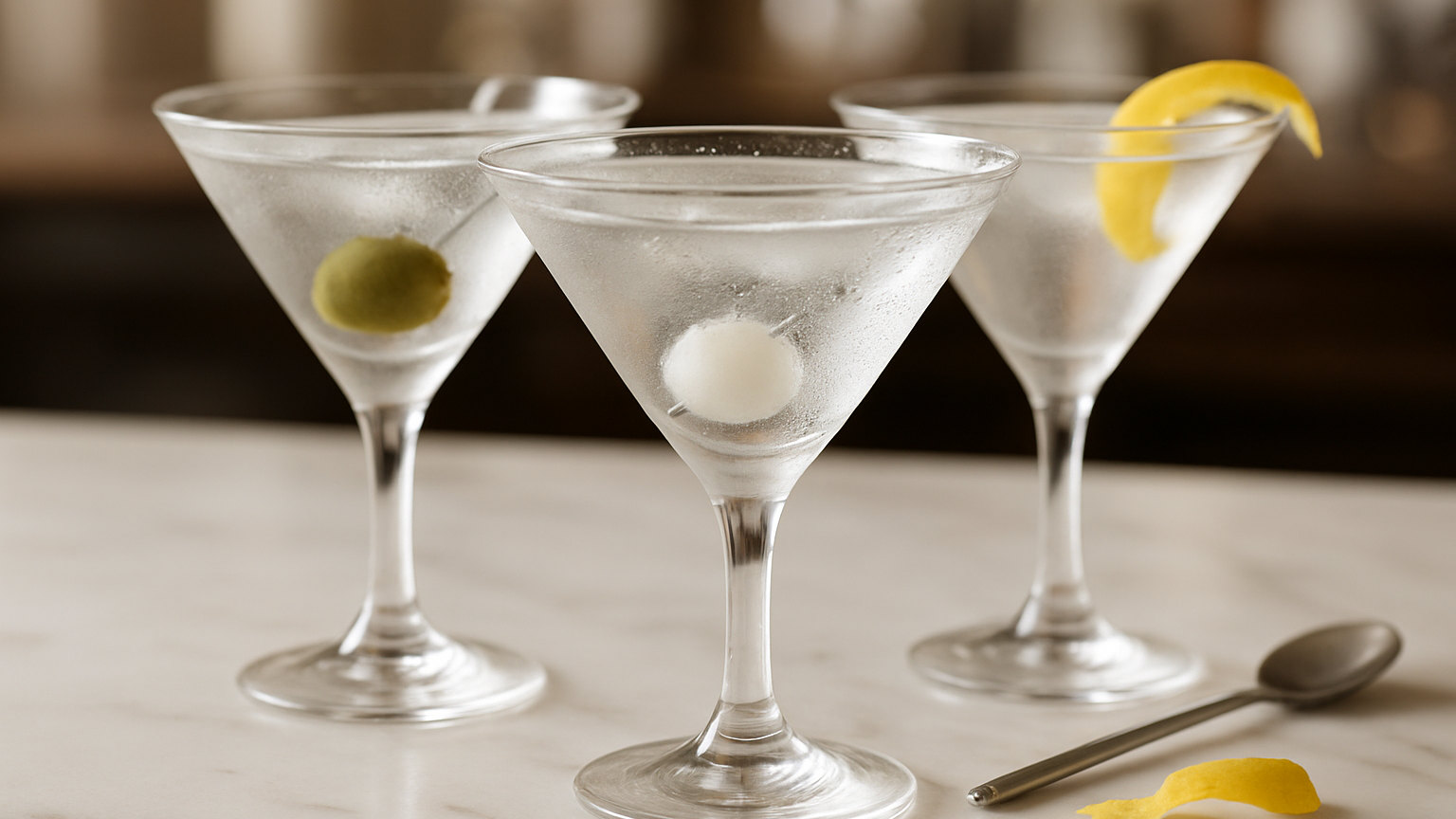
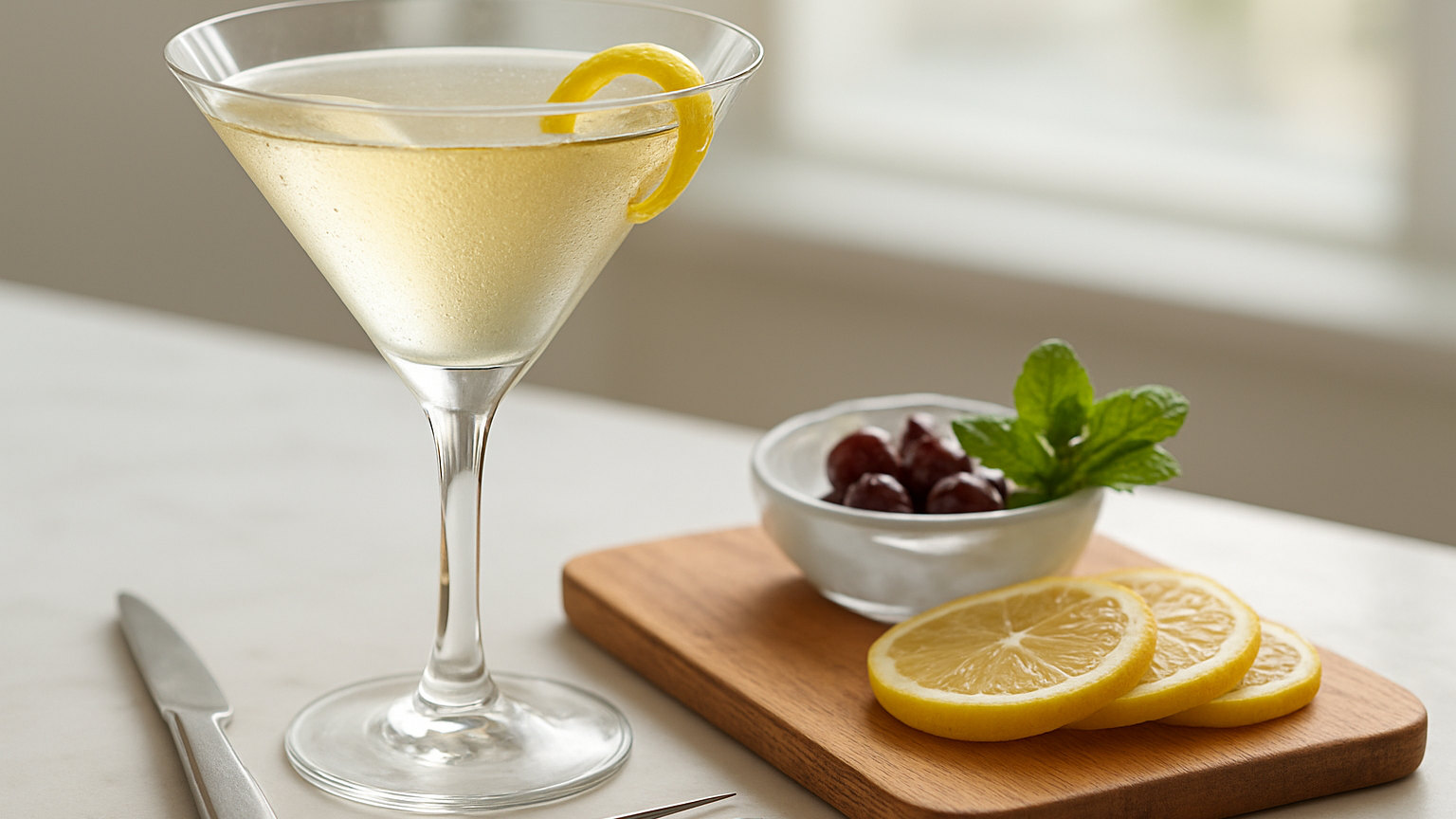
The three standard martini garnishes produce three genuinely different drinks, and the choice is a decision about the cocktail rather than about decoration.
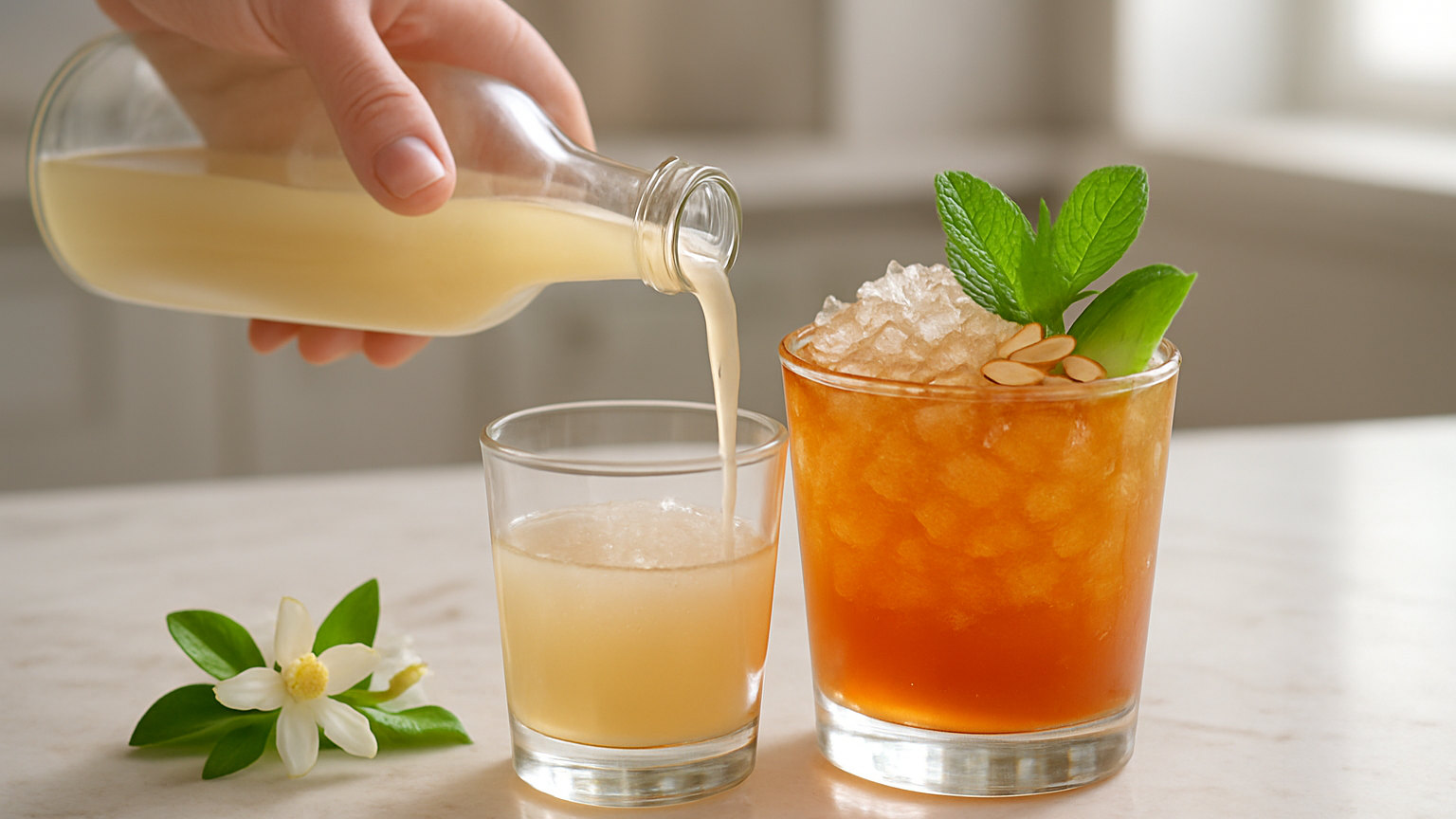
An almond syrup with orange flower water, and the ingredient that makes a mai tai work. It is also a serious allergen, which matters when serving guests.
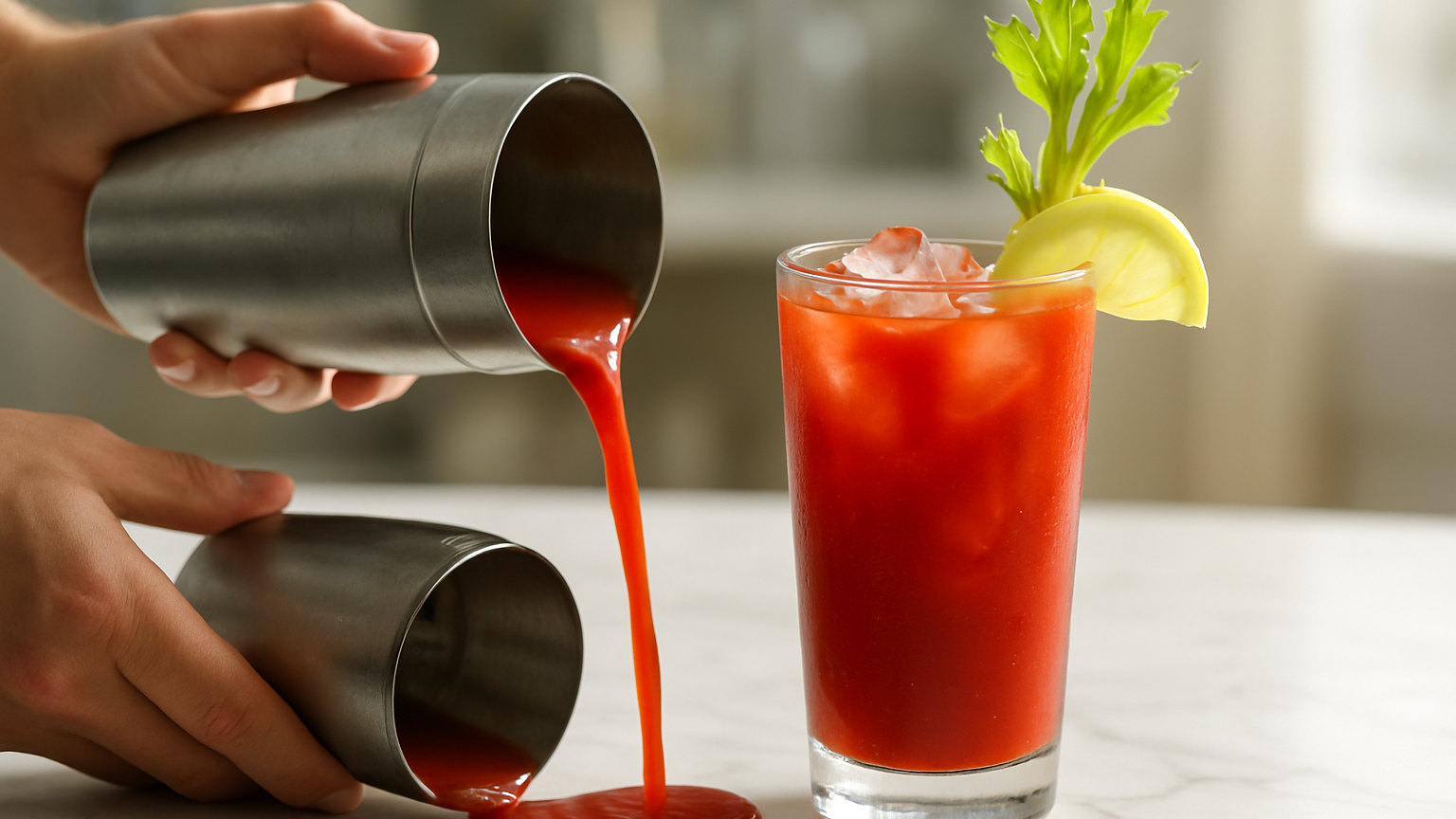
Pouring a drink back and forth between two vessels combines and chills it without whipping air into it, which is exactly what tomato juice requires.
The figures are more consistent than they might appear, and knowing them is what makes batching possible and under-stirring diagnosable.
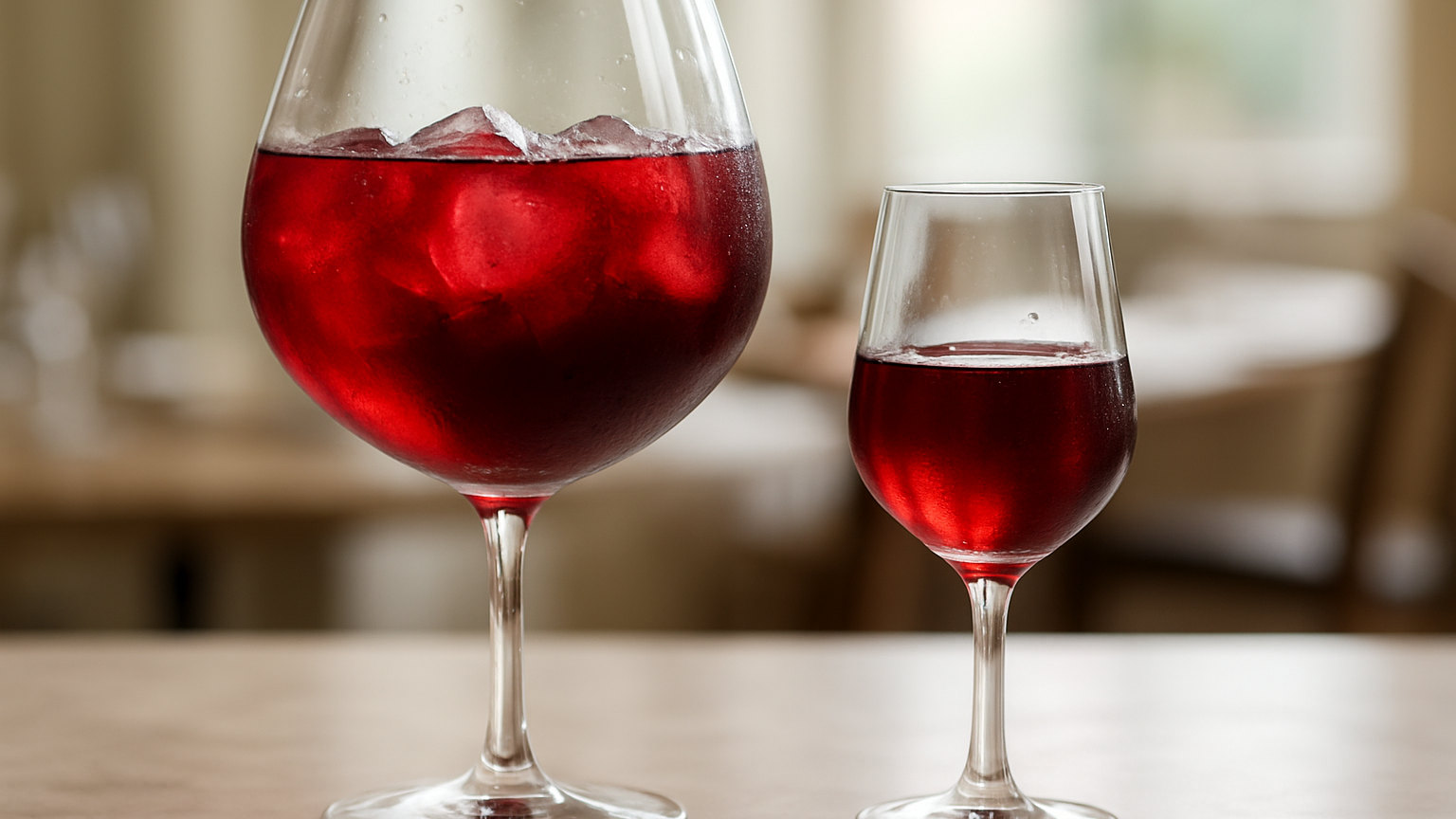
Wine glasses have grown enormously over the past few decades, and the evidence suggests the size of the vessel changes how much goes into it and how fast.