Preparation is what makes serving drinks to a group manageable, and garnishes are the part most likely to be either done too early or not at all.
What must be fresh
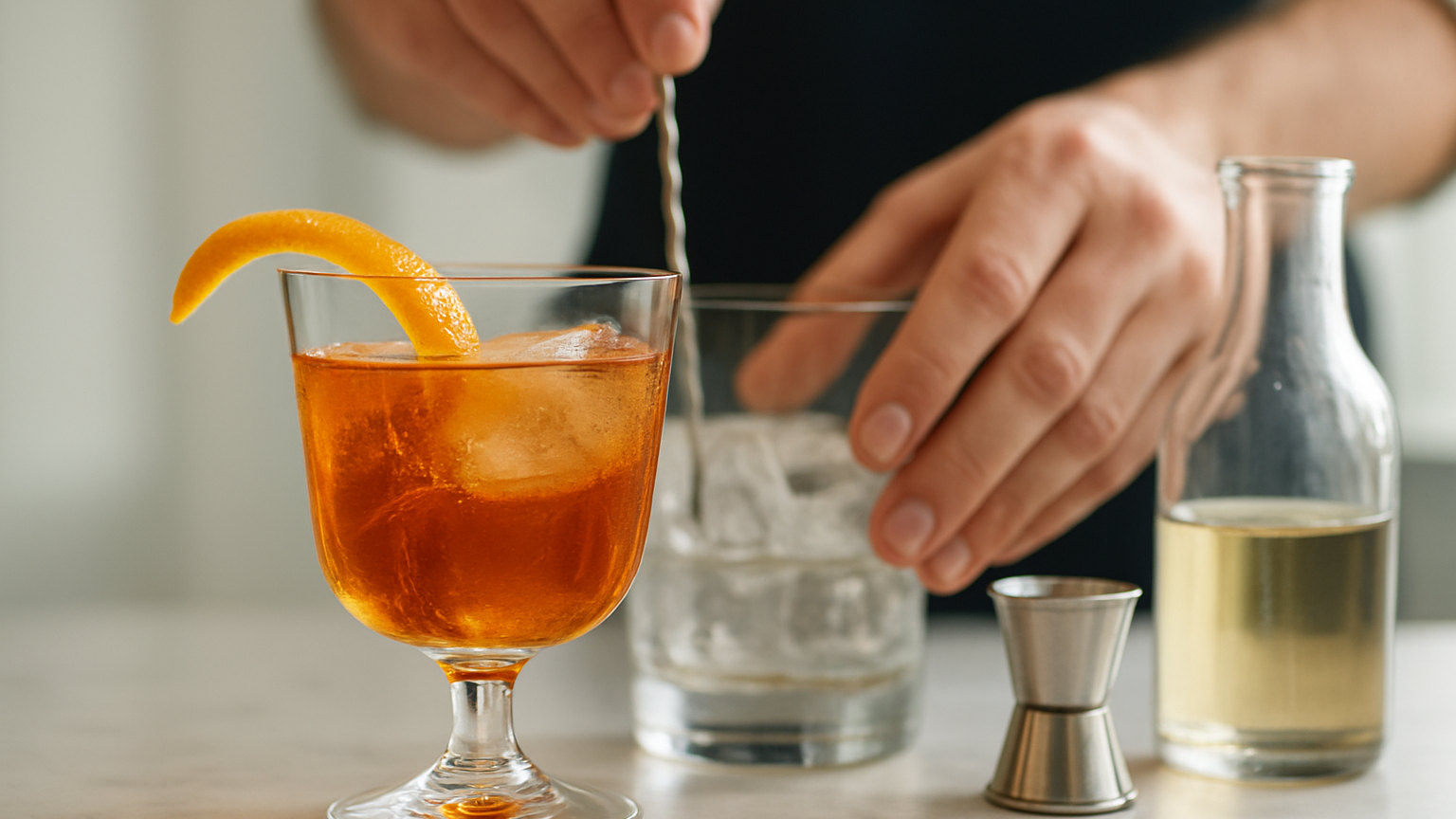
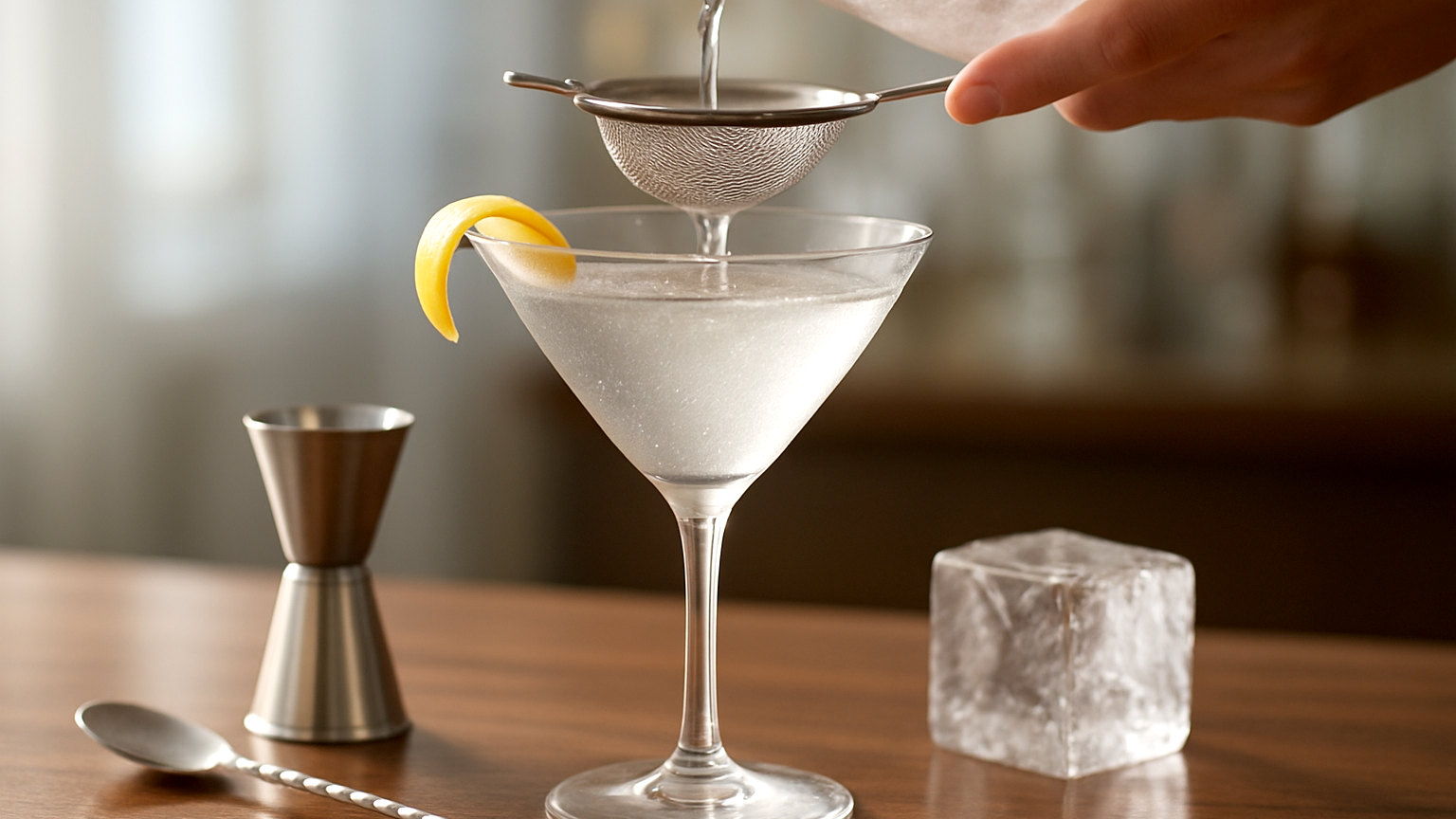
Citrus twists, above all.
The aromatic oil begins evaporating from the moment the peel is cut, and a twist cut two hours earlier delivers a fraction of what a fresh one does.
Thirty minutes ahead is the practical limit, kept in a sealed container with a damp piece of kitchen paper.
Since expressing the oil is the entire point, a stale twist is decoration rather than a garnish.
What holds up
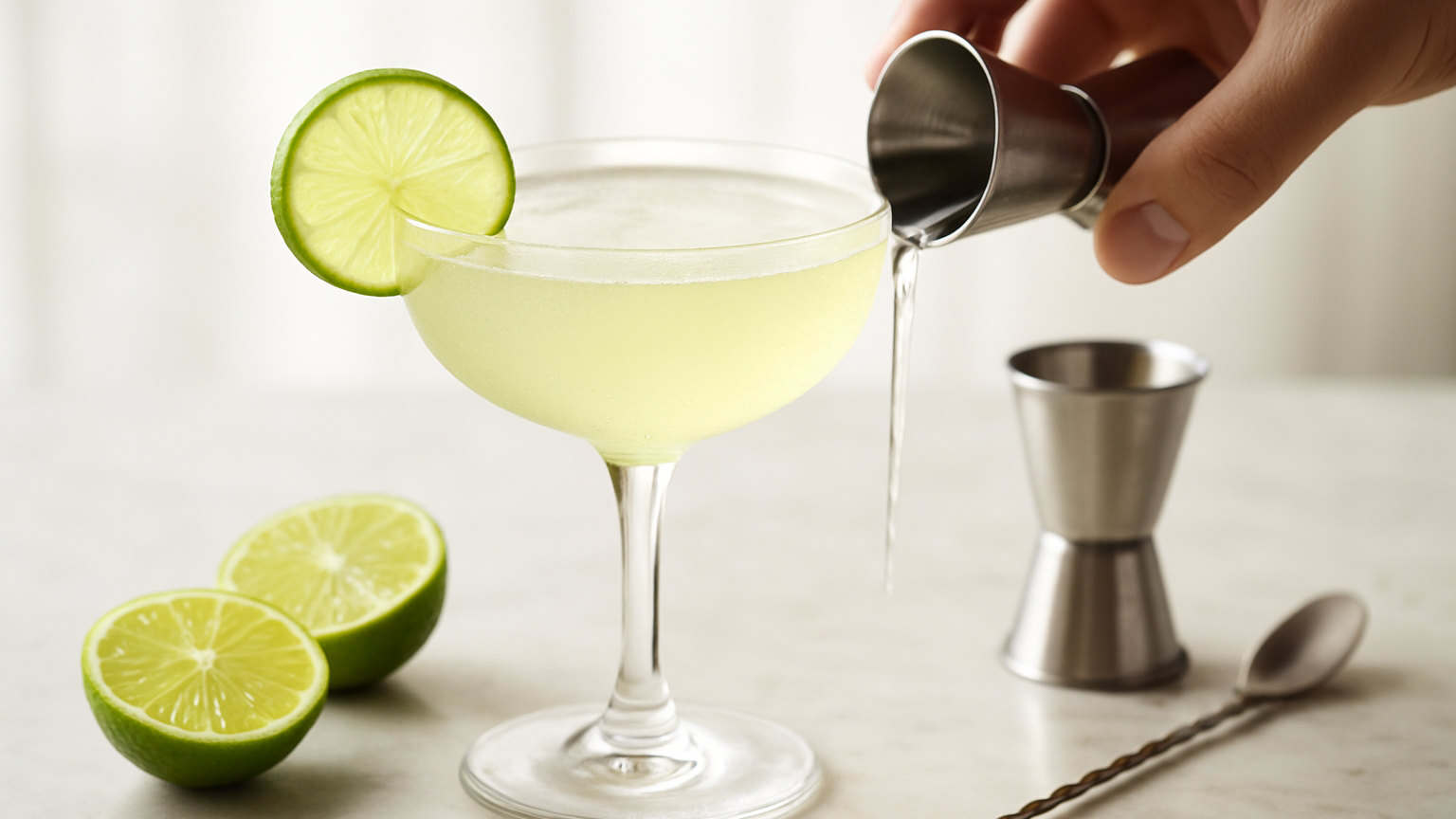
Citrus wheels and wedges keep for several hours, covered and refrigerated, though they dry at the edges.
Cut them a few hours ahead at most, and lay them flat in a container rather than piling them.
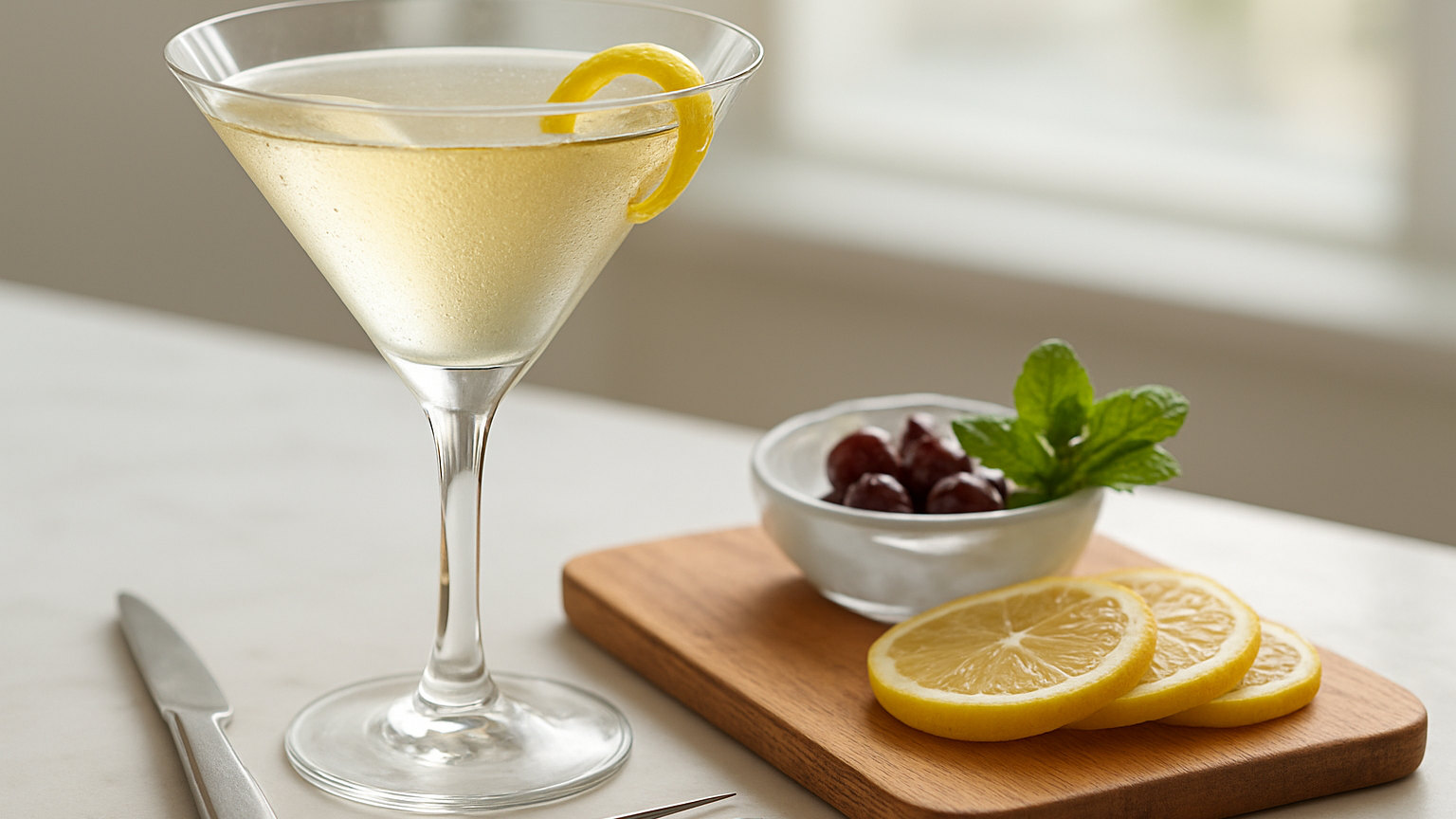
Olives, cherries and cocktail onions are already preserved and need only to be decanted into a small dish shortly before serving.
Dehydrated citrus wheels keep for months and are worth knowing about for exactly this reason.
Herbs
Pick and rinse them ahead, and keep the sprigs stems-down in a glass of water in the fridge covered loosely.
They hold for several hours that way and wilt quickly if left out on a board.
Slap them at the point of serving rather than in advance, since the released oil dissipates within minutes.
Rims
Salt and sugar rims can be prepared an hour or two ahead, and the glasses should then be left somewhere they will not be knocked.
The coating holds better on a chilled glass, so rim first and chill afterwards if you have space.
Keep a plate of salt ready rather than preparing every glass, since not everyone will want one.
Setting up for a party
The approach that works is a single tray holding everything.
Cut fruit in small containers, a dish of olives or cherries, a jar of herb sprigs in water, a plate of salt, a peeler, a small knife and a board.
Set it next to the glasses and the ice, so a drink can be finished without crossing the kitchen.
Cut what you need shortly before people arrive rather than the night before, and cut more halfway through if it runs out.
Quantities
Estimate one garnish per drink and add half again.
For twenty drinks, that means around thirty pieces, which for citrus wedges is three or four lemons.
Running out means either an ungarnished drink or stopping to cut more with a full room, and the fruit costs very little.
What not to prepare ahead
Anything that oxidises. Apple and pear brown within minutes unless treated with lemon juice, and banana is worse.
Anything that dries out, including thin citrus wheels cut too far in advance.
Anything involving a foam or a dusting on the surface, which has to happen at the point of serving.
Dehydrated garnishes
Worth mentioning as the exception that solves the problem.
Citrus wheels dried in a low oven or a dehydrator keep for months in an airtight container, look striking and require no preparation on the day.
They contribute almost no aroma, so they are decorative rather than functional, and for a party where twenty drinks need finishing quickly that is a reasonable trade.
To make them, slice citrus thinly, lay the slices on a rack and dry at around sixty degrees for several hours until they are no longer pliable.
The principle
Prepare the things that keep and leave the things that do not.
A tray of cut fruit and a jar of herbs takes ten minutes and removes almost all the work from the evening.
A citrus peel cut to order takes five seconds and is worth doing every time.
Working ahead in stages
Two days before: dry any citrus wheels you want.
The day before: nothing, since almost nothing keeps that long.
On the day: cut wedges and wheels a few hours ahead, pick herbs, set the tray.
At the point of serving: cut and express the twists.